Culinary and Culture: Gastronomic Experiences in Museums and Cultural Centers in the USA

Delve into Gastronomy and Artistic Traditions
In the United States, the fusion of culinary arts and cultural heritage creates vibrant spaces where food and history intertwine. Museums and cultural centers have emerged as pivotal destinations for those eager to explore the rich narratives associated with regional delicacies, deepening their appreciation of these culinary masterpieces. These gastronomic experiences not only tantalize the taste buds but also enrich visitors’ understanding of diverse cultures, encapsulating the shared stories that compose the tapestry of American life.
Why Explore Culinary and Cultural Fusion?
Engaging with food in cultural institutions offers a distinctive perspective on history and social dynamics. Visitors can:
- Participate in cooking workshops led by renowned chefs specializing in various cuisines, from Southern barbecue to New England clam chowder.
- Attend tastings that celebrate local ingredients, such as farm-to-table events that highlight the importance of sustainable practices in contemporary cooking.
- Discover historical methods of food preparation through exhibits that showcase traditional cooking tools and techniques, revealing how they have evolved throughout the decades.
These immersive experiences foster a deep appreciation for the historical and social contexts of various cuisines. For example, exhibitions at the Smithsonian National Museum of American History often host interactive displays and culinary events, spotlighting America’s rich and diverse culinary landscape. By collaborating with local chefs and culinary historians, the museum showcases foods from different ethnic backgrounds and regions, thus providing a platform for dialogue about immigration, community, and food traditions.
Spotlight on Unique Experiences
Across the nation, from the California Academy of Sciences to the National Museum of African American History and Culture, engaging gustatory experiences abound. Each destination is designed not only to tantalize the taste buds but also to expand visitors’ knowledge about cultural practices tied to foodways. For instance, the California Academy of Sciences often hosts events that explore the environmental impact of food choices, prompting discussions about the significance of biodiversity in agriculture.
Events such as African American food festivals at the National Museum of African American History and Culture bring attention to lesser-known African American chefs and their contributions to American cuisine. By blending historical storytelling with culinary exploration, these events create meaningful connections with the past while celebrating contemporary cultural expressions.
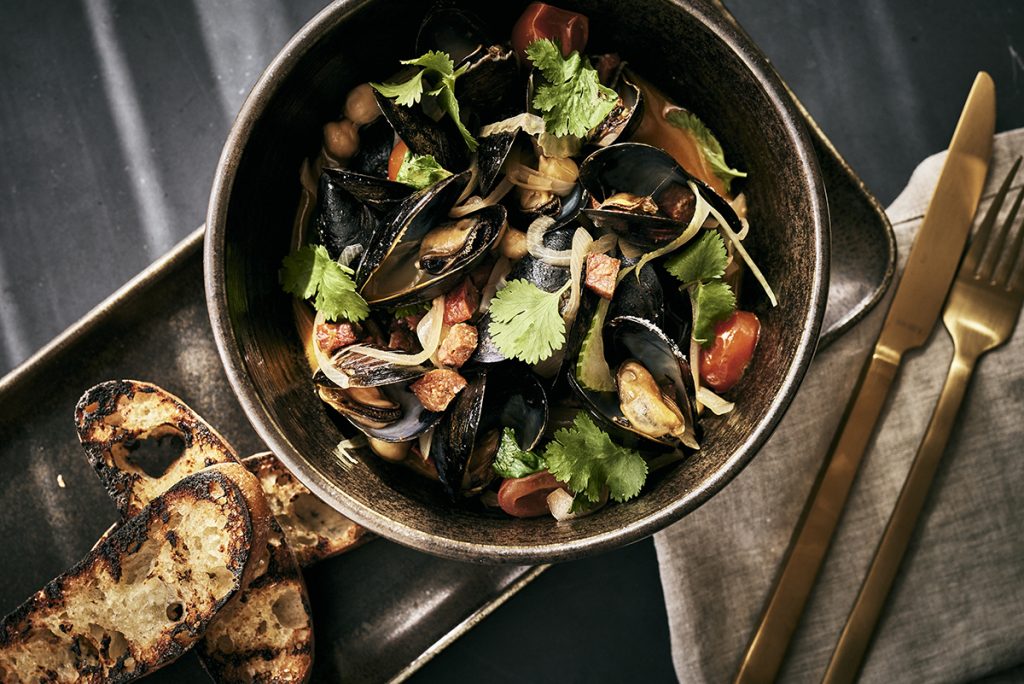
As we explore these exhilarating culinary journeys, it becomes clear that turning the focus to gastronomy is not just about satisfying appetites but is also an invitation to engage with the stories and traditions that shape our collective identity. Such explorations redefine the way we view both gastronomy and cultural heritage, beckoning everyone to appreciate the depths and diversity found in every bite.
EXPLORE MORE: Click here to discover amazing eco-friendly dining options</p
Experiencing Culinary Heritage Through Interactive Exhibits
As visitors traverse the corridors of American museums and cultural centers, they uncover not just artifacts, but the profound stories encapsulated within traditional and contemporary cuisine. This unique intersection of culinary arts and cultural identity allows individuals to engage with the rich tapestry of flavors that define diverse American communities. Each destination offers a glimpse into the past, showcasing how food serves as both a sustenance and a mode of cultural expression.
Creative Culinary Programs in Museums
Museums across the United States have developed a range of interactive programs that delve into the culinary heritage of different demographics. These programs often include:
- Interactive Cooking Classes: Visitors can participate in hands-on cooking lessons that highlight ethnic recipes, where they learn traditional methods while interacting with chefs who share their family histories around these dishes.
- Food History Tours: Specialized tours within museums lead guests on a journey through significant culinary artifacts, offering insights into how historical events shaped food practices and eating habits in various cultures.
- Culinary Demonstrations and Tastings: Live demonstrations featuring top chefs and regional specialties provide an immersive taste of local ingredients, with participants often able to sample the creations.
Examples abound: at the Museum of Chinese in America, visitors can partake in dumpling-making workshops that connect them with Chinese culinary heritage while learning about the Chinese American experience. Similarly, the New York Historical Society regularly hosts events themed around the history of American food, shedding light on how New York City has evolved into a culinary melting pot.
The Role of Food Festivals in Cultural Expression
Food festivals hosted by museums and cultural centers further amplify the celebration of heritage. They immerse attendees in culinary traditions while promoting cultural understanding. The renowned National Cherry Blossom Festival in Washington, D.C., not only celebrates the iconic cherry blossoms but also includes a farmers’ market showcasing Japanese sweets and local produce, creating an engaging cultural experience. Festivals like these provide a platform for artists and chefs to collaborate, presenting dishes that reflect historical narratives or contemporary community identity.
Moreover, culinary-centric exhibitions often revisit history while fostering dialogue around important social issues, such as food equity, sustainability, and health. Events at the National Museum of American History frequently highlight African American foodways, shedding light on the contributions of African Americans to the culinary landscape of the nation. These narrative-driven events and programs remind visitors of food’s power in shaping cultural identity and societal conversations.
As these culinary narratives unfold in the rich tapestry of American museums and cultural centers, attendees are encouraged to not just satisfy their appetites, but also to forge a deeper connection with the stories behind the food. The exploration of these experiences fills the air with flavors, hopes, and histories, all while inviting a broader understanding of how gastronomy plays a quintessential role in American culture.
| Advantage | Description |
|---|---|
| Culinary Heritage Preservation | Museums and cultural centers play a pivotal role in preserving culinary traditions through exhibitions, workshops, and tastings that highlight regional heritage. |
| Community Engagement | These venues foster community involvement, encouraging locals to share their food stories and actively participate in gastronomic events, enhancing cultural awareness. |
Visiting museums and cultural centers that focus on gastronomy not only offers an exploration of food history but also deepens one’s understanding of local cultural contexts. Take, for instance, the active role that culinary classes play in demystifying traditional cooking techniques, providing not just a taste but a comprehensive appreciation of a culture’s essence. The mélange of art, history, and culinary delight creates an immersive experience that captivates the senses.Moreover, specialized programs often include esteemed chefs or historians who impart knowledge on cultural significance, further enriching the visitor’s repertoire. By engaging with gastronomy through a cultural lens, one can truly savor the art behind the meal, allowing for an awe-inspiring journey through the flavors and traditions of the past and present in the U.S. culinary landscape. Such initiatives enrich not just personal knowledge but also forge connections that celebrate diversity and heritage.
DIVE DEEPER: Click here for an unforgettable adventure
Culinary Journeys and Cultural Significance
Beyond interactive programs and festivals, museums and cultural centers in the USA provide a platform for culinary storytelling through curated exhibits that showcase the intersection between food and cultural narratives. These exhibitions not only feature edible artifacts but also explore the historical context that shaped food traditions across various communities. By visiting these carefully designed displays, attendees can gain insights into how different groups employ food as a vessel of expression, resistance, and resilience.
Exhibitions That Tell a Story
One remarkable example is the Smithsonian National Museum of African American History and Culture, where exhibits delve deep into the complexities of African American culinary contributions. The museum presents a rich narrative that intertwines food with themes of survival, creativity, and cultural pride—highlighting dishes rooted in African traditions that evolved through generations of hardship and triumph. Attendees often leave with a profound understanding of how specific meals not only honor lineage but also foster community ties.
Furthermore, the Los Angeles County Museum of Art (LACMA) has hosted exhibitions examining the role of Mexican cuisine in shaping cultural identity. “¡Sí, Se Puede!” gives insight into the culinary practices of the Mexican-American communities and how food serves as a tool for activism, especially in the face of cultural assimilation pressures. Such exhibits create dialogue around food not merely as a physical necessity but one deeply embedded in cultural heritage.
Cultural Centers as Culinary Hubs
Cultural centers across the nation have also emerged as important venues for gastronomy, where the local community can connect through a shared love of food. The Italian Cultural Institute in New York City frequently hosts cooking workshops that explore regional Italian dishes, where participants can connect with Italy’s diverse culinary geography. This experience allows individuals to engage not only with authentic recipes but also with the stories behind them, emphasizing local sourcing, tradition, and the importance of family meals.
Similarly, the Indigenous Cultural Center of Montana integrates food tasting events that allow visitors to explore Native American culinary traditions. Attendees can experience traditional dishes made with indigenous ingredients, allowing for a deeper understanding of the connection between land, culture, and cuisine. These culinary experiences foster respect for Indigenous knowledge and culinary practices that have been passed down through generations.
The Future of Culinary Exhibitions
As we progress into a more interconnected world, the future of culinary exhibitions in American museums is likely to evolve significantly. Collaborative efforts between chefs, historians, and community leaders are becoming essential in creating exhibits that reflect modern culinary trends while honoring traditional practices. This fusion encourages continuous engagement, ideation, and innovation in how food stories are presented.
Moreover, the rise of digital technology has begun to play a role in these culinary narratives. Virtual tours and online workshops allow a broader audience to participate in these experiences, breaking geographical barriers that once limited access. As more people engage with these digital formats, the importance of gastronomy as a cultural touchstone continues to gain visibility, ensuring that culinary traditions remain alive and relevant. Visitors are not just passive observers but active participants in a larger conversation about cultural heritage, identity, and community-building through food.
In a country as diverse as the United States, culinary experiences in museums and cultural centers stand as a testament to the power of food in shaping identities and narratives. Each exhibit, workshop, and festival contributes to an ongoing dialogue about who we are as a nation—rooted in flavors, histories, and shared memories.
DISCOVER MORE: Click here for exciting family travel itineraries
Conclusion
The exploration of culinary and cultural experiences in museums and cultural centers across the USA serves as a powerful reminder of the intricate relationship between food and identity. As demonstrated through various exhibitions—from the stories of African American traditions at the Smithsonian to Mexican culinary activism at LACMA—these venues provide much more than just a taste of different cuisines; they offer profound insights into the cultural narratives that shape our society. As attendees engage with these presentations, they uncover layers of meaning behind traditional practices, reinforcing the idea that food is not merely sustenance but a reflection of our heritage, resilience, and community.
The role of cultural centers in fostering culinary connections cannot be overstated. They act as vibrant hubs where people from diverse backgrounds come together to share, learn, and celebrate culinary arts. Whether through cooking workshops at the Italian Cultural Institute or tastings at the Indigenous Cultural Center, these experiences reinforce community ties and encourage respect for the diverse narratives intertwined with the act of cooking and eating.
Looking ahead, as digital technology continues to transform education and engagement, museums and cultural centers are poised to enhance their culinary exhibitions. By embracing innovation while honoring tradition, these institutions will not only broaden their reach but also ensure that the rich tapestry of American gastronomy remains an integral part of our cultural dialogue. In a nation defined by its diversity, the stories sparked by culinary exploration invite us all to participate in an ongoing conversation about identity, tradition, and shared experience.