
Historical Trails: Itineraries that Connect the Past and Present in the USA
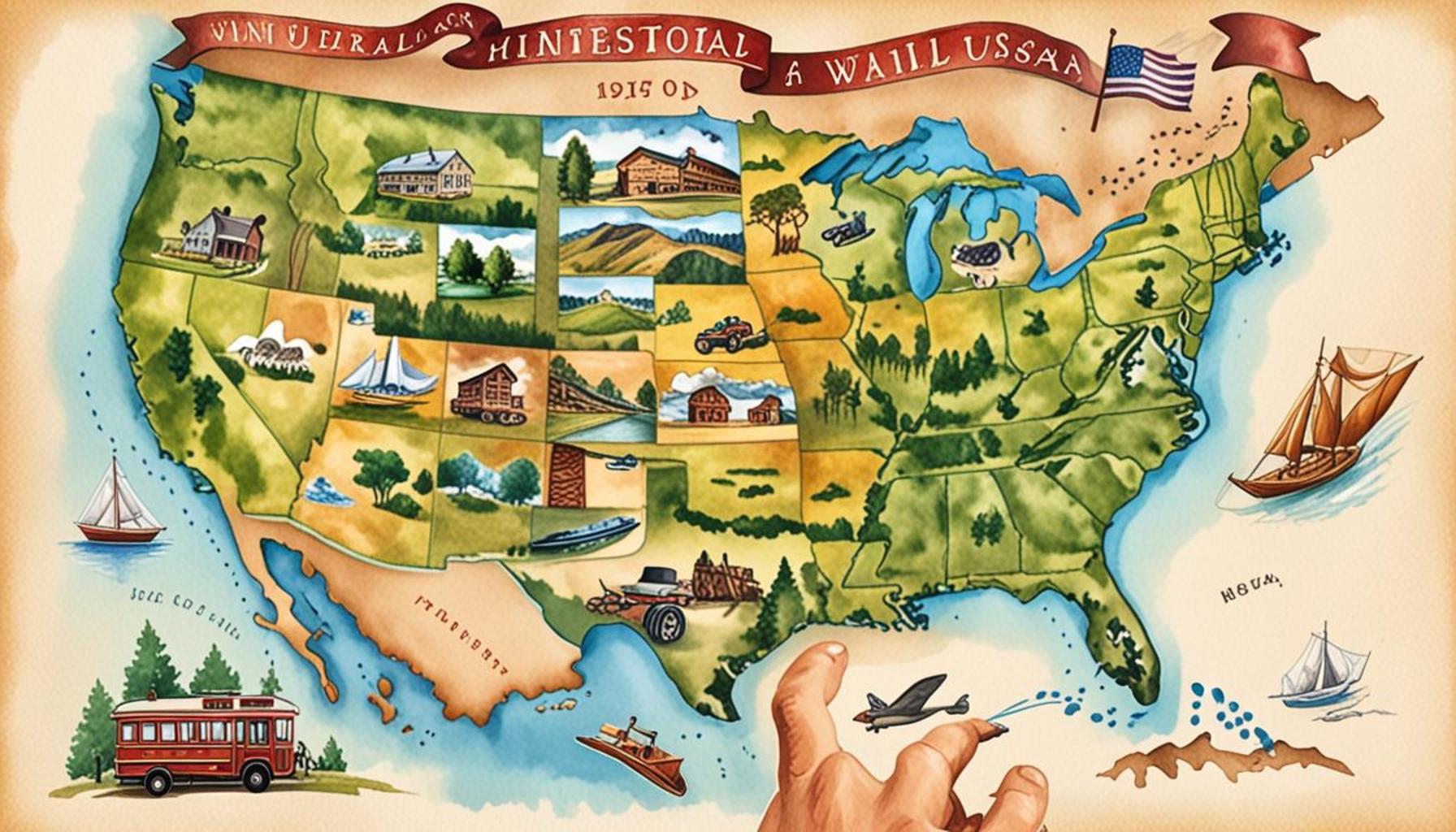
Revelations Along America’s Iconic Routes
Traversing the historical trails of the United States provides an extraordinary glimpse into critical moments that have defined the nation. These immersive pathways wind through landscapes that bear witness to the stories of those who walked them long before us. Each trail, from the Oregon Trail to the Freedom Trail, is not merely a route; it is a narrative, rich with the tapestry of America’s cultural heritage.
For instance, the Oregon Trail, which spans over 2,000 miles, was the primary route for thousands of settlers venturing westward during the mid-1800s in hopes of finding new opportunities. Along its path, notable historical landmarks like the rutted wagon tracks at Guernsey State Park in Wyoming and the remains of Fort Laramie offer glimpses into the relentless hardships and triumphs faced by pioneers. This trail vividly illustrates the dreams and struggles of families who braved unknown dangers in search of a better life.
In contrast, the Freedom Trail weaves through Boston, connecting sixteen significant sites related to the American Revolution. Visitors can walk among the historic cobblestone streets, stopping at places like the Boston Massacre Site or the Old North Church, to immerse themselves in the struggle for independence. Each site resonates with stories of courage and sacrifice, inviting travelers to ponder the ideals of liberty and justice that continue to influence society today.
What makes these trails particularly compelling is their ability to engage all senses. The sights of rolling hills or bustling city centers, the sounds of rustling leaves or historical reenactments, and the aromas of local cuisine combine to create an intimate experience of history. Travelers can savor a meal at a historic tavern along the trail, connecting the past to the present in a tangible way.
Moreover, exploring these routes provides rich insights into cultural heritage, encouraging individuals to reflect on how historical events have shaped current social structures and cultural identities. For example, learning about the Native American tribes’ displacement on the Oregon Trail fosters a dialogue about land rights and cultural preservation in contemporary society.

In summary, following America’s historical trails transforms the act of sightseeing into a profound journey of understanding. Each step is a reminder of the perseverance of those who came before, urging modern adventurers to appreciate not just where they stand today, but also the collective history that has paved the way. Thus, these trails serve as vital links that connect the past to the ever-evolving narrative of the nation.
DIVE DEEPER: Click here to discover the stunning scenic routes
Exploring America’s Pathways Through History
Among the countless trails that crisscross the United States, each one holds a unique narrative steeped in rich cultural history. For adventurers and history buffs alike, these routes present opportunities to walk in the footsteps of significant figures and events, forming a bridge between eras long past and contemporary times.
The Santa Fe Trail is one such pathway that served as a commercial road between Missouri and Santa Fe, New Mexico, from 1821 until 1880. This trail not only facilitated trade but also fostered cultural exchange between the United States and Mexico, shaping economic landscapes for generations to come. On this route, travelers encounter historic sites like the Fort Larned National Historic Site, which played a pivotal role in protecting those who traversed this challenging terrain. Here, visitors can reflect on the vast network of commerce and communication that once thrived, underscoring the importance of the trail in shaping regional economies and identities.
Another noteworthy historical trail is the National Historic Oregon Trail, which remains a symbol of American westward expansion. Spanning six states, from Missouri to Oregon, this trail encapsulates the fierce spirit of exploration that characterized 19th-century America. Those traveling along this historic route can stop at various interpretive centers, such as the Oregon Trail Center in Montpelier, Idaho, where interactive exhibits bring the challenges faced by pioneers into vivid clarity. It’s a potent reminder of how mass migrations influenced the settlement of the West and reshaped the nation.
Key Historical Trails to Discover
- Oregon Trail: A path that marked the journey of thousands seeking a new life in the West.
- Santa Fe Trail: A critical trade route enhancing economic exchanges between the U.S. and Mexico.
- Appalachian Trail: Though primarily known as a hiking path, it intersects with historic landscapes of early American settlements.
- Lewis and Clark Trail: Following the route of the famous expedition, this trail allows travelers to explore the natural wonders that amazed early explorers.
- Historic Highway 66: Known as the “Mother Road,” it connects Chicago to Santa Monica, revealing the American spirit of travel and adventure.
Each of these trails not only serves as a way to traverse the land but also as a means to traverse the mind, generating conversations about the narratives that continue to resonate in modern America. The exploration of these historical trails encourages participants to reflect on the legacies left behind, such as the impact of westward expansion on indigenous communities or the transformation of the American economy through trade routes.
Engaging with these paths fosters a greater appreciation for the complexities of American history. As travelers roam through time-worn landscapes drenched in significance, they contribute to a living history that connects people, cultures, and ideologies. The trails are more than just roads; they embody a collective identity shaped by the journeys and stories of countless individuals.
| Advantage | Description |
|---|---|
| Cultural Enrichment | Exploring historical trails lets travelers engage with America’s rich heritage. |
| Scenic Routes | These itineraries offer breathtaking views and connect stunning landscapes with history. |
| Community Engagement | Visitors can participate in local festivals, workshops, and events that preserve cultural traditions. |
| Educational Opportunities | History enthusiasts gain insights through museums, guided tours, and informational signage along the trails. |
The theme of “Historical Trails: Itineraries that Connect the Past and Present in the USA” serves not just as a travel guide but as an opportunity for deeper cultural connections. These trails encourage exploration, offering travelers a chance to embrace the narratives woven into the American landscape. Whether it’s the Revolutionary War routes or the journeys of Native American tribes, each itinerary invites participants to not only observe but to become part of a continuing story. In addition, historical trails often include access to local artisans and businesses, enriching both the visitor experience and the communities they traverse. For those curious about America’s history and culture, these historical trails promise an adventure that is both educational and transformative. Immerse yourself and discover the past while enjoying the wonders of the present.
DISCOVER MORE: Click here to delve into the world of art and culture
Connecting Cultures: The Rich Tapestry of Historical Trails
As we journey deeper into the United States’ extensive historical trails, we uncover more than just stories of exploration and trade; we also unveil the complexities of cross-cultural interactions that have shaped the nation. The Appalachian Trail, while predominantly celebrated for its scenic vistas and recreational opportunities, is steeped in history that sheds light on both the early settlements of the American frontier and the indigenous cultures that preceded them. Walking along the trail allows one to connect with the legacy of the early settlers who navigated these rugged mountains and forests, which were rich with Native American traditions and stories.
Continuing our exploration, the Lewis and Clark Trail stands out not only for its remarkable natural landscapes but also for the rich history of the indigenous peoples who inhabited these lands prior to European exploration. The route established by Meriwether Lewis and William Clark between 1804 and 1806 is a testament to human resilience and curiosity. Sites along the trail, such as the Fort Mandan in North Dakota, offer insight into the complicated relationships between the explorers and native tribes, highlighting themes of cooperation, conflict, and cultural exchange. This exploration encourages a more nuanced understanding of the impact of westward exploration on America’s indigenous communities.
Another significant path to consider is the Historic Route 66, often referred to as the “Mother Road.” Stretching over 2,400 miles from Chicago to Santa Monica, Route 66 chronicles the profound changes that American society underwent during the 20th century. As the highway became a symbol of freedom and mobility for countless families during the Great Depression and after World War II, it also facilitated a vibrant interchange of cultures, capturing the essence of American life as it transformed. Stopping at quirky roadside attractions like the Route 66 Museum in Victorville, California, one can explore memorabilia and narratives that epitomize an era defined by optimism and adventure.
Preserving History through Trails
The continuation of these historical trails into the present is not only a way to understand our past but also a mission to preserve these stories for future generations. Many organizations, such as the National Park Service, actively work on the conservation of these trails and their surrounding landscapes. The National Scenic Trails initiative aims not just to protect the environment but also to maintain the historical integrity of these routes. Efforts are ongoing to interpret and celebrate the diverse histories represented along these pathways, making them accessible through educational programs that attract visitors from around the globe.
The revitalization of interest in historical trails has also seen a rise in experiential tourism, where travelers seek not only to visit these sites but to participate in programs that evoke the experiences of those who traveled before them. Activities such as guided horseback rides or reenactments provide a dynamic lens through which to explore the past, ensuring that history remains vibrant and relevant in the collective consciousness.
In essence, these historical trails serve as more than mere routes across the land; they are vital corridors of memory, resilience, and identity. By walking these paths, we partake in a shared legacy that connects us to a multifaceted past, illuminating the diverse narratives that collectively weave the story of America.
DISCOVER MORE: Click here for enchanting couple getaways
Conclusion: Walking Through Time on America’s Historical Trails
In conclusion, the historical trails of the United States serve as powerful reminders of our nation’s rich tapestry, revealing layered stories that connect the past to the present. From the rugged landscapes of the Appalachian Trail to the iconic stretches of Route 66, each trail presents an opportunity to reflect on the journeys undertaken by those who shaped our history. These pathways not only invite exploration of the natural beauty that surrounds them but also challenge us to confront the complex narratives of cultural interactions, conflicts, and resilience that define American identity.
The preservation efforts undertaken by organizations such as the National Park Service are crucial in safeguarding these routes for future generations. As we engage with these trails, we cultivate a deeper appreciation for the diverse experiences that contribute to our shared heritage. The rise of experiential tourism highlights the growing desire to not just observe our history but to participate in it actively, allowing visitors to walk in the footsteps of those who came before.
Ultimately, by walking America’s historical trails, we embark on a journey of discovery, unlocking the stories that have shaped our society. These trails are more than mere lines on a map; they connect us to a profound legacy that continues to resonate today. So, whether you choose to trek the ancient routes of early settlers or drive the nostalgic paths of mid-20th-century America, each step taken is a step towards understanding our collective past, making history an ever-present part of our lives.