Reduce Stress Boost Mindfulness The Power of Puzzles

Unlocking Serenity Through Puzzles
Puzzles have long been a favorite pastime, but their benefits go far beyond mere entertainment. Engaging in brain teasers, jigsaws, and crosswords can serve as a powerful tool for reducing stress and enhancing mindfulness. In today’s fast-paced world, where distractions abound, the simple act of piecing together a puzzle holds the potential to bring focus and tranquility.
Research indicates that solving puzzles can activate areas of the brain associated with problem-solving and critical thinking, encouraging a state of flow that promotes relaxation. As you immerse yourself in the task, the worries of the day begin to fade away, creating a serene mental space. Here are a few ways puzzles contribute to well-being:
- Enhancing concentration by diverting thoughts away from stressors.
- Encouraging mindfulness through focused attention on the present moment.
- Stimulating cognitive function and fostering a sense of accomplishment.
As we explore the therapeutic potential of puzzles, we’ll dive into the Top 5 puzzles that can aid in cultivating mindfulness and alleviating stress. Get ready to discover how these engaging challenges can transform your mental health journey.
DISCOVER MORE: Click here to enhance your decision-making skills
Top 5 Ways Puzzles Help Reduce Stress and Promote Mindfulness
Puzzles are often seen merely as a source of entertainment, but their benefits extend far beyond just fun and games. Engaging with puzzles can be a powerful tool for relaxation and enhancing mental well-being. Many enthusiasts have turned to puzzles as a means to cope with stress, improve focus, and practice mindfulness. In this article, we will explore the top 5 ways puzzles can aid in reducing stress and promoting mindfulness.
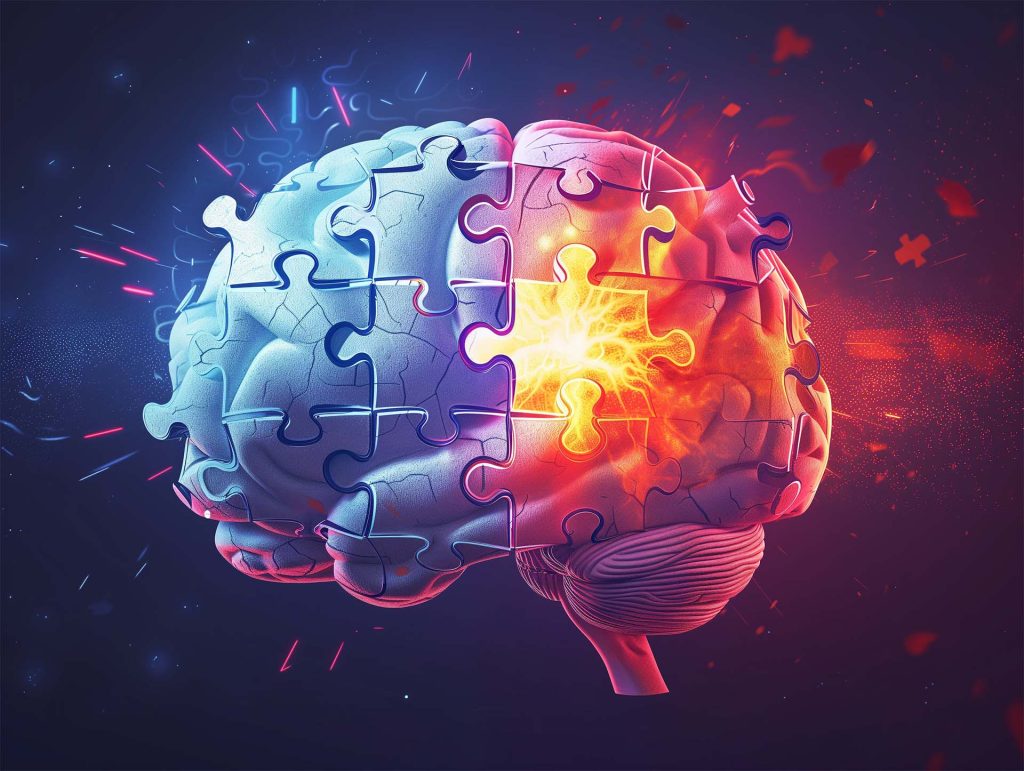
5. Enhancing Problem-Solving Skills
One of the most compelling reasons for engaging with puzzles is the development of problem-solving skills. When confronted with a puzzle, your brain works in overdrive to analyze clues, patterns, and potential solutions. This mental exercise can be a fantastic release from daily stressors. By shifting your focus to solving a puzzle, you inadvertently divert your mind from nagging thoughts and worries.
Furthermore, solving puzzles heightens your ability to think critically and strategically. It provides a safe environment to tackle complex issues, gradually building your brain’s resilience against stress-related challenges. Regular engagement with puzzles trains your mind to approach life’s complications with a composed and calculated methodology. For instance, untangling the intricacies of a complex jigsaw can mirror the way one might dissect a challenging project at work, breaking it down into manageable components.
4. Improving Focus and Concentration
Puzzles require a high degree of focus and concentration, which can effectively train the brain to filter out distractions. Engaging deeply with a puzzle can lead to a state of deep work where the mind is fully immersed in the activity. This experience can be incredibly calming and restorative.
The brain benefits from this focused engagement by strengthening neural pathways associated with attention and concentration. Over time, practicing puzzles helps you cultivate an ability to concentrate on tasks for extended periods without succumbing to the constant pull of modern distractions such as notifications and social media.
Consider these popular puzzle types that can enhance concentration and promote a mindful mentality:
- Sudoku: This number-placement puzzle requires logical reasoning and can help sharpen mathematical acuity.
- Crossword puzzles: They improve vocabulary and general knowledge, engaging linguistic skills while stimulating memory recall.
- Jigsaw puzzles: Enhance spatial reasoning and fine motor skills while fostering patience.
- Logic puzzles: These challenge you to think outside the box and approach problems from different angles, strengthening cognitive flexibility.
By integrating puzzles into your routine, you can significantly improve focus, leading to a more present and mindful demeanor in daily life activities.
3. Promoting Mindfulness and Presence
Mindfulness is about being present in the moment, a quality that puzzles inherently promote. When completing a puzzle, you are invited to focus solely on the task at hand, letting go of distractions and the chaos of daily life. This moment-to-moment awareness helps ground you and fosters an improved sense of calmness.
The repetitive nature of puzzle-solving, whether it’s fitting pieces together or filling in answers, is meditative. The rhythm you find in the activity can facilitate a flow state where time seems to slow down. This ability to be present can serve as a mental retreat, allowing you to recharge and refocus your thoughts.
Some individuals turn to puzzles during breaks to grab a moment of peace amid a hectic day. The meditative quality of puzzles encourages regular mindful practice, reflecting some aspects of traditional mindfulness exercises like meditation or yoga, without needing a specific setting or routine. By letting you dip into mindfulness easily, puzzles become a bridge to a calmer, more attentive lifestyle.
2. Stimulating the Release of Feel-Good Chemicals
Engaging in puzzles is not just beneficial for the mind; it also affects your body’s chemistry. Solving a puzzle successfully releases dopamine, a neurotransmitter linked to pleasure and satisfaction. This biological response can enhance your mood and significantly reduce feelings of stress.
Dopamine acts as a natural motivator, encouraging you to continually seek out similar rewarding activities. This encourages engaging in puzzles not only for relaxation but for personal development. The reward system created during puzzle-solving can be paralleled to goal-setting achievements in other life areas, boosting motivation and perseverance.
This practice is particularly beneficial when partaking in difficult puzzles or those requiring sustained attention over time, like a 1,000-piece jigsaw. Every piece that fits perfectly rewards you with a tiny hit of dopamine, reinforcing the action and, subsequently, crafting positive, long-lasting habits that positively impact mental health.
1. Offering a Sense of Accomplishment
The ultimate reason why puzzles can be an effective tool for reducing stress and promoting mindfulness is the strong sense of accomplishment they provide. Completing even the simplest puzzle generates a sense of satisfaction that can uplift your spirits and motivate you to tackle more complex challenges, both in puzzles and in life. This feeling of achievement can combat feelings of stress and anxiety, allowing you to face daily life with renewed vigor.
Moreover, puzzles are incredibly versatile. Whether it’s a crossword that engages your vocabulary or a challenging jigsaw that requires spatial reasoning, the rewards of completion serve as a reminder of your capabilities. This feeling of accomplishment boosts self-confidence, providing a stable foundation from which to approach other obligations and challenges.
In summary, puzzles are not merely time-fillers; they are powerful tools that contribute positively to mental health. From enhancing problem-solving skills to providing a sense of accomplishment, they offer multiple avenues for reducing stress and promoting mindfulness. So grab a puzzle and immerse yourself in the tranquility it can bring to your life!
One of the key aspects of how puzzles benefit mental health lies in their ability to enhance focus and concentration. This is intrinsically linked to the practice of mindfulness, where individuals are encouraged to immerse themselves completely in the present moment. When engaged in a puzzle, whether it’s a jigsaw, crossword, or Sudoku, the *mind is directed towards a specific task*, which can serve as a form of meditation. This focused engagement allows worries and anxieties to slip away, creating a suitable space for mental relaxation. In addition, puzzles promote a sense of achievement. Completing a challenging puzzle not only provides instant gratification but also triggers the release of dopamine, a neurotransmitter closely tied to feelings of pleasure and reward. The *elation felt upon placing the final piece of the puzzle* can be substantial, offering a much-needed boost to one’s mood. This feeling of accomplishment can be particularly beneficial for those struggling with low self-esteem or feelings of inadequacy. Moreover, puzzles provide an excellent opportunity for social interaction, enhancing the communal spirit while simultaneously fostering individual resilience against stress. Engaging with family or friends over a common puzzle can spark conversations, laughter, and the sharing of ideas, all of which can elevate one’s emotional state. These interpersonal connections contribute to a stronger support system, which is invaluable during stressful times. Furthermore, research indicates that the act of completing puzzles can activate brain regions responsible for memory, problem-solving, and critical thinking. By exercising these cognitive functions, participants may experience prolonged improvements in their overall mental agility, which could translate to enhanced performance in daily tasks. This cognitive workout is vital for maintaining brain health and combating cognitive decline associated with aging.So, while on the surface, puzzles may appear to be merely a fun pastime, they offer profound benefits that stretch well beyond simple entertainment. They create a holistic approach to managing stress and cultivating mindfulness, seamlessly combining enjoyment with mental enhancement. The time spent puzzling could undoubtedly contribute to a healthier, more balanced perspective on life’s challenges.
DIVE DEEPER: Click here to enhance your brain training techniques
Frequently Asked Questions About Jigsaw Puzzles and Mindfulness
How do jigsaw puzzles contribute to stress reduction?
Jigsaw puzzles engage the mind in a way that promotes focus and concentration, often referred to as a state of “flow.” When you’re working on a puzzle, your brain is concentrating on identifying shapes and patterns, which can help distract you from stressors. This engagement triggers the production of dopamine, a neurotransmitter that boosts mood and can contribute to lowering stress levels.
Can assembling jigsaw puzzles really promote mindfulness?
Yes, assembling jigsaw puzzles can promote mindfulness by fostering a meditative state. This occurs as you become deeply engrossed in the detailed work of finding and fitting pieces together, which helps to quiet mental chatter and bring your attention to the present moment. Incorporating puzzles into your routine may enhance your ability to practice mindfulness in other areas of your life too.
Are there cognitive benefits to doing jigsaw puzzles?
In addition to stress reduction and mindfulness, jigsaw puzzles offer several cognitive benefits. They can improve visual-spatial reasoning, enhance problem-solving skills, and boost short-term memory. Engaging regularly in puzzle-solving exercises can help maintain mental acuity, which is particularly beneficial as we age.
How often should I work on jigsaw puzzles for maximum benefit?
There’s no strict rule, but incorporating puzzles into your weekly routine can be beneficial. Aim for at least a few sessions a week, even if they’re short ones. Consistency is key, and engaging regularly with puzzles can build and sustain the cognitive and stress-relieving benefits over time. It’s important to consider personal enjoyment and not to perceive puzzles as another stressor.
What type of puzzles should I choose to relieve stress?
The type of puzzle isn’t as crucial as the process itself, but starting with puzzles that match your skill level can prevent frustration and help maintain a relaxing experience. Newcomers might begin with simpler puzzles (around 300 pieces), while seasoned solvers can explore more complex challenges. The main goal is to foster a sense of accomplishment and relaxation.
DIVE DEEPER: Click here to learn how strategy board games work
Conclusion
The allure of puzzles stretches far beyond simply piecing together images. As this article has explored, puzzles serve as significant tools in relieving stress and promoting mindfulness. One of the key takeaways is the way puzzles engage us in focused attention, pulling our minds away from stressors and into the present moment. This practice of concentration can gently guide individuals into a meditative state, ultimately promoting a sense of calm and clarity.
Moreover, puzzles are excellent vehicles for cognitive development. They challenge our brains to solve problems creatively, enhancing memory, spatial awareness, and logical reasoning. These mental exercises not only enhance cognitive abilities but also create a buffer against stress, providing a healthy escape that renews the mind.
The social aspect should not be overlooked. Puzzles often invite collaboration, whether with family or friends, enabling shared moments that foster communication and emotional bonds. These interactions are an added layer of stress relief, offering support and a sense of community, which is more crucial than ever in today’s fast-paced world.
In summary, puzzles present a multifaceted approach to well-being. They offer a simple yet effective way to engage in mindfulness, reduce stress, and even build stronger connections with others. The benefits of puzzles are an invitation to anyone seeking a way to find balance amidst chaos. For those who haven’t explored them yet, puzzles might just be the mindful practice you’ve been missing.