
Boost Cognitive Skills Creative Thinking in Puzzle Solving

Exploring the Value of Creative Thinking in Puzzle Solving
In today’s fast-paced world, creative thinking has emerged as a vital skill that goes beyond artistic endeavors. It plays a crucial role in various fields, particularly in mind games and puzzles. Engaging with these challenges can significantly enhance our cognitive abilities while offering a rewarding mental workout.
As we delve deeper into this fascinating intersection, it’s essential to understand why fostering creativity is necessary for effective puzzle-solving. Consider the following points:
- Enhances problem-solving abilities: Creative thinking allows for unique perspectives, aiding in overcoming obstacles.
- Boosts adaptability: Puzzles often require flexible thinking, which can be honed through creative exercises.
- Encourages collaboration: Many puzzles can be tackled as a group, leveraging diverse ideas and strategies.
This article will uncover the Top 5 strategies to enhance your creative thinking skills for more effective puzzle-solving. Get ready to discover innovative techniques that will not only improve your game but also expand your cognitive horizons.
DISCOVER MORE: Click here for expert tips
The Importance of Creative Thinking in Puzzle Solving: Strategies to Enhance Cognitive Skills
The role of creative thinking in puzzle-solving is pivotal. It acts as a catalyst for innovation, allowing individuals to tackle challenges from unique and varied perspectives. This article explores the top five strategies designed to boost cognitive skills through creative thinking, ranking them from fifth to first based on effectiveness. Embark on this insightful journey to uncover how these strategies can expand your mental faculties!
5. Embrace Curiosity
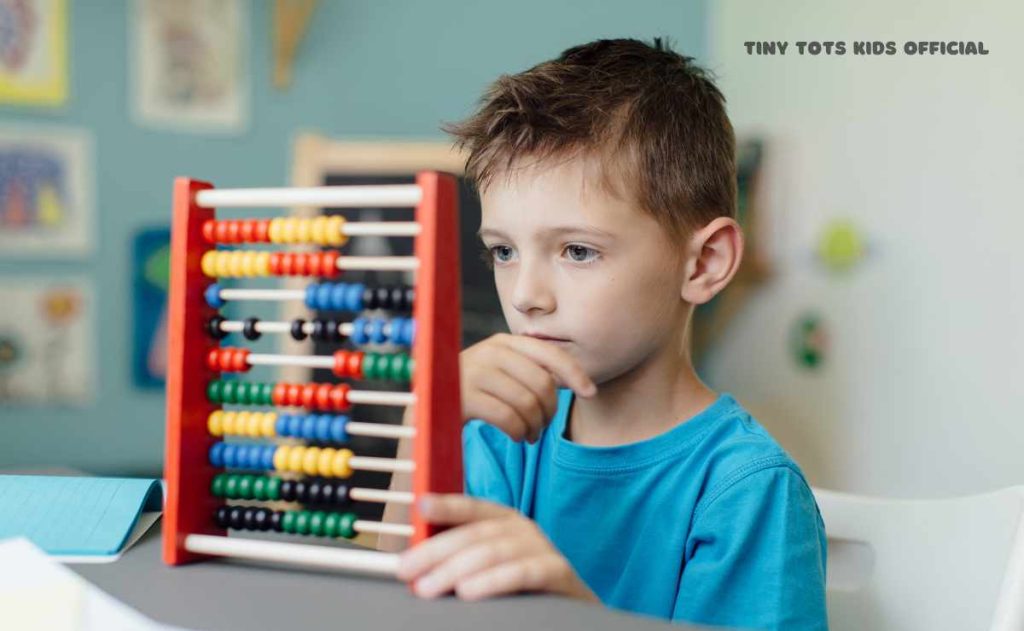
In the intricate world of puzzle-solving, curiosity stands as a fundamental strategy to refine cognitive skills. By going beyond rigid thought patterns and adopting an exploratory mindset, individuals open the door to new insights and possibilities. Curiosity drives us to question, seek information, and engage deeply with puzzles, generating a playground for the mind.
Consider the classic Rubik’s Cube. Solving it involves understanding its mechanics and experimenting with different twists and turns. By maintaining a curious approach, a solver will be motivated to delve deeper into the principles of the cube, like understanding algorithms that simplify its resolution.
- Ask Questions: Consider what principles govern the puzzle and drive the mechanics. How do these principles change if the puzzle complexity increases?
- Explore Alternatives: Think about how altering your viewpoint might change the outcome. Could a shift in perspective reveal an overlooked solution?
- Investigate Connections: Look for associations between unrelated concepts that might spark innovative solutions. How does the architecture of one type of puzzle inform others?
The magic of curiosity lies in transforming puzzle-solving into an engaging exploration, ripe with potential for cognitive expansion. By remaining inquisitive, one is constantly challenged to grow, maximizing mental stamina and adaptability.
4. Practice Divergent Thinking
Divergent thinking involves generating multiple solutions to a single problem. Unlike convergent thinking, where one looks for a single correct answer, divergent thinking supports creative exploration, which is crucial in puzzle-solving. This cognitive strategy encourages thinkers to break free from the conventional mold and explore multiple avenues.
Take, for instance, the famous lateral thinking puzzle, “The Man in the Elevator.” Rather than focusing on a direct narrative answer, divergent thinking involves exploring various scenarios and perspectives that could lead to the solution. Techniques such as brainstorming and mind mapping serve as excellent exercises to foster this kind of thinking, where every idea is worth considering.
Engagement in these practices enhances cognitive flexibility, allowing the mind to switch gears quickly and see diverse aspects of the puzzle, eventually leading to more creative solutions. As this cognitive skill sharpens, individuals find themselves better prepared to tackle varied and complex puzzles.
3. Collaborate with Others
The power of collaboration cannot be overstated in the realm of puzzle-solving. While solo problem-solving has its merits, collaborating with others can provokes a whirlwind of ideas that might otherwise remain unnoticed. Working with others provides fresh insights, pushing the boundaries of personal thinking.
Imagine a scenario where a group gathers to tackle an escape room puzzle. Different individuals bring unique experiences and insights, allowing the group to brainstorm more robust strategies. As members contribute varied perspectives, everyone benefits from the broadened scope of understanding, spurring individual and collective cognitive development.
Joining puzzle clubs or groups encourages discussions that spark creative exchanges and gain visibility into different problem-solving techniques. Collaboration fosters a learning environment where shared knowledge promotes cognitive growth far beyond what solo efforts might achieve.
2. Utilize Analogies
Analogies serve as a powerful tool in puzzle-solving by drawing parallels between seemingly unrelated domains. This strategic approach allows the transfer of knowledge and problem-solving techniques from one context to another, providing a fresh take on puzzles.
Consider the analogy between navigating a labyrinth and solving a complex computer programming issue. Both require systematic approaches and keen observation. By applying the strategic mindset used in labyrinth navigation to programming, solutions may emerge more readily.
Analogies stimulate cognitive agility by encouraging us to think outside the box, allowing us to break down complex problems into simpler, understandable components. This approach makes it easier to see connections and relationships that inform effective problem-solving strategies.
1. Cultivate a Growth Mindset
At the pinnacle of cognitive enhancement strategies is the cultivation of a growth mindset. This is a belief system that views intelligence and capabilities as attributes that can be developed through persistence, experimentation, and learning. Embracing this mindset transforms puzzle-solving into a platform for growth.
Utilizing a growth mindset means viewing challenges as opportunities for development. For example, when encountering a complex Sudoku puzzle, rather than being deterred by initial failures, a person with a growth mindset sees each attempt as a learning experience leading closer to mastery.
This attitude fosters perseverance and embraces the process of learning and experimentation, making it an indispensable tool for enhancing creative thinking skills. With a growth mindset, individuals are more apt to face difficulties with resilience and curiosity, striving not only for correct answers but for a deeper understanding of the process.
The integration of these strategies nurtures a more engaging and insightful puzzle-solving experience. By embracing curiosity, practicing divergent thinking, collaborating effectively, utilizing analogies, and fostering a growth mindset, individuals can significantly enhance their creative capabilities. This blend of approaches not only produces adept puzzle-solvers but also equips individuals with the mental fortitude necessary to navigate a broad spectrum of challenges. Delve into these strategies and witness your cognitive skills bloom into newfound strengths!
| Category | Description |
|---|---|
| Creative Thinking Techniques | Employing methods such as brainstorming and mind mapping encourages innovative solutions, vital for tackling tricky puzzles. |
| Problem-Solving Skills | Honing analytical abilities through puzzle engagement enhances one’s capacity to dissect complex issues into manageable parts. |
| Mental Flexibility | Training the brain to shift perspectives fosters resilience against cognitive roadblocks and inspires alternative approaches. |
| Inspiration Sources | Drawing ideas from diverse fields, such as art or science, enriches creativity, leading to unexpected solutions in problem-solving. |
The significance of creative thinking in puzzle-solving cannot be overstated. It is not merely about logical deduction; it also involves the ability to think outside the conventional parameters. Techniques like brainstorming can spark fresh ideas and lead to unique solutions. Another effective method is mind mapping, which visually organizes thoughts, promoting a deeper understanding of the puzzle’s elements and their relationships.Moreover, enhancing problem-solving skills through engaging with various types of puzzles serves as a practical exercise in critical thinking. By dissecting complex problems into smaller, more manageable components, individuals can develop a more systematic approach to challenges. This method fosters a proactive mindset, where each puzzle solved bolsters confidence and enhances overall cognitive functions.Furthermore, mental flexibility plays a crucial role in innovative problem-solving. By training the brain to adapt and shift perspectives, individuals can overcome cognitive blocks more effectively. Research shows that those who regularly engage in activities requiring mental adaptability, such as puzzles or strategic games, exhibit increased creativity and resilience.Lastly, diverse inspiration sources are invaluable for enriching the creative process. Engaging with different fields—be it art, mathematics, or literature—opens pathways to innovative thought. This cross-disciplinary exploration not only enhances problem-solving effectiveness but also cultivates a holistic approach to creativity that can lead to unexpected and ingenious solutions in everyday challenges.
DISCOVER MORE: Click here to unlock daily puzzle fun
Frequently Asked Questions about Creative Thinking in Puzzle Solving
How does creative thinking contribute to solving puzzles?
Creative thinking plays a crucial role in solving puzzles by allowing individuals to approach problems from unique angles. This capacity for innovative thought can lead to discovering unconventional solutions that a linear approach might overlook. By engaging different cognitive pathways, creative thinking not only enhances problem-solving skills but also makes the process more engaging and rewarding.
Can anyone develop creative thinking skills to improve puzzle-solving abilities?
Yes, anyone can nurture and develop creative thinking skills. With intentional practice, such as engaging in brain games, exploring new hobbies, or simply embracing challenges that require out-of-the-box solutions, individuals can enhance their cognitive flexibility. Like any other skill, improving creativity requires dedication and practice, turning regular activities into opportunities for creative exploration.
Are there specific strategies to boost cognitive abilities through puzzle solving?
Indeed, several strategies can be employed to boost cognitive abilities via puzzles. Techniques such as breaking problems into smaller parts, using analogies to draw connections, and encouraging a mindset that embraces failure as a learning tool can significantly contribute to cognitive development. Furthermore, switching up the types of puzzles can prevent cognitive monotony and foster a more adaptable thinking process.
What kinds of puzzles are best for enhancing creative thinking and cognitive skills?
Puzzles that push the boundaries of conventional thinking are ideal for enhancing creativity and cognition. These include logic puzzles, Sudoku, crosswords, and rubik’s cubes, among others. Each type encourages different skills, such as spatial reasoning, linguistic proficiency, and mathematical logic, thus stimulating various areas of the brain for a more comprehensive cognitive workout.
How does engaging in puzzle activities affect everyday problem-solving skills?
Engaging in puzzle activities can have significant positive effects on everyday problem-solving skills. Regular participation in such activities enhances focus, patience, and analytical thinking—skills that are directly transferrable to real-world scenarios. Additionally, by training the mind to persist until a solution is found, individuals often develop a more resilient approach to tackling challenges outside of puzzles.
DIVE DEEPER: Click here to discover more challenges
Conclusion
In navigating the intricacies of mind games and puzzles, the role of creative thinking stands out as a crucial component in enhancing cognitive skills. Through this exploration, several pivotal insights emerge. Firstly, engaging in puzzles demands not only analytical skills but also a flexible mindset that can adapt to unexpected challenges. This dynamic landscape encourages individuals to think beyond conventional boundaries, thereby expanding their mental frameworks.
Moreover, the diversity of puzzles serves as a fertile ground for developing and refining problem-solving strategies. By encountering various types and difficulties of puzzles, individuals enhance their ability to approach issues from multiple angles. This adaptability is not merely confined to the realm of mental exercises but translates into real-world applications, empowering individuals to tackle daily challenges with increased confidence and creativity.
The integration of creative thinking into problem-solving also fosters improved memory retention and concentration. As puzzles require focused attention and the ability to recall patterns or solutions, regular practice strengthens neural connections, ultimately benefiting overall cognitive health. Furthermore, embracing a mindset that welcomes experimentation and innovation can lead to personal growth, as individuals learn to value the process over outcomes.
This discussion underscores the potential of creative thinking in enhancing cognitive skills through puzzles, offering a versatile toolkit for both personal and professional development. The continuous interplay between creativity and critical thinking can lead to a more resilient and adaptable mindset. By engaging in mental challenges, we not only foster our intellectual capabilities but also cultivate a deeper appreciation for the art of thinking itself.
As we champion the importance of creative thinking in puzzle-solving, we invite readers to delve deeper, explore new puzzles, and experiment with innovative problem-solving strategies, thus enriching their cognitive journey.