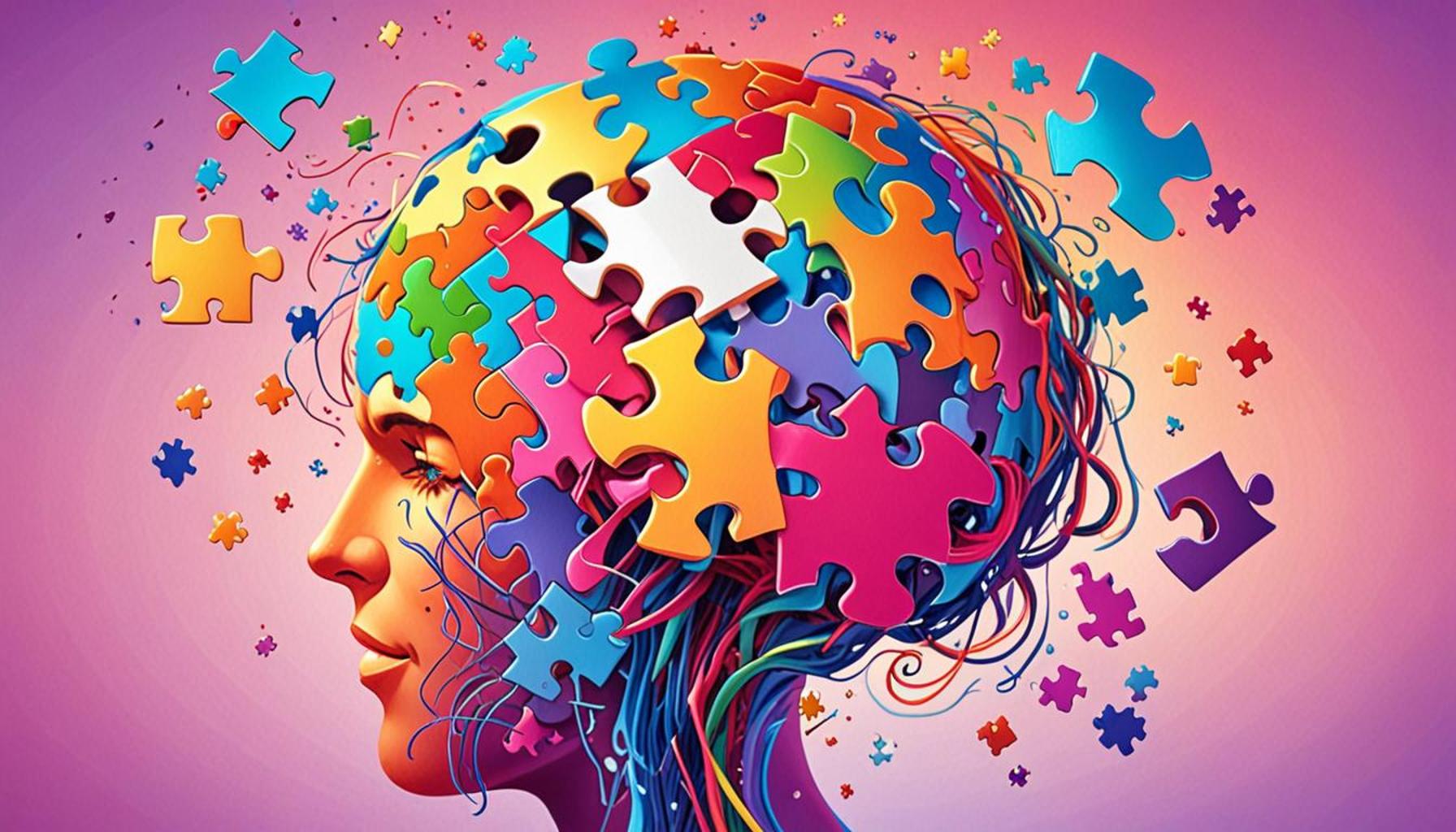
The Impact of Mind Games on Cognitive Flexibility
Understanding the Impact of Mind Games on Cognitive Flexibility
In a world where change is the only constant, the importance of adapting one’s thought processes cannot be overstated. Cognitive flexibility is the mental skill that enables individuals to switch perspectives, manage multiple tasks, and navigate complex scenarios. Mind games have emerged as an engaging and effective tool to sharpen this crucial ability, providing a valuable outlet for personal development.
Mind games come in various forms, each designed to stimulate different aspects of our cognitive faculties. Some popular categories include:
- Logic puzzles: Activities like Sudoku and crosswords challenge us to think critically and develop strategies for problem-solving.
- Strategic board games: Classics such as chess or Settlers of Catan require players to anticipate opponents’ moves, enhancing strategic thinking and foresight.
- Video games: Many modern video games, particularly those that demand real-time problem-solving, foster quick thinking and adaptability. Titles like Overwatch or Fortnite require players to react swiftly to changing circumstances.
- Word games: Engaging in games like Scrabble or Boggle can spark creativity and improve vocabulary, while also enhancing cognitive association skills.
Research has demonstrated a direct correlation between these activities and improved cognitive processes. For instance, a study published in the journal Frontiers in Human Neuroscience found that participants who regularly engaged in mind games showed heightened adaptability and resilience, important traits in both personal and professional settings. As individuals face challenges, the skills honed through mind games become increasingly impactful.
Regularly participating in mind games can lead to numerous benefits, including:
- Enhanced problem-solving skills: Players develop a keen sense of logic and reasoning that can be applied to real-world challenges.
- Improved decision-making: Many mind games require quick judgments and assessments, fostering more efficient choices in stressful situations.
- Greater emotional control: Engaging in competitive or strategic games can teach players to manage stress and anxiety, which are invaluable in everyday interactions.
As mind games gain traction in the United States, understanding their role in shaping cognitive frameworks is crucial for individuals seeking to boost their mental agility. These games are not merely a form of entertainment; they provide tangible benefits for adaptability and resilience in an ever-evolving world. By exploring different types of mind games, individuals can discover not only a new hobby but also a pathway to enhancing their cognitive skills and enriching their lives.
DISCOVER MORE: Click here to enhance your cognitive skills
The Mechanics Behind Mind Games and Cognitive Flexibility
The fascinating interplay between mind games and cognitive flexibility lies in their ability to simulate real-life challenges that require quick thinking and adaptability. By engaging in these mental exercises, individuals can train their brains to become more agile, opening doors to heightened awareness and enhanced problem-solving capabilities. Understanding how this transformation occurs is essential for anyone looking to capitalize on the benefits of mind games.
How Mind Games Enhance Cognitive Flexibility
At their core, mind games stimulate different cognitive processes, prompting the brain to create new neural pathways. This increased synaptic activity enhances the brain’s plasticity, which is vital for cognitive flexibility. Here are some key ways in which mind games contribute to this mental agility:
- Challenge Conventional Thinking: Mind games often require players to think outside the box, encouraging innovative solutions to complex problems. For example, a player encountering a tricky chess position must consider various strategies, fostering a mindset that embraces change and alternative perspectives.
- Boost Multitasking Skills: Many mind games demand that participants juggle several tasks simultaneously. Games like Overcooked, which require players to manage multiple cooking tasks under pressure, exemplify how juggling priorities can improve one’s ability to adapt quickly to shifting demands.
- Encourage Strategic Planning: The structure of many board games revolves around anticipating future moves and preparing accordingly. This strategic foresight translates to everyday life, where planning for different outcomes can significantly enhance decision-making capabilities.
- Promote Emotional Intelligence: Competitive mind games can create scenarios where emotional responses are tested. Learning to maintain composure while playing under pressure can lead to better emotional regulation in high-stress situations.
Research Supporting Cognitive Benefits
Numerous studies have illuminated the positive correlation between mind games and enhanced cognitive flexibility. A published study in the journal Psychological Science demonstrated that participants engaged in strategic games showed improved cognitive flexibility compared to those who did not play any mind games. The research indicated that after engaging in gameplay, individuals exhibited a greater ability to adapt to changing circumstances and respond effectively to new challenges.
Incorporating mind games into daily routines can yield lasting benefits. As more people in the United States turn to these engaging pastimes, it becomes clear that mind games are not only an entertaining diversion but also an essential tool in cultivating mental resilience and flexibility. By empowering individuals with the skills to adapt and thrive in various environments, they serve as a valuable resource for personal growth.
| Advantages | Impact on Cognitive Flexibility |
|---|---|
| Enhanced Problem-Solving Skills | Mind games foster new strategies and adaptive thinking, increasing the ability to tackle diverse challenges. |
| Increased Adaptability | Engaging in varied mind games cultivates the ability to shift between tasks and manage multiple concepts simultaneously. |
The intricate relationship between mind games and cognitive flexibility is becoming increasingly evident as studies demonstrate their efficacy in enhancing mental versatility. By regularly participating in puzzles, strategy games, and problem-solving activities, individuals experience significant improvements in their cognitive processes. With an emphasis on dynamic thinking, mind games challenge players to move beyond traditional patterns, thereby developing deeper analytical abilities.Furthermore, fostering cognitive flexibility through mind games may lead to greater emotional resilience. Players often encounter setbacks as they navigate complex scenarios. This exposure not only boosts perseverance but also aids in developing a growth mindset, whereby failures are viewed as opportunities for improvement. As cognitive flexibility deepens, so do communication and collaboration skills, yielding benefits in both personal and professional domains. Through the exploration of this intersection, we uncover new ways to approach mental fitness and holistic cognitive development.
DISCOVER MORE: Click here to dive deeper into problem-solving skills
Real-World Applications of Enhanced Cognitive Flexibility
As the benefits of mind games become increasingly evident through research, it is essential to examine how enhanced cognitive flexibility translates into real-world applications. The ability to adapt and thrive amidst challenges is not confined to gameplay; it extends into various aspects of everyday life, including education, the workplace, and personal relationships.
Cognitive Flexibility in Education
The education sector is witnessing a growing emphasis on developing students’ cognitive skills, and mind games are being integrated into curricula as a tool for enhancing problem-solving abilities. For instance, educators are using games like Sudoku and puzzles in classrooms to foster critical thinking among students. Research has shown that children who engage in these activities consistently outperform their peers in standardized tests that require adaptability and reasoning.
Moreover, educational institutions are increasingly adopting game-based learning platforms. Programs that meld educational content with interactive gameplay not only enhance student engagement but also promote the development of cognitive flexibility. In a study conducted in Chicago schools, students who participated in game-based exercises demonstrated a remarkable ability to shift their thinking and adapt to new learning scenarios, leading to improved academic performance.
The Workplace: Cultivating Adaptability
In the modern workplace, the significance of cognitive flexibility cannot be overstated. Organizations are prioritizing staff training programs that incorporate mind games to boost adaptability among employees. For example, team-building exercises that involve strategy-based gaming challenge employees to collaboratively tackle problems, enhancing their ability to pivot and innovate under pressure. A Fortune 500 company recently unveiled an initiative that integrates board games into training sessions, resulting in noticeable improvements in teamwork and productivity among employees.
Furthermore, the fast-paced nature of today’s work environment necessitates a workforce that can adjust quickly to changing demands. A cognitive flexibility training program implemented by a tech giant revealed that participants not only improved their problem-solving skills but were also more equipped to manage stress and uncertainty—key attributes that drive success in high-stakes situations. Thus, mind games become tools that prepare employees for real-world challenges, enhancing both individual and collective performance.
Navigating Personal Relationships
Mind games and their ability to enhance cognitive flexibility can also significantly impact personal relationships. The practice of engaging in games that require negotiation and strategy can promote understanding and empathy among partners. For example, games like Codenames or collaborative board games encourage players to see situations from multiple perspectives, a skill that can translate into more constructive communication in relationships.
Moreover, studies suggest that individuals with enhanced cognitive flexibility are better at resolving conflicts. A survey conducted with couples indicated that those who frequently participated in logic games reported higher satisfaction levels in their relationships, citing improved problem-solving skills and the ability to navigate disagreements more effectively.
As the integration of mind games into various facets of life deepens, it’s clear that enhancing cognitive flexibility through these mental exercises can lead to considerable advancements in one’s capability to adapt, solve problems, and manage relationships effectively. The implications extend far beyond mere entertainment, suggesting a profound influence on personal and professional growth.
DISCOVER MORE: Click here to learn the truth behind cognitive games
Conclusion: The Transformative Power of Mind Games
In summary, the exploration of mind games and their impact on cognitive flexibility reveals profound implications across various domains of life. From educational settings where engaging in problem-solving games can enhance students’ adaptability and critical thinking skills, to workplaces implementing strategy-based exercises that foster innovation and teamwork, the benefits of these mental activities are both measurable and monumental. Furthermore, in personal relationships, the ability to navigate complex emotional landscapes and communicate effectively is bolstered by the insights gained through strategic play.
The research and anecdotes presented underscore an intriguing truth: cognitive flexibility is not merely an academic concept, but a pivotal skill that influences one’s overall well-being and success in a fast-evolving world. As individuals engage with mind games, they are not just playing; they are training their brains for greater adaptability, resilience, and problem-solving prowess. This growing recognition of mind games as tools for personal and professional development invites further exploration and integration within our daily routines.
As we continue to unpack the potential of these mental exercises, it is essential for educators, employers, and individuals alike to champion the role of mind games in fostering a more flexible, innovative, and empathetic society. Ultimately, the impact of mind games on cognitive flexibility serves as a testament to the power of play in cultivating a more adept human experience.