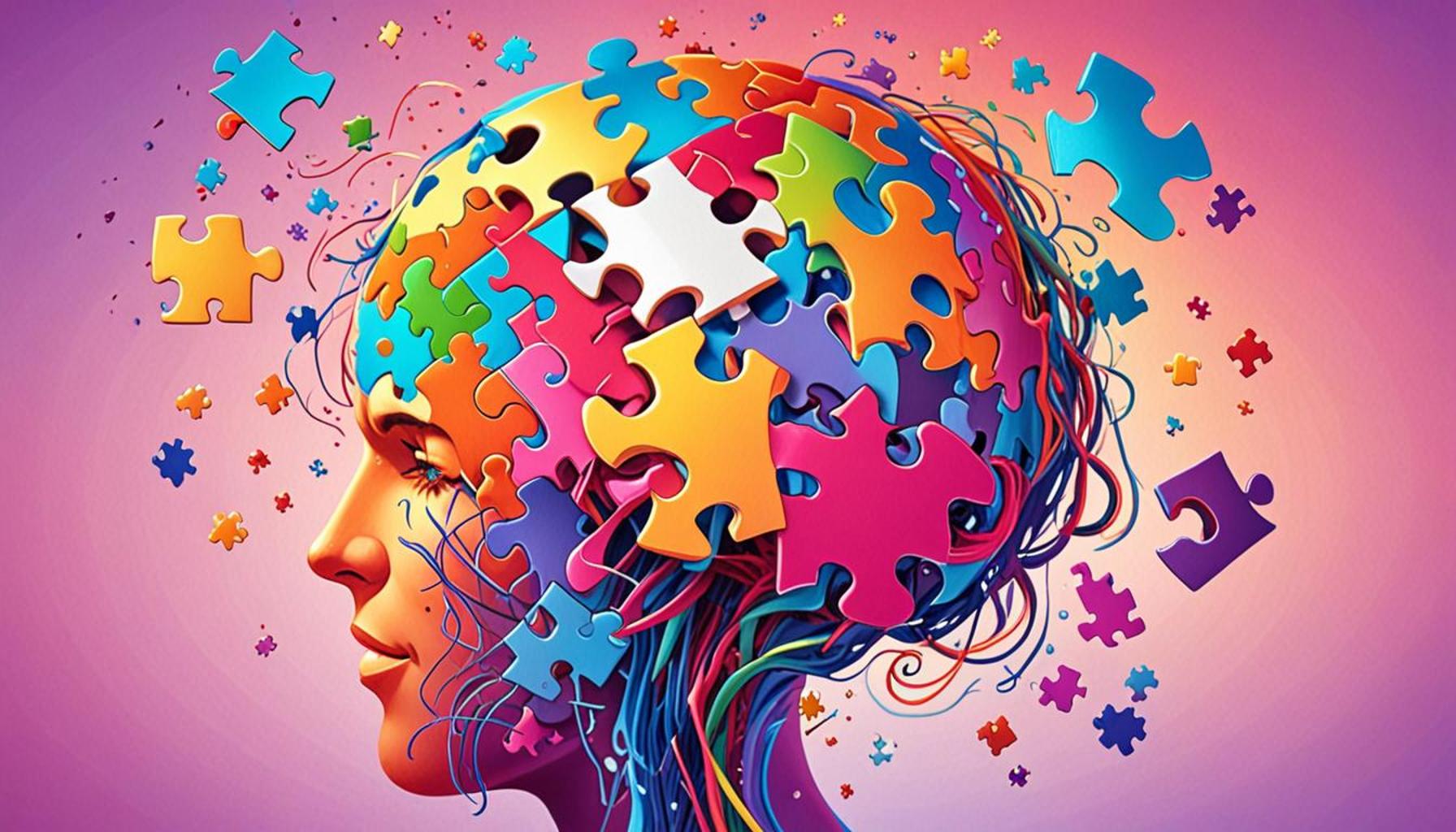
How Digital Mind Games Are Transforming Problem-Solving Skills
The Growing Popularity of Digital Mind Games
In an age dominated by technology, digital mind games have emerged as more than just entertainment. They are powerful tools that can enhance our problem-solving skills and cognitive abilities. Combining fun with mental exercise, these games offer a unique approach to developing critical thinking, creativity, and analytical prowess.
Types of Games
- Puzzle Games: These include Sudoku, crosswords, and jigsaw puzzles that challenge users to think logically and recognize patterns.
- Strategy Games: Games such as chess, StarCraft, and various simulation games require players to plan ahead, manage resources effectively, and anticipate opponents’ moves.
- Brain Teasers: Riddles and logic puzzles stimulate lateral thinking and sharpen problem-solving skills in engaging ways.
Benefits of Digital Mind Games
Engaging with these games yields a plethora of benefits. Research indicates that players often see improved memory, enhanced concentration, and sharper decision-making skills. These cognitive workouts can be particularly beneficial for older adults, helping to stave off cognitive decline, while also appealing to younger audiences seeking enjoyable mental challenges.
Who Benefits?
The target audience for digital mind games is vast, encompassing individuals of all ages—from children who are developing foundational skills to seniors looking to maintain mental agility. For instance, educators are increasingly utilizing these games in the classroom to foster a love for learning while simultaneously enhancing students’ critical thinking abilities.
Research Insights
Statistical evidence supports the theory that engagement leads to cognitive improvement. A recent survey found that 70% of participants reported increased confidence in their problem-solving abilities after consistent gameplay. This boost in self-efficacy can lead to better performance in both academic and professional settings.
Real-World Applications
Moreover, professionals in high-stakes fields such as engineering, medicine, and law are turning to these games as innovative training tools. For instance, engineers use simulation games to devise complex systems, while medical students may leverage puzzle-based games to improve diagnostic skills. These real-world applications underscore how crucial cognitive training has become across various industries.

The Future of Cognitive Skill Development
As we delve deeper into the world of digital mind games, we will explore how these interactive experiences are reshaping traditional methods of developing problem-solving skills. The seamless integration of technology with brain training not only provides entertainment but also paves the way for smarter solutions to everyday challenges. Whether you are a casual gamer or a serious strategist, there has never been a better time to explore the mental benefits these digital tools can offer.
DISCOVER MORE: Click here to enhance your focus and memory
The Mechanics Behind Digital Mind Games
Understanding how digital mind games sharpen our problem-solving skills requires a closer look at the mechanics that drive these engaging experiences. At the core of these games is a blend of challenges that stimulate cognitive processes, encouraging players to think critically and strategically.
Cognitive Engagement Through Game Design
Digital mind games are designed to captivate and maintain players’ attention, often by introducing progressively challenging levels or unexpected twists. This mechanic allows for not just simple gameplay but an immersive experience that fosters critical thought. Some of the most effective cognitive development comes from engaging with games that require players to:
- Analyze Information: Players must evaluate various pieces of information to make informed decisions. For example, puzzle games often present scenarios where players must analyze patterns to solve problems.
- Develop Strategies: Strategy games, like chess or Clash of Clans, compel participants to formulate intricate strategies, rewarding them for forward-thinking and adaptability.
- Make Quick Decisions: Many digital mind games, particularly action-oriented ones, require snap judgments, allowing players to enhance their decision-making skills under pressure.
Enhancing Neural Pathways
Research indicates that the brain is highly adaptable, capable of forming new connections and pathways—a phenomenon known as neuroplasticity. Digital mind games capitalize on this concept, fostering conditions that promote cognitive growth. As players engage with increasingly challenging scenarios, their brains create new neural pathways, which may subsequently enhance their ability to approach real-world problems with a fresh perspective.
Gamification of Learning
The concept of gamification—integrating game-like features into non-game scenarios—has taken root in educational settings, transforming the way problem-solving skills are taught. By incorporating digital mind games into the learning environment, educators are able to:
- Encourage Collaboration: Many digital games allow for multiplayer modes, promoting teamwork and encouraging students to solve problems collectively.
- Track Progress: With analytic tools embedded in these games, players can see their improvements over time, providing motivation and reinforcing learning.
- Apply Learning in Real-Time: Through simulation games, players can practice skills in lifelike situations, effectively marrying theory with practice.
Continuous Growth and Adaptation
As players immerse themselves in these interactive experiences, they experience a continuous cycle of growth—challenging themselves to improve and adapt their strategies. This ongoing evolution not only enhances their gaming abilities but translates seamlessly into real-life problem-solving situations. The continuous transformation that occurs through these games reveals just how profoundly digital mind games can influence our cognitive capabilities.
In the next segment, we will dive deeper into how these cognitive enhancements are not just limited to individual improvement, but can also significantly impact various aspects of our daily lives, from career advancements to personal decision-making.
How Digital Mind Games Are Enhancing Cognitive Development
Digital mind games have rapidly surged into the realm of cognitive enhancement, transforming not just individual problem-solving skills but also how groups of people facilitate decision-making processes. These games take various forms, ranging from puzzles and logic games to simulation-based challenges that mimic real-world scenarios. The evolutionary nature of these games drives engagement and fosters complex cognitive functions, making them a powerful tool in today’s digital learning landscape.One of the major advantages of engaging in digital mind games is the enhancement of critical thinking abilities. When players face puzzles that require strategy and foresight, they are prompted to analyze situations systematically. This practice not only develops their ability to make decisions under pressure but also encourages a structured approach to solving problems. Players must consider various outcomes and plan their moves accordingly, leading to improved foresight in real-life situations.Moreover, the social aspect of digital mind games cannot be understated. Many of these games encourage collaboration and competition among players, leading to enhanced communication skills. Participants often engage with others to solve challenges, share strategies, or compete in leaderboards. This interaction helps hone their ability to articulate thoughts and negotiate with teammates, vital skills that are transferable to both academic and professional environments.To illustrate the impact of digital mind games on problem-solving skills, a study conducted by the University of Michigan found that participants who played strategy-based games displayed a 30% higher improvement in problem-solving tests compared to those who did not engage in such activities. This numerical evidence highlights how these mind-enhancing games can lead to measurable changes in cognitive abilities.As we explore the plethora of digital mind games options available, their potential becomes even clearer. With genres spanning from Sudoku to complex role-playing games, each presents unique challenges that cater to varying skill levels and learning styles, making the evolution of cognitive development accessible and engaging. Embracing this digital evolution can lead individuals to reimagine their approach to problem-solving and cognitive growth.
| Advantage | Description |
|---|---|
| Enhanced Critical Thinking | Games require strategic analyses, encouraging players to plan and foresee outcomes. |
| Improved Collaboration | Multiplayer features enhance communication and negotiation skills within teams. |
As digital mind games continue to evolve, their role in education and professional environments becomes increasingly significant. By integrating these engaging tools into daily routines, individuals of all ages can cultivate robust problem-solving skills to navigate the complexities of the modern world.
DISCOVER MORE: Click here to find out how puzzles can help you unwind
Unlocking Real-World Applications of Cognitive Skills
The skills honed through digital mind games extend far beyond the confines of the gaming screen, having profound implications for problem-solving in everyday life. As players engage with challenges that require analytical thinking, strategy formulation, and quick decision-making, they simultaneously prepare themselves to tackle real-world scenarios, boosting competencies in various domains.
Impact on Professional Environments
In the fast-paced world of business, digital mind games can be a powerful catalyst for enhancing workplace problem-solving skills. For instance, games that simulate market dynamics require players to make strategic choices while competing against others or the clock. Such experiences not only develop critical thinking but also teach adaptability, as players must pivot their strategies in response to emerging challenges. A survey conducted by the American Management Association found that companies utilizing gamification in training reported a 30% increase in employee engagement and effectiveness in problem-solving tasks.
Improving Personal Decision-Making
Digital mind games also encourage players to sharpen their personal decision-making skills. For example, simulation games like FarmVille or The Sims compel players to manage resources effectively and strategize long-term goals, paralleling real-life scenarios such as budgeting or time management. The ability to forecast outcomes based on available information in games fosters a more analytical approach when facing personal choices, from financial investments to relationship decisions.
Bridging Generational Gaps
Another notable benefit of digital mind games is their capacity to bridge generational gaps in problem-solving approaches. Family-oriented games often encourage members from different generations to collaborate, sharing differing perspectives and strategies. Games like Uno Flip or Words With Friends facilitate multi-generational interactions, promoting teamwork and collective problem resolution. This collaboration can be particularly beneficial within a family context, as older generations can pass on their experiences while younger individuals introduce modern skills and insights.
Transforming Education Beyond the Classroom
In educational contexts, there has been a growing trend to harness digital mind games for skill development beyond traditional learning environments. Schools and institutions are now incorporating these games into their curricula, shaping students to be more adept at problem-solving. For instance, platforms offering coding challenges invite students to engage in logical reasoning, while escape room simulations encourage critical and creative thinking among peers. A report from the National Center for Education Statistics emphasized that students who engaged with educational games exhibited a 15% higher retention rate of complex concepts compared to those who learned through traditional methods.
Fueling Lifelong Learning and Adaptability
Perhaps one of the most crucial aspects of digital mind games is their role in fostering a mindset geared towards lifelong learning and adaptation. As players navigate a multitude of challenges, they learn to embrace failure as a stepping stone, realizing that mistakes provide valuable insights. This growth mindset is invaluable in today’s rapidly evolving world, where the ability to adapt to new experiences and change is a vital asset. The adaptability cultivated through these games not only prepares players for immediate problem-solving but also equips them with resilience, essential for future challenges.
As we continue to explore the transformative effects of digital mind games, the intersection between cognitive enhancement and practical applications in diverse settings will reveal even more nuanced benefits, paving the way for deeper insights into how these digital experiences are reshaping our problem-solving capabilities.
DISCOVER MORE: Click here to learn how memory games can enhance your daily life
Conclusion: The Future of Problem-Solving Skills in a Digital Age
In conclusion, the impact of digital mind games on problem-solving skills is far-reaching and transformative, influencing not just the gaming realm but also shaping the way individuals approach challenges in various aspects of life. Through the exciting blend of analytical thinking, strategic planning, and quick adaptation demanded by these games, players cultivate essential competencies that are directly applicable in professional, personal, and educational contexts. As studies underscore the benefits of gamification, with up to a 30% increase in workplace engagement and effectiveness, it becomes clear that these tools are not merely leisure activities but powerful learning experiences.
The bridging of generational gaps and enhancement of lifelong learning through collaborative play further illustrates the interpersonal advantages of digital mind games. Families interacting through these games not only strengthen their bonds but also foster an environment of shared knowledge and diverse perspectives, ultimately enriching the problem-solving process. As educational institutions increasingly integrate gaming elements into their curricula, we witness a paradigm shift towards more engaging, effective learning methods that resonate with the needs of modern students.
The dynamic nature of digital mind games equips individuals with resilience and a growth mindset, essential traits for navigating the complexities of today’s fast-paced, ever-evolving world. As these games continue to evolve, so too will their potential to refine our cognitive abilities, encouraging a new generation to embrace challenges with creativity and confidence. By acknowledging and harnessing the benefits of digital mind games, we stand at the forefront of a revolution in cognitive development, where problem-solving skills are not just learned but invigorated and transformed.