The Impact of Social Engagement in Memory Games: Building Connections While Boosting Recall
The Cognitive and Social Benefits of Memory Games
As modern life races ahead with technology driving us into ever busier schedules, the pursuit of ways to enhance cognitive abilities has become increasingly essential. Among the myriad of techniques available, memory games stand out for their effectiveness in promoting mental agility while doubling as a medium for social interaction. Their unique design not only sharpens recall abilities but also cultivates meaningful connections among players, fostering an environment that enriches engagement and learning.
One of the most significant advantages of incorporating social engagement into memory games is increased motivation. For instance, a group of friends gathered for a game night might find themselves more eager to play and practice memory games compared to when they are playing alone. The dynamics of competition and cooperation can ignite enthusiasm, making practice feel less like a chore. The competitive spirit often found in such settings encourages players to return for more, guiding them on a consistent path to improvement.
Furthermore, the shared experiences during gameplay contribute to enhanced cognitive skills. Memory games often require players to recall patterns, identify similarities, and strategize moves. Participating in groups can introduce diverse gameplay approaches that stimulate different cognitive pathways. For example, setting a game’s time limit or introducing specific rules can transform the basic mechanics into a more challenging endeavor. This often results in deeper processing of the information involved, thereby bolstering memory retention.
Moreover, social bonding plays a vital role in the total memory game experience. Engaging in these games with friends or family establishes a sense of community that can enhance one’s enjoyment. Celebrating small victories or sharing frustration over near misses promotes camaraderie and encourages open communication. This kind of atmosphere not only enriches the gaming experience but also fosters lasting relationships that extend beyond the game itself.
Studies have shown that our brains release neurotransmitters such as dopamine during positive interactions, which can amplify both recall and retention of information. This means that the joy and laughter shared over a memory game can lead to an improved learning environment, where players feel comfortable to take risks and explore new challenges. Understanding this connection invites players to embrace memory games not just as tools for mental exercise, but as gateways to deeper, more meaningful relationships.
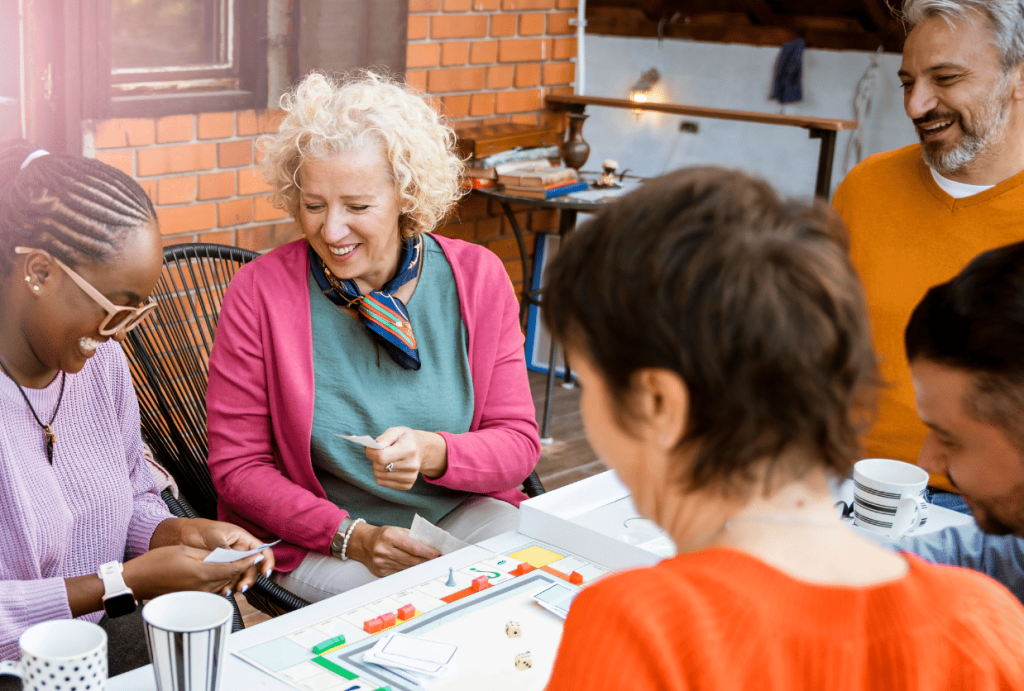
In conclusion, the intersection of memory games and social interaction presents an intriguing opportunity for both personal development and social engagement. As we continue to explore this subject, it becomes clear that integrating social elements into how memory games are played can yield profound benefits on multiple levels, ultimately creating an enriching experience that stimulates the mind and strengthens bonds. Whether it’s a casual family game night or a friendly competition among colleagues, the potential for growth and connection is immeasurable. So the next time you think of sharpening your memory, consider inviting others to join in on the fun; the results might surprise you.
DISCOVER MORE: Click here to enhance your memory and focus
Exploring the Connection Between Memory Games and Social Interaction
Memory games have evolved from simple pastimes into powerful tools for enhancing cognitive skills while simultaneously fostering social bonds. Taking a closer look at how social engagement influences memory game performance reveals fascinating insights into both psychology and community-building. At the core of this phenomenon lies a unique interplay between cognitive development and human connection that can enrich our lives in numerous ways.
To understand the true impact of social engagement in memory games, we can delve into several key aspects:
- Enhanced Cognitive Flexibility: When players engage socially, they are often faced with diverse strategies and perspectives. This exposure to varying approaches not only makes the game more interesting but also encourages players to adapt their thinking and problem-solving skills. Studies show that cognitive flexibility is an essential component of effective memory recall, and social settings provide the stimulation necessary for its growth.
- Improved Memory Recall: Engaging in moments of laughter and joy can be beneficial for memory retention. Social interactions, whether through friendly banter or shared triumphs, can serve as positive reinforcement that encourages players to remember game mechanics better. The context in which we learn information—especially one that includes emotional connection—can dramatically influence how effectively we remember it.
- Mood Elevation and Brain Health: The act of playing memory games in a group can naturally uplift moods and promote the release of neurotransmitters such as oxytocin, serotonin, and dopamine. These chemicals play an essential role in regulating emotions and may enhance learning capabilities. Therefore, incorporating memory games into social gatherings not only has cognitive benefits but can also contribute to overall well-being.
Furthermore, the act of participating in memory games often promotes healthy communication among peers. Players may express their thoughts aloud, exchange strategies, and share experiences, allowing each person to learn from one another. This collaborative environment fosters a sense of belonging, which is crucial for emotional support, especially in today’s fast-paced society.
It’s also essential to note that different types of memory games can cater to various social dynamics. For instance, games that involve teamwork not only require players to collaborate but also enable them to build trust and understanding, creating solid foundations for lasting friendships. Conversely, competitive memory games can stimulate a healthy rivalry that sharpens focus and performance. Understanding these dynamics allows individuals to select games that align well with their social goals and group dynamics.
In essence, the convergence of social engagement and memory games is more than an entertaining pastime—it serves as a framework for enhancing cognitive function and building connections. This dual benefit encourages individuals to think critically about how they can incorporate memory games into both their leisure time and their personal development strategies. As we explore this captivating intersection further, it becomes clear that these games are invaluable tools for both mental exercise and cultivating deeper relationships.
The Role of Social Interaction in Enhancing Memory
Social engagement has proven to be a powerful tool in the realm of memory enhancement. When players participate in memory games, the interactions that arise not only strengthen relationships but also catalyze cognitive functions critical for recall. Engaging with others during gameplay can lead to heightened excitement and motivation, often transforming a simple game into an immersive experience. This social dynamic is crucial in creating a supportive environment where players feel encouraged to share strategies, tips, and personal anecdotes related to memory improvement.Research suggests that collaboration in memory tasks can significantly boost recall. When individuals discuss their thought processes or share reflections on their gaming experiences, they are likely to reinforce their memory pathways. This collaborative effort not only solidifies the learning process but also enhances the emotional and social connections between players.Furthermore, memory games that emphasize teamwork or cooperative strategies allow players to leverage each other’s strengths. Such engagements lead to innovative problem-solving tactics, as team members find unique ways to tackle challenges together. This synergy can markedly improve performance, as the combined efforts of a socially engaged group often result in heightened recall abilities.Incorporating feedback from peers during gameplay also contributes to a rich learning experience. As players navigate through memory games, they can receive immediate input, which serves to deepen their understanding and retention of information. The interaction is beneficial, but it is also essential to recognize how it fosters a sense of belonging and community among participants.In conclusion, the impact of social engagement in memory games extends beyond the immediate amusement of play. By building connections, players not only enhance their recall abilities but also enrich their social bonds. Remember, the value of these experiences lies in the connections made and the memories built together.
DISCOVER MORE: Click here to unlock strategies for better memory and concentration
The Role of Community in Enhancing Memory Game Experiences
As we delve deeper into the relationship between social engagement and memory games, it’s essential to examine how community involvement amplifies the benefits of both memory enhancement and social bonding. The sense of belonging experienced within a community can significantly influence performance in these games, ultimately leading to improved cognitive skills and emotional health.
Communities often organize events centered around memory games, ranging from local game nights to larger competitions. These gatherings do more than just provide entertainment; they create a platform for players to connect and engage with one another on multiple levels. Research suggests that social connections positively affect memory functions, as the interactions help stimulate the brain and reinforce learning processes. This phenomenon highlights the importance of communal practices in enhancing the effectiveness of memory games.
Furthermore, engaging in memory games within a community can build a support network that promotes continuous learning. For example, players who frequently collaborate on memory challenges can develop shared strategies that are more effective than solitary practice. By exchanging tips, insights, and even failures in a playful environment, individuals reinforce their memory skills while reducing the stress often associated with learning.
Generational Interactions and Memory Games
One particularly profound aspect of social engagement in memory games is the intergenerational interaction they inspire. Events where younger individuals teach older adults and vice versa can yield surprising cognitive benefits. Younger players often introduce innovative methods, while older participants bring wisdom and experience, creating a unique educational exchange. This cross-generational approach not only strengthens familial ties but also enriches the cognitive capabilities of all involved.
Studies show that social engagement in these mixed-age groups can even lead to improved memory function among seniors, who may otherwise face age-related cognitive decline. Games serve as a bridge that fosters cooperation and understanding—a vital link that underpins effective communication across ages.
The Psychological Benefits of Shared Experiences
The psychological effects of participating in memory games as a group further emphasize their benefits. Shared laughter, moments of friendly competition, and collaborative problem-solving can lead to heightened feelings of happiness and fulfillment. The emotional engagement derived from playing alongside friends or family members can enhance neural connections related to memory retention, thus amplifying learning potential.
Moreover, these interactions can help alleviate feelings of isolation, a growing concern in many communities today. By championing memory games, individuals can cultivate a supportive environment where people gather, share, and uplift one another—crucial for mental health and well-being. As more people recognize the importance of social connections, the inclusion of memory games as a tool for building such bonds can lead to more cohesive and interconnected communities.
Additionally, research continues to emerge that highlights the neuroplasticity benefits associated with engaging in memory games in social settings. Neuroplasticity, the brain’s ability to reorganize itself by forming new neural connections, is greatly influenced by environmental factors, including social interactions. The more diverse the experiences players share, the stronger their cognitive functions become, leading to improved memory performance.
Ultimately, the intersection of social engagement and memory games presents a rich tapestry of cognitive and emotional growth. As communities continue to embrace this powerful combination, individuals stand to gain not just sharper memories but also deepened relationships—an invaluable outcome in today’s world.
DISCOVER MORE: Click here to enhance your skills
Conclusion
In summary, the interplay between social engagement and memory games is an enlightening subject that underscores the vital importance of community and shared experiences in improving cognitive functions. Through various forms of interaction, from local game nights to intergenerational activities, memory games serve as a catalyst for deeper connections. These social gatherings not only enhance players’ recall abilities but also foster a sense of belonging and camaraderie that is essential for emotional well-being.
The evidence indicating the positive effects of social connection on memory retention is compelling. By engaging with others, players unlock new strategies, share insights, and enjoy collaborative problem-solving, while also benefiting from increased neural activity that promotes neuroplasticity. The generational interactions seen in these settings further enrich both the younger and older participants, creating a mutually beneficial dynamic that strengthens family bonds and community ties.
As mental health concerns continue to rise, incorporating memory games into social routines can be a powerful approach to combatting isolation and promoting mental wellness. The laughter and joy found in friendly competition not only enhance happiness but also serve a therapeutic purpose. In an age where technology often displaces face-to-face interaction, the revival of such engaging experiences can lead to more cohesive and resilient communities.
Ultimately, the impact of social engagement in memory games extends far beyond cognitive improvement; it builds bridges of understanding and compassion that enhance the fabric of society. As we recognize and embrace these multifaceted benefits, we open the door to a world where our memories are sharper, our connections are stronger, and our communities are united.