The Influence of Age on Memory Boosting Strategies: Tailoring Puzzles for Different Generations
Understanding Memory Across Generations
Memory plays a crucial role in our daily lives, influencing how we learn, socialize, and navigate our world. In an era marked by rapid technological advancements, the way we remember and process information is not uniform among different generations. As individuals age, their cognitive abilities and memory retention often shift, prompting the need for tailored memory boosting strategies. This article explores how different generations can benefit from unique puzzle-based approaches.
Why Age Matters in Memory
Age significantly affects the way we process and retain information. Understanding these differences is essential for developing effective memory enhancement techniques.
- Cognitive Decline: With age, some older adults may notice a decline in cognitive speed, which can affect their ability to absorb new information quickly. Conditions such as mild cognitive impairment may also arise, making memory retention a challenge in day-to-day life.
- Learning Styles: The preferences in learning methods often differ across generations. Younger individuals are typically more adept at using technology and digital resources for learning, often favoring interactive apps that engage them through multimedia elements. Meanwhile, older adults may gravitate towards traditional methods, such as reading books or solving physical crossword puzzles, which offer familiar comfort and cognitive stimulation.
- Experience and Knowledge: Older adults possess a wealth of life experiences that enhance their problem-solving abilities. This experiential knowledge can allow them to make connections more quickly, providing a unique advantage when tackling complex puzzles or real-life challenges.
Personalizing Puzzle Strategies
To harness the power of memory across generations, tailoring puzzles can significantly enhance cognitive function for all ages. Customized strategies not only cater to individual preferences but also make the puzzles more engaging and beneficial.
- Age-Appropriate Puzzles: Selecting puzzle styles that resonate with specific age groups can make a considerable impact. For instance, crosswords and Sudoku may be more appealing to seniors, while younger generations might enjoy complex digital escape rooms or mobile gaming puzzles that incorporate storytelling elements.
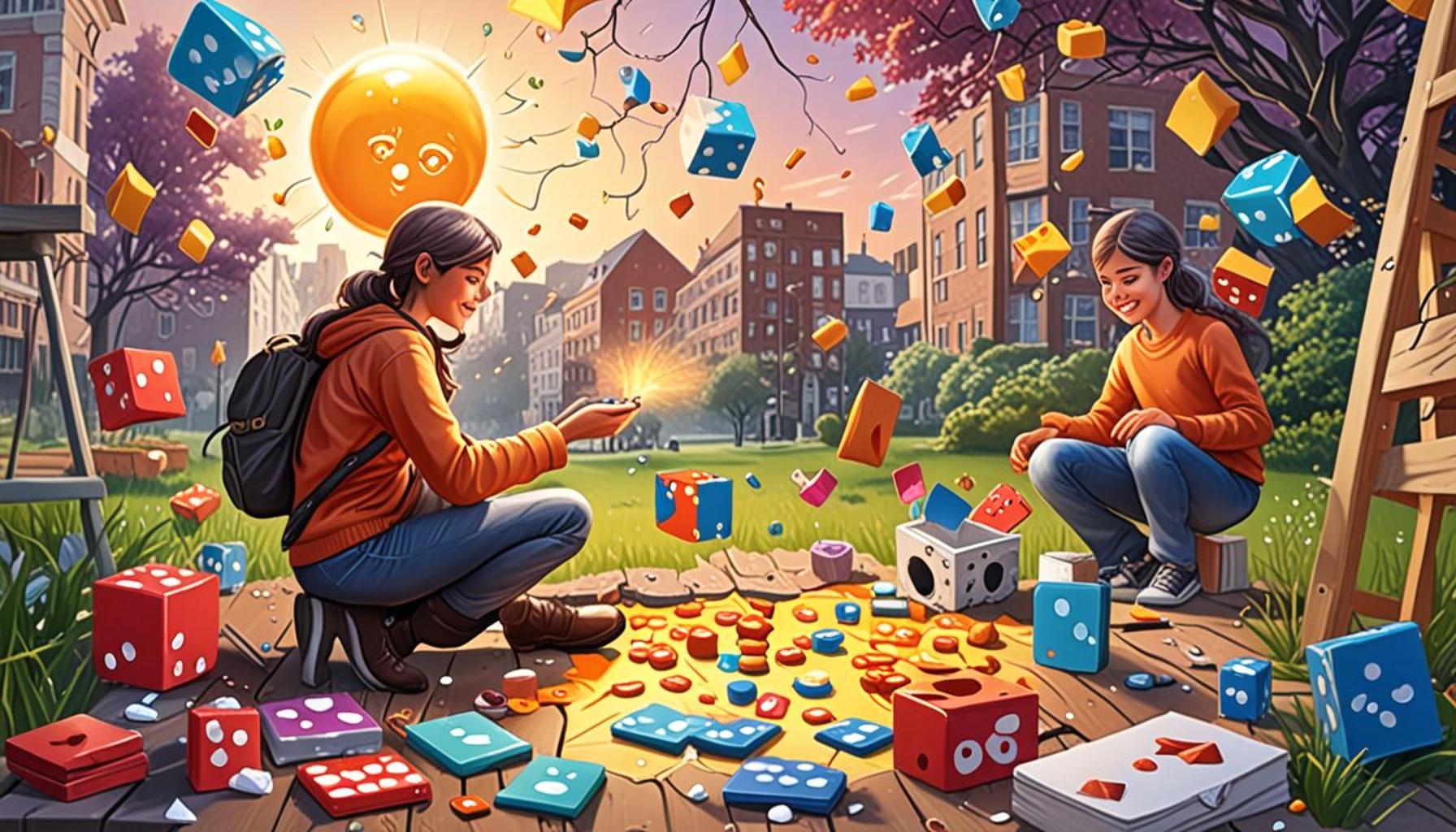
- Social Engagement: Collaborative puzzle-solving can be a fun way to encourage familial bonding. Activities such as family game nights can leverage teamwork in solving jigsaw puzzles or trivia, thereby fostering social connections and diminishing feelings of isolation, particularly among older individuals.
- Varied Difficulty Levels: Providing puzzles with adjustable complexity ensures that participants are adequately challenged without feeling overwhelmed. Tailoring difficulty levels encourages progress, spikes motivation, and enhances cognitive stamina.
Understanding these dynamics can lead to more effective memory-boosting activities tailored specifically for each age group. By integrating these insights into everyday life, individuals can explore engaging and enjoyable ways to improve cognitive function across generations. Embracing these strategies could not only enhance memory retention but also promote intergenerational engagement and understanding, allowing families to connect more deeply than ever before.
DIVE DEEPER: Click here to uncover the secrets
Differentiating Puzzle Approaches by Age Group
As we delve deeper into the relationship between age and memory enhancement, it becomes increasingly clear that the design of puzzle-based strategies can yield varied results, highly dependent on the generation involved. The *concept of memory retention* is not a one-size-fits-all model; it’s complex and requires a nuanced understanding of cognitive development and preferences across different stages of life.
Children to Young Adults: Embracing Digital Puzzles
For the younger demographic, from children to young adults, the integration of technology into their daily activities has drastically shifted the way they engage with memory games. Research indicates that individuals aged 6-25 often possess a propensity for interactive and multimedia-rich puzzles. These formats not only hold their attention longer but also foster deeper engagement. Here are some captivating options that resonate well with this age group:
- Interactive Gaming: Many young people gravitate towards mobile apps that challenge their skills through captivating storytelling and vibrant graphics. Games like “Lumosity” or “Elevate” make memory training exciting and adaptive, providing a fresh approach to cognitive enhancement.
- Online Escape Rooms: The rise of virtual escape rooms allows teams of friends or classmates to collaboratively solve puzzles in real-time via Zoom or dedicated platforms. This fosters not only memory skills but also teamwork and communication.
- Educational Apps: Designed with a mix of fun and learning, apps like “Prodigy” and “Kahoot!” involve puzzles that motivate students to enhance their knowledge in a playful, competitive manner.
Middle-Aged Adults: A Blend of Tradition and Technology
As individuals transition into middle age, their approach to memory enhancement begins to see a shift. While many are familiar with the technological tools available, there is often a preference for blended strategies that marry traditional and modern methodologies. Here are some notable constituents of this age group:
- Word Games and Crosswords: Classic puzzles such as crosswords and word searches provide mental stimulation that resonates well with middle-aged adults who appreciate familiar, tactile challenges.
- Hybrid Puzzles: Apps that integrate physical components with digital features, such as *augmented reality puzzles*, are witnessing increased popularity among this generation. They allow users to combine technology with hands-on experience, fostering both engagement and cognitive exercise.
- Social Board Games: Game nights focusing on trivia or strategy board games encourage family interaction, tapping into both socialization and memory retention. Games like “Trivial Pursuit” or “Codenames” present unique challenges that enhance memory while also promoting familial bonds.
Understanding these distinct preferences and cognitive processing methods in different age groups allows for the development of memory-boosting strategies that are not only effective but also engaging. By exploring and implementing tailored puzzle-based activities, individuals from all walks of life can enhance their cognitive functions while enjoying the process together.
| Advantages | Generational Relevance |
|---|---|
| Increased Engagement | Puzzles tailored to age groups enhance interest and participation. |
| Cognitive Development | Different puzzles challenge minds based on cognitive abilities typical of each generation. |
| Social Interaction | Collaborative puzzles encourage social bonding across age groups. |
| Memory Retention | Specific puzzles target memory aspects that align with generational characteristics. |
Understanding the diverse landscape of memory boosting strategies rooted in age differences is essential. For younger generations, puzzles that focus on visual-spatial abilities might prove more effective, while older adults often benefit from verbal challenges that stimulate their existing knowledge base. The interactivity of puzzles allows for a more active engagement in cognitive activities, making them better tailored to varying mental capacities. Additionally, as different generations face unique cognitive challenges, developers of these puzzles can utilize *age-appropriate themes* and *content* to heighten their effectiveness. Not only do tailored puzzles facilitate memory improvement but they also foster social interactions, as families can partake in these activities together. This generational sharing of puzzles can create lasting bonds and promote well-being across age divides, proving the significant influence of age on memory strategies.
DIVE DEEPER: Click here to explore the significance of creative thinking
Engaging Seniors: Nostalgic Puzzles and Cognitive Strategies
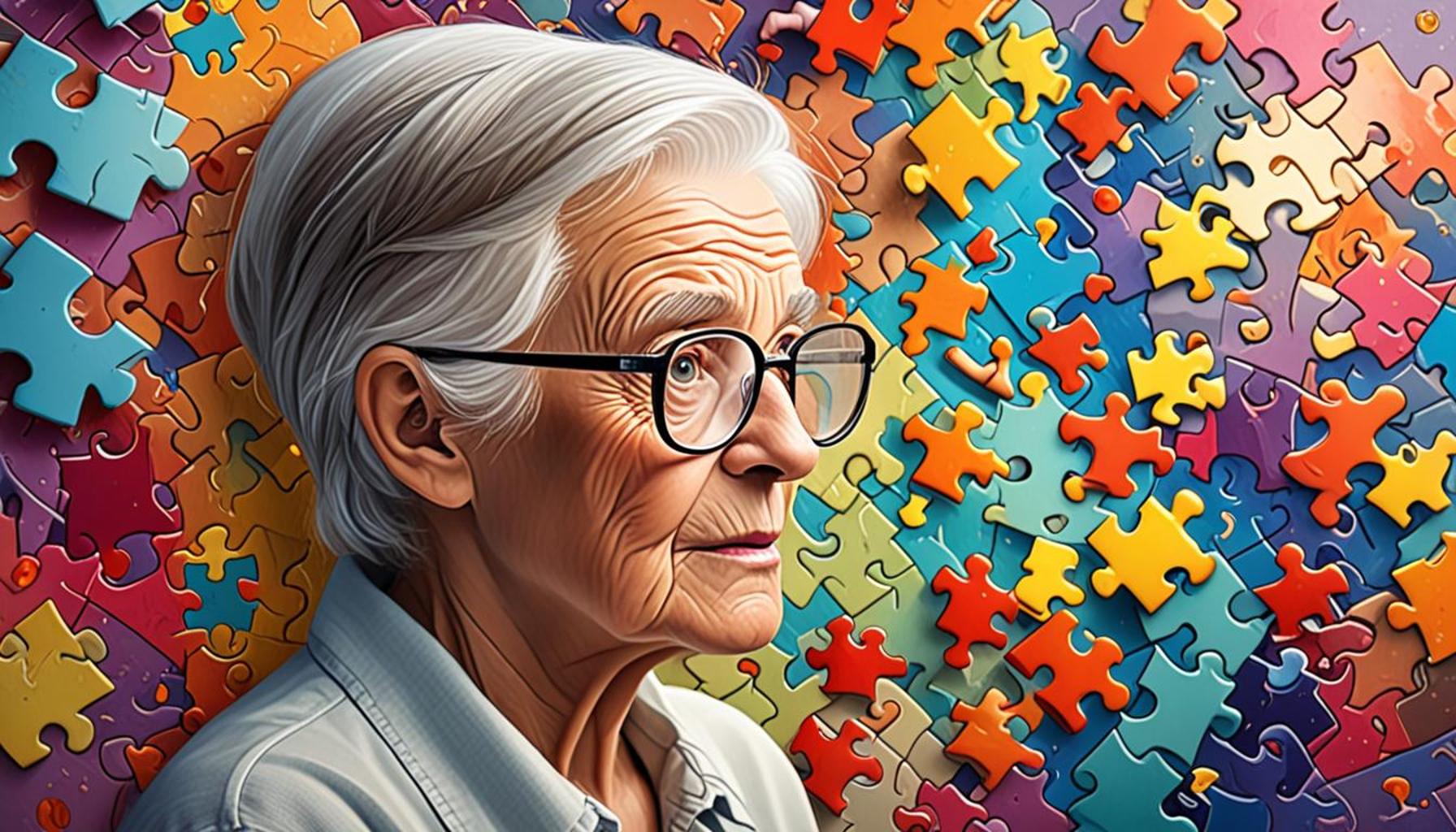
As we explore memory enhancement strategies for seniors, it’s essential to recognize that their cognitive needs and preferences often differ significantly from those of younger generations. With growing concerns about cognitive decline in older adults, tailored puzzle strategies are becoming important tools for stimulating memory and mental acuity. Engaging seniors often involves drawing on nostalgia and familiar patterns that have been engrained over decades.
Cognitive Games and Familiar Formats
For seniors, the appeal of traditional puzzles that evoke fond memories is profound. While digital platforms gain traction, many older adults find comfort and satisfaction in classic formats. Consider these avenues:
- Jigsaw Puzzles: The tactile experience of assembling jigsaw puzzles offers cognitive engagement and visual-spatial skills enhancement. Furthermore, studies suggest that completing these puzzles can provide a sense of accomplishment and nostalgia, which can emotionally benefit older adults.
- Memory Card Games: Games like ‘Memory’ foster recall by requiring players to match pairs, enhancing mental connectivity and serving as a simple yet effective tool to boost memory.
- Story-Based Puzzles: Puzzles that incorporate storytelling elements, similar to those found in classic novels or movies, resonate with older adults by stimulating both memory and emotional connections. For instance, interactive fiction puzzles that incorporate trivia about historical events or cultural references from the past can engage seniors profoundly.
Social and Community Engagement
Another effective approach for seniors is fostering community interactions through engaging memory puzzles that encourage collaboration. Socialization is crucial for emotional wellbeing and cognitive health, and incorporating puzzles into group settings can amplify these benefits:
- Group Trivia Nights: Organizing trivia games at community centers or retirement homes not only enhances memory recall but fosters a sense of belonging among participants. Team-based formats can add a layer of fun and friendly competition.
- Book Club Puzzles: Integrating puzzles related to books read in community book clubs keeps discussions lively while honing memory skills. Group members can work on brain teasers that relate to the themes or characters of the book, further interlinking social interaction and cognitive training.
- Volunteer-Based Puzzle Events: Initiatives that involve seniors in creating as well as solving puzzles for schools or local communities can fortify both memory skills and social ties. Volunteering fosters a sense of purpose, which is crucial for cognitive vitality.
Research shows that maintaining cognitive activity is pivotal in mitigating age-related memory decline, making it imperative to provide diverse yet tailored memory-boosting strategies for seniors. By utilizing nostalgic approaches alongside community engagement, older adults can experience enriched mental capacities while enjoying their favorite pastimes. The challenge lies in designing programs that cater to these interests and strengths, ensuring that the enriching world of puzzles is accessible to everyone, regardless of age.
DON’T MISS: Click here to discover how creative thinking can unlock complex puzzles
Conclusion: Bridging Generations Through Tailored Puzzles
In summary, the influence of age on memory-boosting strategies reiterates the necessity of tailoring puzzles to meet the unique cognitive needs of different generations. As we delve deeper into the intricate relationship between age and cognitive function, it becomes clear that while younger adults may thrive on dynamic, technology-driven puzzles, older adults benefit significantly from nostalgia-infused activities that engage their memories and foster emotional connections.
By implementing strategies that appeal to the emotional and social aspects of memory enhancement, we can create engaging experiences that not only stimulate cognitive skills but also promote a sense of community. Activities such as group trivia nights and volunteer-based puzzle events stand out as effective mechanisms for improving memory retention and encouraging social interactions among seniors.
Moreover, it is equally vital to recognize the growing potential of digital puzzles for younger generations. These platforms can serve as stimulating yet accessible means to boost cognitive function, particularly when designed with a focus on engagement and challenge. As research in cognitive sciences advances, incorporating these insights into puzzle design can lead to impactful tools for memory enhancement across all ages.
Ultimately, understanding and embracing the diverse needs of different age groups will ensure that the world of puzzles remains a significant player in cognitive health strategies. As we celebrate the interplay between age and memory, we invite further exploration into innovative approaches that enrich both the minds and lives of individuals, regardless of their generation.