
How Memory Games Influence Cognitive Enhancement in Children and Adolescents
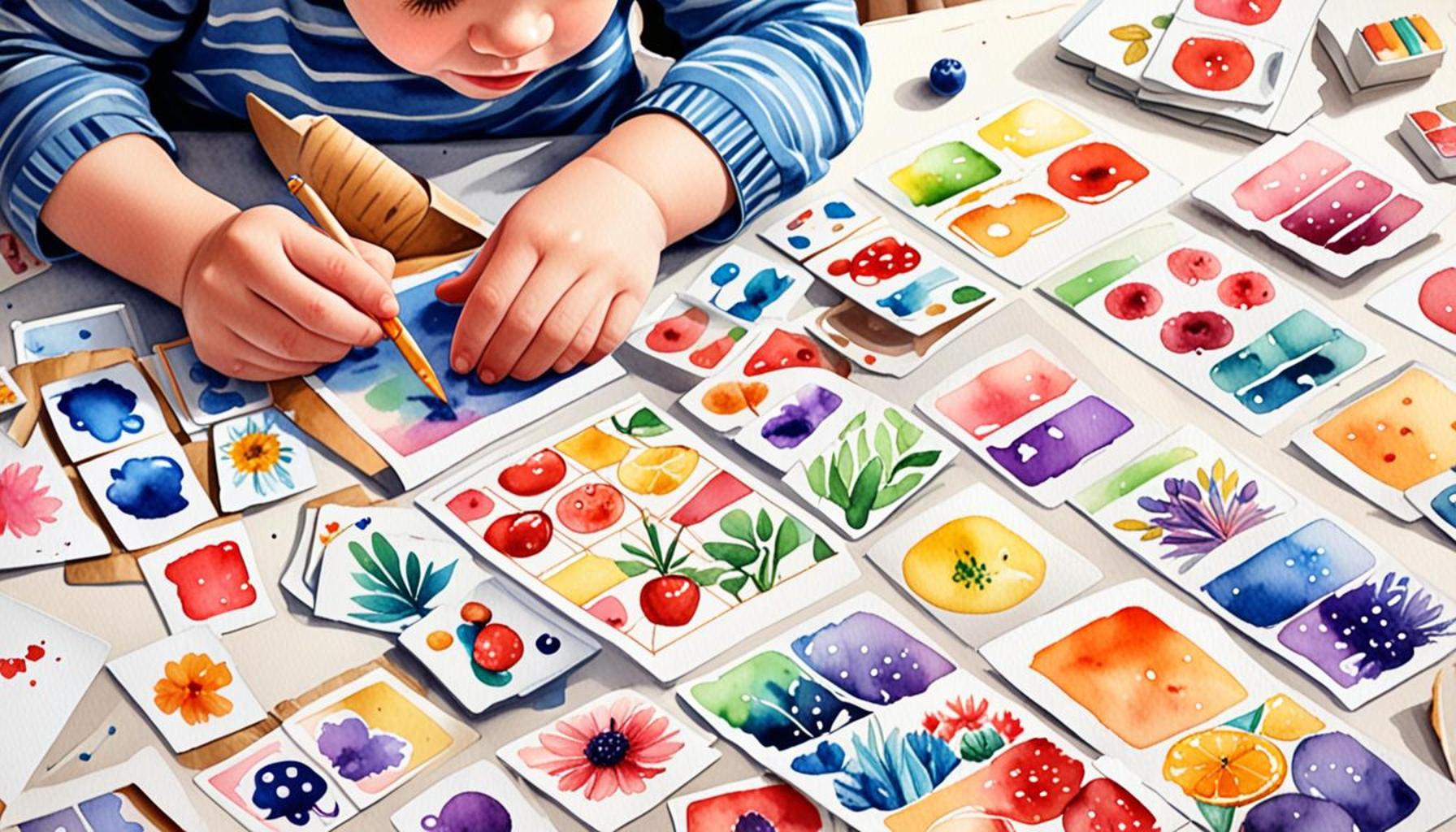
Unlocking the Potential of Young Minds
Memory games are far more than simple pastimes for children and adolescents; these engaging activities serve as potent tools for cognitive development. Recent research suggests that consistent participation in memory games can lead to significant improvements in numerous aspects of mental functioning. By understanding the mechanisms through which these games promote cognitive enhancement, educators and parents can tap into new strategies for fostering learning and personal development.
Benefits of Memory Games
- Improved Memory Retention: Engaging regularly in memory exercises can significantly enhance a child’s ability to retain and recall information. For instance, studies indicate that children who engage in card-matching memory games perform better on spelling tests than their peers who do not.
- Increased Concentration: Memory games require players to focus and pay attention to details, which sharpens their ability to concentrate. For example, when children play games that require them to remember the locations of various items on a board, they exercise their attention spans, leading to improved focus in academic settings.
- Enhanced Problem-Solving Skills: Memory games often require players to anticipate the moves of others or strategize based on the rules of the game, fostering critical thinking. For instance, games like Sudoku demand not only memory recall but also logical reasoning to solve problems efficiently.
Beyond enhancing cognitive skills, memory games cultivate essential life skills that children will utilize in adulthood. These interactive activities promote social interaction, especially when played in groups, which encourages collaboration and teamwork among peers. A classroom that incorporates memory games can transform into a dynamic environment fostering camaraderie and cooperative learning.
Research Highlights
- Studies show: Research has found that children engaged in memory games exhibit better overall academic performance, as these games enhance cognitive functions and learning capabilities.
- Social Benefits: By encouraging teamwork and communication, memory games can help children develop interpersonal skills that are crucial in cooperative settings, such as schools and eventually workplaces.
- Brain Development: Age-appropriate memory challenges stimulate the development of neural pathways crucial for learning. Research indicates that this stimulation can lead to improved cognitive flexibility, allowing children to adapt their thinking processes as they age.
As awareness of the potential benefits of memory games continues to grow, parents, educators, and researchers are increasingly recognizing their value. Exploring the significant impacts of these games may be the key to unlocking enhanced cognitive capabilities in the younger generation. This newfound understanding holds the promise of paving the way toward healthier brain development and improved academic outcomes for children across the United States. Ultimately, integrating memory games into educational frameworks might be an innovative step toward nurturing the bright minds of tomorrow.
DIVE DEEPER: Click here to learn more
Cognitive Development Through Play
Memory games are increasingly being recognized as vital instruments in enhancing cognitive skills among children and adolescents. By engaging in activities that challenge memory retention and cognitive thinking, young minds are not only entertained but are also training themselves for academic and personal success. The myriad ways these games influence cognitive enhancement reveal layers of complexity that go beyond simple play, making them an essential tool in educational settings.

Mechanisms of Cognitive Enhancement
The influence of memory games on cognitive processes can be attributed to several key mechanisms:
- Neural Activation: When children play memory games, their brains undergo significant neural activation. Engaging with various stimuli helps forge new neural connections, which are crucial for learning. Scientific studies have shown that activities stimulating memory can lead to the formation of synapses, enhancing overall brain function.
- Reinforcement of Learning: Memory games aid in reinforcing learning through repetition. According to educational psychologists, when children frequently encounter and recall information through these games, they solidify their learning pathways, making it easier to retrieve that information later in academic settings.
- Development of Executive Functions: Participants in memory games exercise their executive functions, such as working memory, cognitive flexibility, and inhibitory control. For instance, games that incorporate multiple rules or strategies require players to actively assess and adapt their approaches, which boosts critical thinking and decision-making skills.
Moreover, memory games can cater to diverse learning styles. Visual learners may benefit from games that incorporate images and colors, whereas auditory learners can thrive in environments where sounds and verbal cues are utilized. This adaptability makes memory games a versatile addition to any educational toolkit.
Impact on Academic Performance
Research has shown a clear correlation between participation in memory games and enhanced academic performance. For example, a study conducted at a prominent educational institution revealed that children who participated in organized memory game sessions outperformed their peers in standardized tests across multiple subjects, including mathematics and reading comprehension. This highlights the potential of integrating these games into classroom settings to uplift overall learning outcomes.
Furthermore, the benefits of memory games extend far beyond academic achievement. By participating in these interactive activities, young individuals learn to develop patience, resilience, and adaptability—qualities that are incredibly valuable in their personal and social lives. The cultivation of these life skills complements cognitive gains and fosters well-rounded development.
As more educators and parents recognize the profound effects that memory games have on cognitive enhancement, the opportunities to integrate these tools into daily routines become increasingly appealing. By fostering an environment where memory games are a regular aspect of learning, we can ensure that children and adolescents are equipped with the skills they need to navigate the complexities of their academic and personal futures.
Memory games are not just simple activities; they are instrumental in nurturing essential cognitive skills in children and adolescents. Engaging in these games can lead to significant improvements in attention span, problem-solving skills, and overall mental agility. As children are exposed to various memory challenges, they learn to process information more efficiently, leading to a more robust memory system. Furthermore, the increased engagement in these activities often correlates with better academic performance, as children become adept at retaining and recalling information.Research highlights that memory games enhance both working memory and long-term memory. Working memory is crucial for tasks such as following instructions and performing complex calculations, skills that are frequent in both the classroom and everyday life. On the other hand, long-term memory allows children to retain knowledge over extended periods, fostering a deeper understanding of subjects learned in school. Moreover, memory games promote social interaction and teamwork when played in groups. This social aspect encourages children to communicate, share strategies, and develop trust with peers, significantly boosting their emotional intelligence. By engaging in such interactive environments, both children and adolescents are less prone to feelings of isolation, which is particularly important in today’s digital age.One cannot overlook the psychological benefits linked to memory games. As children tackle various challenges, they build resilience and a sense of achievement. Overcoming obstacles, whether through memory recall or strategy development, instills confidence, which translates to other areas of their lives. Additionally, gamifying learning through memory exercises can also bridge the learning gap for children facing challenges. The playful nature of these games makes learning enjoyable and less anxiety-inducing, enabling children with learning disabilities or attention issues to thrive in a fun atmosphere.Incorporating memory games into daily routines can lead to lifelong benefits. As children develop their cognitive skills early on, they are better equipped to face future educational demands while fostering continuous mental development. With such broad implications, memory games serve as a crucial tool in cognitive enhancement for children and adolescents, encouraging further exploration into more structured implementations within educational curricula and therapy programs. By actively engaging in these enriching activities, parents and educators can significantly contribute to the cognitive well-being of younger generations, paving the way for sharper minds and enhanced learning capabilities.
DISCOVER MORE: Click here to delve deeper
Social Skills and Emotional Benefits
While the cognitive advantages of memory games are significantly documented, the social and emotional benefits that accompany these activities are equally noteworthy. Engaging in memory games often necessitates collaboration and interaction, fostering essential social skills among children and adolescents. Through playing in groups, young individuals learn to communicate effectively, share strategies, and cooperate to achieve common objectives, which are vital competencies in today’s interconnected society.
Enhancing Teamwork and Collaboration
Memory games often incorporate elements of teamwork, teaching participants how to work collaboratively toward a shared goal. For instance, group-based memory challenges encourage players to strategize collectively, pooling their thoughts to solve problems. Research indicates that children who engage in such interactive games demonstrate enhanced abilities to cooperate and negotiate, leading to a greater aptitude for teamwork in academic and extracurricular environments. This experience substantiates findings from a study conducted by the National Center for Learning Disabilities, which underscores that collaborative learning experiences reinforce social relationships and improve mood, contributing positively to emotional well-being.
Boosting Self-Esteem and Motivation
Memory games also hold significant potential in boosting self-esteem and motivation among children and adolescents. Successfully completing these games fosters a sense of accomplishment. The quick feedback loop—where players can immediately recognize their progress or improvement—affects their confidence levels. A survey conducted by the American Psychological Association found that children who participated in cognitive-enhancing activities, including memory games, reported higher levels of self-efficacy, translating into a greater willingness to tackle challenging tasks both in and out of the classroom.
The immersive nature of memory games, combined with their interactive elements, also means that children are more likely to remain engaged. Studies show that games that involve competition or scoring can increase motivation levels, as children strive not only to compete with others but also against their own personal bests. This gamification of learning has proved to keep the interest and enthusiasm levels high, which is particularly crucial for children in a digital age where distractions are abundant.
Emotional Regulation and Resilience
An exciting yet often overlooked aspect of memory games is their ability to assist children in developing emotional regulation and resilience. By playing games that require patience and strategic thinking, players must learn to handle setbacks and navigate challenges. For example, when a player fails to recall a series of pairs correctly, they are encouraged to manage feelings of frustration and try again. This experience teaches children how to face adversity, adapt their strategies, and remain calm under pressure—critical life skills that extend far beyond the game itself.
The emotional landscape of childhood is multifaceted, and memory games can help provide valuable lessons in dealing with these complexities. Studies have shown that engaging in these types of games can reduce anxiety levels in children, as the structured nature of games offers a safe space for children to practice emotional expressions and responses. This is especially pertinent for individuals on the autism spectrum, for whom structured play can offer a pathway to improved emotional regulation and social skills.
As awareness grows regarding the comprehensive benefits of memory games, the potential to employ these tools within educational and therapeutic settings continues to expand. By integrating cognitive, social, and emotional learning experiences, memory games hold the promise of nurturing well-rounded individuals who are prepared to face the myriad challenges of both academia and life.
DISCOVER MORE: Click here to uncover the truth
Conclusion
In summary, the role of memory games in cognitive enhancement for children and adolescents extends far beyond simple entertainment. These activities not only aid in boosting memory retention and cognitive skills but also pave the way for crucial social and emotional development. By engaging in memory games, children learn to collaborate, strategize, and face challenges collectively, all of which are integral to functioning in both academic and social settings.
The significant improvement in self-esteem and motivation observed among participants highlights the potential of memory games to foster a growth mindset. The instant feedback provided by these games serves as a motivator, encouraging children to embrace setbacks and learn resilience. The emotional regulation developed through handling the ups and downs of gameplay can translate into lifelong skills, providing children with tools to navigate their emotional landscape more effectively.
As research continues to uncover the multifaceted benefits of memory games, it becomes increasingly evident that these tools are invaluable assets in our educational and therapeutic practices. By recognizing the interconnectedness of cognitive development, social skills, and emotional well-being, educators and parents can harness memory games as a holistic approach to child development. For those interested in further mastery of these concepts, incorporating such activities into daily routines can lead to enhanced life skills and a greater capacity for academic success and personal growth.