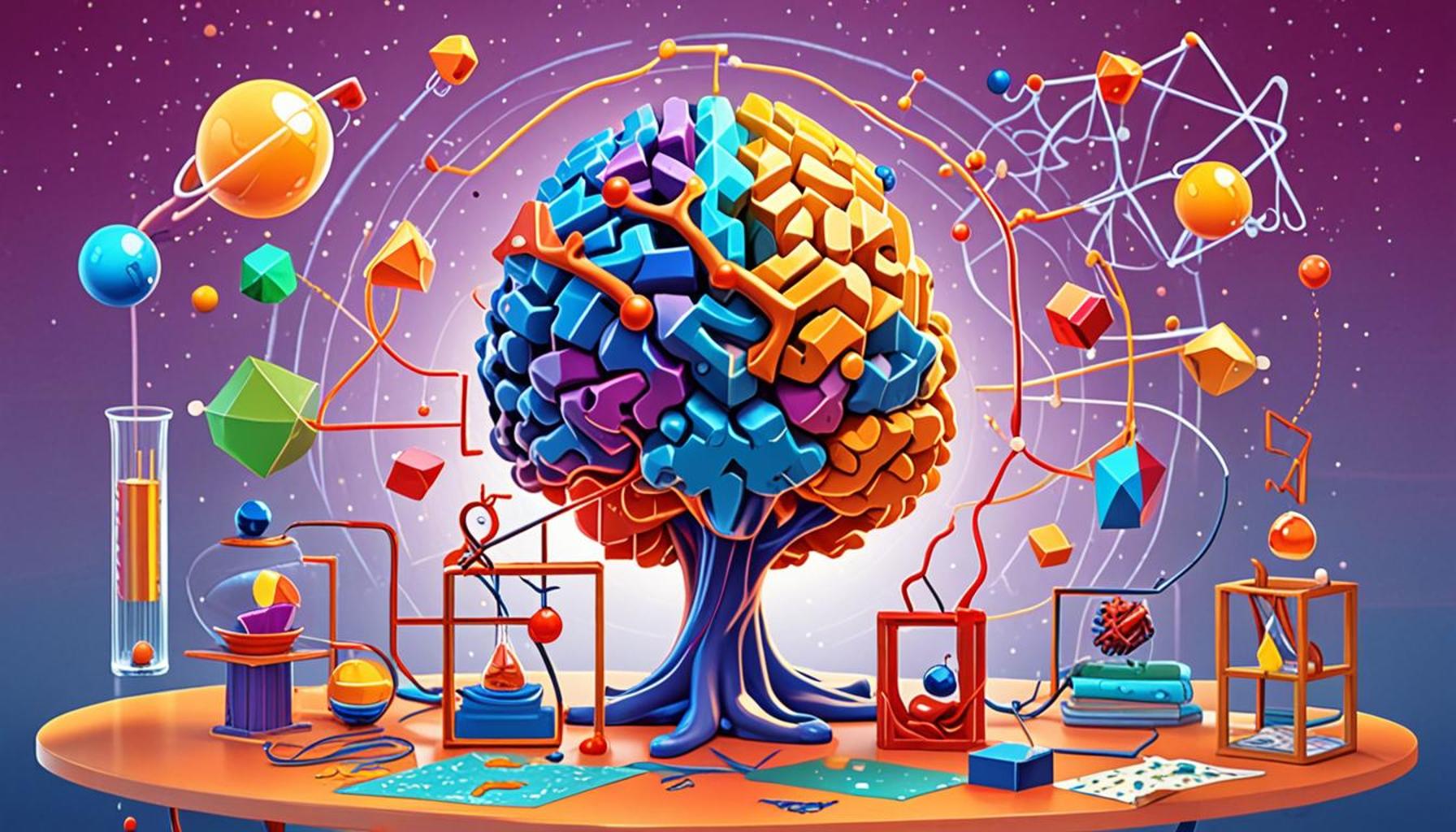
Cognitive Enhancement Through Escape Rooms: A Fun Approach to Problem Solving

Unlocking Potential through Play
Imagine stepping into a room filled with riddles, hidden clues, and a ticking clock counting down. Escape rooms aren’t just a thrilling pastime; they serve as a unique platform for cognitive enhancement. These engaging environments challenge participants to sharpen their problem-solving skills in ways that are not only effective but also enjoyable. The concept of an escape room can be traced back to the video game genre, where players must solve puzzles to advance, and has since evolved into a real-life scenario after gaining popularity across the globe.
Through the immersive experience of an escape room, teams must collaborate and think critically to solve puzzles. The activities encourage an array of skills essential for personal and professional success. Key benefits of this cognitive workout include:
- Enhanced creativity: Players are encouraged to think outside the box. This fosters innovative thought processes, as participants must often devise unconventional solutions. For example, a player might need to use a seemingly mundane object in unexpected ways to unlock a hidden clue.
- Improved teamwork: Success hinges on collaboration and effective communication. Escape rooms mirror real-world situations where teamwork is essential. In fact, many companies are now using escape rooms as team-building exercises to enhance collaboration among employees, helping to break down barriers and foster a collaborative environment.
- Increased focus: The time pressure fosters concentration and motivation. Players often experience heightened adrenaline levels, making them more alert and engaged, which enhances their ability to think clearly and strategically under pressure.
Whether it’s deciphering codes or piecing together narratives, participants find themselves exercising various facets of their cognitive abilities. The adrenaline rush comes not just from escaping the room, but from rising to the challenge of the mind. This multifaceted engagement promotes a stimulating environment where learning is combined seamlessly with enjoyment.
As the popularity of escape rooms continues to surge across the United States, many are beginning to recognize their potential as an innovative method for enhancing cognitive skills. This trend transcends traditional learning environments; it provides a fresh approach that pairs fun with learning. In many major cities, such as New York, Los Angeles, and Chicago, escape rooms are flourishing as more than simple entertainment options; they have become invaluable tools for schools and businesses that aim to break the conventional mold of education and training.
The vibrant field of escape rooms offers a fascinating peek into how interactive experiences can foster real-life skills. From heightened creativity to increased teamwork, the benefits extend far beyond the confines of these thrilling enclosures. As people continue to seek innovative ways to engage with their environment and each other, the potential for cognitive enhancement through play remains a captivating frontier.
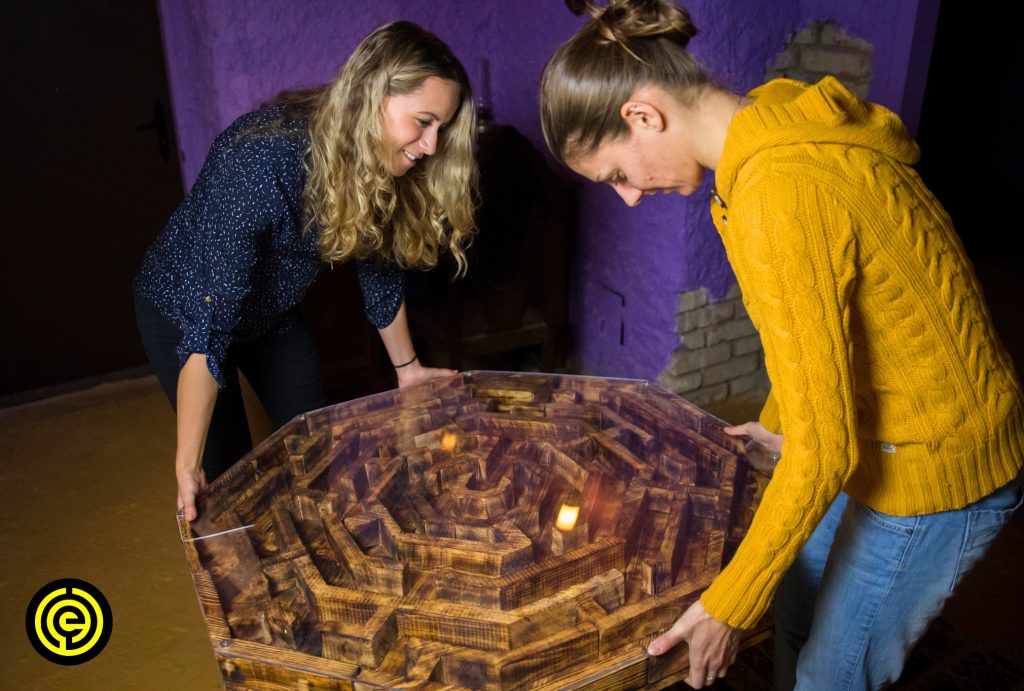
DISCOVER MORE: Click here for valuable strategies
The Cognitive Revolution in Entertainment
At first glance, escape rooms may seem like a mere source of entertainment, but they are cleverly designed experiences that tap into the core of cognitive enhancement. Participants engage in a series of puzzles that challenge their mental acuity—from logical reasoning and pattern recognition to lateral thinking. This design invites players to immerse themselves fully, navigating through intricate narratives that require them to employ various cognitive skills actively.
One of the most integral components of an escape room is the problem-solving aspect. As groups embark on their quest to escape, each clue and puzzle serves as a mental workout. This environment promotes active learning, pushing individuals to think critically and take risks in their thought processes. Research suggests that such stimulating activities can lead to improved cognitive flexibility—an essential skill in today’s fast-paced world where creative solutions often lead to success.
The design of escape rooms typically involves several key elements that enhance problem-solving skills:
- Complex puzzles: Each room features a mix of riddles, physical challenges, and logic puzzles that require participants to analyze information quickly and devise strategies for solutions.
- Team dynamics: Group participation encourages sharing varied perspectives, leading to innovative approaches. Team members often bring differing background experiences that contribute to more comprehensive problem-solving.
- Time constraints: The pressure of a ticking clock instills a sense of urgency, compelling players to prioritize tasks and make quick decisions. This fast-paced environment often results in heightened adrenaline, which can enhance overall cognitive function.
Moreover, players often find themselves in roles suited to their strengths, whether they thrive as the creative thinker who devises unconventional ideas, the logical analyst who deciphers codes, or the communicator who facilitates group discussions. This role distribution not only maximizes individual strengths but also fosters social intelligence—another vital component of cognitive enhancement.
Studies in cognitive psychology affirm that engagement in challenging tasks can lead to neuroplasticity—the brain’s ability to reorganize itself by forming new neural connections. The collaborative yet competitive nature of escape rooms facilitates a unique environment that accelerates this cognitive growth, setting the stage for improved performance in real-world problem-solving scenarios.
As escape rooms become an integral part of team-building exercises in offices and educational settings throughout the United States, they solidify their role as tools for cognitive enhancement. With lessons translatable to everyday life, the excitement of escape rooms serves as a gateway to sharper thinking, increased creativity, and ultimately, enhanced overall cognitive function.
| Advantage | Description |
|---|---|
| Enhanced Problem-Solving Skills | Escape rooms require participants to think critically and creatively, leveraging their analytical skills to solve complex puzzles. |
| Improved Team Collaboration | Working in teams fosters communication and collaboration, enhancing participants’ ability to work effectively with others towards common goals. |
The experiential nature of escape rooms not only entertains but also serves as an effective platform for cognitive enhancement. As participants immerse themselves in challenging scenarios, they develop stronger problem-solving skills that extend beyond the room. Each puzzle solved acts as a mental workout, enhancing their analytical capabilities in real-life situations. Additionally, the collaborative environment nurtures interpersonal skills, making it an ideal setting for personal and professional growth.In educational settings, integrating the escape room format as a teaching tool can significantly impact students’ learning experiences. It encourages active engagement, resulting in better memory retention and understanding of complex concepts. As educators look for innovative methods to boost student participation, escape rooms stand out as a unique, enjoyable approach to facilitating learning through play. This blend of fun and education makes escape rooms an intriguing avenue for those seeking cognitive enhancement, proving that problem-solving can be both a serious exercise and an enjoyable activity.
DIVE DEEPER: Click here to uncover the benefits of crosswords and puzzles
The Neuroscience of Teamwork and Engagement
As escape rooms immerse participants in layered narratives that require collaborative efforts, the cognitive mechanisms at play are profoundly enhanced. The environment created within an escape room fosters not only individual problem-solving skills but also sharpens group dynamics, which is essential for effective teamwork. In the United States, workplaces increasingly recognize that these team-based challenges can lead to breakthroughs in creativity and communication amongst employees.
Studies exploring the neuroscience of collaboration indicate that working in groups activates distinct areas of the brain. For instance, research published in the journal ‘Proceedings of the National Academy of Sciences’ highlights that cooperative problem-solving can lead to greater engagement of the brain’s frontal lobes, which are responsible for executive functions like decision-making and working memory. This suggests that the brain processes information differently when participants work together, enhancing the ability to devise innovative solutions to complex problems.
Additionally, the satisfaction derived from overcoming challenges alongside peers is supported by the release of neurochemicals such as oxytocin, often referred to as the “bonding hormone.” This chemical plays a significant role in improving social interactions, trust, and emotional connectivity among team members. As players solve puzzles and navigate clues, their collective victories boost camaraderie, leading to a positive feedback loop that reinforces cognitive engagement and enhances individual morale.
The use of technology in escape rooms has also introduced a novel layer of cognitive stimulation. Interactive elements, such as augmented reality puzzles or mobile apps that assist in solving riddles, can further heighten the experience—engaging players on multiple sensory levels. Recent advancements have shown that merging traditional puzzles with technology amplifies the challenge, pushing players to think abstractly and adaptively. This combination not only amplifies the thrill of the game but also imbues participants with critical skills they can carry into their everyday lives.
What’s more, the diverse themes and scenarios—ranging from historical mysteries to futuristic adventures—challenge various cognitive domains. For instance, a room themed around history may require players to apply knowledge from different eras while solving culturally relevant puzzles, thus enhancing both knowledge retention and contextual problem-solving ability. On the other hand, a science-fiction themed room might engage abstract thinking, requiring players to innovate beyond conventional limits.
The journey through various escape room scenarios also draws attention to the significance of stress management in high-pressure situations. Time restrictions and the race against the clock test individuals’ abilities to maintain composure under stress, fostering resilience. This skill is invaluable, equipping participants to handle real-world pressures with greater efficacy. According to data from the American Psychological Association, effective stress management techniques are linked not only to improved cognitive performance but also to enhanced emotional well-being.
As escape rooms continue to evolve, incorporating educational elements and adapting their designs for varying skill levels, they also maintain their status as effective platforms for cognitive enhancement. The blend of fun, challenge, and teamwork makes escape rooms not only a recreational option but also a clever avenue for personal growth and cognitive development in an increasingly complex world.
DISCOVER MORE: Click here to enhance your creativity
Conclusion: Unlocking Potential Through Play
In an age where cognitive capabilities are more crucial than ever, escape rooms present a unique synthesis of fun, teamwork, and mental agility that fosters cognitive enhancement. They facilitate an environment where participants can engage their brains through interactive challenges that demand both critical thinking and creative problem-solving. This dynamic setting aids not only in sharpening individual skills but also in enhancing team collaboration, making these experiences beneficial for corporate teams seeking to improve communication and productivity.
The neuroscience behind teamwork showcased in these immersive scenarios highlights the importance of social bonding and stress management, with neurochemical responses contributing to an enriched group experience. By harnessing the power of technology and diverse storytelling, these environments stimulate a range of cognitive functions, from innovative thinking to knowledge retention. Moreover, they go beyond mere entertainment, equipping participants with essential skills that extend into various aspects of their daily lives, whether at home, in educational settings, or at work.
As escape rooms continue to evolve, they represent a promising approach to tackling cognitive challenges in a world that increasingly demands complex problem-solving skills. This blend of mental and social engagement not only makes learning enjoyable but also transforms play into a powerful tool for personal development and cognitive resilience. So, next time you gather a group of friends or coworkers, consider entering an escape room—not just to play, but to unlock your brain’s true potential.