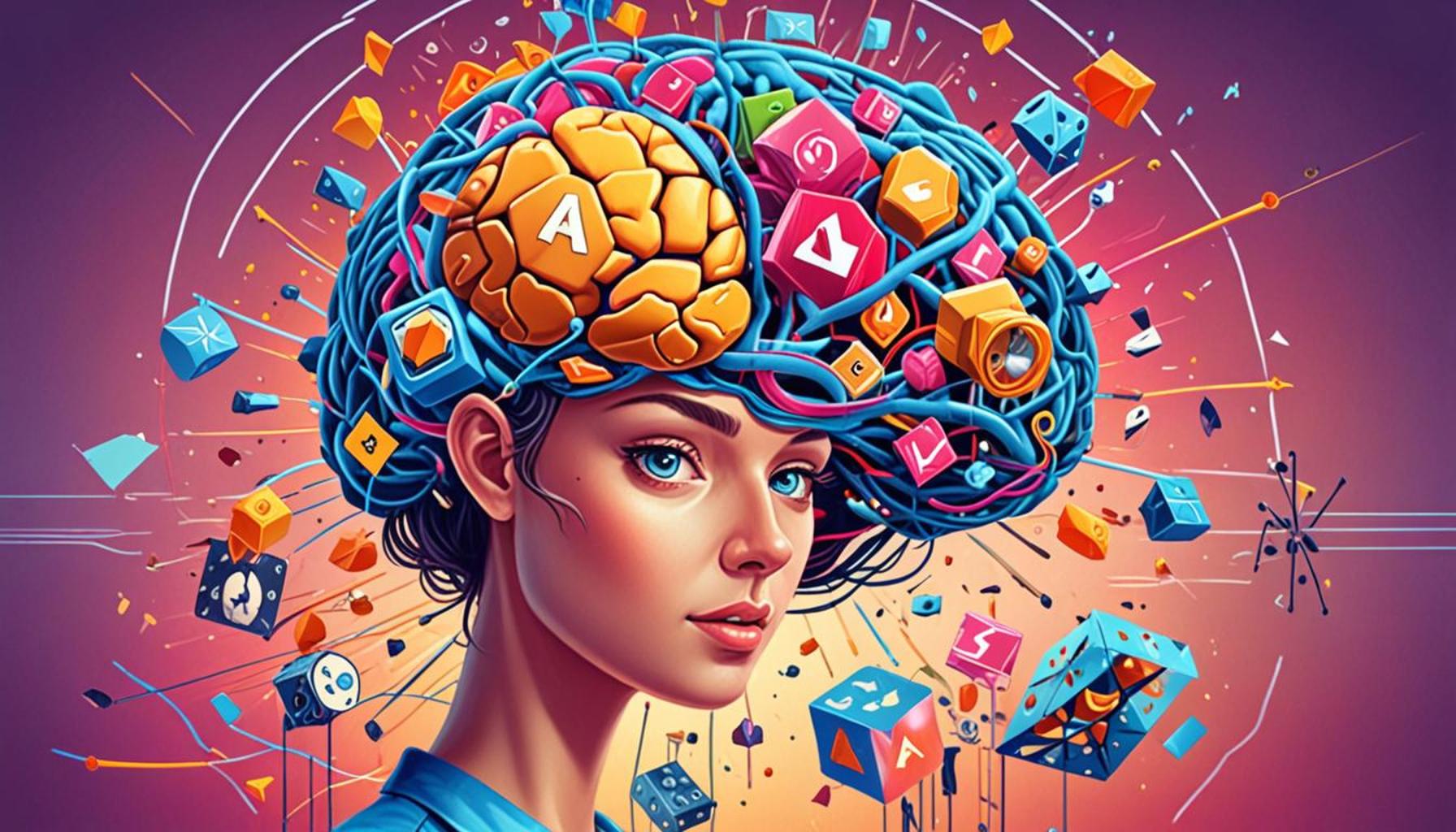
Mind Games: How Strategy-Based Games Can Enhance Your Cognitive Functions

The Cognitive Uplift from Strategic Gaming
In the relentless pace of modern life, where information and decisions come at us from every angle, enhancing our mental agility has become an essential goal. Strategy-based games are more than mere distractions; they serve as formidable tools designed to elevate our cognitive functions. Engaging in these mental exercises can lead to significant improvements in our mental acuity, making them invaluable in today’s demanding environment.
Numerous studies underscore the potential of strategy games to confer various cognitive benefits that extend far beyond their immediate entertainment value:
- Improved Problem-Solving Skills: Players encounter complex scenarios that compel them to devise practical solutions rapidly. For instance, in games like chess, a player must anticipate their opponent’s moves while planning their strategy, fostering a mindset rooted in critical thinking and adaptability.
- Enhanced Memory: Mastering games with intricate rules and strategies, such as Magic: The Gathering, significantly boosts memory. Players must recall past games and strategies while adapting to new challenges, which sharpens their ability to retain and retrieve information.
- Boosted Concentration: Since strategy games often require sustained focus on multiple variables, they can improve overall attention spans. Engaging in immersive experiences like StarCraft or Age of Empires trains players to concentrate for extended periods, an ability that proves beneficial in academic and professional settings.
Beloved titles such as chess, StarCraft, and Age of Empires not only entertain but also cultivate environments rich in cognitive growth. Each game presents unique challenges that demand strategic thinking, foresight, and flexibility—qualities essential for effective decision-making in daily life.
Furthermore, the social aspects of strategy gaming should not be overlooked. Multiplayer experiences prompt collaboration and competition, encouraging players to engage in critical discussions about tactics, strategies, and outcomes. This collaborative environment refines communication skills and builds community, which can enhance interpersonal relationships in real life.
As we dive deeper into the captivating world of strategy games, it’s important to grasp how these activities fundamentally shape our cognitive capabilities. Through engaging gameplay, we can foster skills that aid us in various aspects of our lives. So, are you ready to unlock your mental potential? It’s time to explore how strategy games can contribute positively to your cognitive health.
DISCOVER MORE: Click here to unlock the truth about cognitive benefits
The Mental Benefits of Strategic Gameplay
As we continue to navigate the complexities of life, understanding the profound impact of strategic gameplay on our cognitive functions becomes increasingly important. Strategy-based games are not only engaging but also offer a myriad of cognitive benefits that can sharpen our intellectual capabilities and enhance our daily functioning.
One of the most notable advantages of playing these games is the development of critical thinking skills. Strategy games like Settlers of Catan or Risk require players to make calculated decisions based on the current state of the game, potential future developments, and competitors’ actions. This environment fosters an analytical mindset. Players are compelled to weigh options, analyze consequences, and make informed choices under time constraints, mirroring situations often encountered in real life.
Another significant cognitive function enhanced by strategy games is strategic planning. These games encourage players to think ahead, envisage potential outcomes, and develop multi-step strategies that adapt as the game evolves. For instance, in Magic: The Gathering, players must choose their cards wisely, considering not only their immediate benefits but also the long-term effects on their game plan. This constant assessment and reinterpretation mirror the planning cycles encountered in various professional settings, making these games not only enjoyable but practically applicable to real-world scenarios.
- Enhanced Creativity: Engaging in strategy games stimulates creative thinking as players develop unique tactics and solutions to unusual challenges. Games like Civilization encourage players to think outside the box, designing their empires in ways that optimize resources and advance their civilization against competitors.
- Stress Relief and Resilience: While some may view competitive games as stressful, the act of playing strategy games can provide substantial stress relief. They create a space in which players can challenge themselves without real-world consequences, teaching them resilience in the face of setbacks and the importance of learning from mistakes.
- Social Intelligence: Many strategy games are multiplayer formats, promoting cooperation and communication among players. This social interaction enhances players’ ability to read emotional cues and develop negotiations skills, critical components of social intelligence beneficial in personal and professional relationships.
Research supports these observations, with numerous academic studies indicating that individuals who regularly engage in strategy-based gaming exhibit better cognitive flexibility, meaning they can adapt their thinking more quickly to new and unexpected information. Moreover, a meta-analysis published in the journal “Trends in Cognitive Sciences” suggests that participating in such strategic games can improve overall executive functions, which are vital for goal-directed behavior.
The comprehensive cognitive development resultant from strategy games ultimately translates into a range of life skills from improved decision-making to heightened emotional intelligence. As society continues to embrace digital solutions and remote interactions, the value of these benefits cannot be overstated. With ongoing research revealing the potential of strategy-based games as powerful cognitive enhancers, it’s worth considering how integrating these games into our routines could lead to a richer, more effective mental landscape.
| Category | Details |
|---|---|
| Cognitive Development | Strategy-based games encourage critical thinking and problem-solving skills, providing an engaging platform for mental growth. |
| Memory Enhancement | These games often require players to remember rules and tactics, which enhances their memory retention and recall abilities. |
Exploring the diversity of strategy-based games unlocks a gateway to numerous cognitive benefits. Engaging in these games not only exercises the mind but also refines essential skills like planning, foresight, and adaptation to new situations. As players navigate through complex scenarios, they learn to anticipate opponents’ moves while strategizing several steps ahead, sharpening their analytical capacities. Moreover, a fascinating aspect of strategic gameplay is its ability to foster teamwork and collaboration. Multiplayer settings compel individuals to communicate effectively while developing a unified plan, enhancing interpersonal skills crucial in real-life situations. This social interaction, combined with ongoing cognitive stimulation, can translate to improved emotional intelligence as well.It’s worth noting that research supports the notion that consistent engagement in mental activities, including strategy games, correlates with an increased ability to ward off cognitive decline in later years. This intriguing link makes these games not just a source of entertainment but also a vital ingredient in nurturing robust cognitive health. Explore more to uncover how these games specifically cater to various age groups and daily lifestyles.
DIVE DEEPER: Click here to discover the psychology behind puzzles
Unlocking Potential: Cognitive Development Through Strategy Games
In addition to enhancing critical thinking and strategic planning skills, strategy-based games contribute to improved memory retention and information processing. Engaging with complex game mechanics, players often find themselves recalling various rules, previous turns, and opponents’ strategies. Games such as Chess and Go are steeped in tradition and complexity. They require players to remember past plays, visualize future moves, and even anticipate the opponents’ strategies, all of which exercise and bolster memory functions.
Moreover, the adaptation of multitasking abilities is another cognitive benefit derived from strategy games. Many of these games present players with multiple challenges that must be managed simultaneously. For example, in games like StarCraft, players manage resources, coordinate units, and respond tactically to opponents in real-time. This experience hones the brain’s ability to prioritize tasks and distribute cognitive resources efficiently, a skill that is invaluable in our fast-paced environment, where multitasking is a necessity.
- Time Management: Strategy games also enhance time management skills. Players often need to make decisions within a limited time frame, developing an acute sense of time pressure while refining their ability to evaluate choices quickly. Cultivating this skill can significantly benefit professional environments, where timely decision-making is crucial.
- Emotional Regulation: The competitive nature of many strategy games requires players to handle emotions adeptly, such as frustration and excitement. Learning to regulate these emotions while playing can transfer to real-life situations, equipping players to manage stress and maintain composure during challenging scenarios.
Furthermore, a noteworthy aspect of cognitive enhancement through strategy games is the cultivation of neuroplasticity. Engaging in these games stimulates brain activity and promotes the formation of new neural connections. A study published by the American Psychological Association highlights that older adults who regularly engage in strategy games show increased neuroplasticity, leading to better cognitive health and a decreased risk of Alzheimer’s disease. This implies that incorporating strategy games into one’s lifestyle could serve as an enjoyable and effective way to encourage brain health as we age.
The influence of strategy games on emotional development is equally compelling. Through competition and collaboration, players learn to assess the emotions of others and develop empathy, which is essential in various aspects of life. The social dynamics present in games like Diplomacy or Betrayal at House on the Hill help players understand group behavior and practice communication, negotiation, and persuasion skills, all while navigating strategic challenges. These interactions mirror real-world social situations, providing a safe space to explore interpersonal dynamics.
Finally, the importance of goal setting and achievement cannot be overlooked in the context of strategic games. Many games feature progressive levels or objectives that encourage players to set and pursue actionable goals. Engaging with these structured challenges fosters motivation, persistence, and resilience, qualities that translate into personal and professional pursuits. Studies published in the Journal of the Learning Sciences have shown that learners who participate in goal-oriented activities exhibit higher levels of engagement and achievement, further underscoring the value of strategy-based games.
As we delve deeper into the cognitive realms unlocked by strategy games, it becomes clear that the potential benefits extend far beyond mere entertainment. With research illuminating the link between strategic gameplay and enhanced cognitive functions, players are offered a pathway of growth that influences not only their gaming experiences but crucial facets of daily life. Whether it’s building friendships through multiplayer games or honing problem-solving skills in solitary play, the impact is undeniably profound and transformative.
EXPLORE MORE: Click here to discover the benefits of mental games
Bridging Fun and Cognition: The Lasting Impact of Strategy Games
In conclusion, the exploration of strategy-based games unveils a compelling intersection between entertainment and cognitive enhancement. As we have seen, engaging in these games is not merely about leisure; it serves as a powerful cognitive workout that fosters critical thinking, memory retention, and multitasking abilities. These activities stimulate the mind in ways that conventional pastimes cannot, effectively sharpening our mental faculties and preparing us for the challenges of modern life.
Furthermore, as demonstrated through various studies, the benefits extend to emotional development and neuroplasticity, proving that these games create not only skilled strategists but also emotionally intelligent individuals capable of navigating the complexities of interpersonal relationships. By participating in these games, players learn to manage their emotions, set actionable goals, and even enhance their social acumen, all of which translate seamlessly into everyday scenarios.
The idea that strategy games can significantly boost mental performance and overall well-being invites further investigation into how these activities might be integrated into educational systems or mental health initiatives. As we forge ahead into an era increasingly dependent on cognitive capabilities, embracing strategy-based games can serve as a fun yet transformative approach to enhancing our cognitive functions.
In essence, the mind games we engage in transcend the realm of play, providing us with essential tools for personal growth. By prioritizing these innovative methods of learning and development, we open ourselves to a newfound understanding of our own cognitive potential—and that, in any game, is the ultimate victory.