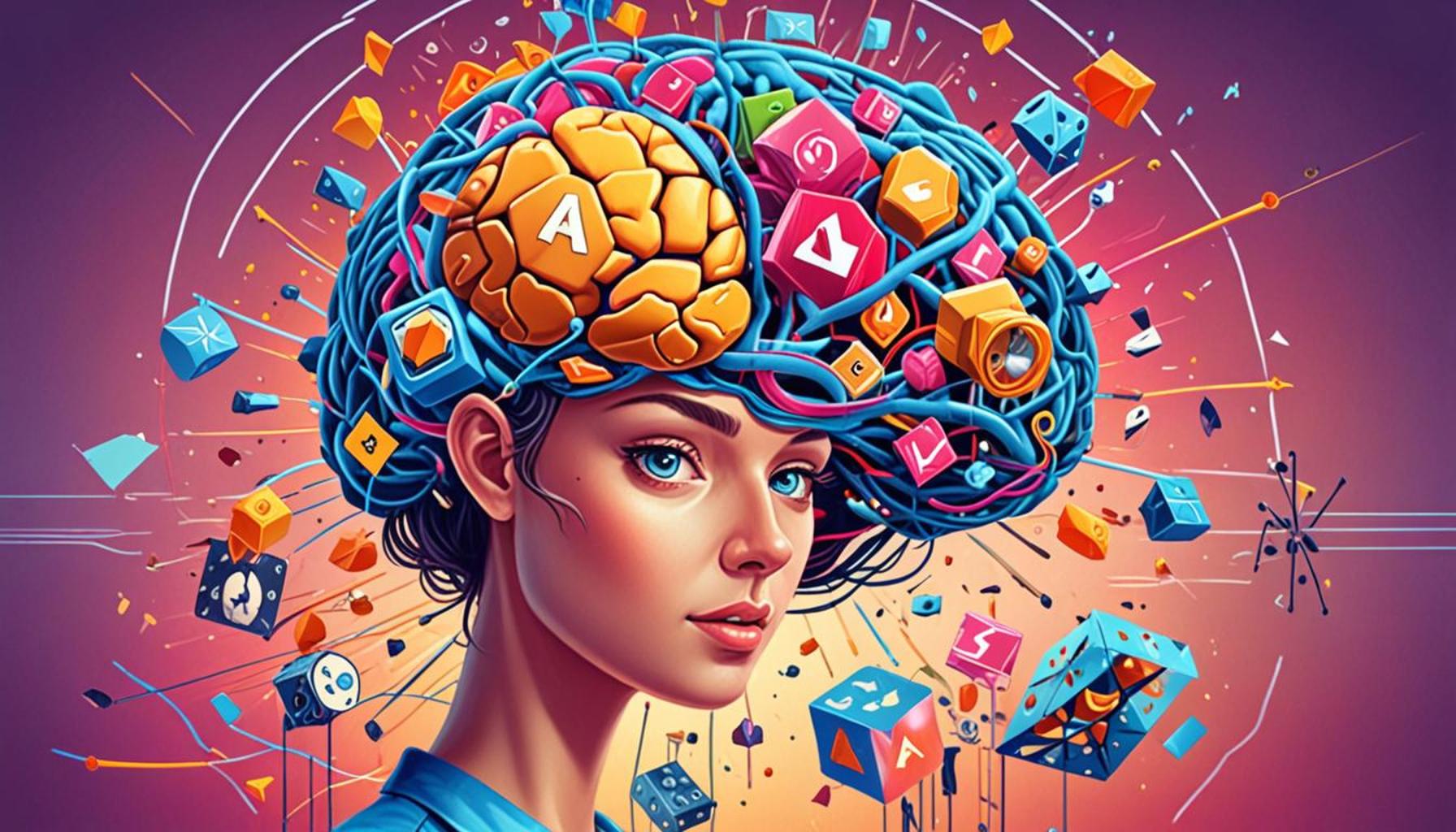
How Online Puzzle Platforms Facilitate Cognitive Enhancement Through Gamified Learning

The Cognitive Advantages of Engaging with Puzzles
In today’s fast-paced digital age, individuals are constantly seeking innovative ways to boost their brainpower. Online puzzle platforms have emerged as engaging tools that offer more than mere entertainment; they serve as vehicles for cognitive enhancement. These platforms utilize the principles of gamified learning to make the process enjoyable and effective.
What sets these platforms apart? Here are key benefits:
- Enhanced problem-solving skills: Puzzles challenge users to think critically and creatively. By presenting complex problems that require innovative solutions, puzzles foster a mindset geared towards analytical thinking. For example, Sudoku and logic puzzles stimulate logical reasoning, which can enhance decision-making in real-life scenarios.
- Memory improvement: Regular engagement with puzzles helps reinforce memory pathways. Activities such as matching games or crossword puzzles require not only recall but also the manipulation of information, which sharpens memory retention and retrieval skills. Research supports these claims, indicating that cognitive games can lead to long-term memory improvements.
- Stress reduction: Solving puzzles triggers the release of dopamine, which promotes feelings of satisfaction. This neurochemical response can have a calming effect, making puzzle-solving a delightful way to unwind after a hectic day. Imagine settling in after work with a jigsaw or a brain teaser, gradually immersing oneself into a flow state that alleviates stress.
Furthermore, the appeal of gamified learning cannot be overstated. The combination of fun and education has proven to be a powerful motivator. Participants are more inclined to challenge themselves when:
- Progression through levels: Users can track their achievements and set new goals. This structured progression keeps players engaged as they encounter increasingly complex challenges that promote growth in abilities.
- Friendly competition: Many platforms offer leaderboards, encouraging peer engagement. This competitive aspect not only motivates individuals to improve their own scores, but also fosters community as players share strategies and celebrate achievements together.
- Reward systems: Badges and points provide additional incentives to keep playing. By recognizing users’ accomplishments and milestones, these systems enhance motivation, further embedding the idea that learning can be a rewarding experience.
As the landscape of education continues to evolve in the United States and beyond, these platforms offer a promising direction. The integration of technology with cognitive development tools enables a unique approach to learning. Whether used in classrooms, at home, or as a casual pastime, online puzzle platforms not only enhance cognitive skills but also make the learning process inherently enjoyable. Exploring how online puzzle platforms effectively blend fun with functionality can shed light on new horizons in cognitive development, encouraging users of all ages to unlock their full potential.
DIVE DEEPER: Click here to uncover the relaxing benefits of puzzles

Bridging Fun and Learning Through Engaging Puzzles
Gamified learning has revolutionized the way we approach education and cognitive development. Online puzzle platforms are a prime example of this phenomenon. They effectively merge the elements of play with serious learning objectives, creating a compelling environment for users to enhance their cognitive abilities. These platforms are not just a novel way to pass the time; they are meticulously designed to sharpen various mental faculties.
One standout characteristic of these platforms is their ability to fine-tune critical thinking skills. Puzzles can range from simple crosswords to complex escape room simulations that require users to synthesize information and strategize solutions. Each puzzle presents unique challenges that compel individuals to engage in valuable mental gymnastics, fostering a mindset that thrives on problem-solving and innovation. For instance, a Sudoku puzzle demands users to employ logical reasoning and deduction, skills that are highly applicable in everyday decision-making scenarios.
Moreover, brain games on these platforms have been shown to offer substantial neuroplastic benefits. Neuroplasticity refers to the brain’s ability to reorganize itself by forming new neural connections throughout life. Engaging regularly in puzzle-solving can promote this process, allowing individuals to build and strengthen cognitive pathways. Studies suggest that even short bursts of puzzle-solving can contribute to improved cognitive functions such as attention, memory, and processing speed—making these platforms a fantastic avenue for lifelong learning.
Crucially, user engagement is central to the success of online puzzle platforms. They often employ gamification techniques that keep users returning for more. Some key aspects of engagement include:
- Interactive challenges: Online platforms frequently present time-limited or score-based challenges that spur users to outdo themselves. This constant push to improve can transform learning into an exhilarating experience.
- Visual and auditory rewards: Platforms often incorporate engaging graphics and sound effects, enhancing the overall user experience. These features not only captivate users but also create positive reinforcement loops that encourage continued participation.
- Customizable difficulty levels: Users can select puzzles that match their skill level, allowing for a personalized learning experience that promotes gradual challenges and sustained interest.
These engaging aspects contribute to a thriving community of puzzle enthusiasts who share strategies, celebrate milestones, and build camaraderie through competition. Each interaction adds another layer of motivation, making users eager to improve and learn. As individuals navigate through these platforms, they experience a unique blend of fun and educational value that keeps them returning.
Through this dynamic approach, it becomes increasingly clear that online puzzle platforms can play a significant role in cognitive enhancement. By making learning enjoyable, they nurture a culture of curiosity and continuous growth. As society embraces more digital solutions, these platforms represent a promising intersection of entertainment and cognitive development that benefits users of all ages.
| Category | Key Features |
|---|---|
| Cognitive Skill Development | Enhances critical thinking, problem-solving, and memory retention through engaging gameplay. |
| Engagement and Motivation | Gamified learning environments increase motivation and sustain attention, essential for effective learning. |
| Social Interaction | Fosters collaboration and competition among users, enhancing learning through shared experiences. |
| Personalized Learning | Adapts to individual skill levels, ensuring challenges are appropriate and engaging for each user. |
Online puzzle platforms not only offer entertainment but also play a crucial role in cognitive enhancement. They invite individuals of all ages to explore and develop their mental faculties while enjoying the gameplay. The incorporation of elements such as time limits, scores, and rewards keeps users engaged and encourages them to improve their abilities continuously. In particular, these platforms systematically target various cognitive domains, refining skills in areas such as logic and spatial reasoning.Moreover, the social aspect of these platforms cannot be overlooked. Players can connect and collaborate with others, often bringing different perspectives and strategies to the solutions. This collaborative environment enriches the learning experience and fosters a sense of community among users.Ultimately, the dual benefit of enjoyment and learning creates a unique opportunity for users to not only challenge themselves but also to build upon their cognitive repertoire in a supportive and interactive setting. With the rise of gamified learning, online puzzle platforms are becoming a significant resource for enhancing cognitive functions in engaging ways.
DISCOVER MORE: Click here to unlock the secrets of stress relief
Enhancing Memory and Attention Through Structured Engagement
Beyond just fun and problem-solving, online puzzle platforms harness the power of structured engagement to bolster essential cognitive functions, particularly memory and attention. Research has shown that actively engaging with puzzles can lead to measurable improvements in these cognitive areas, providing an added incentive for users to make puzzle-solving a regular part of their routines. These platforms often feature memory-related games, such as matching cards or sequence-based challenges, designed specifically to train and enhance users’ ability to retain and retrieve information.
For instance, memory matching games require players to remember the locations of various objects while racing against the clock. This reinforces not only short-term memory but also strengthens long-term recall processes. Studies indicate that such games can stimulate both the hippocampus and neocortex, regions of the brain crucial for learning and memory consolidation. As users play regularly, they can experience a noticeable improvement in their everyday memory tasks, from recalling where they left their keys to remembering important appointments.
Attention, another significant cognitive function fostered by these platforms, is equally essential for daily life and work productivity. Many puzzles are designed to require sustained focus and concentration, thereby exercising users’ attentional resources. Tasks that involve identifying patterns, tracking moving objects, or solving complex problems all contribute to sharpening one’s ability to concentrate on given tasks. This becomes particularly relevant in an age where distractions are ubiquitous, as users must train their minds to filter out irrelevant stimuli and focus on the task at hand.
Furthermore, social features embedded in online puzzle platforms enhance motivation and engagement, which indirectly supports cognitive development. Many platforms integrate social elements such as leaderboards, cooperative challenges, and virtual buddy systems that encourage users to compete and collaborate. This not only fosters a healthy competitive spirit but also cultivates an environment where players can share tips and strategies to enhance learning. According to *Psychology Today*, social interaction itself can be cognitively stimulating, reinforcing concepts learned through gameplay.
The psychological aspect of gamified learning extends to the phenomenon known as the flow state, a mental condition in which a person is entirely engrossed in an activity. When individuals engage in puzzles that are appropriately challenging—neither too difficult nor too easy—they are more likely to enter this state of deep concentration. This heightened engagement results in greater satisfaction, a deeper understanding of the material, and ultimately, enhanced cognitive skills. This cyclical relationship further exhibits how the balance of challenge and skill can lead to improved cognitive functioning over time.
Moreover, emerging technologies such as augmented reality (AR) and virtual reality (VR) are beginning to make their way into the realm of online puzzle platforms. These innovations bring a novel dimension to cognitive engagement. AR and VR puzzles offer immersive environments that can significantly enhance learning by providing users with dynamic, interactive problem-solving experiences. Such technology not only keeps learners enthralled but also presents information in a manner that is easily digestible, aiding in comprehension and retention.
As online puzzle platforms continue to evolve, their role in promoting cognitive enhancement through gamified learning is becoming increasingly evident. With memory, attention, and social interaction at the forefront of their designs, these platforms offer users a comprehensive approach to engage mindfully and effectively. The implications for individuals are promising, suggesting that the combination of fun and educational rigor could redefine learning paradigms for all age groups.
DIVE DEEPER: Click here to uncover the benefits of puzzles
Conclusion: Unlocking Cognitive Potential Through Engaging Gameplay
In the digital age, online puzzle platforms have emerged as powerful tools for cognitive enhancement, blending entertainment with learning in a way that captivates users across various demographics. These platforms go beyond traditional educational methods, effectively utilizing gamified learning to foster essential cognitive skills such as memory, attention, and problem-solving. By engaging users in structured tasks that require mental effort, these puzzles not only challenge users but also cultivate an enriching environment for cognitive growth.
The integration of social features within these platforms transforms solitary puzzle-solving into a communal experience, motivating players to refine their skills through collaboration and competition. This element of social interaction not only enhances motivation but also reinforces the learning process, making it more effective. As users navigate the complex landscapes of puzzles designed to induce the flow state, they experience not only satisfaction but also significant cognitive development that carries over into their daily lives.
With the advent of innovative technologies like augmented reality (AR) and virtual reality (VR), the potential for cognitive enhancement through puzzles is growing exponentially. As these technologies continue to evolve, offering immersive problem-solving experiences, they present new opportunities for deeper learning and engagement.
As we embrace the exciting world of online puzzles, it is crucial to recognize their potential not just as a pastime but as a compelling tool for cognitive enhancement through gamified learning. For learners of all ages, these platforms represent a convergence of fun, engagement, and education, ultimately redefining our approach to learning and cognitive development. Exploring these platforms could lead to remarkable gains in cognitive skills, urging individuals to integrate them into their daily routines for a more stimulating, enriching experience.