The Connection Between Puzzle Complexity and Cognitive Flexibility: Finding the Right Challenge

The Link Between Challenge and Brain Function
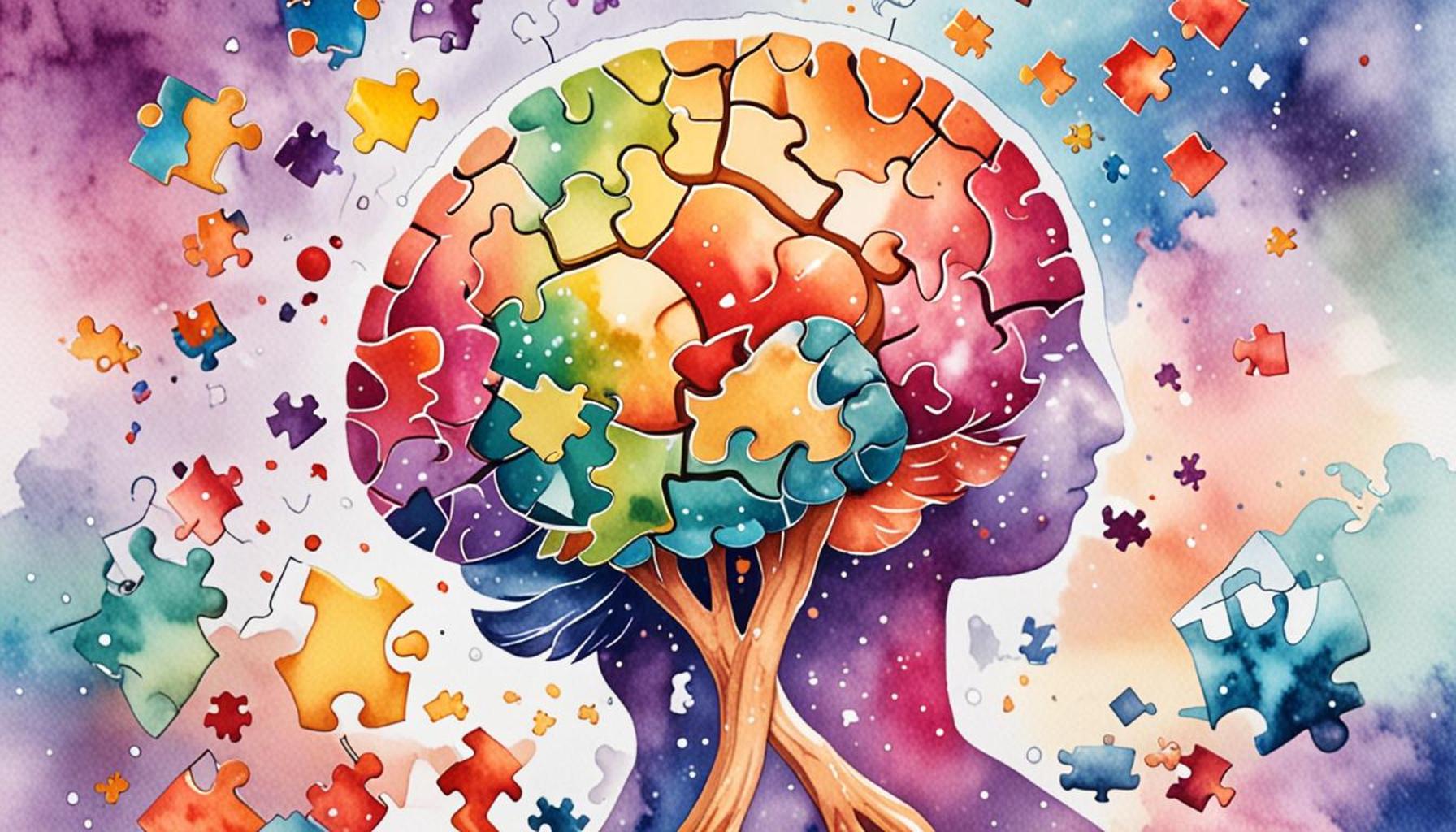
Puzzles have captured the interest of people worldwide, transforming from mere leisure activities into significant tools for cognitive enhancement. Recent studies have illuminated a connection between puzzle complexity and cognitive flexibility, shedding light on the powerful effects that challenging ourselves can have on mental agility. Engaging in puzzles is not just about passing time; it’s a strategic exercise that can shape how we think and adapt.
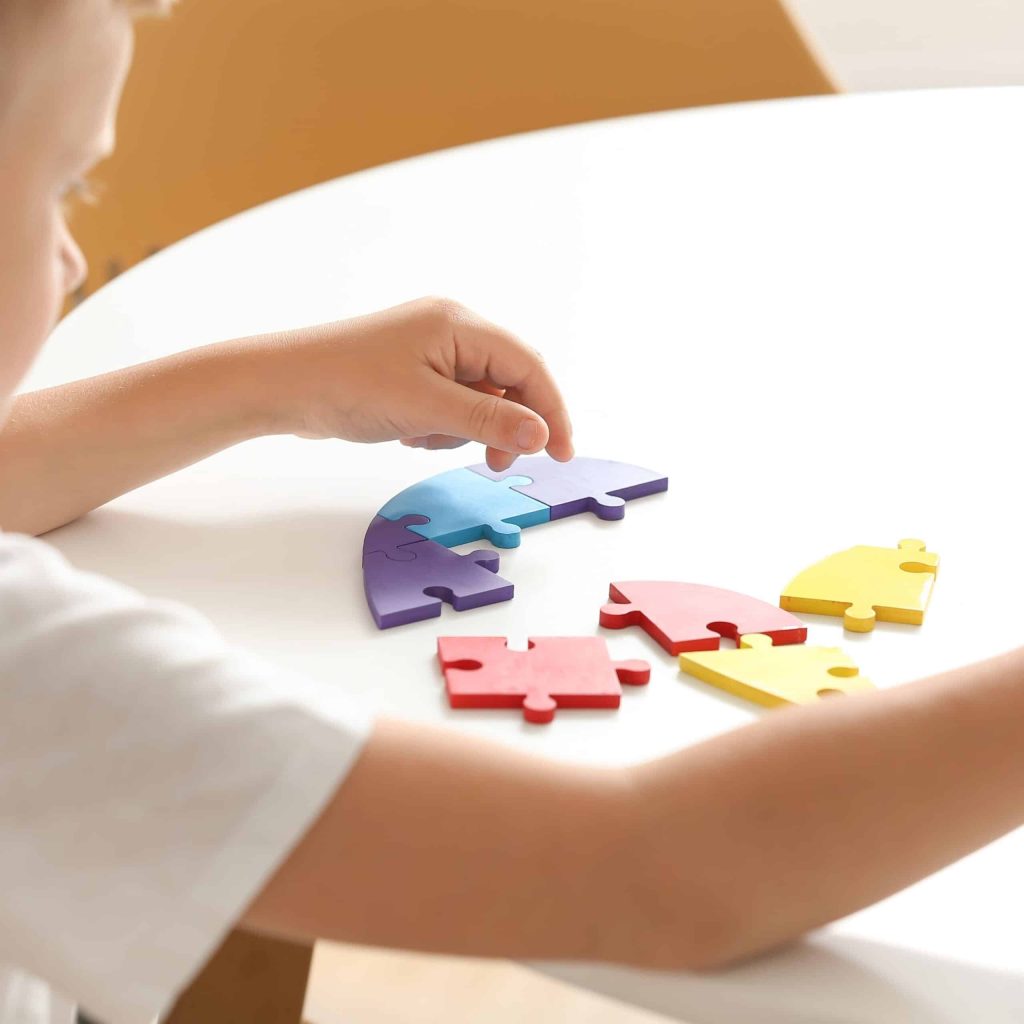
Delving deeper into this connection, we observe various types of puzzles that stimulate different aspects of our cognitive abilities. For instance, jigsaw puzzles are excellent for honing spatial reasoning and visual perception skills, while crosswords stimulate vocabulary and retrieval processes, promoting verbal skills. Sudoku emphasizes logical reasoning and pattern recognition, and logic games, such as riddles or brain teasers, encourage divergent thinking and problem-solving. The diversity among these puzzles means that individuals can find something that piques their interest while effectively working on their cognitive functions.
At the heart of these cognitive benefits lies cognitive flexibility, the brain’s remarkable ability to adapt its thinking. This flexibility allows individuals to switch their focus from one concept to another seamlessly and consider various perspectives, which is crucial not just in puzzle-solving but in daily decision-making and problem-solving scenarios. For example, consider a scenario where someone is at work dealing with multiple tasks. A person with high cognitive flexibility can pivot their attention, analyze the situation from different angles, and come up with creative solutions more effectively than others.
Engagement with challenging puzzles isn’t just fun; it yields substantial benefits. Research has shown that individuals who regularly engage with puzzles display enhanced problem-solving skills, greater creativity, and even an increase in their memory retention over time. Notably, a study published in the journal “Neuropsychology Review” indicates that adults who solve puzzles frequently show less cognitive decline as they age, suggesting a protective benefit against neurodegenerative diseases.
Finding the right level of challenge is essential in maximizing these benefits. Puzzles that are too easy can lead to boredom, diminishing motivation and engagement. Conversely, those that are too difficult may result in frustration, leading to abandonment rather than progress. Therefore, understanding personal limits and striving to push them slightly is crucial for effective brain training.
This exploration emphasizes the profound impact that engaging with the right kind of puzzle can have on cognitive flexibility. Measuring your interest against the challenge presented is key to unlocking the mental benefits of puzzles. In a fast-paced world where adaptability is paramount, honing your brain through puzzles could be one of the simplest yet rewarding strategies for enhancing your mental prowess. Join us as we delve further into the intricacies of puzzles and unveil how they can redefine our approach to mental agility.
DIVE DEEPER: Click here to uncover the psychology behind puzzles
Understanding Puzzle Complexity and Its Impact on Cognitive Flexibility
The relationship between puzzle complexity and cognitive flexibility is both fascinating and multifaceted. As individuals engage with increasingly intricate puzzles, their brains are required to adapt and strategize, which actively enhances this vital cognitive skill. Cognitive flexibility is not merely about solving a puzzle; it encapsulates the broader ability to shift attention, reassess situations, and approach problems from various angles. This adaptability is essential for effective functioning in day-to-day life, whether in personal endeavors or professional pursuits.
Research indicates that varying levels of complexity can lead to distinct cognitive outcomes. To fully grasp this dynamic, it is worthwhile to examine the numerous factors that contribute to how complexity influences cognitive flexibility. Here are some key elements to consider:
- Task Difficulty: Puzzles that present a moderate challenge stimulate critical thinking without overwhelming the solver. Finding that sweet spot between easy and difficult is essential for keeping the brain engaged.
- Type of Puzzle: Different puzzles, such as crossword puzzles, logic puzzles, or brain teasers, target various cognitive functions. Each represents a unique type of challenge that can promote specific mental skills.
- Time Constraints: Adding time limits can increase pressure and stimulate quicker mental adaptations. This can train the brain to make more rapid decisions, enhancing overall cognitive function.
- Interactive Elements: Puzzles that require collaboration or competition, such as escape rooms, can enhance interpersonal cognitive flexibility while also providing a social dimension to problem-solving.
By understanding these factors, individuals can not only select the right puzzles but also tailor their approach to puzzle-solving. For instance, a beginner might opt for simpler jigsaw puzzles while gradually moving on to complex 3D puzzles as their skills develop. This incremental approach is crucial for fostering continuous growth in cognitive flexibility.
Furthermore, studies have elucidated how the brain reacts to these challenges. Engaging with challenging puzzles boosts neuroplasticity—the brain’s ability to form and reorganize synaptic connections in response to learning experiences. This growth at the neural level underscores why it is crucial to find puzzles that are appropriately challenging; they force the brain to adapt, laying the groundwork for improved cognitive flexibility.
Consequently, the connection between puzzle complexity and cognitive flexibility extends beyond mere entertainment. It encapsulates a process that nurtures essential life skills. As we further explore this connection, we can discover the most suitable puzzles that align with our individual cognitive needs, ultimately unlocking our mental potential in an engaging manner.
| Category | Key Features |
|---|---|
| Puzzle Complexity | Complex puzzles require higher levels of cognitive engagement, stimulating brain activity and enhancing cognitive flexibility. |
| Cognitive Benefits | Solving intricate puzzles can lead to improvements in problem-solving skills, adaptability, and a greater capacity to handle challenging situations. |
Exploring the intricate relationship between the challenge of puzzles and cognitive flexibility unveils remarkable insights into how our minds adapt and evolve through complex tasks. Engaging in puzzles that are appropriately challenging not only sharpens mental acuity but also fosters an environment where cognitive flexibility can thrive. When individuals encounter higher-stakes challenges, such as multifaceted puzzles requiring various strategies, they often find themselves navigating through a range of cognitive processes. This, in turn, enhances their brain’s ability to switch between different thought patterns effectively, a core component of cognitive flexibility. Research suggests that brain regions, such as the prefrontal cortex, become more active and build new connections as one tackles complex problem-solving scenarios. This not only improves cognitive skills but can also lead to greater resilience in face of unforeseen challenges. Hence, it becomes crucial to find that sweet spot of puzzle complexity that will not only capture interest but also yield significant cognitive benefits. Advocates of this theory will urge readers to engage with more intricate puzzles intentionally, thereby significantly honing their cognitive abilities—all while having fun!
DIVE DEEPER: Click here to learn more
Tailoring Challenges to Enhance Cognitive Flexibility
When selecting puzzles to boost cognitive flexibility, it’s important to consider not only the complexity of the task but also individual preferences and strengths. Research in cognitive psychology suggests that varied experiences enrich our cognitive abilities, allowing individuals to develop unique problem-solving strategies. By personalizing puzzle choices, one can optimize learning while enjoying the process.
To better understand this personalization, it’s essential to recognize that different cognitive profiles necessitate distinct challenges. For instance, individuals with strong verbal skills might benefit more from crossword puzzles, which demand lexical knowledge and language recall. In contrast, those who excel in spatial reasoning may find engaging with 3D puzzles or tangrams to be more stimulating and beneficial. Establishing a match between a puzzle type and individual strengths can lead to enhanced engagement and cognitive growth.
Moreover, platform variety plays a significant role in puzzle engagement. With the rise of digital puzzles—such as those available on mobile apps or online platforms—solvers have access to a diverse range of challenges that can be more easily adjusted for complexity. Many applications offer features that allow users to gradually increase difficulty, ensuring that the challenges remain stimulating without becoming discouraging. For example, games like Sudoku provide different levels—easy, medium, and hard—to cater to users looking for varying degrees of challenge.
Additionally, understanding how group dynamics impact puzzle-solving can enhance cognitive flexibility. As seen with interactive puzzles like escape rooms or team-based challenges, collaboration fosters diverse perspectives. Engaging with others not only amplifies problem-solving tactics but also enriches interpersonal cognitive flexibility. Being able to dynamically adjust one’s strategies according to team input is a mark of refined cognitive skill. Studies have shown that groups that tackle complex problems often outperform individuals due to the cognitive diversity present during the challenge.
Time constraints should also be considered when selecting puzzles. When faced with a ticking clock, individuals often experience a heightened sense of urgency that compels them to think more quickly. This pressure can simulate real-world scenarios, where swift adaptability is crucial. Furthermore, researchers have indicated that acute time pressure can activate the brain’s prefrontal cortex—responsible for decision-making and flexibility—resulting in a more robust problem-solving approach when interacting with various complexities.
Interestingly, there exists a fascinating relationship between motivation and puzzle complexity. When individuals engage in puzzles that are neither too easy nor impossibly hard, they often experience a state known as “flow,” which enhances motivation and overall satisfaction. This positive emotional state augments cognitive flexibility by encouraging individuals to explore new strategies and breakdown assumptions while tackling these challenges.
Ultimately, the quest for the perfect puzzle challenge continues to intersect with scientific inquiry into cognitive processing. As more research emerges on how puzzle complexity can refine cognitive flexibility, individuals can better analyze their own learning paths. By experimenting with various types of puzzles, boundaries can be pushed, unlocking greater cognitive potential while navigating diverse learning environments.
DIVE DEEPER: Click here to discover more
Conclusion
In summary, the intriguing relationship between puzzle complexity and cognitive flexibility highlights the significance of finding the right challenge tailored to individual cognitive profiles. As we navigate our way through various types of puzzles—from thought-provoking crosswords to intricate 3D puzzles—optimal engagement hinges on aligning these challenges with personal strengths and preferences. The impact of platform variety further underscores the necessity of adapting complexity levels to maintain motivation while enhancing problem-solving skills.
Moreover, the social dynamics of puzzle-solving underscore another layer of cognitive engagement, as interactions in group settings amplify creative strategies and broaden perspectives. The additional factors of time constraints and the state of ‘flow’ enrich the puzzle-solving experience, showcasing how all these elements converge to stimulate cognitive growth. These insights point to an exciting potential: the ability to refine cognitive flexibility through playful engagement with puzzles is both enriching and enjoyable.
As research continues to unravel the intricacies of cognitive processes, the journey toward selecting the right puzzle challenge reveals a path not only to improved mental acuity but also to deeper self-awareness in our learning approaches. By embracing the diverse complexity of puzzles available in today’s digital landscape, individuals can unlock not only their cognitive potential but also a newfound appreciation for the power of play in learning. Exploring this connection may inspire further investigation and enthusiasm, encouraging all of us to engage with the challenges that best stimulate our minds.