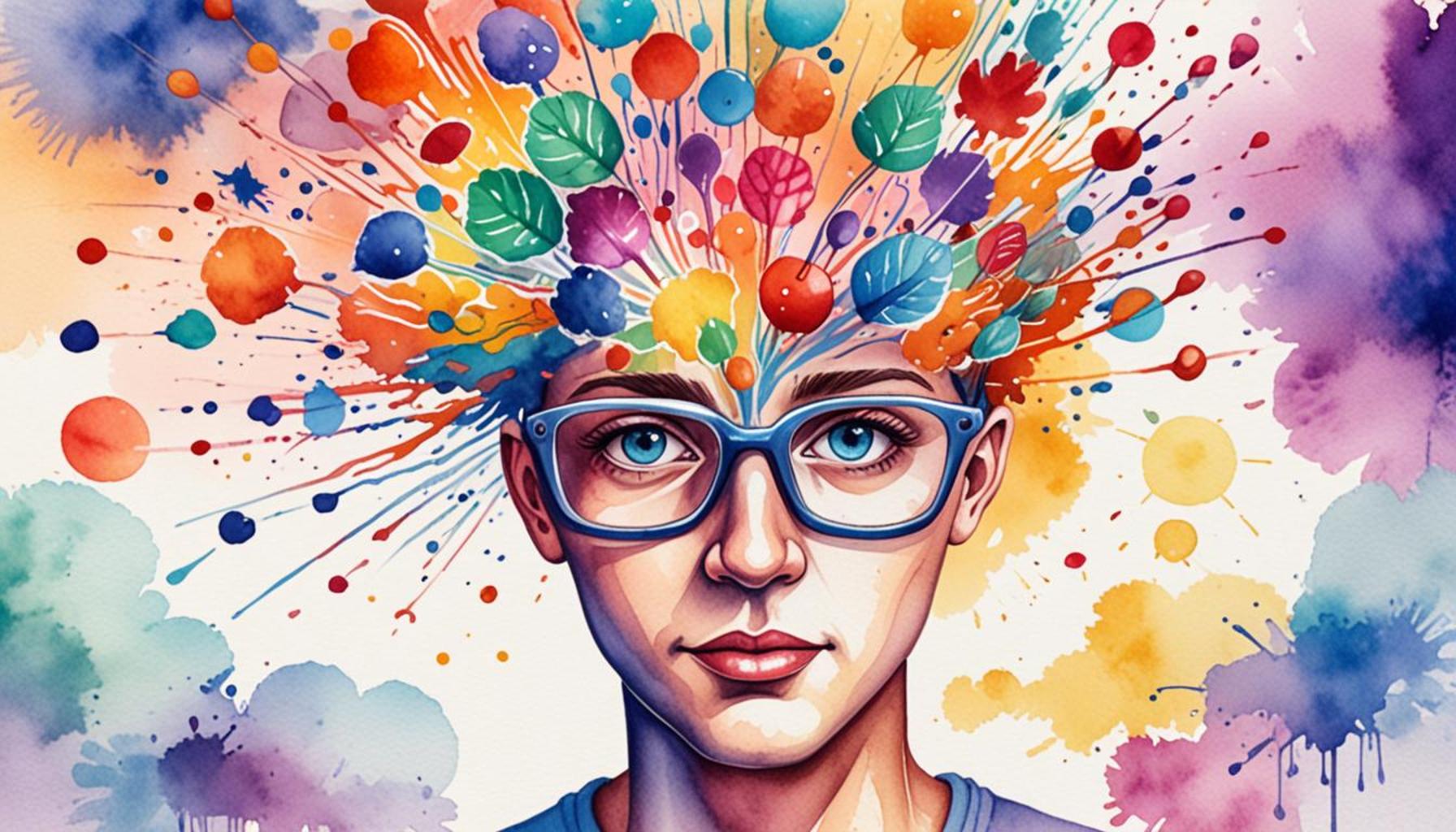
Gamification of Cognitive Training: How Mind Games Engage the Brain
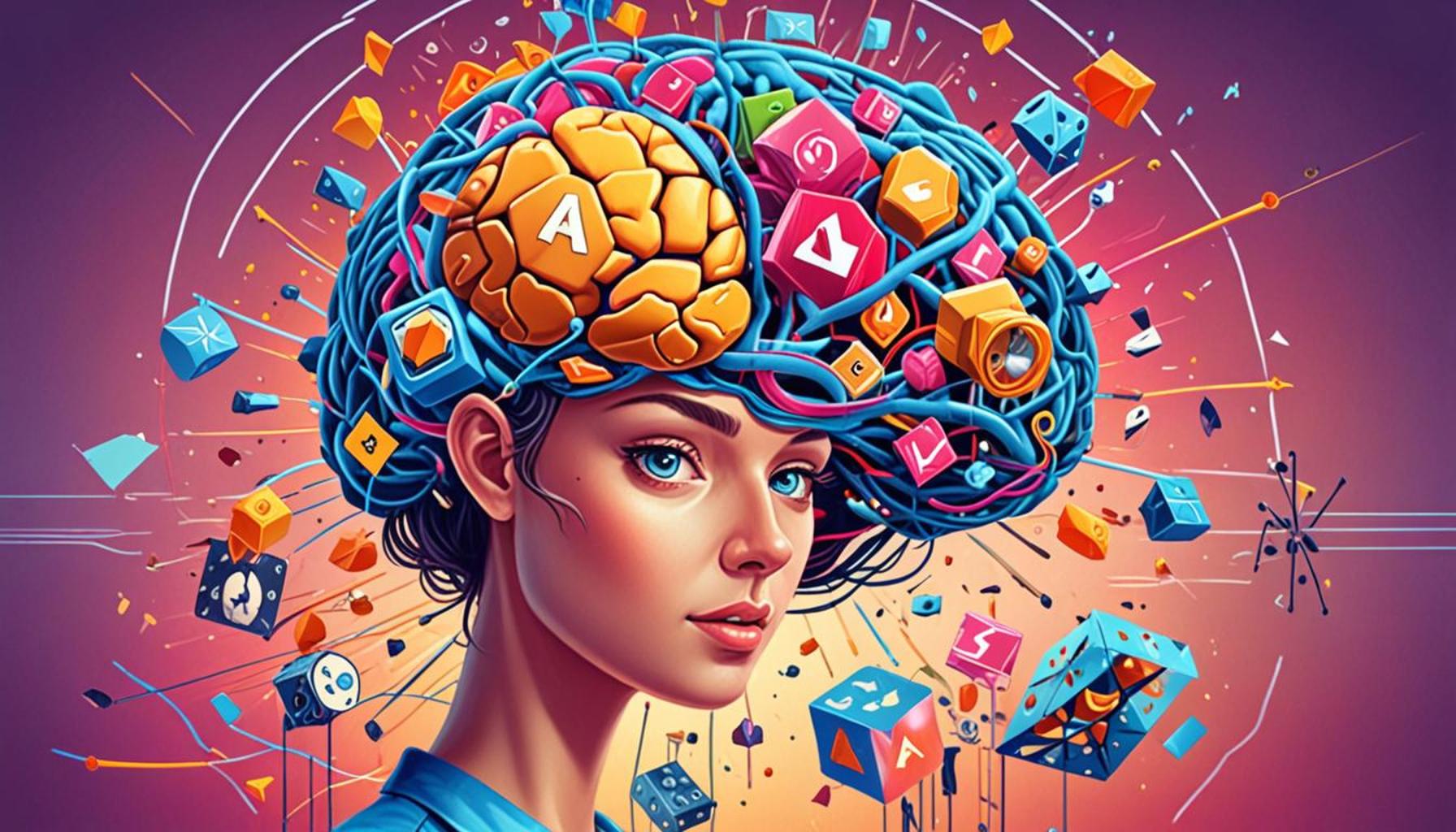
Revolutionizing Mind Games
The integration of gamification into cognitive training is transforming traditional approaches to enhancing brain function. By infusing game-like elements such as scoring systems, challenges, and rewards into cognitive exercises, these interactive activities are engaging a more diverse audience, proving that brain training can be as entertaining as it is beneficial. From toddlers learning shapes through colorful puzzles to seniors tackling memory quizzes, gamified cognitive training offers something for everyone, regardless of age or background.
So, what makes this blend so potent? Let’s examine some compelling reasons:
- Enhanced Motivation: One of the most appealing aspects of gamification is the way it taps into human psychology. Games often provide instant feedback, moments of accomplishment, and a sense of progression that can encourage continued participation. For example, apps like Lumosity utilize levels, badges, and scoreboards to cultivate a competitive spirit and keep users engaged.
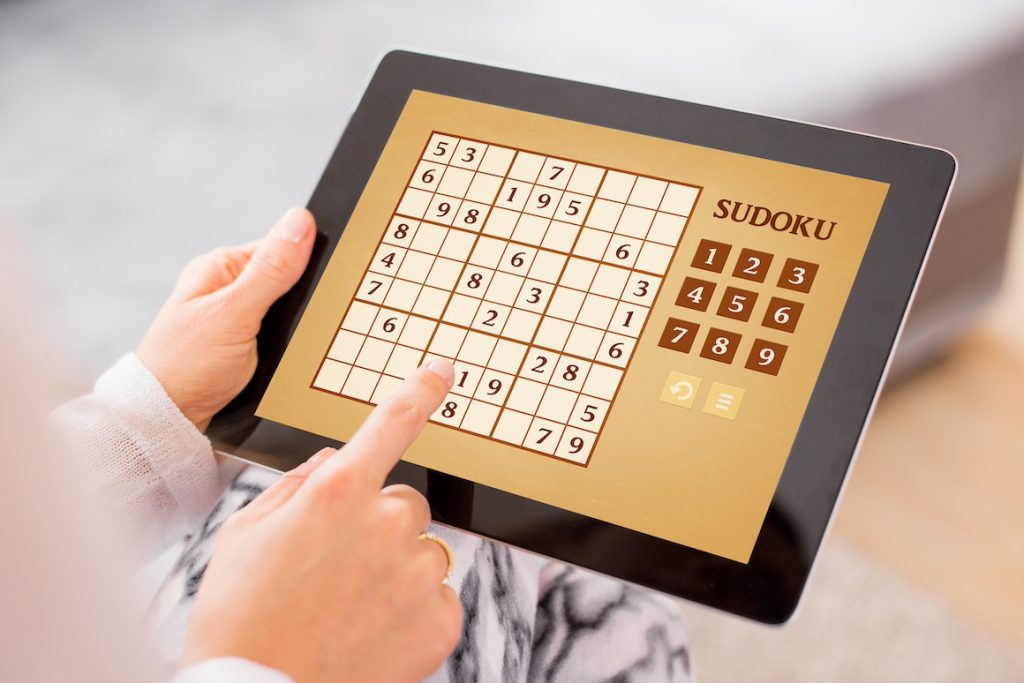
- Accessible Learning: The portability of mind games is another significant advantage. With cognitive training apps available on smartphones and tablets, users can engage in brain exercises anywhere—whether waiting for a coffee, commuting on the subway, or relaxing at home. This flexibility helps ensure that busy lifestyles do not hinder cognitive development.
- Social Interaction: Many gamified platforms promote social connectivity, allowing users to compete against friends or collaborate in achieving goals. This communal aspect fosters a sense of belonging and camaraderie. Online forums and leaderboards provide users with ways to compare their progress, stay motivated, and share strategies.
Research supports the efficacy of these mind games, highlighting that regular participation can lead to remarkable improvements in various cognitive skills, such as memory retention, cognitive flexibility, and enhanced problem-solving abilities. One study from the University of California found that participants engaging in brain games exhibited a 30% increase in cognitive function indicators within six weeks.
As we navigate the expansive realm of gamified cognitive training, a pertinent question arises: How can we maximize the benefits of these engaging tools? To truly unlock the potential of our minds, it is essential to not only participate but also to choose the right games that resonate with our personal interests and cognitive goals.
Join us as we dive deeper into this intriguing intersection of gaming and cognitive skills development, exploring strategies, success stories, and insights that will empower you to enhance your brain while enjoying the process!
DISCOVER MORE: Click here to unlock your creativity
Unlocking Cognitive Benefits Through Play
The fusion of gamification with cognitive training not only captivates users but also deliberately harnesses the underlying principles of game design to unlock cognitive benefits. The question arises: how precisely do these engaging formats enhance brain function? Let’s break down the neuroscience and user engagement aspects that make gamified cognitive training truly effective.
Understanding Cognitive Skills Enhancement
Cognitive training games are specifically designed to target and improve various cognitive skills. Research suggests that engaging in these fun and challenging activities stimulates brain regions associated with memory, attention, and problem-solving. For instance, games demanding pattern recognition can increase cognitive flexibility, making it easier for individuals to switch between tasks or adapt to new information—skills that are paramount in both personal and professional settings.
Furthermore, studies have demonstrated that brain training programs can yield measurable improvements. A study conducted by the National Institutes of Health revealed that participants who regularly engaged in commercial cognitive training games saw significant enhancements in their memory recall and processing speed compared to those who did not partake in such activities.
Engagement Techniques: Fostering a Playful Mindset
The core elements of gamification play a crucial role in fostering engagement. Here are several techniques that mind games utilize to captivate users:
- Progress Tracking: Gamified cognitive training often includes progress meters or levels that visually represent a player’s development. This creates a sense of achievement, motivating users to reach new heights.
- Variety of Challenges: An array of games targeting various cognitive skills keeps the training process fresh and exciting. Users can alternate between puzzles, memory challenges, and attention-based exercises, preventing monotony and boredom.
- Reward Systems: Incorporating rewards, such as points, badges, or new challenges unlocked through accomplishments, reinforces positive behavior. This not only enhances motivation but encourages users to maintain their cognitive training regimen.
These methods effectively blend fun with productivity, leading to increased time spent on cognitive tasks and, ultimately, improved skills over time. With the power of gamified cognitive training at our fingertips, users can not only enhance their mental faculties but also integrate learning into their daily routine seamlessly.
Tailoring the Experience
To maximize the cognitive benefits of mind games, it is vital to understand personal preferences and goals. Different individuals may resonate with various types of games based on their interests and cognitive needs. For instance, someone seeking to improve memory retention may benefit more from game formats that emphasize recall, while another aiming for improved problem-solving skills may find challenges in logic puzzles more fruitful. As users explore an array of gamified cognitive training options, the potential to tailor their experience opens doors to engaging in activities that resonate on a personal level.
As gamification continues to reshape cognitive training methodologies, the integration of enjoyable elements into serious mental exercises proves beneficial. Embracing these strategies not only assists users in enhancing their cognitive abilities but also ensures that the journey is enjoyable and rewarding.
| Advantage | Benefit |
|---|---|
| Enhanced Engagement | Mind games utilize interactive challenges that captivate users’ attention, making cognitive training less monotonous. |
| Improved Cognitive Skills | Regular engagement with these games has been shown to sharpen memory, attention, and problem-solving abilities. |
| Motivational Feedback | Gamification elements provide instant rewards and progress tracking, encouraging users to persist in their cognitive training journey. |
| Social Interaction | Multiplayer options foster community involvement and friendly competition, enhancing the overall experience. |
The integration of gamification in cognitive training offers a unique landscape where traditional learning is transformed into an engaging adventure. Players not only exercise their mental muscles but also hone essential skills in a fun, interactive format. Whether through solving puzzles or competing against peers, the immersive nature of these mind games keeps users returning for more, while actively improving their cognitive functions. The benefits are profound, ranging from enhanced memory recall to sharper critical thinking skills. As you dive deeper into this topic, the influence of gamification on cognitive abilities reveals a burgeoning field ripe for exploration.
EXPLORE MORE: Click here for calming mind games
Neuroscience Behind Gamification
To fully grasp why gamification is such an alluring avenue for cognitive training, it’s essential to delve deeper into the neuroscience that underpins the impact of games on brain functions. Engaging in mind games leads to increased neuroplasticity—the brain’s ability to reorganize itself by forming new neural connections. This is particularly significant for individuals of all ages, from children developing foundational skills to adults seeking to maintain cognitive sharpness.
The Role of Dopamine in Gamified Learning
One critical component of this process is the release of dopamine, a neurochemical associated with the brain’s reward system. When players achieve high scores, earn rewards, or reach specific milestones, dopamine is released, cultivating feelings of pleasure and satisfaction. This reward mechanism stimulates motivation and encourages repeated engagement, allowing users to continue exercising their cognitive functions. A study published in the journal Nature found that activities that trigger dopamine release can significantly enhance learning outcomes, making gamified cognitive training an effective method for skill acquisition.
Enhancing Emotional Engagement Through Storytelling
Moreover, many cognitive training games leverage the art of storytelling to deepen emotional engagement. The incorporation of narratives provides context and meaning to tasks, transforming mere exercises into immersive experiences. For instance, a game may set users on a quest to save a fantasy realm while solving complex puzzles, cultivating a deeper connection with the objectives at hand. This technique draws upon psychological principles showing that emotionally engaged learners are more likely to retain information and develop critical thinking skills. Not just limited to children, these narratives can appeal to adults as well, leading to sustained interest and participation.
Cognitive Training Apps: Rising Popularity and Accessibility
The rise of mobile technology has made it easier for users to access gamified cognitive training tools anytime and anywhere. Apps like Lumosity and Peak have captured the interest of millions of users, combining compelling visuals with competitive elements that cater to various cognitive abilities. According to a recent analysis, the global market for e-learning in cognitive training is expected to reach $7 billion by 2025, reflecting both the demand for these tools and their versatility in meeting the needs of a diverse audience.
Real-World Applications of Gamified Training
Beyond personal cognitive improvement, gamification is making strides in educational and corporate settings as well. Schools are adopting gamified learning strategies to inspire creativity and critical thinking in students. For example, educators utilize interactive simulations and challenge-based learning to enhance subjects like math and science, transforming traditional teaching methods into engaging experiences. Meanwhile, businesses increasingly leverage brain games to foster employee cognitive skills, improve teamwork, and enhance problem-solving capabilities. Programs designed for team-building famously incorporate competitive elements, allowing participants to develop cognitive skills while networking and collaborating.
This expansion of gamification in varied arenas highlights its potential to reshape how cognitive training is perceived and executed, blending fun with educational value. As research continues to validate its effectiveness, the future promises an even more significant integration of mind games into everyday life, making cognitive development accessible, enjoyable, and indispensable.
DISCOVER MORE: Click here to dive deeper
Conclusion
As we have explored in this article, the gamification of cognitive training is not merely a trend; it represents a profound evolution in how we understand and enhance brain function. By leveraging the principles of neuroscience, such as neuroplasticity and dopamine reinforcement, mind games create an engaging and powerful medium for enhancing cognitive abilities. The integration of storytelling further amplifies this effect, fostering emotional connections that enhance retention and motivate learners.
The rapid growth of mobile applications and platforms like Lumosity and Peak has democratized access to cognitive training, making it more appealing and practical than ever before. As evidenced by the projected $7 billion market in e-learning for cognitive training by 2025, the appetite for these innovative tools is clear. Educators and businesses are tapping into the potential of gamified training, creating environments where learning is both enjoyable and effective.
Looking ahead, it is crucial to recognize that the future of cognitive training bears immense promise. The combination of fun and educational value in mind games not only helps develop essential skills but also encourages lifelong learning. As research continues to unfold, we may see even more dynamic and personalized gamified approaches that cater to individual learning needs, making cognitive improvement a priority for everyone. The journey into the gamification of cognitive training is just beginning, and its impact could reshape the landscape of education and personal development in remarkable ways.