
The Influence of Age on Puzzle-Solving Abilities and Cognitive Enhancement

Understanding Age and Cognitive Skills
As we journey through life, our cognitive abilities evolve significantly. One fascinating area of study is the impact of age on our skills in puzzle-solving. Researchers are uncovering how various age groups approach puzzles differently and how these activities can enhance our mental capabilities. Engaging in puzzles, ranging from crosswords and Sudoku to complex jigsaw puzzles and logic games, presents a unique opportunity to understand cognitive development across the lifespan.
Key Factors Influencing Puzzle-Solving Across Ages
- Experience: Older adults often draw on a wealth of life experiences, giving them unique advantages in recognizing patterns. For instance, a retiree may have extensive experience with crossword puzzles, allowing them to leverage their vocabulary and knowledge for solving them efficiently. This familiarity can result in a deeper understanding of the puzzle’s structure, potentially leading to quicker solutions.
- Cognitive Speed: Younger individuals might possess faster processing speeds, allowing them to tackle puzzles quickly. Studies show that young adults, particularly those in their 20s and 30s, often complete puzzles at a brisk pace due to their optimal reaction times and quick decision-making abilities. This rapid processing can sometimes overshadow the more contemplative approach of their older counterparts.
- Memory Retention: Age can affect memory, altering how individuals remember clues or strategies during puzzle-solving. While older adults may have issues with short-term memory, they often compensate with a stronger long-term memory. They might recall strategies and patterns from long-forgotten puzzles that can guide them through new challenges.
These distinct characteristics raise several compelling questions. How does age affect our approach to problem-solving tasks? Are older adults just as adept at solving riddles and brainteasers as their younger counterparts? Research indicates that while the cognitive approach to puzzle-solving changes with age, it doesn’t necessarily diminish capabilities. For instance, a 70-year-old may take longer to solve a complex puzzle than a 25-year-old, but the older individual might provide more insightful interpretations, showcasing wisdom gained over a lifetime.
Moreover, how can engaging in puzzles serve as a tool for cognitive enhancement across different life stages? The simple act of solving puzzles has been linked to improved memory, better problem-solving skills, and even enhanced emotional well-being. A study published in a leading psychology journal emphasized that older adults who regularly engage in mental exercises, such as puzzles, can significantly delay cognitive decline and maintain sharper thinking skills.
This article delves into these intriguing questions, uncovering insights that may inspire readers to embrace puzzle-solving at any age. Engaging with puzzles not only fosters a sense of accomplishment but also ensures ongoing mental stimulation, promoting lifelong learning and cognitive flexibility. Join us as we explore the intersection of age, cognitive function, and the universal joy of puzzling, revealing how every age group can enjoy and benefit from the challenge they present.
DISCOVER MORE: Click here to uncover the truth
The Cognitive Evolution of Puzzle-Solving Skills
Puzzle-solving is not merely a recreational activity; it serves as a tool for cognitive engagement that evolves with age. Different stages of life bring varying cognitive strengths and weaknesses, each affecting how individuals approach and complete puzzles. Understanding this cognitive evolution can illuminate why puzzles are beneficial across all age groups, from children learning foundational skills to seniors seeking to bolster their mental agility.
Cognitive Advantages Across Age Groups
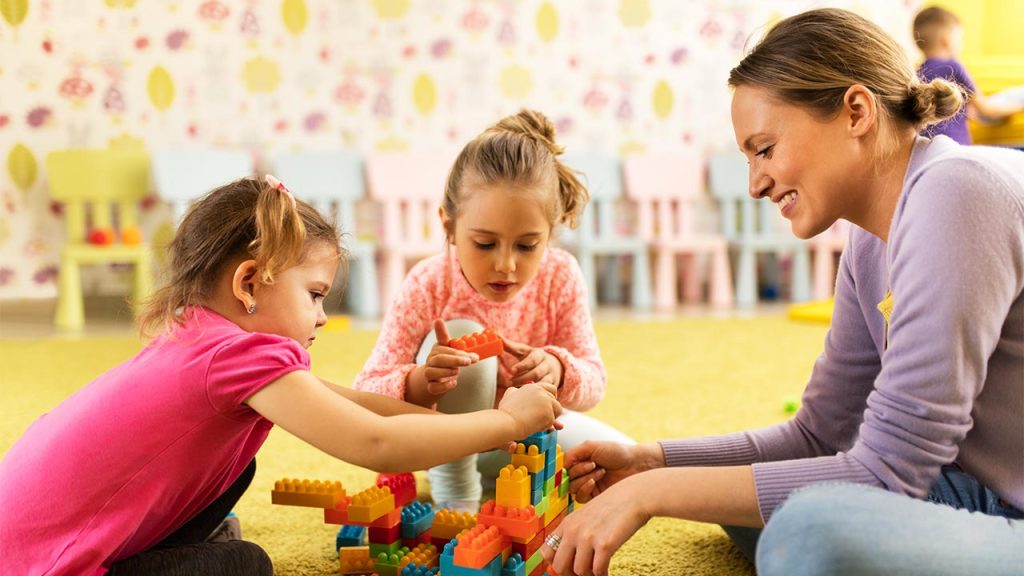
One of the most intriguing aspects of age-related puzzle-solving lies in the unique cognitive advantages that each generation brings to the table. Children, for instance, are often characterized by their impressive adaptability and enthusiasm. Their brains are in a constant state of development, making them extraordinary at learning patterns and strategies. Engaging them with age-appropriate puzzles can foster essential skills such as critical thinking, reasoning, and even patience, as they learn to navigate challenges and develop persistence.
In contrast, adolescents and young adults are typically equipped with sharp processing speeds and advanced technical skillsets, allowing them to solve puzzles rapidly. For instance, in timed puzzle competitions, teenagers and young adults often outperform their older counterparts thanks to their swift cognitive responses. Interestingly, this age group is also driven by an intrinsic motivation to compete, making puzzle-solving a spirited activity that promotes teamwork and camaraderie.
As individuals move into their middle age, a shift occurs. This stage is often marked by increased life experience and accumulated knowledge, contributing to enhanced problem-solving strategies. Adults in their 40s and 50s may not complete puzzles as swiftly as younger people, but their ability to approach problems with a thoughtful and strategic mindset becomes evident. This demographic often benefits from their capability to recall past experiences and apply those lessons to current challenges, making them adept at solving complex puzzles.
Finally, the cognitive landscape of older adults—those above 65—shows a different yet remarkable relationship with puzzles. Although issues with speed and short-term memory may emerge, older individuals often reveal profound depth in understanding puzzles through their extensive life experience. They can exhibit superior reasoning skills and pattern recognition abilities that bypass fast processing speeds. For instance, solving a challenging crossword puzzle may take longer, but their insight can lead to more creative solutions.
The Power of Puzzles for Cognitive Enhancement
So, what role do puzzles play in cognitive enhancement? Engaging in regular puzzle-solving activities is shown to be beneficial across various age groups. Studies indicate that individuals who regularly challenge their brains with puzzles can experience significant cognitive benefits such as:
- Improved Memory: Enhancing both short-term and long-term recall capabilities.
- Better Problem-Solving Skills: Fostering innovative and strategic thinking abilities.
- Increased Emotional Well-Being: Reducing stress and promoting relaxation through focus and engagement.
With growing evidence supporting the cognitive benefits of puzzle-solving, people of all ages are encouraged to integrate puzzles into their daily routines. This engagement not only enhances current cognitive abilities but also inspires a culture of lifelong learning and intellectual curiosity.
The relationship between age and puzzle-solving abilities has been a subject of extensive research, revealing fascinating insights into cognitive enhancement throughout different life stages. As individuals age, their cognitive processes evolve, and studies suggest that older adults may bring a wealth of experience and strategic thinking to puzzle-solving tasks. This can often lead to improved problem-solving skills, particularly in complex puzzles that require multifaceted approaches.
For instance, older adults tend to excel in pattern recognition and abstract thinking, skills honed over years of varied experiences. The neuroplasticity of the brain enables individuals of all ages to adapt and refine their cognitive abilities, which can be particularly beneficial in engaging with puzzles. Moreover, the social aspect of puzzle-solving, often shared among family and friends, can further enhance cognitive engagement and foster emotional connections, promoting sustained mental vitality.
Interestingly, studies indicate that engaging in puzzles can serve as a form of mental exercise, with the potential to delay cognitive decline. Regular participation in challenging activities like crosswords, Sudoku, or jigsaw puzzles not only enhances memory and recognition skills but may also contribute significantly to overall brain health. For instance, individuals who are adept at these activities often display improved lateral thinking and enhanced decision-making skills, which are crucial as one ages.
Additionally, the cognitive benefits derived from puzzle-solving are not solely limited to older adults; younger individuals benefit from exposure to diverse puzzle types too. Engaging them in complex problem-solving activities can stimulate creativity, critical thinking, and perseverance. By understanding the nuanced ways age influences these abilities, we can better appreciate the lifelong benefits of maintaining an active and challenging cognitive lifestyle.
| Cognitive Skill | Influence of Age |
|---|---|
| Pattern Recognition | Older adults often leverage life experiences to identify patterns more effectively. |
| Decision-Making | Younger individuals can improve critical thinking through early engagement with puzzles. |
Understanding these dynamics highlights the importance of tailoring cognitive activities to benefit various age groups, thus fostering an environment where both young and older individuals can thrive in their puzzle-solving endeavors. This knowledge not only enriches our appreciation of cognitive aging but provides a roadmap for effective cognitive challenges tailored to enhance problem-solving skills at any age.
DISCOVER MORE: Click here to uncover the benefits of puzzles
The Interplay of Age and Puzzle Types
Another fascinating dimension in the study of puzzle-solving abilities across different age groups is the interplay between age and the types of puzzles individuals tend to prefer. As cognitive functions shift, so too do the motivations and interests behind selecting specific puzzle formats. This interplay can provide insights into how to tailor puzzles to individual age demographics for optimal cognitive benefits.
Puzzle Preferences Among Age Groups
Young children, with their innate curiosity and eagerness to explore, gravitate towards tactile and visually stimulating puzzles. Activities such as jigsaw puzzles composed of vibrant images or interactive digital puzzles offer a foundation for developing critical spatial awareness and hand-eye coordination. These types of puzzles not only engage their young minds but also offer a sense of accomplishment that fuels their desire to learn.
As children transition into adolescents, the complexity of their puzzle preferences evolves. They are often drawn to puzzles that challenge their abstract thinking abilities, such as Sudoku, logic puzzles, and brain teasers. This age group enjoys the thrill of competition often found in puzzle-solving games, which further solidifies their cognitive development through social interaction and teamwork. Research indicates that teenagers participating in collaborative puzzle-solving experiences significantly enhance their communication skills and foster a sense of community.
In early adulthood, the inclination towards puzzles often shifts toward digital platforms. Video game-based puzzles or online escape rooms gain popularity as they incorporate fast-paced challenges that align with this age group’s preference for instant gratification and rapid problem-solving. Interestingly, these digital puzzles can simultaneously stimulate critical thinking and foster social interactions, as young adults often engage in cooperative problem-solving with peers or family members.
Moving into middle age, puzzle preferences often reflect a more strategic and reflective approach. This demographic may find themselves gravitating towards word puzzles, chess, or complex strategy-based games that utilize both their accumulated life experiences and analytical prowess. Engaging in these mental activities can significantly enhance memory retention and improve cognitive flexibility, allowing middle-aged individuals to navigate the increasingly complex life challenges that arise during this phase.
For those in their senior years, the type of puzzles they prefer may lean toward comforting, yet mentally stimulating activities such as crosswords and jigsaw puzzles with lower levels of complexity. While speed may not be the primary focus, these puzzles provide a valuable outlet for creative thinking and long-term memory recall. Notably, research has indicated that seniors who regularly engage in puzzles that require reminiscing—such as puzzles themed around specific decades—can enhance their cognitive functions related to nostalgia and personal history, which may further contribute to their emotional well-being.
Adapting Puzzles for Cognitive Improvement
Understanding the puzzle preferences of different age groups not only highlights their cognitive strengths but also presents a unique opportunity to create a tailored approach to cognitive enhancement. Designed thoughtfully, puzzles can cater to the specific developmental needs of each age group, maximizing their potential for improving cognitive abilities. Incorporating a variety of puzzle formats is essential for keeping individuals engaged, allowing for continuous cognitive stimulation throughout different life stages.
As the landscape of puzzle-solving continues to adapt with technology and societal changes, it is crucial to recognize that puzzles are not just games; they are powerful tools for cognitive enhancement that hold significance across all ages. The key lies in matching the right puzzle to the right age group, ultimately facilitating a lifelong journey of learning and mental agility.
DISCOVER MORE: Click here to dive deeper into memory enhancement techniques
Conclusion
In summation, the intricate relationship between age and puzzle-solving abilities highlights not only the cognitive evolution that occurs throughout the human lifespan but also the potential for targeted cognitive enhancement through tailored puzzle activities. As we progress from childhood, where tactile and visually stimulating puzzles lay the groundwork for early cognitive development, to the more strategically complex preferences of middle-aged adults and the nostalgic engagements favored by seniors, it becomes evident that each age group possesses unique strengths and challenges in their reasoning and problem-solving capabilities.
Moreover, the diverse array of puzzles available today—from hands-on jigsaws to digital escape rooms—serves as a potent means of enriching social interactions and enhancing cognitive flexibility across all demographics. The symbiotic nature of puzzle-solving with cognitive enhancement can lead to improved memory retention, critical thinking, and emotional well-being.
As we embrace the significance of puzzles as a tool for cognitive improvement, it is crucial for educators, caregivers, and family members to encourage participation in age-appropriate puzzles that foster engagement and enjoyment. Understanding the cognitive benefits associated with each age group’s preferences can inspire further investigation into how such activities can be incorporated into daily routines to promote lifelong mental agility.
Ultimately, recognizing that puzzles transcended mere pastime status to become robust agents of cognitive health encourages individuals of all ages to partake in this mentally stimulating journey. It presents a satisfying opportunity to not only challenge ourselves but also grow intellectually throughout the different stages of life.