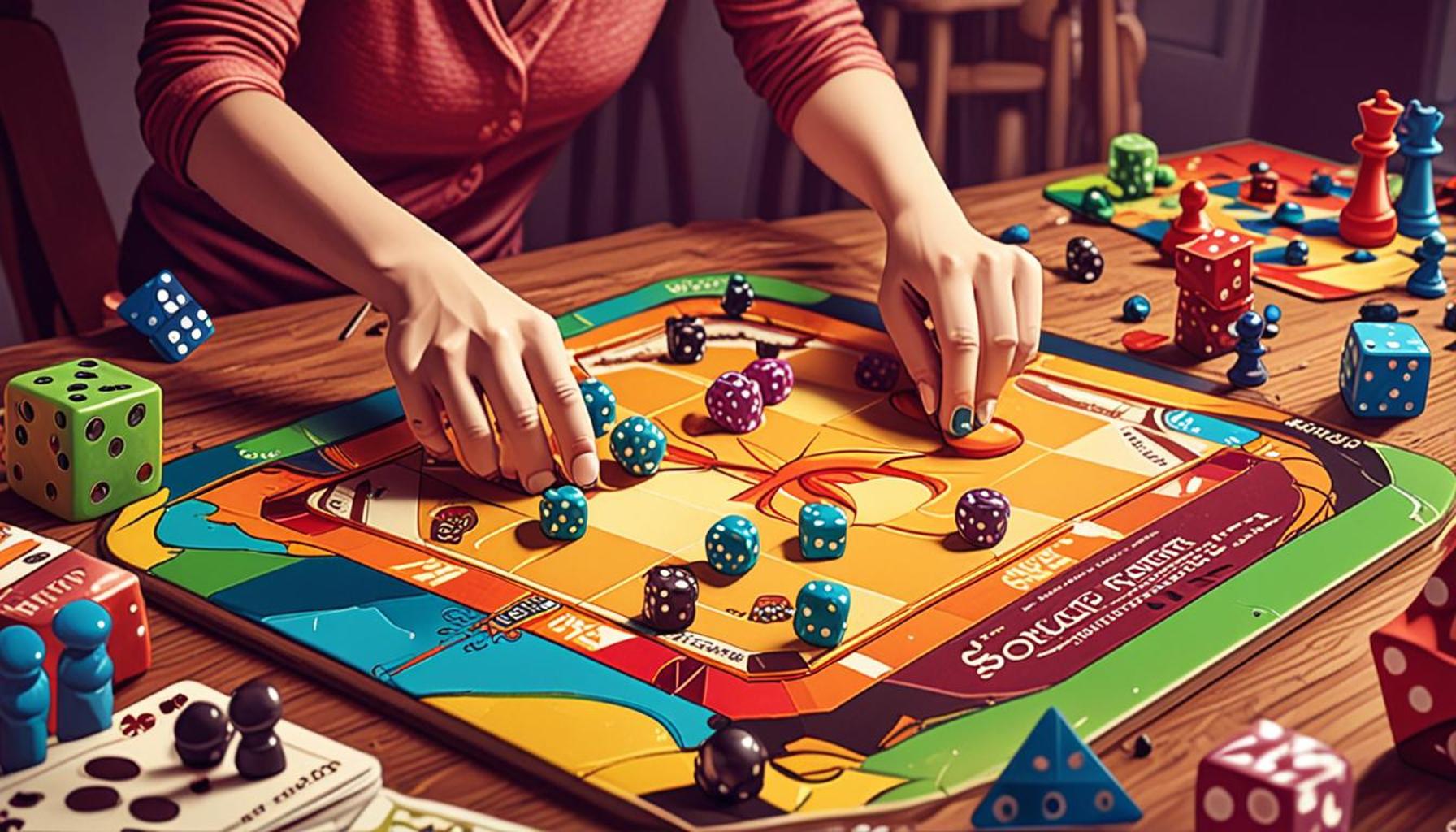
The Importance of Creative Thinking in Solving Puzzles
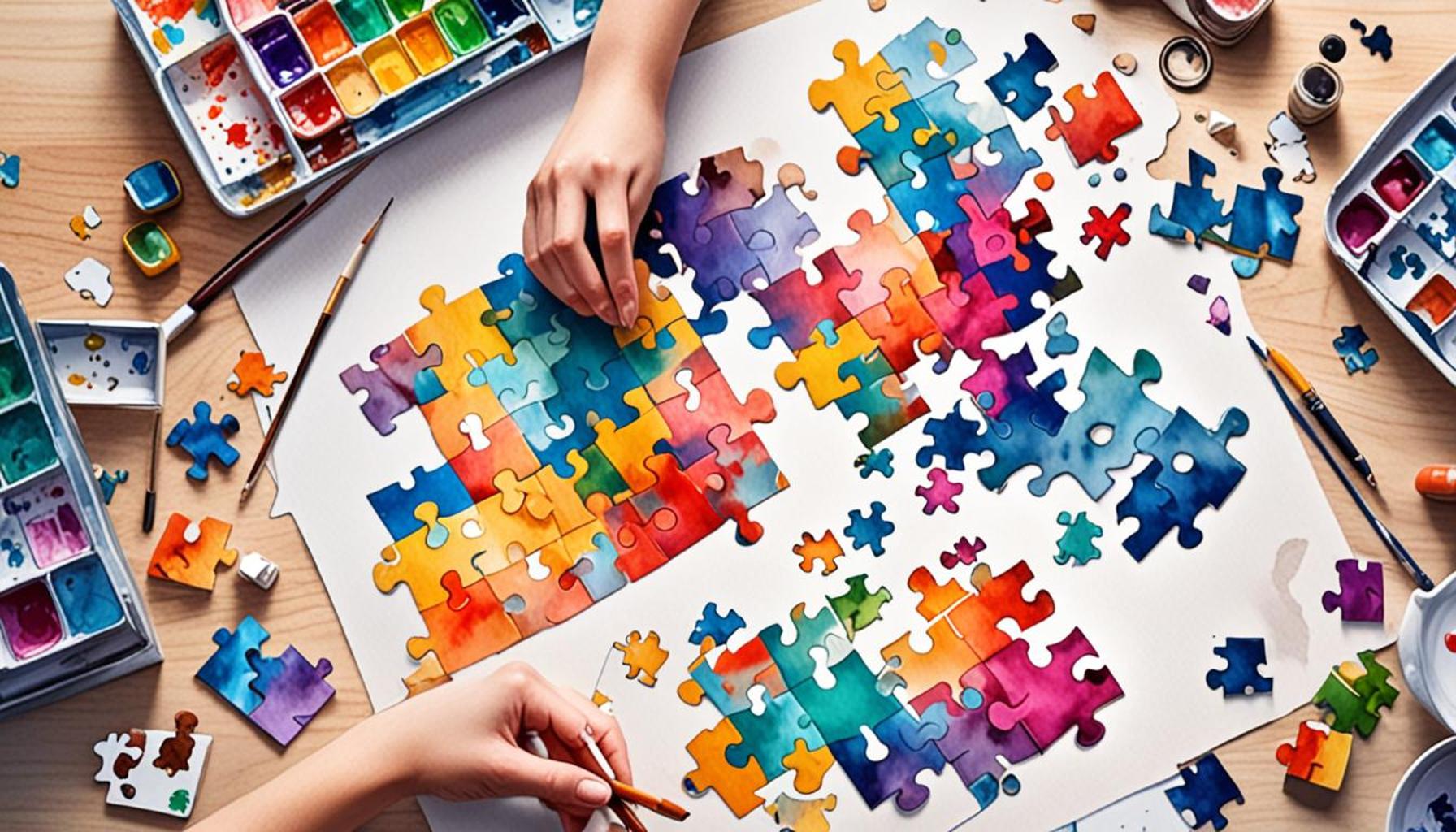
The Power of Creative Thinking in Problem Solving
Every puzzle presents a unique challenge, but the key to unraveling its secrets often lies in creative thinking. This invaluable skill enables individuals to approach problems from fresh perspectives and develop innovative strategies. Whether you are tackling a complex math problem or piecing together a jigsaw puzzle, the ability to think creatively is crucial.
Consider the variety of puzzles we encounter daily:
- Crossword puzzles that demand wordplay and lateral thinking. For example, many clues require solvers to think beyond the obvious, prompting them to consider synonyms, homonyms, or cultural references to fill in the blanks.
- Logic puzzles that require systematic reasoning and unconventional approaches. These puzzles often present scenarios that must be dissected carefully, allowing solver to develop unique solution pathways.
- Jigsaw puzzles that test our spatial awareness and problem-solving skills. As we fit pieces together, we are not just assembling a picture but also honing our ability to visualize relationships and patterns.
Creative thinking transforms these challenges into opportunities for growth. It encourages:
- Breaking free from conventional rules and norms. This is especially relevant in environments like classrooms and workplaces, where rigid structure can stifle innovation.
- Connecting disparate ideas to form comprehensive solutions, a practice that can lead to breakthroughs in various fields, from technology to art.
- Embracing trial and error as part of the learning process. This mindset is particularly encouraged in STEM education, where experimentation is essential for understanding complex concepts.
In the United States, this approach has become increasingly vital, especially in educational and recreational settings where critical thinking is emphasized. Numerous educational institutions are incorporating creative problem-solving techniques into their curricula, promoting an atmosphere where students feel empowered to explore and innovate. Furthermore, organizations such as the National Association for Gifted Children advocate for the importance of nurturing creativity alongside traditional academic skills.
As we explore the intricacies of puzzles, it becomes clear that the most effective solvers are those who think outside the box. This is evident in various popular puzzle-solving competitions held across the country, where participants are celebrated not only for their speed but also for their innovative strategies and creative approaches.
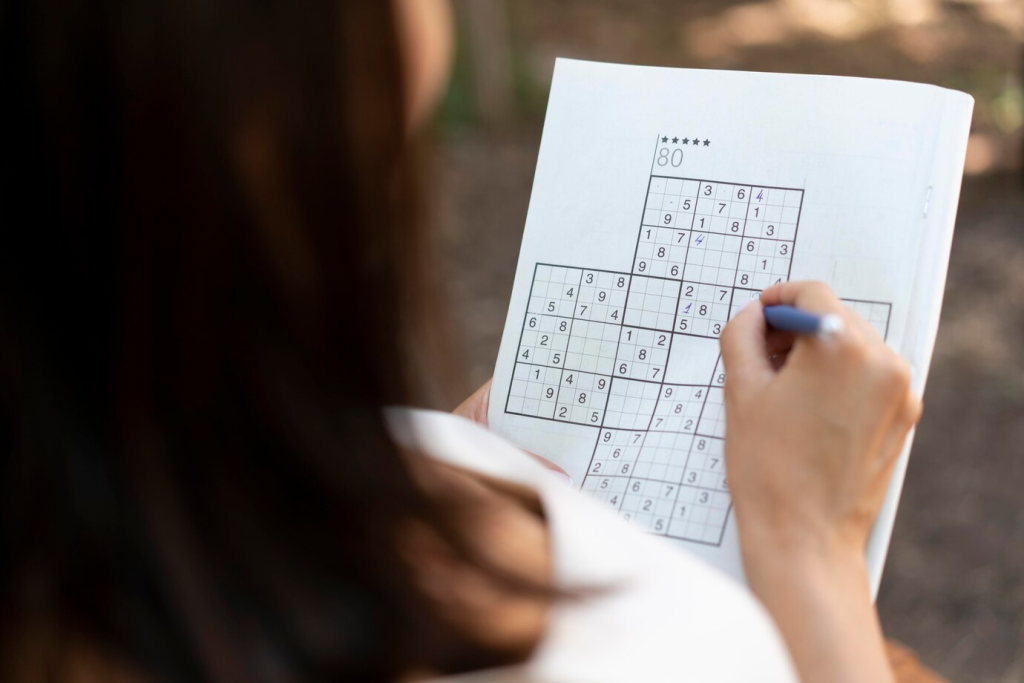
This article delves deeper into the significance of nurturing creative thinking, illustrating how it enhances problem-solving skills and enriches the puzzle-solving experience. Join us on this journey to discover how creativity can illuminate even the most perplexing of puzzles and open new avenues of thought, potentially leading to groundbreaking discoveries and solutions. As we encourage a culture of creativity, we prepare for a future filled with limitless possibilities and the ability to tackle challenges in novel ways.
DISCOVER MORE: Click here to learn about the benefits of logic games
Unlocking Creativity: The Foundation of Effective Problem Solving
When it comes to tackling puzzles, whether they are intricate crosswords or visual jigsaws, the role of creative thinking cannot be overstated. This mental agility allows individuals not just to find solutions, but to uncover multiple pathways to reach an answer, often leading to richer, more satisfying experiences. As puzzle solvers, we engage in a mental dance, integrating creativity with logic, which ultimately enhances our problem-solving abilities.
Creative thinking involves various cognitive processes that stimulate our brains to think beyond the conventional. Here are some vital components that illustrate how it contributes to effective problem-solving:
- Divergent Thinking: This involves generating multiple possible solutions to a problem rather than sticking to a single approach. For example, when faced with a tricky riddle, a diverging thinker will explore various interpretations of the clues, and in doing so, may stumble upon the correct answer or a more efficient solving technique.
- Visualization Skills: Many puzzles, particularly jigsaws, require solvers to picture how pieces fit together. Enhancing spatial awareness through creative thinking helps improve these visualization skills, allowing us to see connections that may not be immediately apparent.
- Analytical Reflection: Creativity doesn’t mean abandoning logic; rather, it complements analytical skills. Problem solvers who incorporate both aspects can break down complex puzzles into manageable parts. This is particularly valuable in logic puzzles where systematic reasoning is crucial.
In addition to these cognitive benefits, the social aspect of puzzle solving also thrives on creative thinking. Group puzzles and team-based challenges encourage collaboration, where diverse perspectives can converge to create unique solutions. As individuals share their approaches and ideas, they facilitate a richer problem-solving environment, where creativity can flourish. Many online puzzle communities in the United States, such as crossword clubs or Sudoku forums, exemplify this engagement. These platforms allow enthusiasts to exchange tips, debunk strategies, and ultimately foster a vibrant culture of creative problem-solving.
Furthermore, research indicates that engaging in puzzles regularly can have cognitive benefits for individuals of all ages. A study published by the American Psychological Association suggests that activities involving puzzles can contribute to improved memory, increased attention span, and even heightened emotional resilience. The retention of these cognitive skills is essential not only for solving puzzles but for facing everyday challenges in our personal and professional lives.
As we dive deeper into the significance of fostering creative thinking in relation to puzzle-solving, it becomes increasingly clear that innovation is not optional; it is a necessity for those seeking not only to solve puzzles but also to enhance critical thinking skills. Delving into the world of puzzles serves as a microcosm for developing strategies that can be applied to real-world problems, encouraging a mindset open to exploration, experimentation, and creativity.
The Impact of Creative Thinking on Puzzle Solving
Creative thinking plays a critical role in enhancing the experience of solving puzzles. When faced with a challenge, individuals often find themselves stuck in conventional thinking patterns. However, by applying creativity, they can transcend these limitations, leading to innovative solutions and approaches. This ability to think outside the box is particularly beneficial in various types of puzzles, from logical riddles to crosswords and complex problems requiring mathematical insight.Unlocking New Perspectives: One of the main advantages of creative thinking is its capacity to unlock new perspectives. By approaching a puzzle with a fresh mindset, solvers can discover connections and patterns that would otherwise remain hidden. For instance, a simple crossword puzzle may seem daunting at first glance, but a creative thinker might notice clues linking seemingly unrelated words, facilitating problem-solving. Enhanced Problem-Solving Skills: Furthermore, creative thinking fosters enhanced problem-solving skills. Being able to think critically and innovatively allows individuals to adapt their strategies according to the complexities of the puzzle. In competitions where time is of the essence, the ability to generate multiple solutions can make a significant difference. To delve deeper into the significance of creative thinking in puzzles, it is important to explore how these skills not only have implications for personal enjoyment but also for academic and professional growth. By engaging in puzzles that require creative thought, individuals can sharpen their cognitive abilities and foster a lifelong love for problem-solving.
| Advantages | Significance |
|---|---|
| Enhanced Creativity | Facilitates out-of-the-box solutions to complex puzzles. |
| Improved Cognitive Flexibility | Promotes adaptability in thinking, helping solve diverse puzzles seamlessly. |
In conclusion, the integration of creative thinking into the puzzle-solving process enriches the experience and offers profound personal benefits. Aspiring puzzlers are encouraged to develop their creative skills, leading to success in both puzzles and everyday life challenges.
DISCOVER MORE: Click here to learn about the power of creative thinking
Creative Thinking: Strategies That Enhance Puzzle Solving Skills
As we further dissect the intricate relationship between creative thinking and puzzle-solving, it becomes clear that adopting specific strategies can amplify our ingenuity and effectiveness. These strategies not only enhance our ability to tackle puzzles but also translate to greater problem-solving skills in various aspects of life.
One powerful strategy is the practice of mind mapping. This visual technique allows puzzle solvers to represent ideas and solutions in a structured format, making it easier to explore connections and relationships between different puzzle elements. For instance, in word puzzles, a mind map can help solvers visualize prefixes, suffixes, and synonyms, enabling them to generate different word possibilities that may not come to mind at first glance. This fosters a creative environment where branching out leads to innovative answers.
The Role of Playfulness in Creativity
Another crucial aspect of creative thinking is the element of playfulness. Engaging with puzzles should not merely be seen as a task to complete but as a fun opportunity to explore new ideas. The concept of ‘playful experimentation’ encourages individuals to approach puzzles with curiosity. For example, while working on a challenging Sudoku, a solver can benefit from trying out various numbers in different positions without the pressure of correctness. This relaxed approach can spur unexpected insights, facilitating creative breakthroughs that would otherwise remain dormant in a more rigid mindset.
Moreover, the integration of storytelling into puzzles can further ignite creative thinking. When puzzle solvers frame a scenario around the problem at hand, they add depth to their understanding, making it easier to decipher clues. Consider a complex crossword puzzle; associating clues with a personal story or historical context not only helps retain the information but also adds a narrative dimension that can stimulate the mind. This storytelling approach is widely seen in popular escape room puzzles, where narratives intertwine with challenges, engaging groups in collaborative problem-solving.
Practical Applications of Creative Problem-Solving Techniques
Real-world applications of these creative strategies abound. For students, incorporating puzzles into the classroom can sharpen not just their critical thinking skills but also encourage teamwork and communication. Educators can utilize puzzles, such as logic games or team challenges, to create an engaging learning environment that fosters creativity among students. This methodology has been successfully implemented in numerous schools across the United States, leading to noticeable improvements in both academic performance and collaborative skills.
On a professional level, many organizations are beginning to recognize the value of creative thinking through puzzles and similar activities. Companies that facilitate team-building puzzles or brainstorming sessions often find that such practices not only cultivate a more cohesive work environment but also enhance the overall innovative capacity of their teams. In industries ranging from tech to marketing, collaborative problem-solving games stimulate the creative process, leading to groundbreaking solutions and new product developments.
In essence, the captivating nature of puzzles resurrects an innate desire within us to explore, create, and solve, echoing the broader significance of creative thinking in our lives. By embracing playful strategies, collaborative environments, and connecting narratives with problem-solving, we can expand our cognitive abilities, leading to both personal growth and greater societal advancements.
DISCOVER MORE: Click here to boost your creativity
Conclusion: Unlocking the Power of Creative Thinking in Puzzle Solving
In conclusion, the interplay between creative thinking and puzzle-solving is undeniably significant, illustrating how imaginative solutions can lead to innovative outcomes. As we explore the strategies that enhance our cognitive abilities, it becomes apparent that applying techniques like mind mapping, embracing a sense of playfulness, and integrating storytelling can transform the way we approach puzzles. These methods not only enrich our capacity to solve puzzles but also provide transferrable skills applicable in academia and professional environments.
Moreover, puzzles serve as a microcosm for real-life problem-solving scenarios, highlighting the essential nature of creativity in our day-to-day experiences. With schools increasingly adopting puzzles in their curriculum and organizations seeking creative collaboration, the benefits are clear: improved critical thinking, fostered teamwork, and a nurturing of innovation that can lead to groundbreaking developments.
As we continue to engage with puzzles, it is crucial to remember that the journey of solving them is as enlightening as the solution itself. By unlocking our creative potential through these activities, we not only heighten our problem-solving skills but also cultivate a more curious and adventurous mindset. Thus, the next time you find yourself facing a challenging puzzle, consider it an opportunity: a chance to explore, create, and innovate in ways that extend far beyond mere entertainment.