
The Role of Puzzles in Stimulating Children’s Creativity
The Impact of Puzzles on Creativity
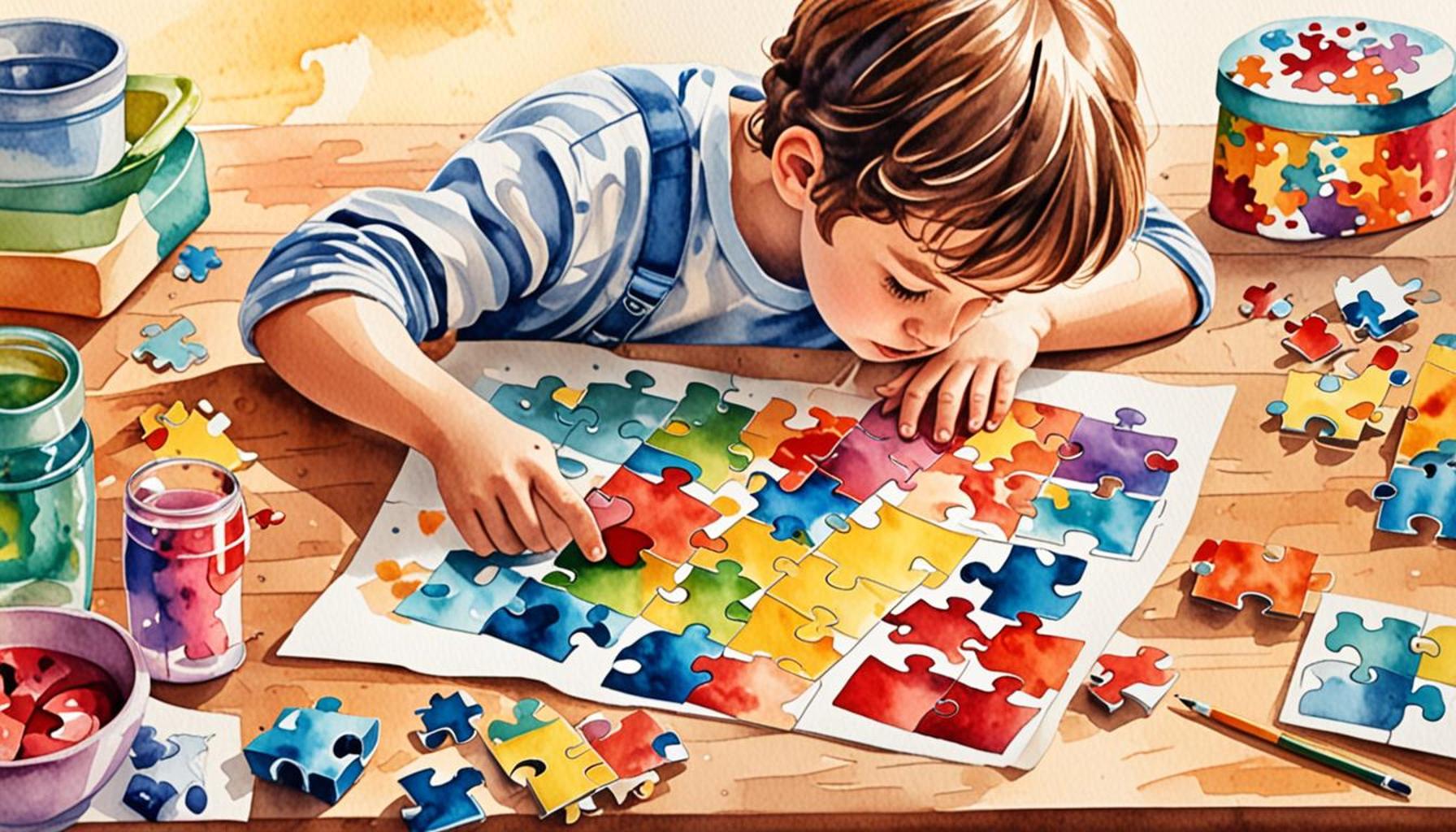
Engaging children in puzzle-solving activities not only entertains them but also plays a crucial role in enhancing their creativity. Through challenging puzzles, children learn to think outside the box, honing skills that benefit them in various aspects of life. These benefits extend beyond mere amusement, creating a foundation for analytical thinking and imaginative exploration.
Here are some key benefits of puzzles:
- Critical Thinking: Puzzles encourage logical reasoning and problem-solving. When children face complex jigsaw puzzles or logic games, they must assess their options, devise strategies, and anticipate outcomes. This process nurtures their ability to approach dilemmas methodically, a skill that proves invaluable in academics and everyday decisions.
- Imagination: They stimulate imaginative play, fostering unique ideas and approaches. Solving puzzles requires a child to visualize the end result even when parts seem disconnected. This imaginative leap can translate into inventive thinking in other areas, such as art, writing, and even science.
- Concentration: Working on puzzles improves focus and attention span. As children piece together puzzles, they learn to prioritize tasks and calmly navigate frustrations, skills that are essential for success in both educational settings and extracurricular activities.
Moreover, studies indicate that children who regularly engage in puzzle-based activities experience enhanced cognitive development. Research from neuroscientists at the University of California has shown that children who solve puzzles demonstrate improved spatial reasoning abilities, a skill linked to success in STEM fields (science, technology, engineering, and mathematics).
Consider the array of puzzles available today—from traditional jigsaw puzzles to interactive digital challenges. For instance, apps like “Rush Hour” not only entertain kids with traffic-themed puzzles but also sharpen their critical thinking. Similarly, customizable Lego sets allow children to creatively build structures from the ground up, which further intertwines their puzzle-solving skills with hands-on craftsmanship.
As we delve deeper into the fascinating connection between puzzles and creativity, we uncover how these seemingly simple activities can lead to profound growth in children’s thinking abilities. Engaging with puzzles not only nurtures a child’s current skills but also sets the stage for lifelong learning and adaptability in an ever-changing world.
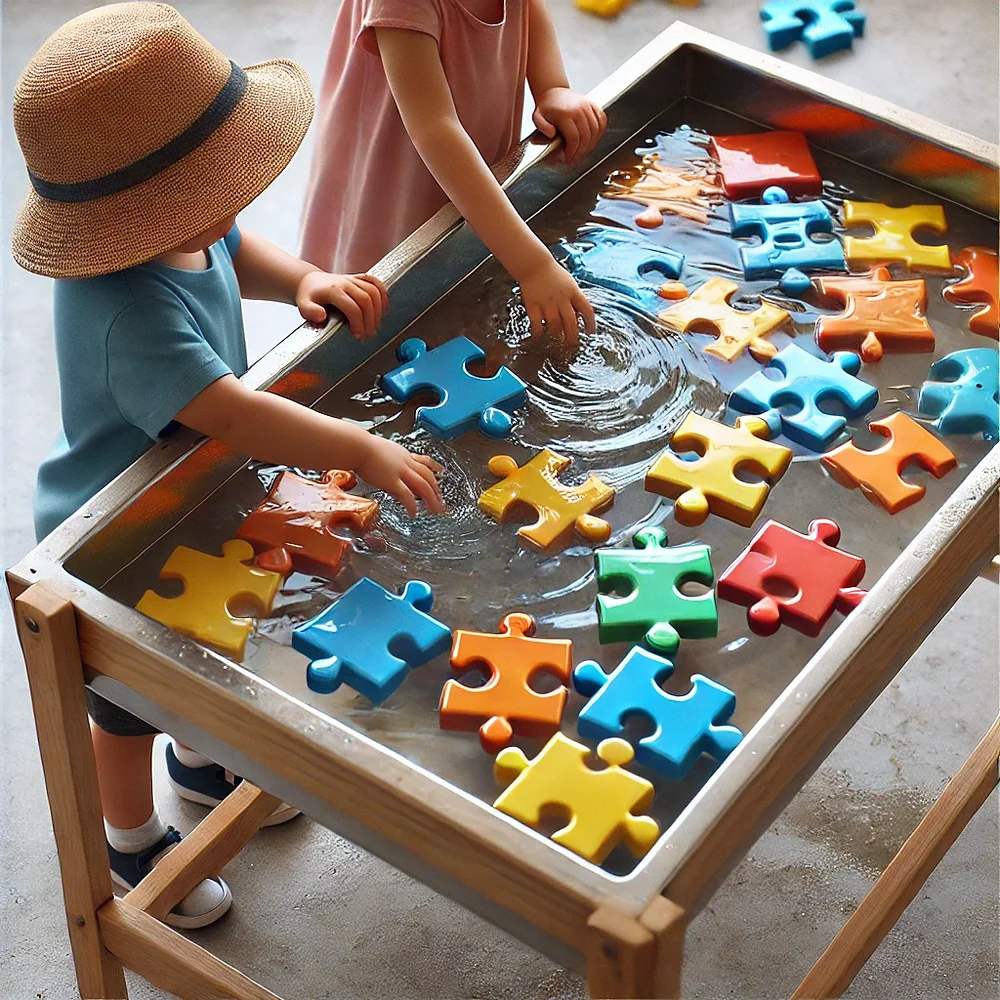
Ultimately, fostering creativity through puzzles is an investment in a child’s future potential. Each problem solved builds not merely a picture or a structure, but a robust framework for critical thinking, resilience, and imaginative freedom that will benefit them for years to come.
DIVE DEEPER: Click here to unlock your creative potential
Unlocking Potential Through Challenge
The world of puzzles presents a unique arena for children to explore and push the boundaries of their creativity. Different types of puzzles—whether they are physical puzzles like jigsaws or cognitive challenges such as Sudoku—serve a multifaceted role in a child’s development. Each puzzle type challenges children to harness various forms of intelligence, thereby encouraging them to think creatively and adaptively.
One of the most engaging aspects of puzzle-solving is its ability to captivate children’s attention while simultaneously enhancing their cognitive skills. As they manipulate pieces to find the correct fit or reason out the next move, children practice several cognitive processes, including:
- Spatial Awareness: This skill involves understanding shapes and how they fit together, a competence that is essential not only in gaming and arts but also in daily tasks such as navigating their environment.
- Pattern Recognition: Many puzzles require children to identify patterns or trends, helping them to develop analytical skills that extend to math and science. For instance, recognizing whether pieces share similar colors or shapes can lead to rapid conclusions about placement.
- Creativity in Problem-Solving: As children encounter obstacles within a puzzle, they are forced to explore alternative strategies, prompting them to think creatively about potential solutions. This trial-and-error approach fosters innovation, allowing children to feel more comfortable experimenting with unconventional ideas.
Additionally, puzzle-solving often unfolds as a collaborative endeavor, especially in family settings or during group play. Such interactions cultivate social skills and emotional intelligence, both of which complement creative thinking. Children learn to articulate their thought processes, negotiate solutions, and support one another through challenges. This teamwork not only reinforces the value of collaboration but also encourages diverse perspectives that can enrich the creative experience.
Research indicates that children who regularly engage in puzzle activities demonstrate improved attention spans and cognitive flexibility. A study from the University of Toronto found that children who participated in puzzle play were quicker to solve complex problems and showed greater resilience in the face of failure. Such attributes are particularly valuable as educational systems increasingly emphasize problem-solving skills across various disciplines.
Furthermore, the thematic nature of many modern puzzles promotes cultural learning and interdisciplinary exploration. For instance, puzzles that focus on geography, history, or even science allow children to absorb new information as they play, seamlessly integrating learning with creativity. With puzzles like the “National Geographic Kids Map Puzzle,” children are not only piecing together geography but also gaining a global perspective that could fuel future interests and aspirations.
As puzzles continue to evolve, so too do their effects on children’s creativity. The diverse forms and challenges presented by puzzles can spark curiosity and enthusiasm, making learning an engaging adventure. By providing opportunities for exploration, experimentation, and collaboration, puzzles are invaluable tools that not only nurture a child’s present creativity but also set the groundwork for future innovations.
| Category | Advantages |
|---|---|
| Cognitive Development | Puzzles enhance problem-solving skills and critical thinking. |
| Creativity Enhancement | Engages children’s imagination and encourages innovative thinking. |
| Social Interaction | Promotes teamwork and communication among peers during joint puzzle-solving. |
| Emotional Resilience | Teaches patience and perseverance while striving to complete challenging tasks. |
Puzzles serve as a cornerstone for children’s creativity and development, impacting their cognitive skills through engaging and interactive experiences. The multifaceted benefits associated with puzzle-solving extend beyond mere entertainment; these activities foster essential skills that promote both individual growth and interpersonal relationships. For instance, when children grapple with complex puzzles, they enhance their problem-solving abilities, learning to analyze situations critically. This cognitive exercise directly contributes to their creativity by encouraging them to think outside the box and approach challenges from different angles. Furthermore, engaging with peers in solving puzzles fosters social interaction, which not only builds teamwork but also sharpens communication skills.Moreover, as children tackle intricate challenges, they develop emotional resilience. Dealing with setbacks—like not finding a piece immediately—teaches them valuable lessons in patience and perseverance. In an age where immediate gratification is the norm, these experiences remind children that persistence often leads to rewarding outcomes, laying a strong foundation for long-term success.
DISCOVER MORE: Click here to dive deeper
Fostering Imagination Through Interactive Play
In the digital age, the advent of technology has dramatically transformed the landscape of puzzle-solving for children. Today, children have access to a plethora of interactive puzzle applications and online platforms that not only challenge them but also engage their imagination in unprecedented ways. Apps designed for mobile devices can incorporate elements like sound, animation, and real-time feedback, making the process of solving puzzles more immersive and stimulating.
For instance, puzzles like the ever-popular “Wordscapes” combine traditional crossword challenges with visually rich backgrounds, engaging children’s senses and thereby enhancing their ability to think creatively. Elements of gamification, such as earning rewards or unlocking levels, provide additional motivation for children to persist, leading to a deeper sense of accomplishment and creativity. Studies show that exposure to these dynamic formats can lead to improved problem-solving strategies, with children more likely to embrace challenges as opportunities for creative thinking.
Moreover, the integration of puzzles within educational curricula has been gaining traction in schools across the United States. Educators increasingly recognize puzzles as effective teaching tools that can enliven subjects such as math, language, and science. For example, math-based puzzles like KenKen not only strengthen arithmetic skills but also challenge students to apply logical reasoning creatively. When students tackle a KenKen puzzle, they’re not just solving for numbers; they’re engaging in a form of critical thinking that demands innovation and flexibility.
- Development of Critical Thinking: Puzzles often necessitate a step-by-step approach that promotes logical reasoning. This methodical thinking can translate into academic settings, where analytical skills are essential for subjects like physics and engineering.
- Enhanced Memory: Engaging with puzzles regularly can help improve memory retention. By recalling pieces or steps to solve a puzzle, children strengthen neural pathways in their brains, which in turn supports future learning endeavors.
- Conceptual Understanding: When puzzles are used in tandem with visual aids in educational contexts, children often experience a deeper understanding of abstract concepts. For example, a visual puzzle representing the water cycle can help students grasp this complex system more effectively than mere text.
The significance of puzzles in stimulating creativity extends beyond personal benefits; they can also bridge gaps in communication among children with distinct learning styles. Collaborative puzzle-solving may encourage children who are typically more reserved to share their thoughts and ideas, providing a platform for social interaction that fosters creativity through diversity. This interaction is particularly beneficial in classrooms where children learn in varying manners, helping them to recognize and appreciate multiple perspectives.
Furthermore, as puzzles become increasingly seen as valuable educational resources, organizations and educational institutions across the nation are partnering to create puzzle challenges that encourage whole-community participation. Events such as “Puzzle Day” celebrate this interactive form of learning, drawing families together to solve puzzles that cut across age and skill levels. Such initiatives not only promote community involvement but also instill a lifelong love for learning and creativity in children.
Finally, by blending traditional puzzle play with modern technological advances, the evolution of puzzles presents a rich opportunity to reflect on the powers of creativity. With various platforms enriching the engagement, children can explore, dream, and innovate while playing—a vital ingredient in nurturing the imaginative thinkers of tomorrow.
DISCOVER MORE: Click here to uncover the truth
Conclusion: The Lasting Impact of Puzzles on Creativity
In summary, the role of puzzles in stimulating children’s creativity is both profound and multifaceted. From traditional board games to advanced digital platforms, puzzles serve as a powerful catalyst for cognitive development by encouraging critical thinking, problem-solving, and collaboration. As children engage with puzzles, they are not merely solving problems; they are nurturing their imaginative capabilities—an essential skill for thriving in an increasingly complex world.
The integration of puzzles into educational settings further amplifies their impact, demonstrating that learning can be both fun and effective. Through hands-on experiences, children can develop a greater understanding of abstract concepts, fostering their ability to think creatively about real-world challenges. Additionally, the community involvement fostered by puzzle-solving events, like “Puzzle Day,” emphasizes the social aspect of creativity, bridging gaps in communication and encouraging diverse perspectives.
As we move forward in an era marked by rapid technological advancements, it is crucial to recognize the potential of puzzles as both educational tools and sources of inspiration. By embracing puzzles as part of a holistic approach to learning, we can equip the next generation with the keys to unlock their creativity, innovation, and collaborative spirit. Ultimately, investing in puzzles today means nurturing the dreamers and creators of tomorrow—children who will shape a brighter future filled with imagination and ingenuity.