The Role of Puzzle-Based Creative Activities in Early Childhood Education
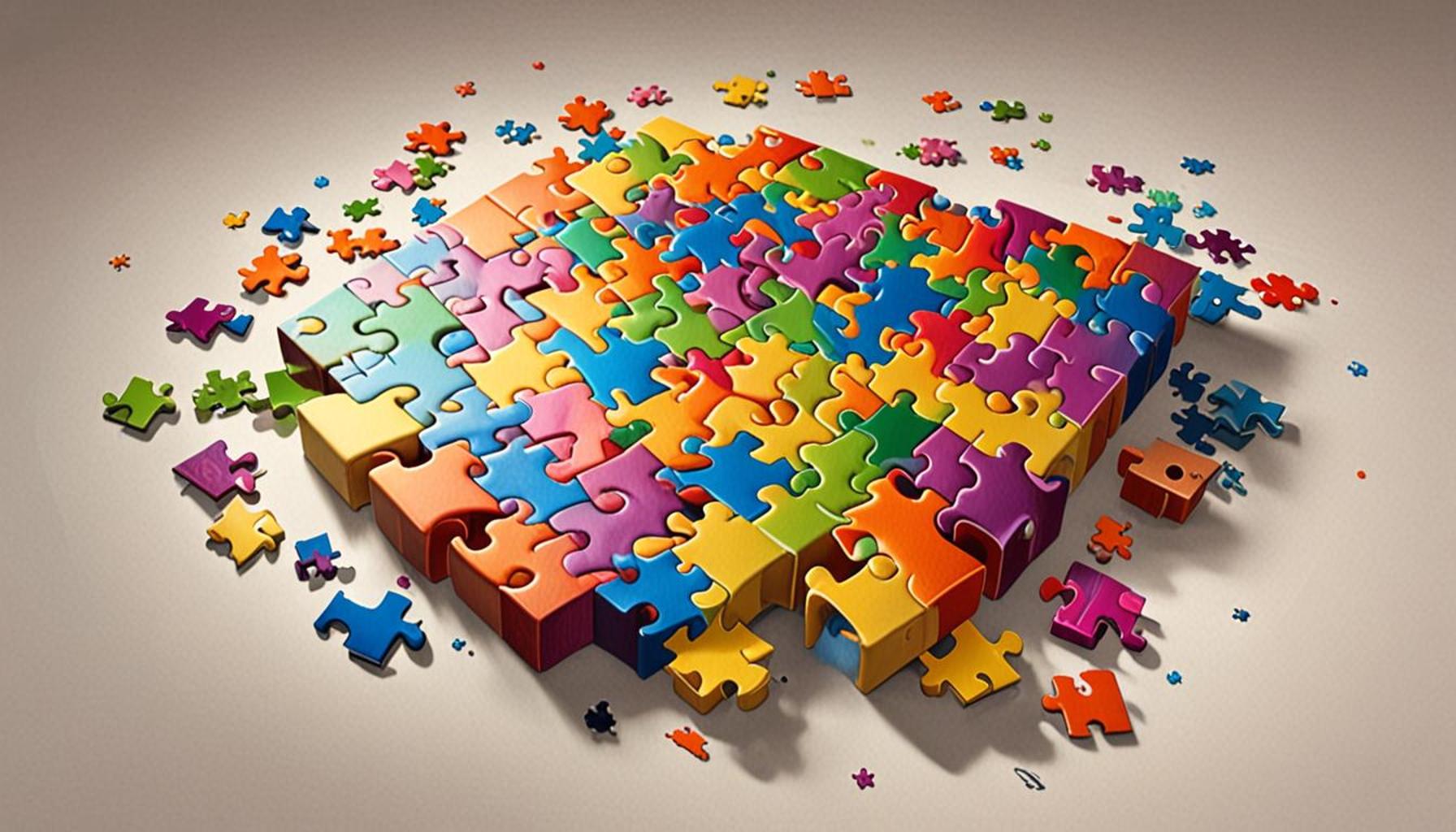
The Significance of Puzzle Activities in Child Development
Engaging young minds in creative activities is pivotal to their development. Among various methods, puzzle-based activities have emerged as a significant catalyst for fostering learning and creativity in early childhood education. These activities not only entertain but also serve as essential tools for holistic child development.
Puzzle-based activities offer numerous benefits:
- Cognitive Development: Enhances problem-solving and critical thinking skills.
- Motor Skills: Promotes hand-eye coordination through manipulation of pieces.
- Social Skills: Encourages teamwork and communication when played in groups.
- Emotional Skills: Builds patience and perseverance as children work through challenges.
Research suggests that incorporating puzzles into preschool curricula can significantly impact various dimensions of learning. For instance, studies conducted by American educational psychologists indicate that children who regularly engage with puzzle-based activities demonstrate increased spatial awareness and mathematical readiness. These essential skills lay foundational blocks for later academic achievements, particularly in STEM fields where spatial reasoning is crucial. The versatility of puzzles—ranging from simple jigsaws that grasp basic shapes and colors to complex problem-solving tasks that challenge critical thought—makes them suitable for diverse age groups, from toddlers to kindergarteners.
Moreover, the integration of puzzle activities can be seamlessly tailored to different learning environments across the United States. For example, in a classroom setting, teachers can introduce themed jigsaw puzzles related to subjects like geography—using a puzzle of the United States map to teach children about states and capitals. Alternatively, during family game nights at home, parents can utilize puzzles that feature their children’s favorite characters, making learning a fun and enjoyable experience. These engaging tasks lay the groundwork for enhancing creativity and cognitive skills that are crucial as children embark on their educational journeys.
Delving deeper into the role of puzzle-based creative activities reveals exciting insights for educators and parents alike. Various educational resources and platforms offer a plethora of puzzle types suited for different developmental stages, emphasizing the need for personalized learning experiences. Engaging with these challenges not only promotes intellectual growth but also strengthens the bonds between children and their caregivers through shared experiences and discussions centered around the puzzles. The future of child education looks promising with such interactive methods paving the way for discovering new interests and fostering essential life skills.
DISCOVER MORE: Click here to learn about mental games for creativity
Exploring the Educational Benefits of Puzzle-Based Activities
The educational landscape for young learners is evolving, and puzzle-based creative activities are gaining recognition among educators for their multifaceted benefits. These activities foster a playful approach to learning while serving as a means to enhance vital skills necessary for academic success. Engaging with puzzles can provide children with unique opportunities to explore their cognitive, emotional, and social faculties in a playful and interactive manner.
Cognitive Skills Enhancement
At the core of puzzle-based activities lies their ability to bolster cognitive skills. Children are challenged to think critically while piecing together jigsaws or solving complex logic puzzles. Studies indicate that this kind of engagement promotes not only problem-solving capabilities but also fosters analytical thinking—two skills that are crucial for academic success. Research has shown that children who regularly partake in puzzle-related activities exhibit higher levels of spatial reasoning. According to a report published by the National Association for the Education of Young Children, children engaged in these types of activities are more likely to perform well in mathematics and science from an early age. Observing a child successfully navigate through a puzzle provides them with a sense of achievement, thereby boosting their self-esteem and encouraging them to tackle other challenges confidently.
Motor Skills Development
The manipulation of puzzle pieces—whether they are made of wood, plastic, or cardboard—significantly enhances a child’s fine motor skills. As children grasp, rotate, and fit pieces, they refine their hand-eye coordination, which is a crucial aspect of physical development. Activities that involve assembling puzzles require precision and control, which subsequently trains their dexterity and strengthens the small muscles in their hands. Such actions contribute to essential skills needed for writing and other daily tasks as children grow. Moreover, engaging in group puzzle activities promotes collaboration and communication among peers, laying the groundwork for future interpersonal skills.
Emotional Resilience
Puzzles also offer unique emotional benefits that are often overlooked. The process of working through a challenging puzzle can teach children the value of patience and perseverance. As they confront difficulties in completing a task, they develop a sense of resilience, learning that success is often achieved through consistent effort and teamwork. This emotional growth is vital, as a child’s ability to manage frustration and maintain focus is directly linked to their overall well-being and future academic success. Incorporating puzzles into early childhood education nurtures an environment where children can learn through play, effectively allowing them to explore emotions in a constructive manner.
Social Interaction and Teamwork
A further dimension of puzzle activities is their ability to promote social skills. Whether in a classroom setting or at home, working on puzzles together fosters teamwork and encourages children to communicate effectively. This collaborative effort not only helps them develop friendships but also teaches them the fundamentals of sharing and negotiation. Through these shared experiences, children can learn to respect diverse viewpoints and work toward common goals, establishing a strong foundation for social development.
As we explore the role of puzzle-based creative activities in early childhood education, it becomes clear that their contribution to various aspects of development is both profound and far-reaching. The benefits derived from engaging with these activities not only enrich the educational experiences of young children but also lay a sturdy framework for lifelong learning. With their dynamic nature, puzzles provide an enjoyable and meaningful way for children to navigate their early years, preparing them for the challenges of formal education and beyond.
The Role of Puzzle-Based Creative Activities in Early Childhood Education
Puzzle-based creative activities serve as a vital component in early childhood education, fostering essential skills that children will carry throughout their educational journey. Engaging with puzzles not only stimulates cognitive development but also enhances emotional intelligence and social skills.
When children work on puzzles, they are often required to think critically and solve problems independently. This creative engagement helps them develop critical thinking skills and promotes a growth mindset. Moreover, as they tackle different challenges, they cultivate resilience and the ability to navigate frustration—important life skills that will benefit them long beyond the classroom.
Working on puzzles also encourages collaboration when children tackle challenges in groups or pairs. This interaction nurtures communication skills and teaches children the importance of teamwork and sharing responsibilities. Furthermore, such activities can be easily tailored to suit various learning styles and developmental stages, making them an inclusive tool for educators.
Beyond cognitive and social benefits, puzzle-based activities also play a significant role in developing fine motor skills. As children manipulate pieces, they enhance their hand-eye coordination and dexterity, which are crucial for tasks like writing and self-care. The sensory experience provided by puzzles, whether through colors, shapes, or textures, also complements cognitive learning and enhances memory retention.
| Category | Benefits |
|---|---|
| Cognitive Development | Enhances problem-solving skills and critical thinking. |
| Social Skills | Fosters collaboration and communication among peers. |
In summary, the integration of puzzle-based activities in early childhood education not only prepares children for future academic endeavors but also supports holistic development. As educators and parents recognize the multifaceted benefits of such creative challenges, we can expect an increased emphasis on incorporating puzzles into early learning environments.
DISCOVER MORE: Click here to enhance your cognitive skills
The Impact of Puzzle-Based Activities on Cognitive Development
Puzzle-based creative activities significantly influence cognitive development in young children, acting as a catalyst for intellectual growth. The engagement with puzzles stimulates children’s ability to recognize patterns, shape relationships, and make predictions—all foundational components of logical reasoning. Educational experts emphasize that playing with puzzles encourages children to think ahead, developing planning skills necessary for structured thought processes. Children who regularly interact with puzzles typically perform better on spatial reasoning assessments, a skill correlated with future performance in STEM (Science, Technology, Engineering, and Mathematics) subjects.
Language Acquisition
As children navigate puzzle-based activities, they often discuss their thinking or share strategies with peers or caregivers, enhancing their language skills in the process. This verbal interaction can expand vocabulary and improve language comprehension. For instance, when children describe the colors, shapes, and sizes of pieces, they actively practice language use in context, fostering early literacy development. Studies have shown that children who engage in collaborative puzzle-solving exhibit higher levels of linguistic creativity than their peers who partake in less interactive play. By incorporating language-rich environments around puzzles, educators can effectively bridge cognitive and linguistic development.
Curricular Integration
Puzzle activities can be seamlessly integrated into various subjects of the early childhood curriculum. For example, in mathematics, puzzles can teach counting and number recognition through engaging formats, such as number jigsaws or rhythm puzzles that incorporate musical elements. In science education, puzzles depicting ecosystems or the human body can enhance comprehension by visually representation, making abstract concepts more tangible. Moreover, the incorporation of puzzles that represent diverse cultures can play a significant role in encouraging inclusivity and promoting multicultural understanding among young learners. The versatility of puzzle-based activities makes them a perfect educational tool across disciplines.
Fostering Curiosity and Exploration
One of the most profound effects of engaging children with puzzle-based activities is their ability to foster curiosity and exploration. When children encounter a particularly challenging puzzle, it often ignites their inquisitive nature, prompting them to investigate various strategies to solve it. This instinctual need to explore serves as a foundation for scientific inquiry and discovery, paving the way for a lifelong love of learning. Educational researchers assert that cultivating curiosity at an early age is essential, as it inspires children to ask questions, seek answers, and become proactive learners. By providing intriguing and visually appealing puzzles, educators can significantly enhance the children’s engagement levels and encourage their drive for intellectual exploration.
Parent and Educator Involvement
Integrating puzzle-based activities into early childhood education is not solely the responsibility of educators. Parents and caregivers play a critical role in reinforcing these concepts by engaging children in interactive puzzle-solving at home. Simple puzzles can be utilized for family game nights or incorporated into daily routines, fostering quality time while promoting collaboration and learning. This dual involvement between home and school can further amplify the cognitive and social benefits derived from puzzle-based activities, creating a holistic developmental environment for children. Workshops and community programs focusing on puzzle activities can also inspire parents and caregivers to create enriching experiences that support their child’s growth.
As the educational landscape continues to embrace the role of puzzle-based creative activities, it becomes evident how essential these activities are for fostering comprehensive development. Their capacity to enhance cognitive, linguistic, and social skills demonstrates the vital need for puzzles to play a central role in early childhood education. By harnessing the power of puzzles, educators and families can work in unison to empower the next generation of learners.
EXPLORE MORE: Click here to enhance your problem-solving skills
Conclusion: Embracing Puzzles for a Holistic Educational Approach
In conclusion, the significance of puzzle-based creative activities in early childhood education cannot be overstated. These activities serve as powerful tools that contribute to a child’s cognitive, linguistic, and social development. By engaging with puzzles, children cultivate essential skills such as problem-solving, critical thinking, and collaboration. The integration of puzzles into the curriculum not only enriches learning across various subjects but also promotes an inclusive environment that respects diverse cultures and perspectives.
Moreover, puzzle-based activities spark curiosity and exploration, instilling a love for learning that extends beyond the classroom. When parents and educators collaborate to create enriching experiences around puzzles, they enhance the developmental benefits, ensuring children thrive in a holistic learning atmosphere. As educators, it is essential to recognize the unique potential of puzzles in shaping young minds and to weave these activities into daily practices.
As we continue to advance our understanding of effective teaching methods, it is imperative to advocate for the strategic integration of puzzles in early childhood education. In doing so, we equip children with the critical skills and confidence needed to navigate their future—one puzzle piece at a time. Thus, fostering a generation of inquisitive, knowledgeable, and well-rounded individuals prepared to contribute meaningfully to society.