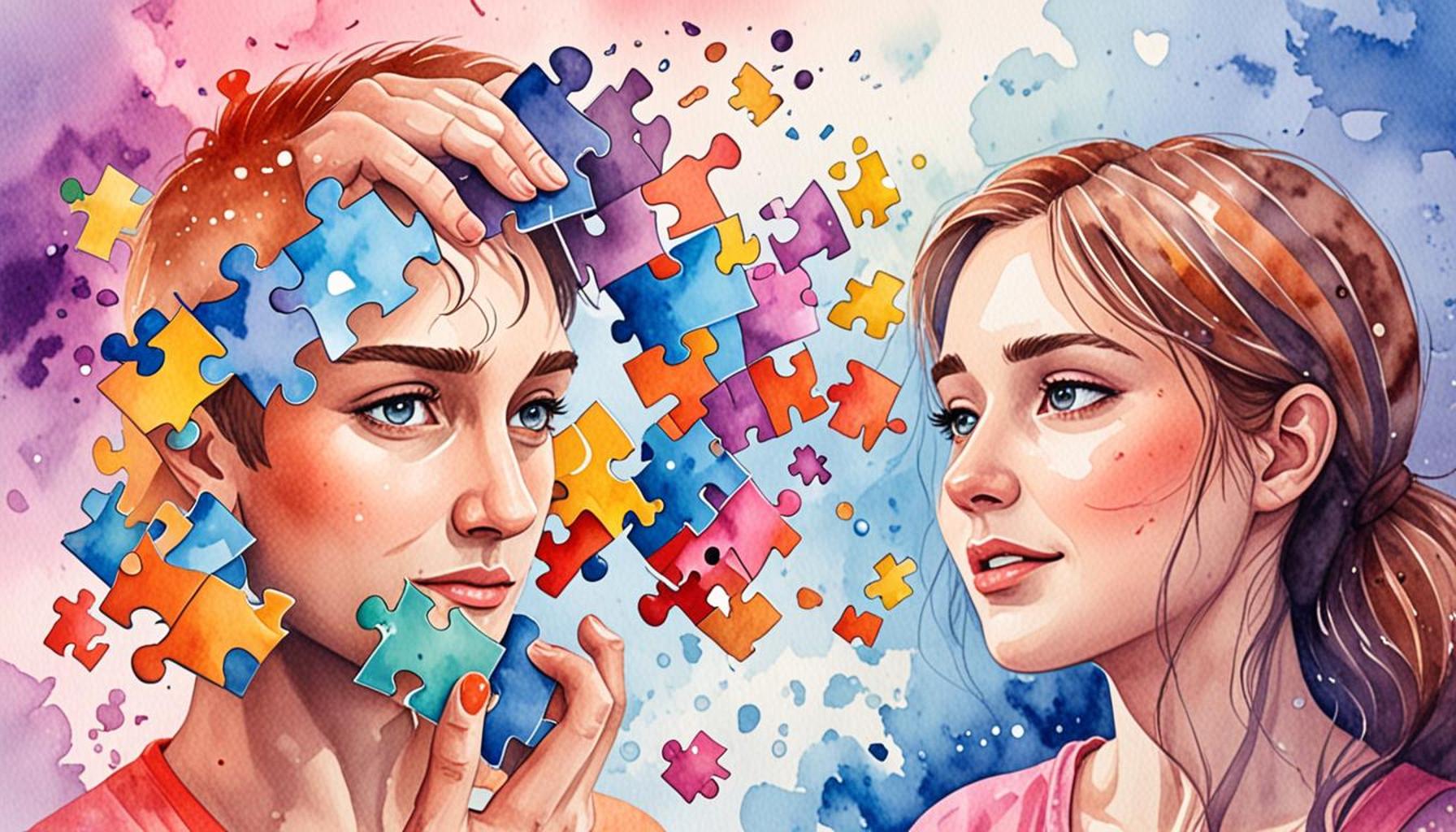
Puzzles and Meditation: Finding Calm Through Solving Riddles
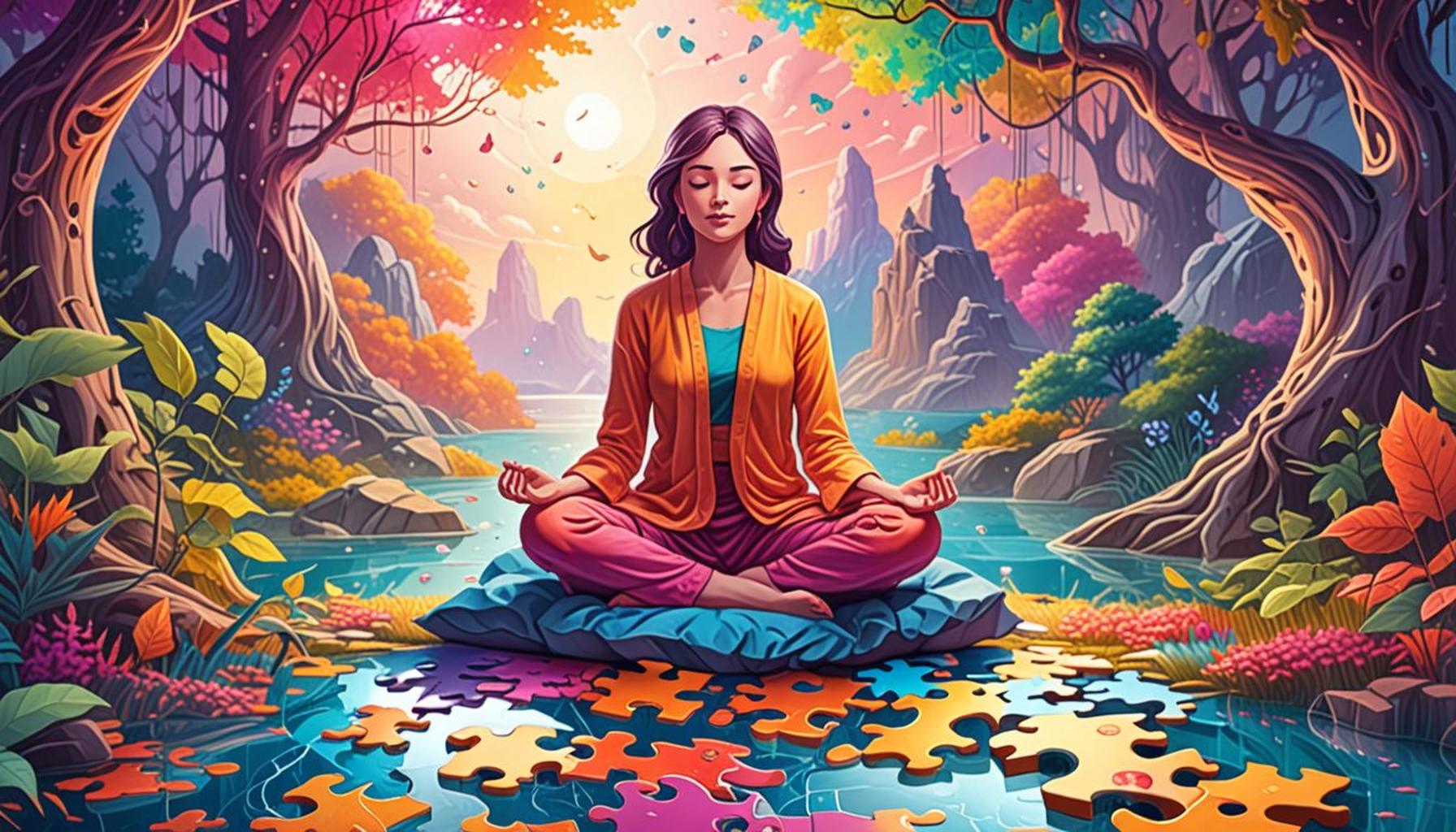
Finding Calm in the Complexity of Riddles
In today’s society, where the bombardment of information and rapid pace of life can overwhelm the senses, carving out moments of tranquility often seems like a far-fetched dream. Yet, there exists a pathway towards serenity through the engaging worlds of puzzles and meditation. Both practices promote a mindful connection to the present, serving as potent antidotes to the chaos that surrounds us.
Each engagement in puzzles allows for a deliberate focus that mirrors the core principles of meditation. When combined, these activities can amplify the serenity one seeks. Here are some benefits of integrating puzzle-solving with your meditation practice:
- Enhances Concentration: As you work through various puzzles, such as Sudoku or logic problems, your mind becomes adept at honing in on details, which ultimately sharpens your overall concentration.
- Reduces Stress: Engaging in riddles provides a delightful distraction from daily worries. For instance, focusing intensely on a crossword can help divert attention from stressors while allowing for a mental reprieve.
- Improves Problem-Solving Skills: The process of unraveling complex puzzles can lead to heightened cognitive abilities and increased confidence as a sense of accomplishment accompanies successful completion.
This interplay between jigsaw puzzles, crossword puzzles, and other brain teasers creates an accessible means to foster a calming, meditative state. For example, those new to mindfulness might find solace in assembling a jigsaw puzzle, where the vivid colors and tactile elements can evoke a sensory experience that aids in grounding oneself. Alternatively, seasoned puzzle-solvers may delve into cryptic crosswords, requiring sustained attention and creative thinking, thus offering both relaxation and brain engagement.
As you embark on this engaging journey, you may discover profound layers of tranquility hidden within the complexities of logic games and riddles. The fusion of puzzles and meditation presents an innovative approach to achieving peace. In a time where the hustle and bustle can drown out inner voices, anyone can tap into their cognitive faculties for restorative benefits. So why not put down your phone, challenge yourself with a riddle, and unlock a new dimension of calm amidst the storm of daily life?
DIVE DEEPER: Click here to unlock new strategies

The Mindful Mechanics of Puzzles
Puzzles, often underestimated, are not merely sources of entertainment; they are intricate exercises designed to stimulate our minds and can serve as valuable tools for mental relaxation. Engaging in different types of puzzles not only draws us into a world of intrigue but also requires a level of mindfulness akin to that found in traditional meditation practices. The focus demanded by a puzzle prompts a shift in awareness, directing our attention away from the anxieties that might otherwise cloud our minds.
Consider the act of solving a jigsaw puzzle. Each piece represents a fragment of a larger picture, and the process of fitting those pieces together requires patience, observation, and a heightened sense of awareness. As you hone in on the surrounding hues and patterns, the mind begins to enter a state of flow—a mental space where problems seem to dissolve, allowing for tranquility to take its place. This process mirrors the practice of meditation, where the objective is to center one’s thoughts and attain a peaceful state of being.
Puzzles can encapsulate various forms, each offering unique benefits that contribute to a calming experience. Engagement in these activities often leads to:
- Heightened Awareness: By concentrating on the components of a puzzle, you cultivate a deeper sense of awareness of your thought processes and emotions, akin to what is practiced in mindfulness meditation.
- Enhanced Cognitive Flexibility: Different puzzles challenge your brain in dynamic ways, from logic-based problems that require linear thinking to visual-spatial skills used in jigsaw assembly. This exercise promotes mental flexibility, helping the mind adapt to various challenges.
- Improved Memory: Many puzzles, particularly those involving wordplay, enhance the brain’s memory functions. Regular engagement can help maintain cognitive vitality, essential for overall mental health.
Furthermore, specific types of puzzles can be tailored to meet individual preferences and mental states. For instance, if you are feeling particularly stressed, a simple crossword puzzle could provide a gentler escape compared to a demanding Sudoku challenge that requires more intense concentration. This customization allows individuals to not only select puzzles that cater to their current mental conditions but also to experiment with different formats until they find the one that most effectively promotes relaxation.
The pleasant challenge posed by puzzles invites a deep dive into one’s cognitive capabilities while simultaneously offering a reprieve from daily stresses. Whether you find joy in the tactile nature of a jigsaw puzzle or the linguistic flair of a crossword, each experience can lead you toward a more peaceful state of mind. By intertwining the worlds of puzzles and meditation, individuals may uncover a holistic approach to cultivating calm amidst the dynamism of modern life.
| Advantage | Details |
|---|---|
| Cognitive Engagement | Solving puzzles stimulates the brain, enhancing critical thinking and problem-solving skills. |
| Stress Relief | Meditation through puzzles can lower anxiety levels, leading to a calmer state of mind. |
Puzzles and meditation both serve as pathways to tranquility and focus. Engaging in riddles allows individuals to escape the noise of daily life, providing a mental sanctuary. As distractions fade, the mind becomes attuned to the present moment, which is a core principle of meditation. Not only do riddles promote cognitive engagement, but they also act as a delightful diversion that can hold one’s attention, often leading to those “a-ha” moments that are so satisfying. Moreover, the process of seeking solutions taps into the intrinsic human desire for achievement, offering a rewarding experience akin to completing a mindfulness exercise. When individuals find peace through these mental challenges, they report improved emotional well-being and enhanced resilience against stress. This blend of puzzles and meditation fosters both intellectual stimulation and relaxation, captivating those who seek calm in the chaos of everyday life.
DISCOVER MORE: Click here to learn how puzzles can ease your mind
Connecting Puzzles to Mindfulness Practices
The serene practice of meditation and the engaging nature of puzzles might seem worlds apart, yet they share a common thread—a commitment to mindfulness. In recent years, studies have uncovered how activities such as puzzle-solving can enhance the mindfulness experience, offering individuals a tangible method to cultivate inner peace and clarity. The connection lies in how both practices foster a concentrated and engaged state of awareness.
Puzzles activate the brain in much the same way that meditation stimulates mental functions. Engaging in a challenge like a logic puzzle requires you to be present, utilizing critical thinking and analytical skills while effectively sidelining distractions. This mirrors mindfulness meditation, where practitioners focus their attention on their breath or a specific mantra, allowing extraneous thoughts to drift away. Research indicates that regularly allocating time for such activities could lead to improved stress management, ultimately fostering resilience against everyday pressures.
Moreover, in a fast-paced society dominated by technology and constant information overload, the act of slowing down to work through a puzzle can have restorative benefits. For instance, spending just a few moments with a sudoku puzzle can offer a valuable break from screen time, redirecting energy toward a more tactile and mentally engaging task. In this sense, puzzles not only serve as mental workouts, but they also encourage people to disconnect from the often chaotic digital world.
In addition to conventional puzzles, implementing elements of puzzles into daily life can augment the meditation experience. For example, individuals can try creating word searches or crossword puzzles that incorporate personal affirmations or inspirational quotes. This practice bridges the gap between cognitive engagement and emotional well-being, allowing for a personalized meditation experience that reinforces positive thinking and self-awareness.
The Science of Puzzles and Relaxation
Numerous studies highlight the cognitive and emotional benefits of puzzling. A 2020 study conducted at the University of Alberta found that engaging in puzzles could significantly reduce stress levels and improve mood. In the research, participants who solved various types of puzzles reported increased feelings of relaxation compared to those who did not engage in any problem-solving activities. This evidence reinforces the notion that puzzles can be an accessible and effective means of stress relief, enhancing overall mental health and emotional stability.
Additionally, the practice of mindfulness through puzzles can be integrated into various environments, making it a versatile tool for anyone, regardless of age or skill level. Whether at home, in a quiet café, or even during a commute, puzzles can transform mundane moments into opportunities for serene mental engagement. The key lies in setting an intention before starting: embrace the challenge, allow yourself to get lost in the process, and focus on the immediate experience rather than any external pressures.
Ultimately, the combination of puzzles and meditation offers a holistic approach to maintaining mental clarity and emotional balance in our daily routines. By sowing the seeds of mindfulness into our problem-solving practices, individuals can find themselves better equipped to navigate the complexities of life with calmness and ease.
DISCOVER MORE: Click here to unveil the secrets of puzzles
Conclusion
In an increasingly hectic world, the pursuit of tranquility is vital, and the innovative combination of puzzles and meditation provides a unique pathway to achieving inner peace. Both practices encourage mindfulness, inviting individuals to center their thoughts and immerse themselves in the present moment. As highlighted by various studies, engaging in problem-solving activities not only stimulates cognitive functions but also effectively reduces stress levels and enhances emotional well-being.
Through the simple act of piecing together a jigsaw puzzle or deciphering the complexities of a crossword, individuals can carve out moments of mindful attention, creating a mental sanctuary amidst the chaos of daily life. Moreover, the versatility of puzzles allows them to fit seamlessly into different environments, making them an accessible tool for enhancing mindfulness whether at home, in transit, or during coffee breaks.
As we embrace these calming practices, it becomes clear that the merging of meditation techniques with the art of puzzle-solving not only fosters relaxation but also inspires creativity and critical thinking. This holistic approach offers individuals a captivating and enriching way to cultivate mental clarity and emotional resilience. So, whether you are a seasoned puzzle enthusiast or a curious newcomer, consider dedicating time to this tranquil exploration. It may just lead you to a more calm and centered existence, one riddle at a time.