Reasoning Challenges: How Board Games Can Be an Effective Form of Stress Relief
The Therapeutic Benefits of Board Games
In a world where the pace of life accelerates daily, finding moments of solace can be challenging. Stress relief practices are essential for maintaining mental and emotional health. While techniques such as yoga, meditation, or even physical exercise are well-known for their calming effects, another avenue for relaxation lies unexpectedly close at hand: board games.
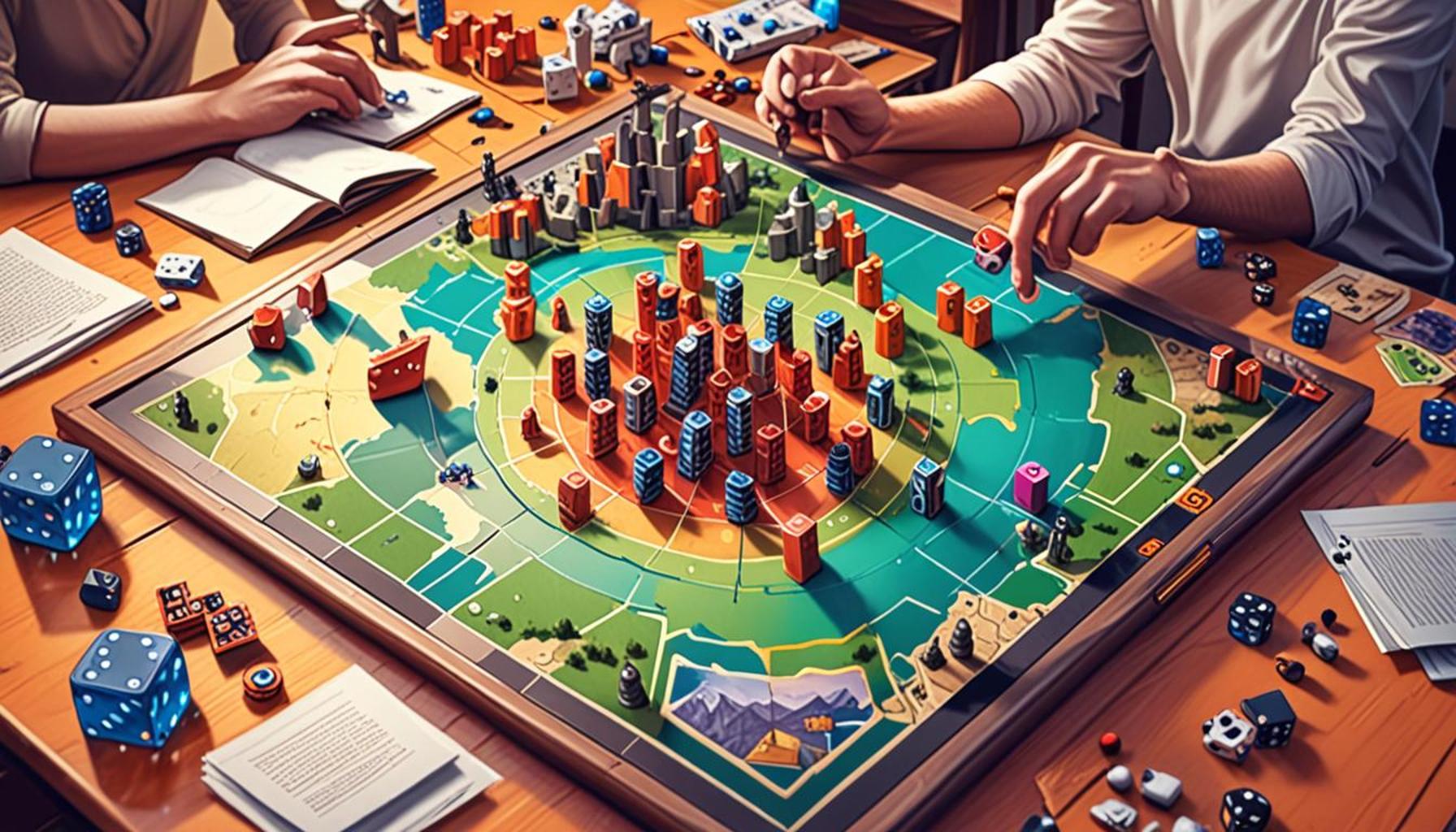
These games offer more than just amusement; they create an engaging platform that stimulates cognitive functions and promotes relaxation. Here are several key reasons why board games are effective as a medium for stress relief:
- Cognitive Engagement: Many board games incorporate complex strategies or intricate rules, offering players a chance to engage in reasoning challenges that can sharpen their cognitive skills. Take, for instance, a game of Scrabble, where players must think quickly to form words. This mental workout can distract the mind from daily stressors and help improve vocabulary, while also stimulating an enjoyment of language.
- Social Connection: Participating in board games often involves gathering with friends or family, which cultivates a sense of community and strengthens relationships. During this time, laughter and friendly competition can uplift spirits, contributing to a profound emotional well-being. A study published in the Journal of Positive Psychology reveals that social interactions can substantially increase happiness levels, further emphasizing the social benefits of group gaming.
- Mindful Focus: Board games demand a level of concentration that pulls players away from anxieties. This immersion allows players to momentarily escape their worries, focusing solely on gameplay. Whether you’re planning your next move in a game of Carcassonne or brainstorming strategies in Ticket to Ride, the process becomes a form of active mindfulness, promoting relaxation.
Research supports the idea that participating in enjoyable, challenging activities can significantly lower cortisol levels, the hormone associated with stress. Engaging with board games provides a unique blend of strategic depth and enjoyable fun, making them an effective ally in combating stress.
From the intriguing world of strategy games like Settlers of Catan, where gamers build civilizations and negotiate trade, to classic games such as Chess, which has captivated minds for centuries, board games offer a wide variety of experiences tailored to different interests. Additionally, there are modern games incorporating narrative-driven play, such as Dungeons & Dragons, which not only stimulate creativity but also encourage teamwork and collaboration.
So the next time life feels overwhelming, consider reaching for a board game. This beloved pastime could transform not just your leisure hours but also serve as an effective tool for tapping into relaxation and rejuvenating your emotional health.

DISCOVER MORE: Click here to delve deeper
Engaging the Mind to Unlock Relaxation
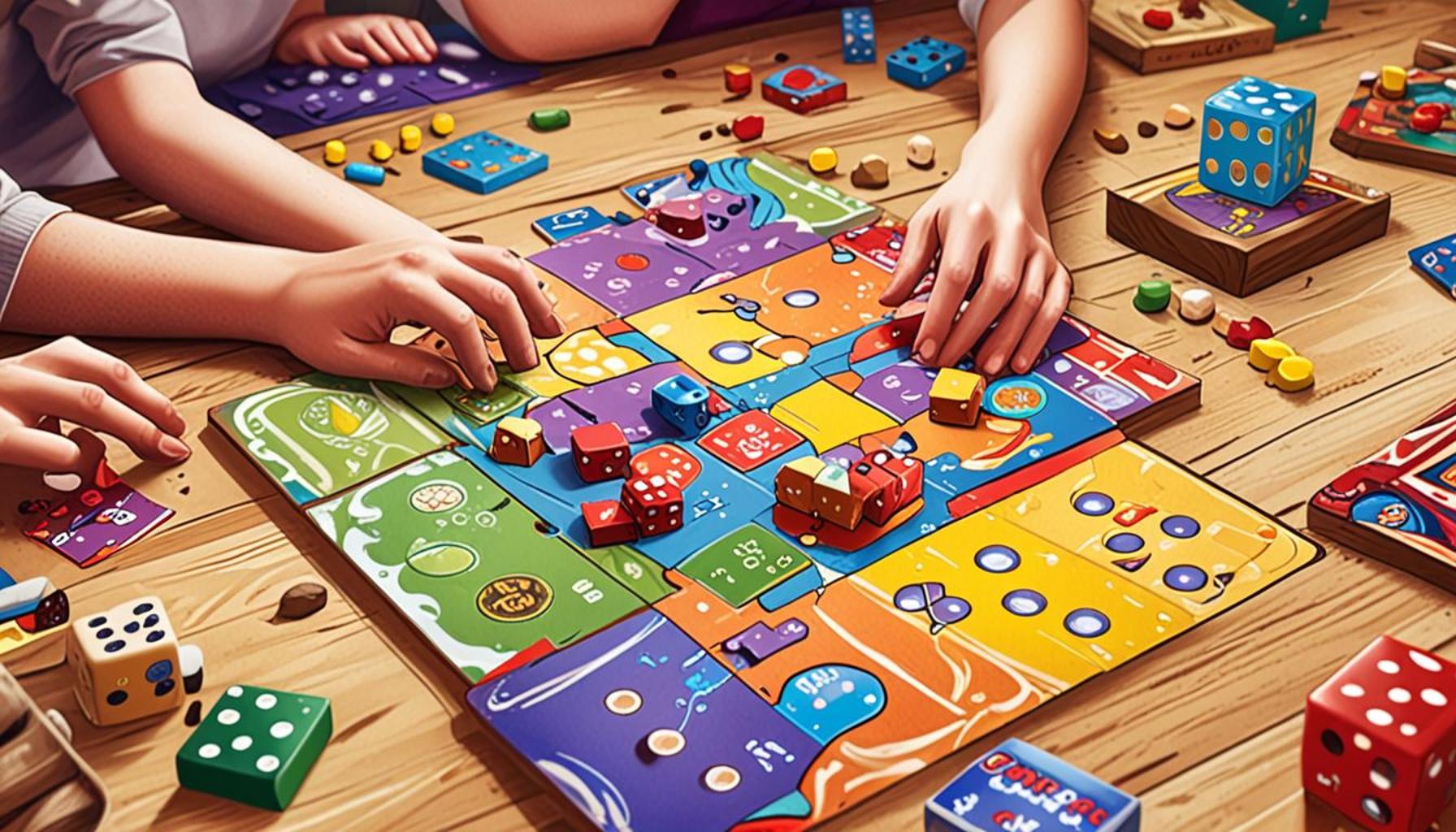
Board games have long stood as a cornerstone of family entertainment and social gatherings, yet their potential as effective stress relief tools is often overlooked. The depth of engagement required in many board games fosters a unique form of mental activity that can assist in mitigating stress. By incorporating reasoning challenges into the gaming experience, players not only sharpen their cognitive skills but also create a much-needed mental distraction from their everyday anxieties.
One of the most beneficial aspects of board games is that they require players to focus and strategize, which diverts attention from stressors. Games such as Pandemic, which revolves around team strategy and problem-solving to avert global disasters, demand players to think critically and collaboratively. This cognitive engagement has been shown to shift focus away from stress, immersing players in a different world where they can experience both competition and cooperation.
There are several forms of reasoning challenges offered by board games that contribute to their effectiveness in relieving stress:
- Strategic Planning: Players must analyze the board, recognize patterns, and think several steps ahead. This mental exercise can enhance problem-solving skills, beneficial during high-stress situations in real life. Games like Risk, where players strategize to conquer territories, require intense foresight and decision-making, effectively distracting from daily worries.
- Critical Thinking and Adaptability: Many board games impose unexpected challenges that require players to adapt their strategies on the fly. For instance, in 7 Wonders, gamers must adapt their civilization-building strategies based on resource availability and competitor actions. This adaptability not only fosters resilience but also cultivates a mindset that can navigate real-life stressors more effectively.
- Memory and Recall: Games that involve memorization, such as Memory, can enhance cognitive function while providing a playful environment for players. As participants work to remember card placements, they exercise their brains, leading to increased mental agility and improved focus, both critical for stress recovery.
Incorporating such reasoning challenges into leisure time can be profoundly beneficial. Research indicates that engaging in mentally stimulating activities can promote neuroplasticity, which helps the brain reorganize itself in response to subtle cues from one’s environment. This means that regularly participating in board games can enhance your cognitive capabilities while also diminishing the adverse effects of stress.
As we explore deeper into the ways board games serve as a pathway to relaxation, it becomes evident that their potential reaches far beyond mere entertainment. The abstract and immersive nature of these games allows players to engage with their thoughts and emotions in a controlled environment, providing the perfect escape when life feels overwhelming.
| Category | Benefits |
|---|---|
| Mental Engagement | Board games challenge players to think critically, enhancing cognitive functions. |
| Social Interaction | Playing together fosters relationships and teamwork, reducing feelings of isolation. |
Engaging in board games provides a compelling avenue for stress relief. The cognitive challenges inherent in these games not only serve to enhance mental acuity but also offer a break from real-life pressures. Research shows that participating in strategic games like chess or cooperative games like Pandemic can improve decision-making and problem-solving skills, making players more adept at handling life’s challenges.Moreover, board games facilitate social interaction, allowing friends and family to connect in a playful environment. This social aspect reduces anxiety, as laughter and camaraderie can help lower cortisol levels, leading to a more relaxed state of mind. The more engaged players are in cooperative play, the stronger their social ties become, reinforcing a network of support that is essential for overall well-being. As players immerse themselves in these worlds of strategy and chance, they can find not just enjoyment but also a powerful method of coping with stress. The allure of board games as a versatile tool for enhancing mental and social health invites readers to explore these themes further.
DIVE DEEPER: Click here for essential strategies
The Therapeutic Benefits of Social Interactions Through Board Games
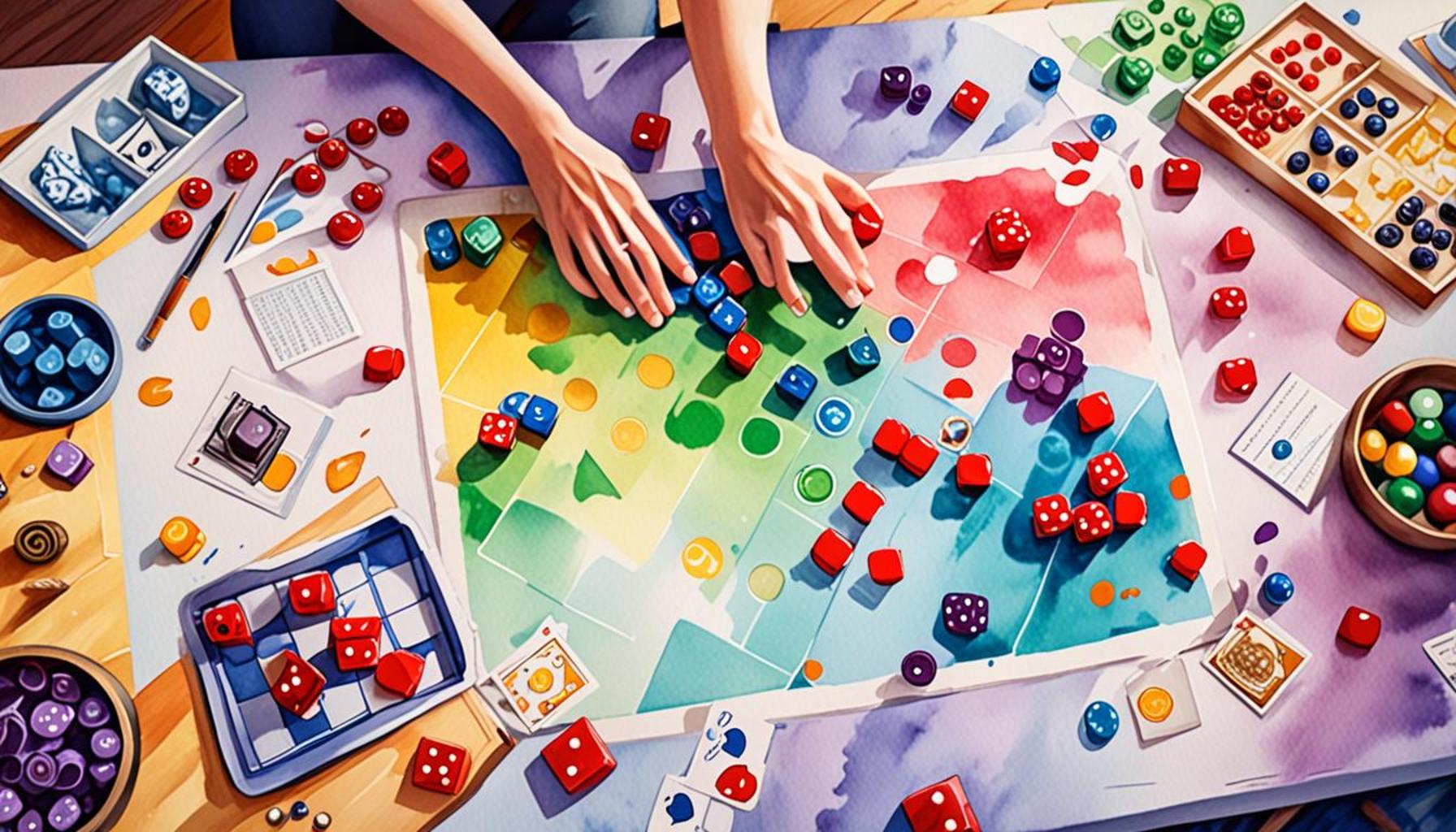
In addition to the cognitive benefits of board games, the social aspect plays a significant role in facilitating effective stress relief. Engaging with others in a shared activity fosters a sense of community and connection, both crucial for emotional well-being. The act of gathering around a table to play games can create meaningful social interactions that alleviate feelings of isolation.
One striking example is the popularity of games like Codenames, which encourages teamwork and communication. Players must work together, deciphering clues while engaging in friendly competition. This dynamic not only enhances social bonds but also stimulates laughter and joy, both powerful antidotes to stress. Emotional scientists assert that shared laughter can lead to the release of endorphins, the body’s natural feel-good hormones, which can lighten the mental load players carry.
Furthermore, the structured nature of board games often helps individuals disengage from the chaotic elements of daily life. In a world where for many, cell phones and social media dominate social interactions, playing board games offers a tactile, face-to-face experience that fosters deeper conversations and connections. Research published in the journal Frontiers in Psychology has noted that engaging in social activities, such as team-based board games, can drastically reduce feelings of loneliness, a common precursor to stress and anxiety.
Moreover, some games are built specifically with therapeutic purposes in mind. Titles like Mindfulness: A Game for Children and Adults, encourage players to express and manage their emotions, promoting mindfulness and self-awareness. These games are designed to not only entertain but also promote emotional intelligence and communication skills within a safe space, making them invaluable resources for stress relief.
The importance of ritual cannot be understated in this context. Many families establish traditions around board games, involving game nights where they can regularly connect. According to a survey conducted by Tabletop Gaming Magazine, over 61% of respondents stated that playing board games together strengthens family relationships. This regular engagement serves as a consistent outlet for stress relief, promoting a sense of comfort in the familiar structure and camaraderie these games provide.
As players navigate the complexities of board games, they learn valuable skills in conflict resolution and emotional regulation. For instance, when faced with setbacks in a game, players often learn to cope with disappointment and strategize anew, mirroring skills essential to navigating life’s challenges. This practice culminates in an improved emotional toolkit, enhancing players’ resilience both within and outside the context of gaming.
As we delve further into the role of board games as a mechanism for stress relief, the combination of cognitive challenges and social interactions reveals a potent strategy for mental well-being. By participating in games that combine reasoning challenges and foster connection, individuals can not only lighten their worries but also cultivate a supportive network conducive to emotional growth.
DISCOVER MORE: Click here for calming mind games
Conclusion: The Power of Board Games in Stress Management
In conclusion, the intersection of reasoning challenges and social interactions through board games provides a multifaceted approach to stress relief that is both enjoyable and beneficial for emotional health. The structured nature of these games creates a welcoming escape from the stresses of everyday life, allowing players to engage their minds while fostering bonds with friends and family. With games like Codenames promoting teamwork and laughter, players delight in not just the competition but also the joy of shared experiences, which can lead to the release of endorphins–nature’s stress relievers.
Moreover, the therapeutic aspects of mindfulness-focused games illustrate a growing trend in leveraging gaming for emotional intelligence and self-awareness. The rituals established around regular game nights not only strengthen familial ties but also create a safe space for conversation and connection, crucial elements for combating loneliness and anxiety. As evidenced by the insights from Tabletop Gaming Magazine, engaging in these activities can bring people closer together, nurturing relationships and improving overall mental well-being.
Ultimately, the challenges presented by board games serve as valuable life lessons, teaching resilience, conflict resolution, and emotional regulation in an enjoyable setting. As more individuals turn to board games as a strategy for maintaining mental health, the potential for community building and emotional growth becomes evident. By incorporating these playful yet complex engagements into our lives, we can effectively combat stress while cultivating connections that last. The time to dust off those board games is now—embrace the challenge, enjoy the fun, and discover the profound impact they can have on your mental health.