Discover Eco-Friendly Craft Materials Create Beauty Sustainably
Introduction
In a world increasingly affected by environmental issues, the intersection of creativity and sustainability is gaining significant attention. More individuals are seeking ways to express their artistic talents while making choices that are kind to the planet. This shift not only elevates the crafting experience but also fosters a deeper connection to the materials used.
Engaging in creative hobbies like crafting offers unique opportunities to explore eco-friendly options. By opting for sustainable materials, artisans can create beautiful pieces that reflect their values. This article will guide you through the essential aspects of sustainable crafting and provide you with a curated list of the Top 5 Eco-Friendly Craft Materials to inspire your next project.
- Recycled paper and cardboard
- Bamboo and cork
- Natural dyes
- Organic fabrics
- Biodegradable glues and adhesives
Discover how to blend artistry with responsibility, making each creation not just a personal statement, but a contribution to a more sustainable future.
Exploring Sustainable Materials for Crafting: Creating Beauty with Environmental Awareness
As the world faces increasing environmental challenges, more individuals are striving to integrate sustainability into their everyday lives. One effective and creative avenue for this effort is through crafting. By embracing sustainable materials, artists and hobbyists can express their creativity while also caring for the planet. This article presents a countdown of the top five sustainable materials for crafting, from the fifth to the first, highlighting how each can be used to create unique, eco-friendly pieces.
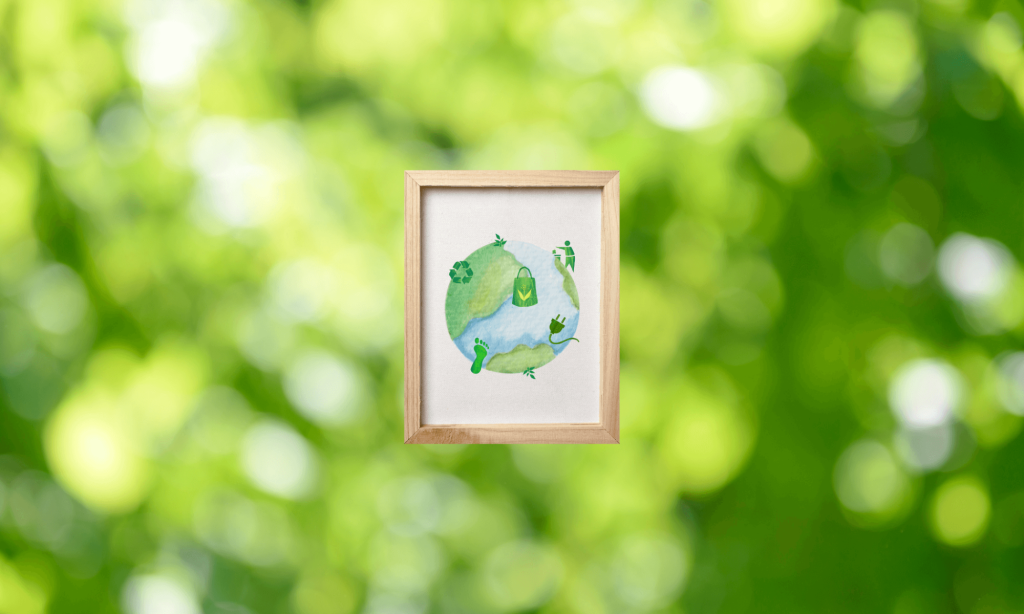
5. Recycled Paper
Utilizing recycled paper is a fantastic way to embark on your journey into sustainable crafting. Derived from pre-used paper and cardboard, recycled paper minimizes the need for cutting down new trees and conserves water and energy during production. Its applications are vast, spanning from handmade cards and decorative containers to eco-friendly gift wrap.
- Versatility: Recycled paper is readily available in an array of textures and colors, offering diverse options for creativity.
- Accessibility: Easily obtainable in craft stores and online platforms, making it a convenient choice for many.
- Environmental Contribution: By opting for recycled paper, artists can significantly decrease the volume of waste and pollution affecting our ecosystems.
By selecting recycled paper, you not only engage in creative endeavors but also contribute positively to environmental conservation.
4. Organic Fabric
Organic fabric has surged in popularity, particularly in sewing and garment-making projects. Manufactured without toxic pesticides or chemicals, this fabric variant is an excellent choice for environmentally conscious crafters. It often comprises natural fibers that are gentle on the skin.
- Varieties of Fabric: Includes options like organic cotton, linen, and bamboo, each offering unique aesthetic and functional benefits.
- Durability: These fabrics are known for their enhanced strength and longevity compared to conventional fabrics.
- Eco-friendly Production: The cultivation and processing of organic fabrics typically exert a reduced environmental impact, promoting sustainable practices.
By using organic fabrics, you can create clothing and accessories that merge style with sustainability.
3. Natural Clay
Natural clay stands as one of the oldest materials employed in the realm of crafting and remains a sustainable option for contemporary artists. It is biodegradable and possesses qualities that make it pliable and straightforward to shape. From pottery to sculptures, its versatility is truly remarkable.
- Eco-friendly Firing: Clay firing processes can be conducted without harmful chemical additives, ensuring a cleaner final product.
- Inspiration from Nature: The tactile experience of working with clay connects artists directly to natural elements and textures.
- Local Resources: Clay can often be sourced locally, reducing transportation-related carbon footprints.
Natural clay allows artisans to produce aesthetically pleasing and eco-conscious works.
2. Materials Found in Nature
Utilizing materials found in nature represents one of the most authentic methods to create sustainable art. Items such as stones, twigs, dried leaves, and flowers can be collected and incorporated into a wide array of projects. Abiding by sustainable gathering practices, this approach encourages the reuse of natural resources.
- Environmental Connection: Crafting with natural materials enhances understanding and appreciation of biodiversity.
- Unique Expression: Each crafted piece is inherently unique due to the variable nature of the materials used.
- Cost-effectiveness: Leveraging materials from nature is usually an affordable and economical crafting strategy.
Creating art from natural materials not only results in beautiful creations but also honors the world around us.
1. Recycled Plastic
At the top of the list is recycled plastic, an increasingly vital resource in our modern world, where plastic pollution stands as a significant environmental concern. Recycled plastic presents an innovative crafting solution, enabling creators to transform waste into functional and artistic pieces.
The process of recycling plastic involves collecting, sorting, cleaning, and ultimately reprocessing plastic waste into usable materials. This cycle reduces the dependency on virgin plastic, decreases landfill build-up, and assists in slowing the depletion of natural resources.
- Resourceful Crafting: Artists can manipulate recycled plastic into jewelry, furniture, art installations, and more.
- Durability and Versatility: Recycled plastic is not only robust but can also be molded into various shapes and forms, offering endless possibilities for innovation.
- Environmental Value: By crafting with recycled plastic, artisans actively participate in diverting waste from landfills and oceans.
Engaging with recycled plastic in your craft projects not only fosters environmental sustainability but also champions the potential of waste material transformation.
In conclusion, embarking on the path of crafting with sustainable materials is a compelling journey towards creating beauty with environmental awareness. Each material listed here offers its unique benefits and challenges, but they all share a common goal: to inspire creativity while respecting our planet. As more people embrace these sustainable practices, the world of crafting will continue to evolve, leading to greener and more innovative artistic expressions. Explore these options and contribute actively to a more sustainable future.
| Category | Description |
|---|---|
| Recycled Materials | Utilizing materials like old newspapers, glass bottles, and fabric scraps significantly reduces waste. These items can be transformed into unique crafts, revealing the beauty in what was once considered rubbish. |
| Natural Dyes | Incorporating plant-based dyes is not only environmentally friendly but also offers a rich palette of colors derived from fruits, vegetables, and herbs. This process connects artisans to nature, enhancing the organic feel of their creations. |
| Biodegradable Materials | Using materials that decompose naturally, such as bamboo or sustainably sourced paper, minimizes the environmental footprint. These options offer both durability and purpose, creating beautiful pieces that blend seamlessly with the environment. |
| Upcycling | Embracing the art of upcycling allows artisans to breathe new life into furniture or décor items. This practice not only fosters creativity but also champions sustainability by discouraging the consumer culture of disposability. |
Exploring sustainable materials for crafting does more than just highlight an eco-friendly approach; it offers the opportunity to cultivate a deeper connection with the planet. Each handmade piece reflects a unique story, one that speaks to both artistry and environmental consciousness. As more creators turn to these innovative methods, they foster a community that values not only the outcome of their work but also the journey and the impact that journey has on the world around them. The blend of creativity and responsibility serves to inspire others, showcasing the beauty of sustainable practices in every stitch, color, and design.
Frequently Asked Questions on Sustainable Craft Materials
What are some popular sustainable materials used in crafting?
One of the key aspects of sustainable crafting is the use of materials that have a minimal environmental impact. Popular sustainable materials include recycled paper, organic fabrics like cotton or hemp, natural dyes, bamboo, and reclaimed wood. These materials not only reduce waste but also add a unique touch to your creations, promoting a conscious connection to the environment.
How can I source sustainable materials for my craft projects?
Sourcing sustainable materials can be both a rewarding and challenging endeavor. Many artists turn to local markets, thrift stores, or online platforms that specialize in eco-friendly products. Websites like Etsy often feature small-scale sellers who provide upcycled and handmade materials. Additionally, some communities have swap events or craft exchanges, which can be a great way to access sustainable materials while supporting local artisans.
Are there any certifications or labels I should look for when buying sustainable materials?
Yes, various labels and certifications can help ensure the sustainability of materials. Look for certifications such as GOTS (Global Organic Textile Standard) for organic fibers, FSC (Forest Stewardship Council) for wood products, and OEKO-TEX for textiles free from harmful chemicals. These certifications ensure that the products meet specific environmental and social responsibility criteria.
Why is it important to consider sustainability in crafting?
Incorporating sustainability in crafting is crucial as it directly impacts our environment by reducing waste and conserving natural resources. By choosing sustainable materials, artisans can help combat issues like pollution and climate change. Furthermore, sustainable crafting often leads to innovative designs and original pieces that reflect an appreciation for nature and social responsibility, adding deeper value to the art form.
How does crafting with sustainable materials influence the final product?
Crafting with sustainable materials often imparts unique characteristics to the final product. Each piece is likely to carry a story—whether it’s from the origins of recycled materials or the natural textures and colors of organic ones. This gives the final product a distinctive edge, often making it more aesthetically appealing and ethically meaningful, appealing to conscientious consumers seeking beauty with a purpose.
Conclusion: Crafting a Greener Future
As we navigate an era where environmental sustainability has become paramount, exploring sustainable materials for crafting offers a harmonious blend of creativity and ecological consciousness. This journey into the heart of eco-friendly craftsmanship shows that beauty need not come at the planet’s expense. By integrating practices such as using recycled and natural materials, upcycling discarded items, and supporting local artisans, we can infuse our creative hobbies with a deeper purpose.
The exploration of sustainable materials highlighted in this article underscores their importance in reshaping our approach to crafting. Emphasizing practices like recycling, upcycling, and prioritizing non-toxic, biodegradable materials not only enhances the aesthetic and uniqueness of handmade goods but also promotes a message of environmental stewardship. Each crafted piece tells a story not just of skill and imagination but also of commitment to the planet.
Moreover, supporting sustainable crafting aligns with broader eco-friendly initiatives that advocate for reduced waste and consumption. For crafters, this opens up a world of innovation and responsibility, inviting them to think creatively about their material choices and the life cycle of their creations.
In essence, the conversation around sustainable materials in crafting is more than a passing trend—it’s a necessary shift in mindset towards sustainable living. By choosing to create with materials that are kind to the Earth, crafters are not only beautifying the world but also paving the way for a sustainable future. This is a call to all artists and hobbyists to embrace sustainability, foster innovation, and contribute to a healthier planet through their passion for crafting.