
The Cultural Connection in Craft Materials: How Local Traditions Influence Material Choice
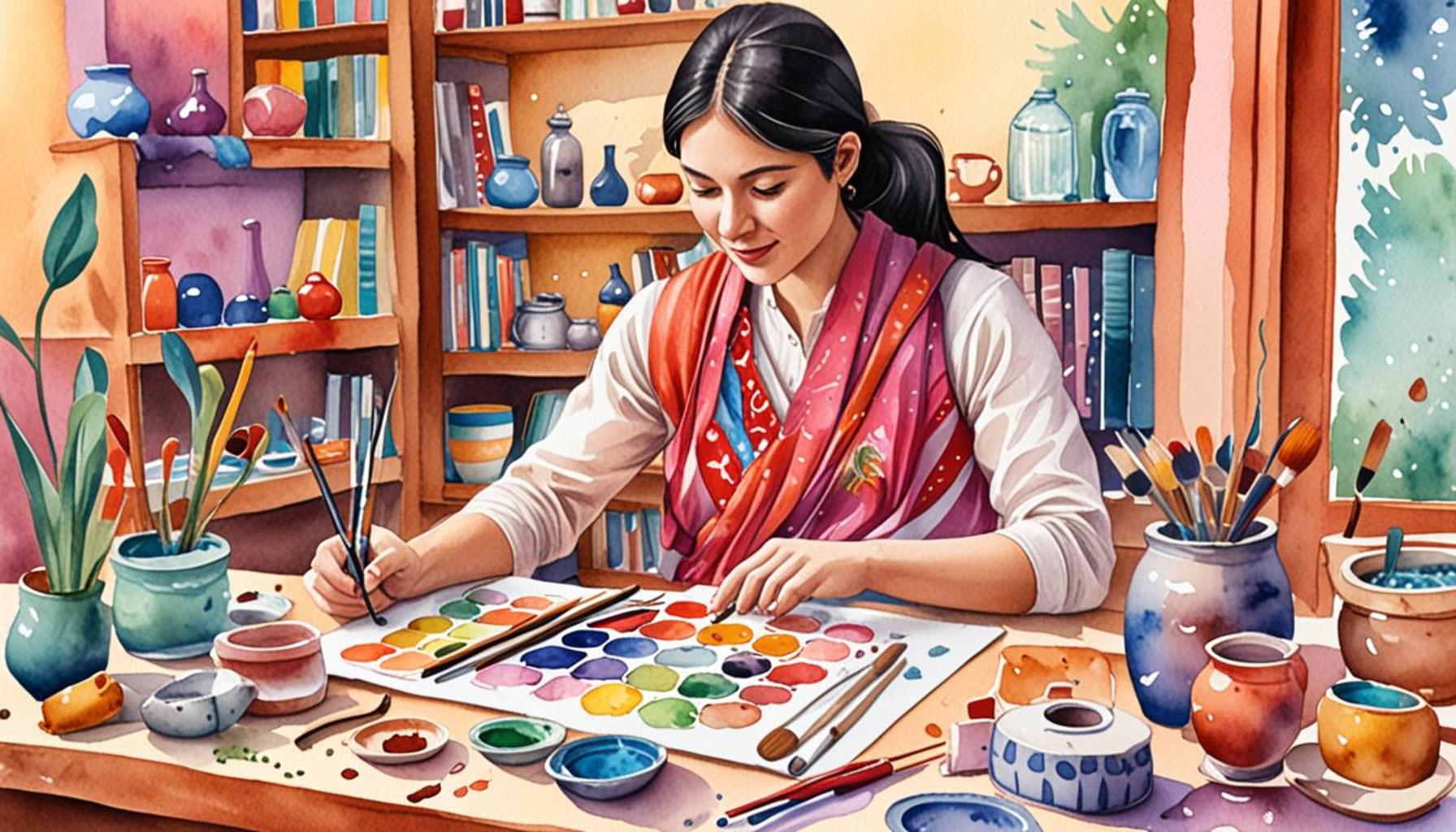
The Interplay Between Culture and Craft Materials
Crafting goes beyond simple creation; it is a profound manifestation of cultural identity and heritage across various communities. Each material chosen by artisans reinforces local customs and heritage, shaping not only the aesthetics of the finished product but also weaving in the rich narratives of their origins. As we explore the diverse crafting styles found across the United States, it becomes clear that the selection of materials serves as a direct link to a community’s ethos and values.
For example, consider the distinctive art of Native American beadwork. This craft exemplifies a masterful use of natural materials such as bone, porcupine quills, and abalone shells, which are sourced from the environment surrounding Indigenous communities. The intricate patterns often tell stories of tribal history, spirituality, and social status, thus embedding significant cultural meaning into the decorative accessories.
In contrast, the beautiful quilting traditions in the Appalachian region often utilize repurposed fabric, revealing tales of resourcefulness and sustainability. Many quilts are created from discarded clothing or fabric remnants, showcasing a practical approach to material selection that honors the area’s history of hardworking communities. Each stitch not only offers warmth but also narrates personal stories and familial heritage, creating a tapestry of collective memory.
Moreover, as a reflection of modern cultural influences, California surf culture employs vibrant synthetic materials in crafting surfboards and beachwear. Bright colors and bold designs symbolize the lively, carefree lifestyle associated with the coast. Materials in this context are chosen as much for their visual appeal as for their functionality, highlighting a shift towards creativity and individual expression in crafting.
The choice of materials in crafting is influenced by various factors, each steeped in cultural significance. These include:
- Availability of resources: Artisans often rely on what is locally available, which affects both the style and sustainability of their crafts.
- Historical practices: Many crafting techniques have been passed down through generations, preserving the methods and materials used by ancestors.
- Social and environmental considerations: The choice of eco-friendly materials today reflects a growing awareness of sustainability and responsible crafting practices.
Exploring these factors invites readers to reflect on their own cultural connections and the broader narratives woven into the fabric of craftsmanship. The materials used not only reflect individual creativity but also resonate with shared human experiences and cultural heritage. As we delve deeper into the relationships between local traditions and material selection in crafts, we uncover an intricate tapestry that celebrates both the unique identities of communities and our collective history.
DISCOVER MORE: Click here to learn about eco-friendly craft materials
Local Resources and Crafting Practices
The selection of materials in crafts is heavily influenced by local resources, as artisans often draw upon what is readily available in their environment. This reliance not only shapes the aesthetic qualities of their works but also embeds practical knowledge rooted in generations of craftsmanship. In regions with diverse ecosystems, artisans may gather materials that naturally occur in their surroundings, promoting an intimate relationship between the craft and the land.
For instance, in the Pacific Northwest, the abundant supply of cedar wood has given rise to vibrant cultures of wood carving and totem pole creation among Indigenous groups. The resilience and versatility of cedar make it an ideal medium, facilitating the transformation of raw materials into art that echoes the cultural narratives of the region. Each carved piece represents not just artistic expression, but also the spiritual connection that local communities have with the forests that surround them.
Similarly, in the southwestern United States, Adobe bricks have become synonymous with traditional Pueblo architecture. These earthen materials, made from a mixture of clay, straw, and water, resonate with the historical practices of Indigenous peoples who have adapted their housing to the region’s arid climate. The construction techniques, passed down through generations, reflect an understanding of sustainability that remains crucial in modern craftsmanship.
Historical Practices and Their Modern Relevance
The historical practices that influence material choice in crafts serve as crucial touchstones for many communities. Artisans often incorporate techniques and materials that have been handed down through familial and communal lines, ensuring the continuity of cultural identity. Take, for example, the striking pottery styles of the Pueblo tribes. These artists utilize clay sourced from specific local deposits, often mixed and treated in ancient ways to preserve authenticity. This echoes the deep-seated traditions where pottery was not merely functional but also ceremonial, symbolizing cultural values and community ties.
Moreover, the practice of repurposing materials highlights the significance of resourcefulness in a given culture. In regions like the Midwest, where farming history looms large, it’s common to encounter barn quilts made from discarded barn siding and fabric scraps. This craft not only speaks to the practical reuse of materials but also symbolizes the hard work and creativity prevalent in local farming communities. Each quilt, often adorned with vibrant designs and colors, tells a story about the families that have lived and worked in the area, solidifying the community’s collective memory.
Furthermore, crafting today also embodies a growing awareness of environmental and social considerations. Many artisans are turning towards eco-friendly materials, such as recycled glass and ethically sourced fibers, as a response to the global call for sustainability. This trend reflects not only a commitment to preserving the environment but also a desire to honor cultural practices that prioritize respect for natural resources.
As we delve into the nuances of how local traditions influence material choice, it becomes increasingly clear that these connections are vital. They not only sustain cultural heritage but also foster an appreciation for the artistry behind each handcrafted piece, inviting further exploration into the stories and histories they represent.
The choice of craft materials is deeply intertwined with local traditions, beliefs, and cultural heritage. Local artisans and craftspeople tend to select materials that are not only plentiful in their region but also resonant with the stories that shape their communities. For instance, in many Indigenous cultures, particular materials carry spiritual significance—such as feathers, clay, and wood—that dictate their use and craftsmanship practices. This cultural connection ensures that traditional crafting methods are preserved, providing future generations with a tangible link to their heritage.In regions like West Africa, vibrant fabrics and colorful beads are more than mere decoration; they represent an ongoing narrative of identity, celebration, and community. The use of distinct patterns and colors is often indicative of ancestral history, conveying messages about the wearer’s social status or community ties. The process of crafting these materials also embodies communal ties, as families and groups often work together to create and pass down techniques that have been refined over centuries.Moreover, incorporating local materials fosters sustainability—the utilization of indigenous resources not only minimizes transport costs and environmental impact but also promotes a greater awareness and appreciation for the delicate ecosystems that provide these materials. This sustainable approach intrinsically connects the craftsman with their natural surroundings, enhancing the authenticity of their work. By focusing on what is locally available, artisans not only celebrate their culture but also safeguard their environment, ensuring that future generations have access to the raw materials essential for their craft.The influence of local traditions on material choice lays the groundwork for innovative designs that remain true to cultural roots while adapting to modern aesthetics. This duality showcases craft as a dynamic form of expression, bridging the past with the present, and ensuring that each creation is laden with meaning and story. For those interested in delving deeper, exploring how these cultural connections are articulated in various crafts can uncover a rich tapestry of history, identity, and artistic flair.
DIVE DEEPER: Click here to uncover innovative techniques
Symbolism and Cultural Significance
In addition to the practicality of local resources, the selection of craft materials is often anchored in their symbolic meanings within a community. Various materials carry significant cultural weight, reflecting shared beliefs, histories, and artistic traditions. This cultural symbolism can profoundly influence not just the choice of materials but also the techniques used in crafting.
For example, in African American quilting traditions, fabrics are chosen not merely for their aesthetic appeal but for their cultural implications as well. Brightly colored fabrics may symbolize joy, resilience, and communal bonds. The specific patterns and shapes used in quilt-making often convey stories of heritage and social history, functioning as both art and means of storytelling. These quilts have been used as tools for communication and preservation of identity, showcasing how craft materials can be laden with meaning beyond their physical form.
In the American Southeast, the craft of basket weaving among the Gullah culture emphasizes the use of local materials like bulrush and palmetto. These native plants not only provide the necessary texture and durability but are also infused with cultural reverence. Each woven basket mirrors environmental adaptability and also pays homage to ancestral techniques that have remained largely unchanged over the centuries. Here, the material choice embodies a spirit of resilience and respect for cultural lineage.
The Role of Innovation and Tradition
The interaction between tradition and modern innovation further complicates the dialogue surrounding material choice. Many modern artisans strive to find the balance between honoring traditional methods while embracing new ideas and technologies. For instance, the craft of pottery has witnessed a remarkable evolution with artists experimenting with glazes and firing techniques that enrich the traditional forms already in existence. Some potters in the United States may explore non-traditional materials such as found objects or even plastics, exemplifying a fusion of history and contemporary art forms. While this can be seen as a departure from traditional practices, it also renews the relevance of craft, ensuring that cultural expressions do not stagnate.
Moreover, collaboration has emerged as a cornerstone of innovation within crafting communities. Artisans from different backgrounds increasingly work together to fuse diverse artistic techniques, reflecting a melting pot of cultural influences. This is particularly visible in urban craft markets, where a mix of materials from various traditions can be seen in products such as jewelry and home goods. These collaborations not only enrich the craftsmanship but also tell stories of cross-cultural connection, allowing artisans to redefine their identities while honoring their roots.
As we investigate the profound influence of culture on the choice of materials, one must also consider the role of education and mentorship in sustaining these traditions. Many artisans are committed to passing down their skills and knowledge to younger generations, ensuring that traditional material usage continues in evolving forms. Workshops, community classes, and mentorship programs foster an environment where new artisans can both innovate and adhere to cultural practices, embodying the dynamic nature of craft.
Ultimately, the connection between craft materials and cultural traditions opens a rich tapestry of exploration, highlighting how materials serve not only as the backbone of artistic expression but also as vessels of cultural narratives that resonate with our collective human experience.
DISCOVER MORE: Click here to explore innovative craft material techniques
Conclusion: The Intertwined Fabric of Craft and Culture
In exploring the intricate relationship between craft materials and local traditions, we uncover the rich tapestry that connects communities through art. The choice of materials is not merely a matter of availability; it is deeply embedded in the cultural narratives that shape societies. From the colorful fabrics of African American quilts to the resilient baskets of the Gullah culture, each craft reflects a legacy that honors heritage and fosters communal identity.
Moreover, the ongoing dialogue between tradition and innovation illustrates how artisans are not only preserving the past but actively reshaping cultural expressions. As they experiment with new materials and techniques, they breathe life into time-honored practices, ensuring that these traditions remain relevant in a modern context. Collaborative efforts between different cultural backgrounds further enrich this process, showcasing how crafts can transcend personal identity, creating a shared space for dialogue and understanding.
Education and mentorship also play a pivotal role in this evolution, as new generations of artisans learn to balance tradition with contemporary innovation. By engaging in community workshops and classes, they perpetuate cultural practices while adding their unique voices to the narrative, ensuring that the essence of local crafts continues to thrive amid change.
In conclusion, the cultural connection in craft materials serves as a reminder of the vital role that art plays in our lives. It invites us to look closer at the stories behind the materials we encounter, urging us to appreciate not just the aesthetic but the profound significance hidden within each handcrafted piece. This exploration is not merely an examination of art; it is an invitation to participate in a larger conversation about our collective heritage and the future we weave together.