
Sustainability in Choosing Materials for Crafts: How to Make Ecological Choices
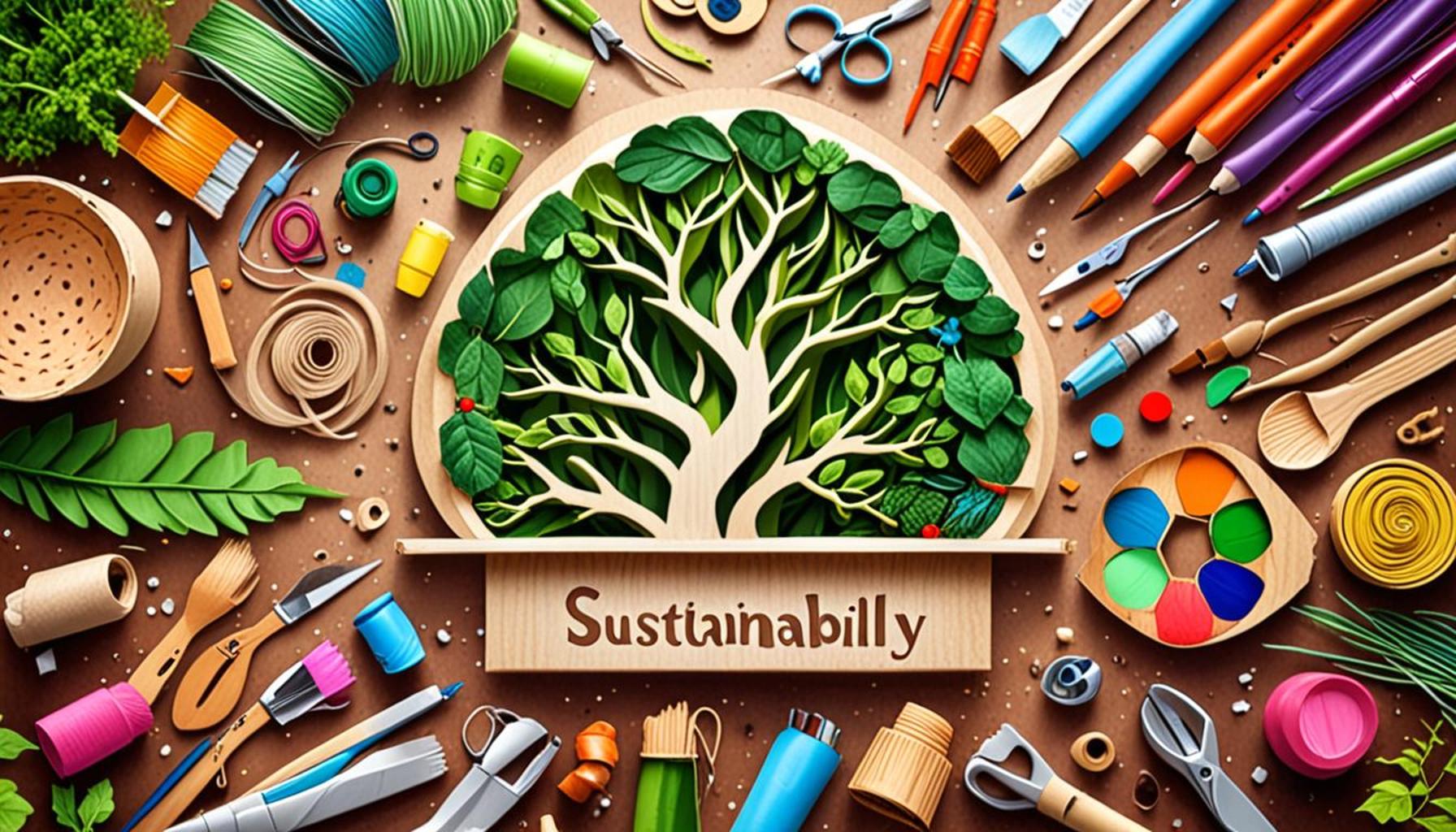
Sustainability in Crafting: A Necessity for Modern Artisans
As the world increasingly shifts towards eco-conscious living, the conversation around sustainability in crafts has garnered significant attention among creators and artisans alike. The materials you choose can make a profound impact on the environment, so it is crucial to be thoughtful in your selection process. With a plethora of materials available ranging from traditional to innovative alternatives, making ecological choices may seem overwhelming but can also be an exciting challenge that fuels creativity.
Why Opt for Sustainable Materials?
Choosing sustainable materials goes far beyond reducing the guilt associated with crafting. It involves embracing a holistic approach to art that reverberates with ethical implications. Here are several compelling reasons to prioritize sustainability:
- Reduced Waste: By selecting materials that are renewable or biodegradable, such as bamboo, cork, or even upcycled textiles, you help reduce the overwhelming amount of waste that fills landfills.
- Lower Carbon Footprint: Eco-friendly materials often require less energy to produce, which translates into lower greenhouse gas emissions. For instance, organic cotton requires significantly less water and pesticides compared to conventional cotton, making it a friendlier option for the planet.
- Support Local Economies: Utilizing locally sourced materials not only minimizes transportation impacts but also nurtures craft communities. For example, purchasing from local artisans or small farms supports sustainable practices and promotes economic resilience in specific regions.
Across the United States, craft enthusiasts are unveiling inventive ways to remain dedicated to sustainability while producing beautiful artworks. From intricate paper crafts to sewing projects and nature-based decorations, there are endless sustainable alternatives that can elevate your creative endeavors. By exploring the right tools, techniques, and materials, you can make informed and eco-friendly decisions that resonate with your values.
What Materials Should You Consider?
Are you ready to embark on a sustainable crafting journey? Here are some materials worth incorporating into your next project:
- Recycled Paper: Ideal for scrapbooking, card making, or any paper-based crafts, recycled paper helps reduce deforestation and typically involves less water and energy in production.
- Organic Fabrics: For sewing projects, organic cotton, linen, or hemp are excellent choices. These fabrics are processed without harmful chemicals, making them safer for both the environment and the health of artisans.
- Natural Dyes: By using plants, roots, seeds, and minerals, natural dyes allow you to color your materials creatively and sustainably. Common sources include avocado pits for pink hues or turmeric for vibrant yellows.
Joining the movement towards sustainability in crafting opens up a new dimension of creativity while aligning your projects with Earth’s wellbeing. By choosing eco-friendly options, not only do you contribute to a better tomorrow, but you also enrich your crafting experience with innovative and often unique materials that tell a story of their own. Dive into the world of sustainable crafting and watch as your projects not only dazzle but also make a positive impact!
DISCOVER MORE: Click here to dive into the impact of social media on homemade cooking
Exploring the Landscape of Sustainable Craft Materials
The journey towards sustainability in crafting begins with a thorough understanding of the materials that can enhance your projects while minimizing environmental harm. In a world where craft enthusiasts are increasingly aware of their ecological footprint, the demand for sustainable options has given rise to a wealth of innovative materials. Whether you are a veteran artisan or a budding crafter, the choices you make can reflect a commitment not only to your creativity but also to the health of our planet.
Identifying Eco-friendly Materials
As you delve into the world of sustainable crafting, it’s essential to familiarize yourself with the myriad of options available. Here are some key materials that stand out for their eco-friendliness and versatility:
- Reclaimed Wood: Using reclaimed wood for your craft projects is an excellent way to incorporate sustainability without sacrificing aesthetics. This material not only reduces the demand for new lumber but also infuses your creations with unique character and history.
- Natural Fibers: Beyond organic fabrics, consider incorporating other natural fibers such as jute, sisal, or cotton. These materials are biodegradable and often require significantly less energy to produce than synthetic counterparts.
- Biodegradable Adhesives: Instead of conventional glues laden with chemicals, opt for biodegradable adhesives made from natural materials. These options break down more easily in the environment, reducing chemical exposure and pollution.
- Upcycled Elements: Repurposing old items—think jars, fabrics, or buttons—breathes new life into forgotten materials and helps combat waste. Upcycling can transform mundane objects into stunning art pieces or functional craft supplies, showcasing creativity and sustainability hand in hand.
The Impact of Your Choices
While the selection of materials is vital, understanding their lifecycle and environmental impact is equally important. For instance, the production of conventional synthetics often involves toxic chemicals and significant energy consumption. In contrast, sustainable materials tend to be grown or fabricated through processes that prioritize environmental integrity. This deeper awareness not only shapes your crafting practices but also fosters a broader understanding of sustainability in your daily life.
By embracing the challenge of selecting sustainable materials, you celebrate craftsmanship that aligns with eco-friendly principles. Whether you are creating handcrafted jewelry, home decor, or functional items, every small decision counts. The goal isn’t merely to reduce your carbon footprint; it’s an invitation to engage with the materials in a conscientious and meaningful way. Engaging in sustainable crafting allows you to cultivate skill and artistry while becoming a steward of the environment—so your creations can tell a story that goes beyond their visual appeal and resonate with purpose.
| Sustainable Materials | Benefits for Crafts |
|---|---|
| Recycled Paper | Utilizing recycled paper reduces waste and conserves natural resources. This choice supports a circular economy while offering unique textures and colors for various projects. |
| Natural Fibers | Using natural fibers such as cotton and hemp for fabric crafts minimizes environmental impact. These materials are biodegradable and contribute to healthier ecosystems. |
| Plant-Based Paints | Employing plant-based paints ensures non-toxicity, safeguarding both crafters and the environment. These water-based alternatives reduce chemical runoff into nature and provide vibrant pigments. |
| Upcycled Materials | Incorporating upcycled materials in crafts not only prevents waste but also invites creativity and innovation, giving old items a new life and purpose. |
Exploring sustainable materials is essential in making ecological choices for crafts. Each element chosen contributes to a larger narrative of environmental stewardship and creative expression. By transitioning to these eco-friendly options, crafters can significantly lessen their ecological footprint while engaging in fulfilling artistic endeavors.
DIVE DEEPER: Click here to discover more innovative techniques
Evaluating the Sources and Certifications of Craft Materials
When it comes to crafting sustainably, delving deeper into the origins of your materials can unveil a wealth of information that influences your purchasing decisions. Understanding the source of your materials not only helps in reducing your environmental impact but also supports communities and industries committed to sustainability.
Researching Material Origins
For many craft supplies, the way and where they are produced make a significant difference. Locally sourced materials can significantly reduce your carbon footprint, as they don’t require long-distance transport. Moreover, local artisans may adhere to eco-friendly practices, such as sustainably managing forests or weaving fabrics in energy-efficient mills. When possible, seek out suppliers in your area who prioritize eco-friendly methods, and don’t hesitate to ask them about their sourcing practices.
Understanding Certifications
Several certifications serve as indicators that a product meets specific environmental standards. Familiarize yourself with labels such as FSC (Forest Stewardship Council) for wood products, OEKO-TEX for textiles, and Energy Star for appliances used in production. By choosing materials with these certifications, you can ensure that they adhere to eco-friendly practices from sourcing through to manufacturing.
For instance, the FSC certification guarantees that the wood originates from responsibly managed forests that provide environmental, social, and economic benefits. In contrast, textiles labeled with OEKO-TEX Standard 100 ensure that the materials are free from harmful chemicals, making them safer not just for the environment but also for the end-users. Understanding these certifications can empower you as a consumer, equipping you with knowledge that helps inform your sustainable crafting choices.
Prioritizing Zero-Waste Techniques
Another critical aspect of making ecological choices in crafting is embracing zero-waste techniques. The philosophy behind zero waste adheres to the principle of reusing and recycling materials to significantly reduce waste. By keenly assessing your projects and anticipating material needs, you can minimize excess and repurpose scraps into new designs or functional items. For example, in fabric crafting, think about how leftover pieces can be combined into a patchwork effect or transformed into smaller accessories like hairbands or keychains.
Additionally, consider sharing materials with fellow crafters or even donating unused supplies to local schools or community centers. This practice fosters a communal sense of sustainability while ensuring that materials do not end up in landfills. Such actions reinforce the sentiment that crafting is not merely an individual pursuit, but a shared responsibility for the well-being of our environment.
Exploring Alternative Eco-conscious Resources
As you explore crafting sustainability, venturing into alternative materials can open new avenues for creativity. Innovations such as mycelium-based materials, made from mushroom roots, or even bioplastics derived from plant materials, are gaining traction. These novel resources not only reduce reliance on conventional plastics but also promise biodegradable options, allowing crafts to return safely to the ecosystem after their lifecycle ends.
Embracing a mindset that prioritizes sustainability in every aspect of your crafting—from selecting materials to envisioning designs—empowers you to be a catalyst for positive change. With each material you choose, you contribute to a future where creativity and ecological responsibility go hand in hand, inspiring others in your community to do the same.
DISCOVER MORE: Click here to learn about the impact of performing arts
Conclusion: Embracing Sustainable Crafting
In an era where environmental consciousness is paramount, making sustainable choices in craft materials is not just a trend but a necessity. By committing to ecological crafting, you bolster the fight against pollution, support responsible sourcing, and contribute to the well-being of communities and ecosystems alike. Throughout this journey of discovery, you have learned how researching material origins and understanding certifications can empower your purchasing decisions—enabling you to select materials that resonate with your eco-friendly values.
Additionally, adopting zero-waste techniques enhances your crafting practice while minimizing environmental impact. By creatively repurposing offcuts and sharing resources within your crafting community, you foster a culture of sustainability that inspires others. The innovations in alternative eco-conscious materials, such as mycelium-based and bioplastic options, further provide exciting opportunities to merge creativity with ecological responsibility.
As you embark on your next crafting project, remember that every small choice contributes to a larger movement toward sustainability. Each piece you create can spark conversations, influence peers, and encourage conscious living. So, consider your materials wisely, and step into the role of a steward for both your craft and the planet. The world of sustainable crafting awaits, filled with endless possibilities that are not only kind to nature but also rich in creativity and innovation. Explore, experiment, and let your ecological choices paint a brighter, greener future.