The Evolution of Craft Materials: From Traditional to Digital
The Evolution of Craft Materials
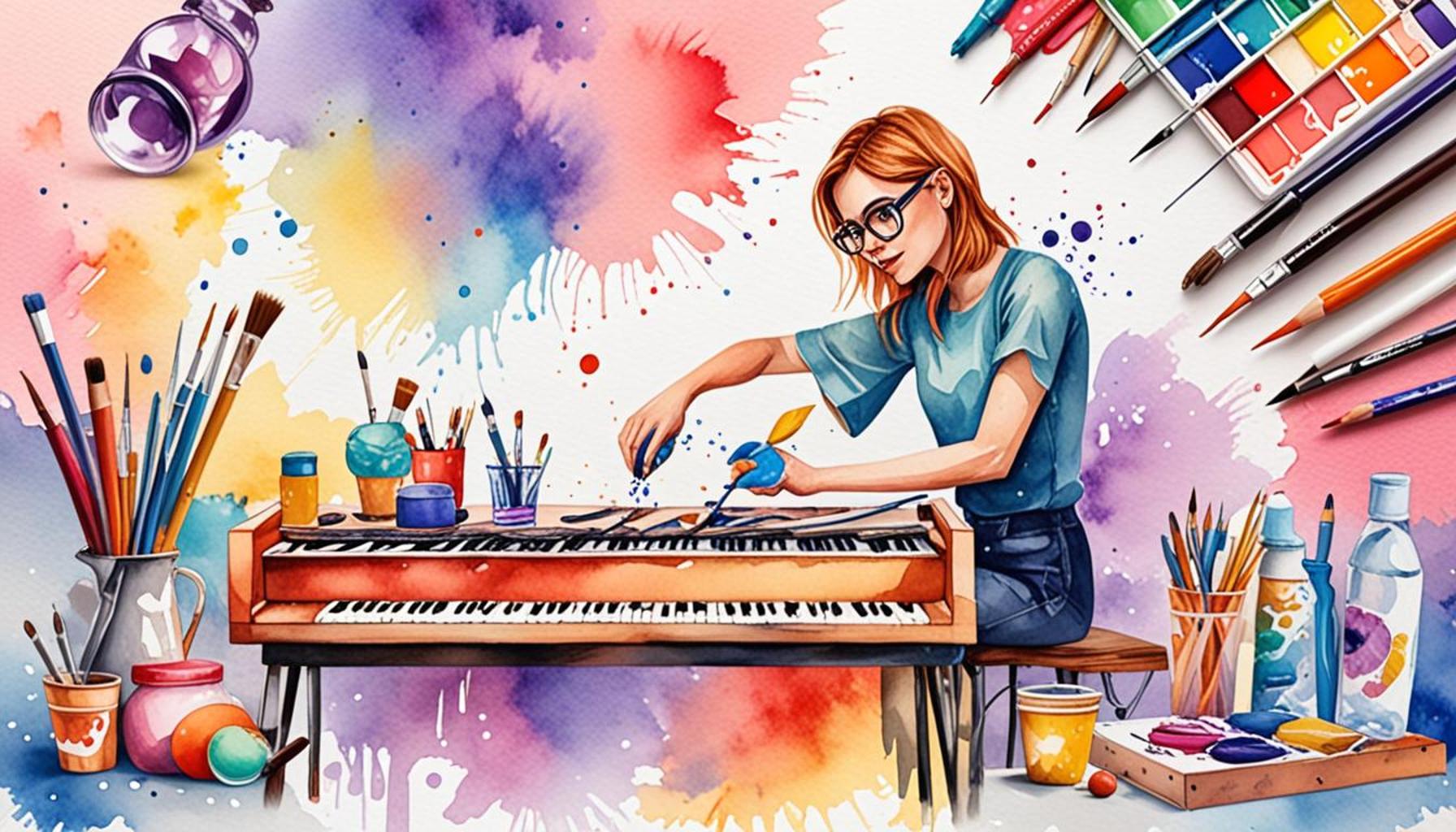
The landscape of craft materials has undergone a dramatic transformation over the years. What once relied heavily on traditional materials, such as wood, clay, and fabric, has now expanded into a realm enriched by digital innovation. This evolution reflects not only changes in technology but also shifts in consumer preferences and accessibility.
Traditionally, crafting involved various natural resources sourced directly from the environment. Artisans utilized materials like wood for furniture-making, clay for pottery, and fibers such as cotton and wool for textiles. Each of these materials offered a unique tactile experience and could be transformed through skill and creativity. The ability to create products by hand fostered a sense of pride and ownership, with skills handed down through generations emphasizing human touch and artistry. Craftspeople often built strong connections with their local environments, relying on local markets for sourcing materials, which in turn fostered community ties and vibrant local economies.
However, the crafting world is currently undergoing a significant shift driven by digital tools and technology. Innovations like 3D printing have opened up vast possibilities, allowing creators to design and produce intricate items quickly and affordably. For example, a small business specializing in custom jewelry can now utilize 3D printers to create unique and complex pieces that would be labor-intensive to handcraft. Mass customization has never been easier, enabling artisans to respond to individual client requests in real-time.
Additionally, the emergence of digital fabric printing has revolutionized the textile industry. Artists can now create vibrant, one-of-a-kind patterns that can be printed on fabric on demand. This capability has not only reduced the waste typically associated with traditional textile production but also empowered crafters to experiment with bold designs and innovative materials in ways that were previously cost-prohibitive.
The use of CAD software for designing and fabricating projects with precision has further refined the crafting process. Designers, engineers, and hobbyists alike can create detailed models and blueprints that streamline the production process. For instance, a DIY enthusiast looking to construct custom furniture can begin with a digital design, ensuring measurements and aesthetics are perfect before any material is cut.
This transition is not merely about crafting but involves nurturing a new culture centered around creativity. Enhanced accessibility to crafting materials and techniques allows more individuals to explore their creative instincts without traditional barriers. More people are taking up hobbies that were once seen as niche, leading to a burgeoning maker movement across the country. As we delve deeper into this subject, we will explore how digital tools are reshaping the crafting experience and what it means for crafters today.
Overall, the blend of traditional methods with modern technology not only elevates the crafting experience but also enriches communities by encouraging collaboration and sharing of skills. This allows individuals from diverse backgrounds to engage, innovate, and contribute to a vibrant crafting culture, propelling it into the future.
DISCOVER MORE: Click here to learn unique mixing techniques
From Hands-On to High-Tech: The Shift in Crafting Materials
The transition from traditional to digital crafting materials signifies a broader shift in cultural and technological landscapes, inviting enthusiasts to explore new avenues of creativity. With the advent of digital tools and technologies, the craft community is witnessing both the preservation of age-old techniques and the embrace of modern innovations.
Crafting that once relied heavily on physical materials has evolved to incorporate elements that involve software and digital components. For example, laser cutting technology allows artisans to create complex designs with remarkable precision. This technology enables craftsmen to etch designs into wood, metal, or acrylic, transforming basic materials into stunning art pieces or functionally intricate projects. With the ability to replicate patterns and designs efficiently, laser cutting has become an invaluable tool for both hobbyists and professionals, demonstrating how traditional materials can be elevated through technology.
The rise of digital platforms has also altered the way crafters source their materials. Online marketplaces like Etsy and specialized craft websites empower individuals to discover unique supplies that were once limited to local stores. This connectivity fosters a sense of community while catering to the needs of niche creators. Additionally, platforms such as Pinterest and Instagram allow artisans to showcase their work, drawing inspiration from a global network of crafters. As the craft economy becomes more interconnected, the influence of diverse cultural aesthetics is more prominent than ever, leading to innovative designs that reflect a blend of traditional and contemporary styles.
- Accessibility: Digital tools democratize crafting, enabling those without formal training to express their creativity.
- Customization: Technologies like 3D printing allow for tailored designs, catering to individual preferences.
- Environmentally Friendly: Techniques such as digital fabric printing reduce material waste, promoting sustainable practices in crafting.
- Collaboration: Online platforms encourage collaboration among crafters, expanding skill sets and promoting shared creativity.
As we delve deeper into the intricacies of the evolution of craft materials, it becomes clear that digital innovations are not merely tools; they embody a cultural transformation that is reshaping how artisans think about their craft. Gone are the days when crafting was confined to the ideation process and physically sourcing materials. Today, crafters can experiment virtually before executing their designs, making mistakes less intimidating and the learning curve more navigable. The seamless integration of both traditional techniques and digital resources empowers a new generation of creators, ensuring that the heart of crafting—innovation and self-expression—remains intact.
The New Frontier: Digital Crafting
As we explore the evolution of craft materials, it becomes increasingly evident that the transition from traditional to digital has opened up a plethora of new possibilities for artists and creators. Digital crafting encompasses a variety of modern tools, including 3D printing, laser cutting, and digital fabrication techniques that can enhance and expand traditional methods.
This shift allows for the creation of intricate designs that would be nearly impossible to achieve by hand. For instance, the use of laser cutting technology enables artisans to produce precise patterns and shapes in materials like wood and acrylic, bringing a level of accuracy and detail that is hard to replicate through manual processes.
Moreover, the integration of computer-aided design (CAD) software into the crafting process allows creators to visualize and modify their projects before production. This not only saves time but also reduces material waste, highlighting a more sustainable approach to crafting. With the ability to create prototypes digitally, artists can experiment freely without the fear of committing to expensive raw materials, thereby fostering innovation.
| Category | Key Features |
|---|---|
| 3D Printing | Allows for the rapid production of complex designs from digital models. |
| Laser Cutting | Enables precise cuts through various materials, enhancing detail and accuracy in creations. |
| CAD Software | Facilitates design visualization and prototype development, minimizing waste. |
This digital revolution not only empowers individual creators but also democratizes artistry by making advanced tools accessible to hobbyists and small-scale artisans. Online platforms foster communities where knowledge sharing and collaboration thrive, igniting new waves of creativity around the globe.
In summary, the journey from traditional materials to digital innovations represents a transformative shift in the crafting landscape, enabling a broader exploration of artistic expression and pushing the boundaries of what can be achieved with craft.
DISCOVER MORE: Click here for more techniques
The Intersection of Artistry and Technology: The Diverse Landscape of Modern Crafting
As we continue to explore the evolution of craft materials, it becomes evident that the intersection of artistry and technology has not only opened up new possibilities but has also diversified the very definition of what crafting entails. Today’s artisans are no longer confined to conventional mediums; instead, they are embracing an array of materials enhanced by technological advancements. For instance, the incorporation of smart textiles has revolutionized the fashion and textile industries, allowing designers to create garments that change color or respond to environmental stimuli. This innovative fusion of fabrics and sensors indicates a significant leap toward the integration of functionality and aesthetics within crafting.
The accessibility of online design software further complements this transition. Programs like Adobe Illustrator or free alternatives such as Canva enable creators to design intricate patterns, logos, or illustrations that can be directly translated into physical products. These platforms offer tutorials and templates for novice crafters, making professional-quality crafting more attainable than ever before. Gone are the days when artisans needed extensive formal training to create visually stunning pieces; now, they can harness the power of technology to bring their visions to life.
Moreover, the advent of virtual reality (VR) and augmented reality (AR) in the crafting realm allows artists to envision their projects before a single material is cut or sewn. For example, companies have developed VR applications that immerse users in a simulated crafting environment, where they can manipulate 3D models, experiment with color palettes, and visualize design outcomes. Such technologies not only enhance creativity by providing a risk-free setting for exploration but also democratize the crafting process, appealing to both tech-savvy millennials and seasoned artisans alike.
Accessibility and versatility are hallmark advantages that modern digital tools bring to the craft scene. A survey by the Craft & Hobby Association indicates that over 50% of crafters now utilize social media tools to connect with resources and one another. This online engagement facilitates the sharing of resources, trade of materials, and even collaborative workshops that further enhance the crafting experience. Notably, platforms like YouTube offer a wealth of tutorials, from woodworking to soap-making, allowing users to learn at their own pace. The increased reach of these resources means that even remote crafters in the United States have unprecedented access to knowledge, bringing together regional artisans while enabling them to preserve and adapt their local crafting traditions.
- Integration of Multimedia: Artisans are now merging various media and techniques, creating unique hybrids of craft that challenge traditional classifications.
- Template Sharing: Users can share and access free templates online, promoting a culture of generosity and collaboration in crafting.
- Crafting Communities: Online forums and groups provide a platform for sharing advice, troubleshooting, and showcasing completed projects.
- Skill Development: The availability of resources means continuous learning is now an integral part of crafting, with many artisans exploring new fields.
This synthesis of technology and tradition represents a significant cultural shift and offers a glimpse into the future of crafting. As the boundaries between different crafting disciplines blur, creators can explore the endless potential that lies at the intersection of materiality and digital innovation, breathing new life into the ever-evolving landscape of craft. This dynamic environment encourages the growth of new subcultures within the crafting community, fostering unique expressions that dynamically reflect individual creativity and collective collaboration.
DISCOVER MORE: Click here to uncover emerging trends
Embracing Change: The Future of Crafting Materials
The journey of craft materials from traditional to digital showcases how innovation can transform established practices and redefine creative boundaries. As we have explored, today’s artisans are leveraging technology not only to enhance their skills but also to broaden the realms of what crafting can entail. The integration of diverse mediums, from smart textiles to virtual reality, signifies a cultural evolution where art meets tech, allowing for unprecedented forms of expression.
Importantly, this evolution fosters a vibrant community where every creator, regardless of skill level, can participate. The extensive resources now available through online platforms and social media have made learning and sharing easier than ever before. The empowering role of collaborative spaces and templates encourages a culture of generosity and support among crafters, illustrating a shift towards inclusivity in the crafting world.
Looking ahead, the future of crafting is not solely about the tools used but also about the spirit of creativity and connection they engender. As digital tools continue to evolve, they will inspire even more innovative approaches and unexpected intersections of traditional and modern mediums. The ongoing exploration of craft materials reflects a dynamic narrative that is still being written—a narrative that promises to enrich our understanding of art, technology, and human expression. Thus, whether one is a beginner or a seasoned artisan, the thrilling possibilities that lie ahead beckon all to embark on this creative journey of crafting in the digital age.