Molecular Cuisine: The Intersection of Science and Creativity in the Kitchen
The Evolution of Culinary Artistry
Molecular cuisine is swiftly transforming the culinary landscape, moving beyond the confines of conventional cooking techniques to merge science with culinary creativity. This avant-garde approach redefines dining experiences, as chefs harness various innovative techniques and state-of-the-art equipment to craft dishes that not only tantalize the taste buds but also challenge preconceived notions of flavor and texture.
One of the foundational techniques in molecular cuisine is spherification. This method allows chefs to create liquid-filled spheres that burst with flavor upon consumption. For example, imagine a glossy, caviar-like sphere that explodes with a concentrated flavor of balsamic vinegar, providing a delightful contrast to a traditional caprese salad. This technique has become popular in high-end restaurants and showcases how essential molecular gastronomy is to elevating classic dishes.
Foaming is another captivating technique wherein air is introduced into liquid ingredients to create a light, airy foam. Chefs use this method to transform savory broths or sweet purées into delicate foams that enhance sensory experience. A dish might feature a creamy potato foam atop a rich stew, adding a whimsical element that lightens the overall presentation. The allure of foams lies not just in texture, but in their ability to intensify flavors, making each bite an exploration of taste.
The technique of gelification allows chefs to convert liquids into gels, adding a unique dimension to their presentations. Crafted using agents like agar-agar or gelatin, gels can be flavored and shaped to present a visual and textural surprise on the plate. A popular example is the use of gelified fruit purees in desserts, which can mimic the appearance of fresh fruit while providing a concentrated taste experience.
Sous-vide cooking, another hallmark of molecular gastronomy, involves vacuum-sealing food and immersing it in a temperature-controlled water bath. This precision cooking technique ensures that proteins are cooked evenly, resulting in consistently tender and juicy meats. It allows chefs to experiment with textures and flavors while ensuring a level of doneness that is difficult to achieve through more traditional methods.
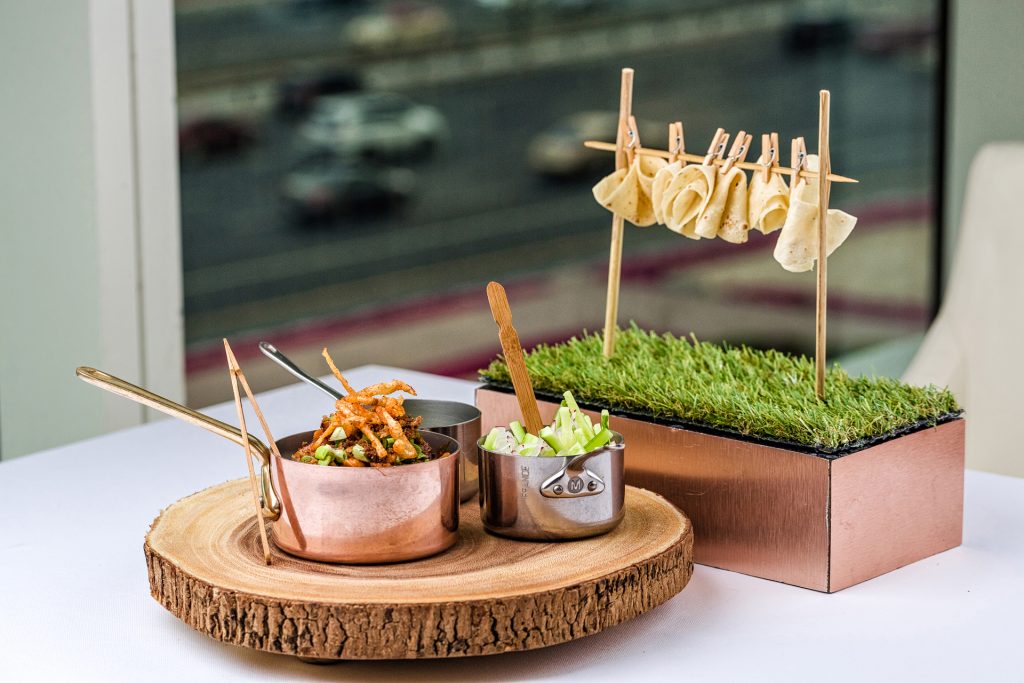
As diners increasingly seek unique culinary experiences, molecular cuisine captivates the senses and encourages chefs to stretch the boundaries of their creativity. The movement is gaining momentum not only in avant-garde restaurants but also within the broader food culture across the United States. Cast your net beyond straightforward meals and embrace the surprising elements that molecular techniques can offer.
For culinary enthusiasts fascinated by the science of cooking, the world of molecular gastronomy offers endless avenues for exploration. Both home cooks and professional chefs are inspired to experiment with these techniques, bringing an element of science into their kitchens. Whether you’re crafting dishes for an intimate gathering or a large event, incorporating molecular techniques can elevate your cooking to new heights. Are you prepared to dive into the captivating realm of molecular cuisine and redefine your dining experiences?
EXPLORE MORE: Click here for versatile crafting ideas
Techniques that Transform the Culinary Experience
The beauty of molecular cuisine lies in its innovative techniques that not only impress but also provoke thought. Chefs exploring this culinary frontier have access to a variety of tools and methods that allow them to manipulate the fundamental elements of food. By understanding the science behind these techniques, they can achieve remarkable transformations, leading to an unparalleled dining experience. Some of the most exciting techniques include:
- Spherification
- Foaming
- Gelification
- Sous-vide
Let’s take a closer look at each of these groundbreaking techniques that define molecular gastronomy.
Spherification allows chefs to create visually captivating spheres filled with flavorful liquids. This process involves the use of two key ingredients: sodium alginate and calcium chloride. The technique entails dropping a flavored liquid mixed with sodium alginate into a calcium chloride solution, resulting in the formation of a thin gel membrane that encapsulates the liquid. The outcome is small, caviar-like pearls that deliver a burst of flavor when bitten into. This transformative technique is not merely a visual spectacle; it has elevated traditional amuse-bouche creations to extraordinary heights, enticing diners to engage with their food in new ways.
Moving on to foaming, this technique adds an unexpected lightness to dishes while elevating flavors. Chefs achieve this by infusing air into a liquid, resulting in a foam that carries concentrated flavors. Using tools such as an immersion blender or a siphon, chefs can create foams from ingredients ranging from savory broths to sweet creams. The result is a texture that can drastically alter dining experiences; a savory mushroom foam, for instance, can enhance the umami profile of a dish, offering an ethereal dining sensation that challenges traditional plating.
Gelification further highlights the interplay between science and creativity. By utilizing gelling agents like agar-agar or gelatin, cooks transform liquids into gels that can be molded into various shapes and textures. These gels provide a theatrical element on the plate, often appearing as delicate cubes or ribbons that can mimic the forms of fresh ingredients. This creativity goes beyond aesthetics – gelified sauces can concentrate tastes, allowing chefs to deliver intense flavors that surprise and delight the palate. Imagine a gelled tomato essence served alongside fresh basil; it invites diners to explore familiar tastes in novel formats.
Lastly, the sous-vide technique has become a fundamental practice in modern kitchens. It promises precision by cooking vacuum-sealed food in a water bath at controlled temperatures. This method ensures that proteins maintain their moisture and tenderness while allowing for rich flavor infusion. The sous-vide process can transform a simple chicken breast into a succulent piece of meat, perfectly seasoned and cooked uniformly throughout. For home cooks and culinary professionals alike, this technique redefines how one approaches cooking, blending tender precision with creative potential.
As chefs push the boundaries of traditional cooking techniques, molecular cuisine opens a world of possibilities. This innovative approach not only reimagines textures and flavors but also invites culinary explorers to engage with food at a deeper level. Whether you’re dining at a high-end restaurant or experimenting in your own kitchen, embracing these molecular techniques can introduce whimsical, yet sophisticated elements that enhance every meal.
Molecular Cuisine: A Culinary Revolution
Molecular cuisine stands at the crossroads of innovation and artistry, merging the rigor of scientific principles with the boundless creativity of culinary expression. This avant-garde approach encourages chefs to break traditional cooking boundaries, utilizing techniques that alter the physical and chemical properties of ingredients. Through processes such as spherification, emulsification, and gelification, molecular gastronomy creates dishes that not only challenge our perception of food but also elevate dining into a multi-sensory experience.The most compelling aspect of molecular cuisine is its ability to surprise and delight. Imagine a dish that appears as a solid form but releases a burst of flavor when bitten into, or a cocktail that simulates the essence of food in a completely unexpected form. These creations make dining not just about sustenance, but a remarkable journey through texture, flavor, and presentation. Chefs like Ferran Adrià and Heston Blumenthal masterfully exemplify this movement, pushing culinary boundaries and inviting patrons to engage their sense of taste and imagination.Molecular cuisine also emphasizes sustainability and health, encouraging the use of unconventional ingredients that may be overlooked in traditional cooking. For example, chefs often incorporate algae or edible flowers, enriching the dishes not just in flavor but also in nutritional value. This innovative approach allows cooks to source locally and seasonally, reimagining the way dishes are crafted while promoting eco-friendly practices.As you’re drawn into this fascinating world of molecular cuisine, consider exploring the fundamental techniques, the science behind each culinary transformation, and the aesthetic beauty of plated dishes that embody both creativity and scientific ingenuity. This captivating intersection of science and artistry invites everyone, from home cooks to professional chefs, to rethink their approach to food, unlocking new potential in the kitchen.
| Advantages of Molecular Cuisine | Impact on Culinary Experience |
|---|---|
| Innovative Techniques | Transforming textures and flavors to create unique dining experiences. |
| Enhanced Flavor Profiles | Using scientific methods to boost taste sensations, elevating standard dishes. |
DIVE DEEPER: Click here for insights on future innovations in craft materials</p
Exploring the Flavors of the Future: The Ingredients That Transform
While techniques like spherification and sous-vide stretch the bounds of traditional cooking methods, the ingredients chosen by chefs in the realm of molecular cuisine are equally as critical in creating memorable dining experiences. The carefully selected components can illuminate the interplay between flavor and science, revealing unique textures and tastes that redefine gastronomy. Delving into the world of molecular ingredients allows one to appreciate not just the dishes themselves, but the intelligent design behind them.
One of the most pivotal ingredients in molecular gastronomy is sodium alginate. As a critical agent for spherification, this innovative compound is derived from brown algae and serves as a natural thickener. Its ability to interact with calcium ions forms a gel-like matrix that encapsulates flavors, leading to a burstable experience on the palate. Chefs are now using sodium alginate not only for playful presentations but also to surprise diners with alternate flavor experiences. For instance, a citrus caviar may be served alongside a savory seafood dish, introducing an unexpected complexity that dances on the tongue.
Another important player in this culinary revolution is the type of gelling agent used, such as agar-agar. This vegetarian alternative to gelatin is derived from red algae and presents an array of possibilities for creating unique textures in dishes. Whether forming delicate, transparent sheets or creating airy custards, agar-agar empowers chefs to push the creative envelope. For example, a chef might serve a gelled herb emulsion atop grilled meats, combining traditional cooking with avant-garde techniques to enliven the overall flavor profile.
Additionally, the use of essential oils and flavor extracts has expanded dramatically in molecular cuisine. These concentrated forms of natural flavors allow chefs to intensify the taste experience without unnecessary bulk. By incorporating elements like truffle oil or vanilla extract in minimal doses, culinary innovators can enhance their dishes’ aromatic appeal and taste without overwhelming the palate. Each drop undergoes scrutiny, ensuring that every element harmonizes to create an unforgettable flavor journey.
An equally fascinating aspect of molecular cuisine is the introduction of texturizers, which add intrigue to traditional recipes. Using ingredients like xanthan gum or guar gum, chefs can modify the textures of sauces and purees, making them either velvety smooth or strikingly creamy. This manipulation goes beyond mere aesthetics—it invites diners to engage with their meals in a multi-sensory experience. Imagine a rich butternut squash soup that, due to an adept use of texturizers, transforms into a fluid, creamy foam upon plating, presenting an entirely new dimension to something familiar.
As culinary professionals tap into these innovative ingredients, they not only revolutionize how we perceive food, but they also challenge our understanding of flavor and texture. Through the lens of molecular cuisine, the culinary landscape expands, bridging the gap between science and art in a way that captivates food enthusiasts in the United States and beyond. The next time you dine at an avant-garde restaurant or experiment in your home kitchen, keep in mind the transformative potential of these ingredients and the extraordinary culinary possibilities they unlock.
DISCOVER MORE: Click here to learn about the impact of social media on craft trends
Conclusion: A Culinary Revolution Awaits
As we journey through the intriguing world of molecular cuisine, it becomes evident that this innovative culinary approach is not merely a trend but rather a transformative movement that marries science and creativity in the kitchen. With unique ingredients and groundbreaking techniques, chefs are redefining our palates, inviting us to experience food in extraordinary new ways. Whether it’s the playful bursts of spherification or the harmonious balance of flavor and texture achieved through texturizers, each dish transcends traditional boundaries, reshaping our understanding of meals.
The essence of molecular gastronomy lies in its ability to engage the senses, allowing diners to savor a multi-layered experience that challenges the conventional understanding of food. With each innovative creation, from gelled herb emulsions to citrus caviar, chefs are pushing the envelope, encouraging us to rethink familiar flavors and presentation methods. The meticulous selection of ingredients, such as sodium alginate and agar-agar, not only adds excitement but highlights the scientific techniques that underlie these culinary masterpieces.
As this enchanting intersection of culinary art and science continues to evolve, it opens the door to limitless possibilities for both professional chefs and home cooks alike. The transformative potential of molecular cuisine not only enriches our dining experiences but also inspires us to explore, experiment, and innovate. In essence, molecular cuisine invites everyone to partake in this adventure and embrace the future of food—a future filled with creativity, flavor, and an appreciation for the meticulous design behind every dish.