The Role of Presentation in Gastronomy: How the Visual Impacts the Culinary Experience
Understanding the Interplay Between Presentation and Taste
The presentation of food is not merely a decorative element; it plays a crucial role in the culinary experience. When presented artfully, a dish can invoke happiness, nostalgia, and a sense of anticipation, transforming the act of eating into an immersive journey rather than a simple necessity. This relationship between visual appeal and taste creates an engaging dynamic that chefs and food enthusiasts alike are beginning to explore more deeply.
- First Impressions Matter: Studies show that a plate’s aesthetics can significantly influence a diner’s expectations and satisfaction levels. For example, a gourmet dish painstakingly arranged with attention to detail is likely to provoke excitement, whereas an unkempt serving may elicit disappointment before the first bite is taken. Many high-end restaurants meticulously consider this aspect, knowing it can elevate a mundane dining experience into a memorable occasion.
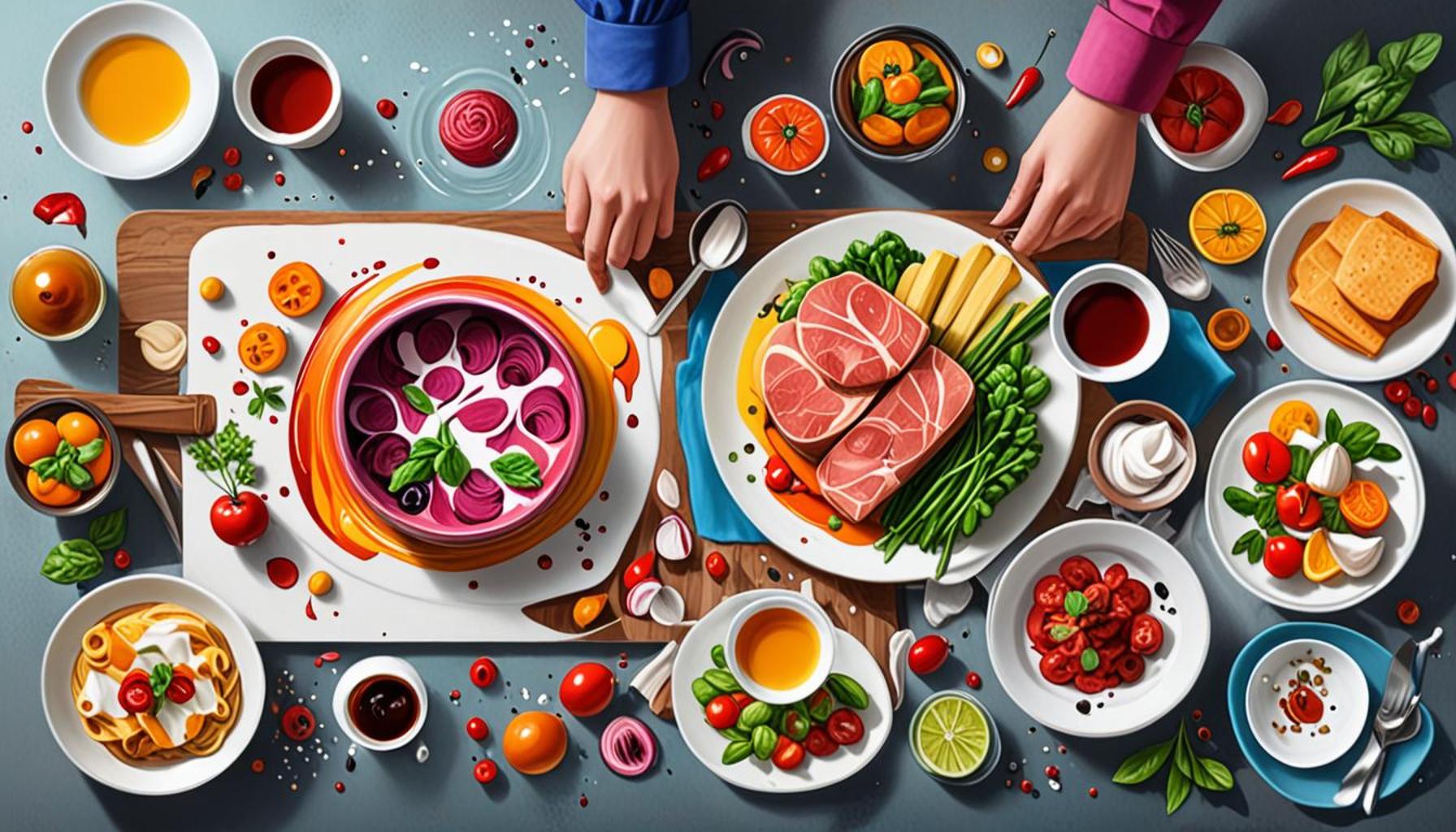
- Color and Texture: The use of vibrant colors is not just a visual stimulant; it can also suggest flavor profiles. Chefs often incorporate ingredients with contrasting hues — such as cherry tomatoes alongside a bed of vibrant green basil — to create a feast for the eyes. Similarly, varied textures can encourage diners to engage their senses in multiple ways. An interplay of crunch from a topping paired with creamy sauces can elevate the overall experience of the dish, drawing patrons in with each bite.
- Artistic Arrangements: Culinary experts often leverage artistic techniques, using shapes and design principles not only to enhance the visual elements but also to narrate a story. The iconic deconstructed dishes, which separate components onto the plate for individual tasting, exemplify how chefs are turning plates into canvases, encouraging diners to savor each element before appreciating them as a whole. Consider the MasterChef competitions, where contestants are pushed to create works of art through food, showcasing originality and attention to visual detail.
Psychological studies reveal that the way a dish is presented influences our perception of its taste. For instance, a 2017 study published in the journal Food Quality and Preference found that participants rated foods served on elegant crockery higher in taste quality compared to the same foods on simpler plates. This highlights a fascinating aspect of dining; it is as much about the experiential elements as it is about the ingredients themselves.
As culinary arts continue to evolve, there is a noticeable trend where chefs are blending traditional cooking techniques with modern artistic stylings. This advancement prompts discussions about the significance of aesthetics beyond just pleasing the eye. How might this influence a diner’s overall gastronomic journey? The increasing focus on visual elements in food encourages patrons to be more curious and engaged with their meals, introducing a path for deeper appreciation.
Ultimately, the way we perceive food extends beyond simple nourishment; it encompasses culture, creativity, and connection. Engaging deeply with the relationship between presentation and taste invites diners to not just consume, but to experience and explore — making every meal an opportunity for discovery.
DIVE DEEPER: Click here to learn more
The Impact of Presentation on Perception and Experience
The intricacies of food presentation extend far beyond mere aesthetics; they are deeply intertwined with how we perceive taste, quality, and the overall dining experience. As anyone who has visited a trendy restaurant in the United States can attest, the visual aspect of the meal sets the stage for what is to come. A pristine plate, arranged with careful thought, acts as the opening act in a sensory performance, inviting diners to explore each flavor, texture, and aroma. This presentation not only captures attention but also enhances the anticipation before a single bite is taken.
To better understand how presentation shapes culinary experience, it is essential to explore several pivotal factors that come into play:
- Expectation Setting: The visual appeal of a dish significantly influences diner expectations. When a plate arrives with vibrant colors and artistically placed components, it creates a sense of excitement and anticipation regarding its taste. This phenomenon is backed by research indicating that our brain can “see” flavors before tasting them, encoding expectations based on appearance.
- Cultural Influences: Presentation styles vary dramatically by region and culture, making it a vital element of culinary identity. In the United States, for instance, dishes can range from the minimalist charm of a California farm-to-table salad to the extravagant arrangements found in upscale New York fusion cuisine. Each style tells a story of its origin, impacting not only flavors but also emotional connections to the food.
- Additional Sensory Engagement: At the intersection of presentation and taste lies the aspect of multi-sensory interaction. Scientists have discovered that different colors on the plate can evoke different taste perceptions; for example, warm hues like red and yellow are often associated with sweetness, while cooler colors suggest bitterness. Engaging more than just the sense of taste fosters a dynamic dining experience that resonates with guests on various levels.
The juxtaposition of elegant plating against hearty comfort food highlights an ongoing culinary trend where creativity reigns supreme. Many chefs are employing innovative techniques such as plating finesse and ingredient layering to create dishes that are as visually stunning as they are delicious. The art of the plate transcends the boundaries of mere nourishment and transforms it into a remarkable spectacle.
Furthermore, the advent of social media platforms such as Instagram has contributed greatly to the growing emphasis on food presentation. Diners often feel compelled to capture and share their meals, placing added pressure on restaurants to produce visually appetizing dishes that will entice followers. This phenomenon has prompted chefs to not only focus on traditional flavors but also to master the art of presentation as a vital part of their repertoire.
In conclusion, the role of presentation in gastronomy is an intricate dance that shapes not just our initial impressions but also our lasting memories of a meal. As the culinary scene continues to evolve, understanding how visual elements enhance the overall experience allows both chefs and diners to appreciate food on a deeper level, making every meal an opportunity for exploration and connection.
| Advantage | Description |
|---|---|
| Aesthetic Appeal | Visual presentation enhances the overall aesthetic experience of a dish, making it more desirable to the consumer. |
| Enhanced Flavor Perception | The way food is presented can influence the perception of taste, leading diners to believe the flavors are richer and more complex. |
| Brand Identity | Careful presentation contributes to a restaurant’s brand identity, creating a memorable impression in the minds of customers. |
| Social Sharing | Visually appealing dishes are more likely to be shared on social media, driving engagement and attracting new customers. |
The role of presentation in gastronomy extends beyond mere aesthetics; it vibrantly intertwines with the overall dining experience. A dish presented with care elevates anticipation and can drastically enhance the perceived value of the meal. Customers today are not just consuming food; they seek an experience, one that is enriched through a visually engaging aesthetic.Take, for example, the impact of colors and arrangements on a plate. Bright, contrasting colors not only capture attention but can also stimulate appetite. Techniques such as garnishing serve not just to beautify the plate but also to shape diners’ impressions about the flavor profiles within. Culinary artists frequently harness the power of visual storytelling to convey emotions and cultural narratives, forging a deeper connection with their audience.Moreover, as social media platforms dominate modern culture, the demand for shareable culinary experiences continues to grow. Diners are increasingly inclined to take photos, invest in unique plating styles, and demand experiences that are not just flavorful but also visually stunning. As a result, restaurant presentations have evolved into an art form that is critical for success in today’s competitive landscape. The integration of visual elements into the culinary arts is not only an add-on but essential in crafting a multi-dimensional dining experience that resonates with customers long after their meal has concluded.
DON’T MISS: Click here to discover the amazing synergy of materials
The Evolution of Presentation Trends in Gastronomy
The visual dynamics of gastronomy have evolved dramatically in recent years, shaped by cultural shifts, technological advancements, and the ever-growing quest for innovation. Chefs and restaurateurs are increasingly aware that a dish’s presentation is as critical as its flavor profile. This shift has fostered a vibrant classroom environment where culinary artists explore new forms of expression through their plating techniques.
One dominant trend is the rise of deconstructed dishes. This approach emphasizes separating the components of a meal and presenting them in a visually engaging layout, inviting diners to participate in the creation of their culinary experience. By engaging with various textures and presentations, such as a deconstructed cheeseburger served as distinct elements, chefs create a conversation piece that draws patrons into the act of tasting. The twist lies in the interaction, which offers not only visual pleasure but also a narrative that enhances the dining experience.
This movement aligns beautifully with the burgeoning facet of plant-based and sustainable gastronomy, where the visual impact of the food is amplified by the vibrant colors and textures of fresh, seasonal ingredients. For example, a vibrant beetroot tartare, served on a stark white plate and garnished with delicate microgreens, not only conveys a commitment to sustainability but also embodies an aesthetic appeal that captures attention. Consumers share a deepening interest in the origins of their food, and visually stunning presentations often highlight these sustainable practices, increasing patron satisfaction.
Technology’s Influence on Food Presentation
The influence of technology in shaping the culinary landscape cannot be understated. The connection between photography and fine dining has birthed the phenomenon of food styling. Chefs must now consider their dishes not just in terms of taste and service but also in how they will look under the lens of a camera. This focus on imagery has led to the use of tools and ingredients that enhance the visual elements of a dish — from edible flowers to vibrant sauces drizzled with precision. Social media platforms have catalyzed this trend, making visuals a currency in restaurant marketing and dining experiences.
Moreover, the advent of augmented reality (AR) in dining aligns perfectly with a desire for visually stimulating experiences. Some high-end restaurants offer AR menus that allow diners to visualize the meal before it reaches the table. For example, through the use of AR glasses or smartphone apps, patrons can see three-dimensional representations of dishes, enhancing their anticipation and engagement. This intersection of technology and gastronomy not only elevates presentation but also revolutionizes the way we experience food.
Psychological Considerations in Presentation
The psychology behind food presentation is equally fascinating. Research shows that visually appealing dishes can lead to heightened levels of enjoyment and satisfaction. Diners often report that they perceive well-presented meals as more flavorful, a phenomenon tied to the concept of cognitive dissonance. The brain interprets visually complex dishes as being of higher quality, influencing diners to place greater emphasis on taste. As chefs try to balance innovation and tradition, they perpetually explore the psychological implications of food presentation strategies.
Understanding how our brains react to visuals allows chefs to create unforgettable experiences that resonate on deeper psychological levels. As we navigate this intricate world of gastronomy, the ability to transform simple ingredients into visually striking plates embodies the essence of the dining experience — one where sight, taste, and emotions intertwine to craft memorable moments.
DON’T MISS: Click here to discover the significance of craft materials
Conclusion
In the captivating realm of gastronomy, the role of presentation cannot be overstated. It acts as the invisible thread that binds visual appeal with the culinary experience, enriching our interactions with food in profound ways. As we have explored, the evolution of trends such as deconstructed dishes and the emphasis on plant-based gastronomy have redefined how we view and appreciate meals. This visually oriented approach enhances our understanding of the ingredients and their origins, appealing to a growing desire for sustainability.
Technology further propels this visual journey, integrating tools like food styling and augmented reality into the dining experience. These innovations not only tantalize our taste buds but also prepare our minds for a feast, stimulating anticipation through their stunning imagery. The psychological elements of presentation illustrate how our perceptions can shape taste, with well-crafted visuals leading to enhanced enjoyment and satisfaction. As diners, we are now more attuned to how the artistry of a dish impacts our overall experience.
As we continue to navigate an ever-evolving culinary landscape, the interplay between sight, flavor, and emotion promises to write new chapters in this delicious narrative. Whether it’s in a high-end restaurant or a cozy diner, the commitment to extraordinary presentation makes each meal an event, inviting us to savor not just the flavor but the entire experience. Indeed, in the world of gastronomy, the visual truly does influence the culinary experience, inspiring us to delve deeper, share more widely, and enjoy food as an art form.