The Art of Creating Recipes: Transforming Common Ingredients into Unique Experiences
The Art of Culinary Transformation
In every kitchen, a world of possibilities lies dormant within common ingredients. When you explore the art of creating recipes, mundane items can be transformed into extraordinary dishes. This process reawakens creativity and elevates everyday meals into unique culinary experiences that can delight the senses.
Consider the following ingredients that often sit idly in pantries:
- Rice – This humble staple is versatile and a cornerstone of many cuisines around the world. With a few spices and the right technique, plain rice can morph into a fragrant biryani, brimming with aromatic spices, saffron, and tender pieces of meat or vegetables. Alternatively, it can be transformed into a creamy risotto, featuring stock, butter, fresh herbs, and perhaps a sprinkle of parmesan for depth of flavor. The ability to infuse flavors into rice allows for endless possibilities, enhancing even the simplest meal.
- Eggs – Often referred to as the magic ingredient, eggs possess the unique ability to adapt to various culinary needs. With a dash of creativity, they can transform into a luxurious frittata, loaded with seasonal vegetables and rich cheeses, perfect for brunch. On the other hand, mastering the delicate technique of creating a soufflé can elevate an ordinary dinner into an impressive feast, showcasing not only taste but also skill. From breakfast to dessert, eggs can seamlessly fit into any meal.
- Pasta – This beloved ingredient serves as a blank canvas that can easily transition from a simple marinara sauce to an exotic noodle salad. Imagine whipping up a spicy Asian-inspired noodle dish, incorporating fresh peppers, crunchy peanuts, and a zesty sesame dressing. Alternatively, a classic homemade mac and cheese can be elevated by adding gourmet ingredients such as truffle oil or lobster, creating a comfort food masterpiece.
Each recipe holds the potential for exploration and innovation. By understanding flavor profiles and techniques, you can unlock the hidden potential of basic ingredients. This journey into the culinary arts not only improves cooking skills but also encourages a deeper appreciation for the food we consume.
As we delve into the process of transforming common ingredients, you’ll discover techniques that make cooking exciting and accessible. Techniques such as sautéing, roasting, and marinating can dramatically change the nature of a dish. Learning to incorporate seasonal ingredients can also inspire creativity, emphasizing the impact of fresh, locally sourced produce on flavor.
Join us in exploring how to elevate your meals, create memories, and engage your taste buds in ways you never imagined possible. Cooking is not merely an act of sustenance; it is an expression of creativity and culture, waiting to be discovered in the comfort of your own kitchen.
DISCOVER MORE: Click here to transform your trash into treasure!
Unlocking Creativity in the Kitchen
To master the art of creating recipes, one must begin with the understanding that flavor is built, not simply applied. This journey starts with recognizing the potential of everyday ingredients. With just a few tweaks in preparation, seasoning, and presentation, you can transform commonplace items into culinary masterpieces that excite your palate and impress your guests.
Consider the role of seasoning as a game-changer in your cooking arsenal. A well-seasoned dish can highlight the natural flavors of its components and elevate an otherwise ordinary meal. Experimenting with herbs and spices can lead to new flavor combinations that intrigue the senses. For instance, a simple roast chicken seasoned with thyme, garlic, and lemon can turn from conventional to remarkable, unveiling layers of flavor that resonate with each bite. Understanding the balance of saltiness, sweetness, acidity, and bitterness allows you to create dishes that sing in harmony.
Incorporating cooking techniques also plays a significant role in recipe transformation. Here are some essential methods to explore:
- Sautéing – This technique is perfect for cooking vegetables quickly while preserving their crispness and nutrients. A vibrant vegetable medley sautéed with olive oil, garlic, and a splash of balsamic vinegar can serve as a delightful side, maximizing flavor without requiring extensive preparation.
- Roasting – Roasting brings out the natural sweetness in ingredients. For instance, roasted autumn vegetables, such as butternut squash and Brussels sprouts, caramelize beautifully, resulting in a dish bursting with flavor that is perfect for fall dinners.
- Marinating – Marinating proteins or vegetables enhances flavors and tenderizes them. A simple marinade of soy sauce, ginger, and honey can transform chicken into an Asian-inspired delight that’s both savory and sweet.
These techniques, when employed thoughtfully, can lead to inventive recipes that showcase the versatility of every ingredient you have on hand. Moreover, they encourage experimentation; dare to mix sweet with savory, or add unorthodox ingredients to challenge your culinary boundaries. Remember, the kitchen is an artist’s studio, and each meal presents an opportunity to create a unique experience.
As we journey deeper into the transformative process of recipe creation, it becomes clear that drawing inspiration from cultures around the globe can also invigorate your cooking. The fusion of culinary traditions can unveil new dimensions to classic ingredients. Think of how Italian pasta can incorporate Asian flavors with a spicy peanut sauce, resulting in a totally unique dish that still holds the comforting essence of familiar fare.
Through this exploration, we ignite a newfound passion for cooking that transcends mere nourishment. With each creative endeavor, we not only craft flavorful dishes but also connect with our cultural heritage, embrace sustainability by utilizing local ingredients, and foster a sense of community through shared meals. Join us as we delve further into the art of culinary transformation and inspire your own cooking adventures!
| Advantage | Description |
|---|---|
| Creativity | The process encourages experimentation with flavors, enhancing creativity in the kitchen. |
| Resourcefulness | Utilizing common ingredients transforms them into extraordinary dishes, making dining both innovative and affordable. |
| Cultural Exploration | Incorporating diverse cooking styles merges traditions and invites culinary adventure. |
Exploring the art of creating recipes can reveal a plethora of benefits, especially when one leverages the *transformative power of common ingredients*. By encouraging creativity in the kitchen, cooks not only engage their artistic side but also develop their unique culinary voice. This approach fosters a deeper connection with food and elevates the dining experience beyond mere sustenance.The practice of resourcefulness shines brightly in this culinary art. Adopting a mindset that extracts beauty from common ingredients leads to the birth of innovative recipes that are both economical and delightful to the palate. Imagine turning a humble potato into a luxurious puree infused with exotic spices or showcasing everyday herbs in unexpected ways.Additionally, the journey through diverse culinary traditions is a significant asset. Each culture offers unique approaches that influence how common ingredients can be transformed. Whether it’s the fragrant spices of Indian cuisine or the savory techniques of Mediterranean cooking, incorporating these varied styles leads to a rich tapestry of flavors that transcends borders. As one delves into this creative realm, they unravel not just delightful dishes, but an entire world of culinary possibilities.
DIVE DEEPER: Click here to discover the importance of craft materials
From Ordinary to Extraordinary Through Presentation
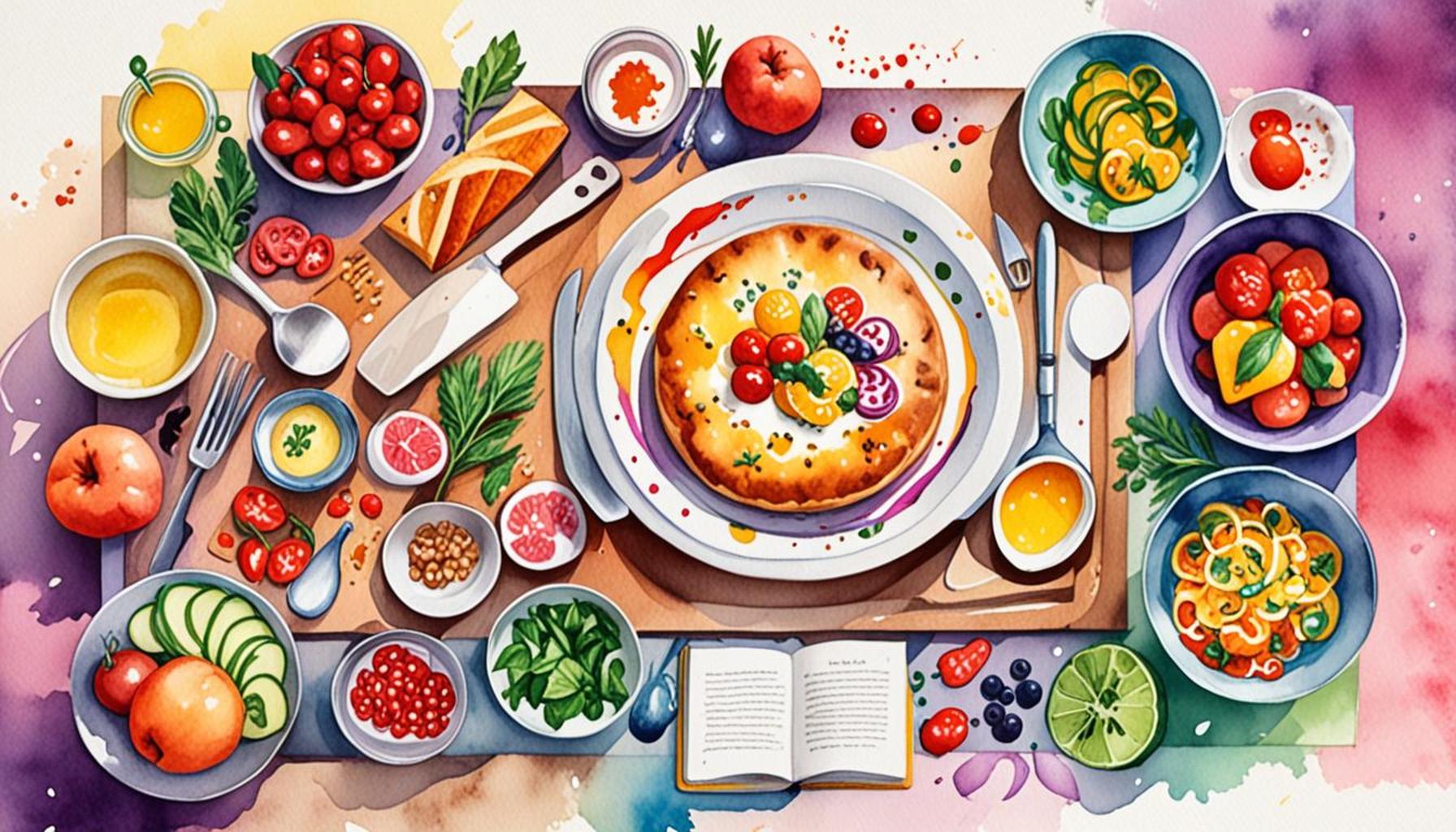
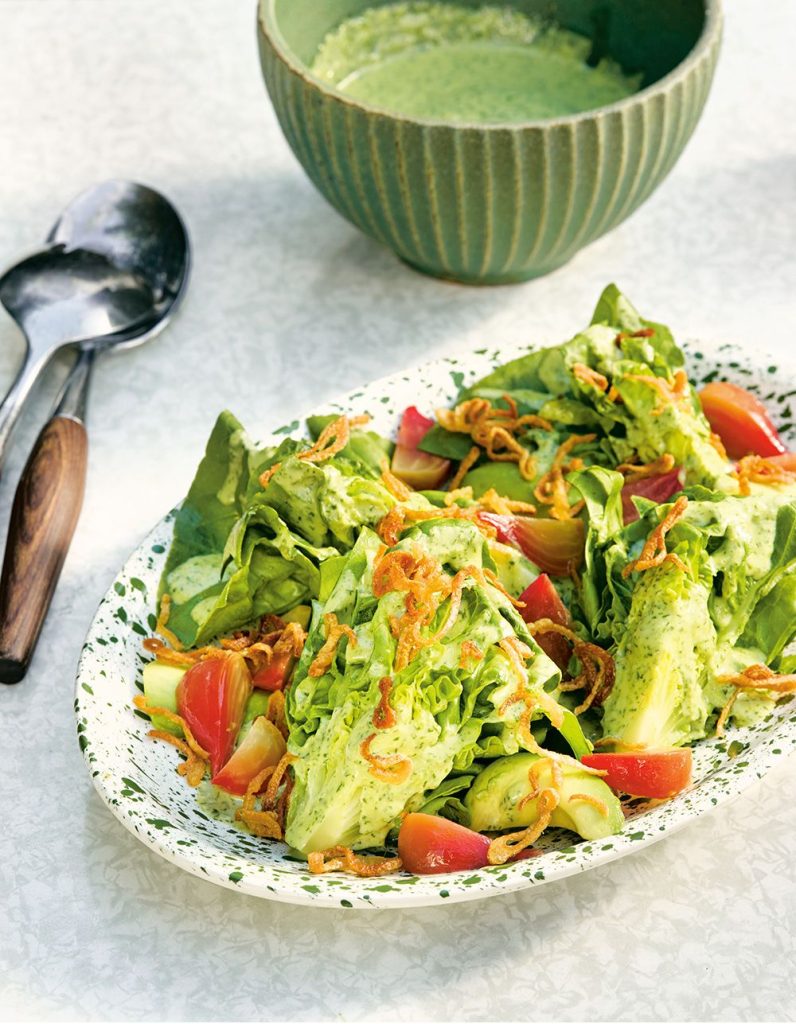
The metamorphosis of common ingredients into unique dining experiences extends beyond flavor; it encompasses the art of presentation. An appealing plate makes for a more enjoyable meal and elevates the overall dining experience. Skilled chefs often see their plates as canvases, considering colors, shapes, and textures that will captivate the eye. Simple techniques like garnishing with fresh herbs or drizzling sauces artfully can significantly enhance visual appeal.
For example, imagine a classic caprese salad. Instead of layers of tomato and mozzarella stacked in a predictable manner, arrange them in a colorful mosaic pattern. Add a sprinkle of sea salt and a drizzle of high-quality balsamic reduction to create stunning contrast, both in flavor and aesthetics. This kind of thoughtful presentation communicates a sense of care and creativity that your guests will appreciate.
Moreover, your choice of serving vessels can profoundly impact the perceived experience. Using rustic wooden boards or elegant white china to showcase your dishes will evoke different emotions and set the tone for the meal. Even something as simple as a mason jar can transform a layered dessert into an inviting treat. As a home cook, experimenting with various serving styles will ignite your creativity and inspire you to think outside the box.
Creating Unique Flavors: The Power of Pairing
Another vital aspect of creating unique recipes lies in the art of pairing ingredients wisely. Flavor pairings can ignite sensory experiences that take your dishes to a whole new level. The concept of umami, often described as the “fifth taste,” can amplify existing flavors when combined correctly. Ingredients like tomatoes, mushrooms, and parmesan can create a savory foundation that surprises the palate.
Additionally, many classic pairings can inspire you to think creatively. For instance, the contrasting flavors found in chocolate and chili create an exciting sensation that can be translated into savory dishes, desserts, or sauces. A spicy chocolate mole served over tender chicken pays homage to traditional Mexican cuisine while allowing you to manipulate flavors in unexpected ways.
The Role of Seasonality and Sustainability
Integrating seasonal ingredients into your recipe development is another avenue for inspiration. Utilizing what’s fresh and in-season not only enhances flavor but also supports local farmers and the environment. Consider a summer dish featuring ripe, juicy tomatoes and vibrant basil paired with early corn, lending a sense of place to your food. Such dishes celebrate the essence of their components while providing optimal taste.
Moreover, embracing a sustainable approach to cooking allows for creative reuse of ingredients. Leftover herbs can be transformed into vibrant pestos or salsas, while vegetable scraps can be utilized for homemade stocks. The challenge of minimizing waste fuels culinary creativity, pushing you to invent recipes that honor the ingredients in their entirety.
Ultimately, the art of creating recipes is a journey marked by exploration and discovery. Each ingredient presents an opportunity to rethink the familiar, whether through innovative pairings, impressive presentation, or recollections of culinary traditions. By recognizing the intrinsic value of everyday components, we can craft unforgettable experiences that bring friends and family together around the table, nourishing both body and soul. Continue to experiment, taste, and create—your culinary adventure awaits!
DISCOVER MORE: Click here to learn about how colors impact creativity
Conclusion: The Culinary Canvas Awaits
In the realm of cooking, the journey of transforming common ingredients into unique experiences is both a science and an art. From the careful presentation that engages the senses to the innovative pairing of flavors that awaken the palate, every dish tells a story waiting to unfold. As we explore the potential of each ingredient, we discover that creativity knows no bounds. The beauty of cooking lies in its ability to inspire and connect us—sparking conversations and creating memories that linger long after the meal is over.
Moreover, the incorporation of seasonal and sustainable practices not only enhances the flavor profiles of our dishes but also reinforces our connection to the environment and local communities. Choosing ingredients at their peak not only celebrates the essence of the season but fosters a responsible approach to nurturing our planet. Each meal prepared with such thoughtfulness becomes an expression of gratitude for the resources at hand.
As you embark on your culinary adventures, remember that the true essence of recipe creation lies in experimentation. Embrace the unexpected, challenge the ordinary, and allow your creativity to guide you. Whether you’re garnishing a simple salad or crafting a complex dish, every kitchen is a playground filled with possibilities. Let the art of creating recipes be your invitation to explore new flavors, celebrate diversity in food, and transform the mundane into a feast for the senses. Your culinary masterpiece awaits—start creating today!