The Art of Baking: Traditional vs. Modern – Exploring Techniques and Creativity
Exploring the Depths of Baking
Baking embodies a unique blend of science and creativity, much like a performance art that captivates the senses. As a cherished tradition in many cultures, baking has a rich history that spans centuries, inviting bakers to share family recipes and innovate new ones. Each loaf of bread, batch of cookies, or layered cake tells a story, revealing the character and culture from which it originates. This article delves deeper into the fascinating contrast between the traditional and modern baking styles, examining how they both preserve and transform the art of baking.
Ingredients: A Palette for Creation
The foundation of any baked good lies in its ingredients. Traditionally, bakers often rely on a handful of standard components: flour, sugar, butter, and eggs. For example, classic recipes for cornbread or homemade apple pie utilize these staples to create comforting flavors that evoke nostalgia.
Conversely, modern bakers don’t shy away from exploration. They often reach for alternative sweeteners such as agave nectar or coconut sugar, embracing health trends by introducing gluten-free flours like almond or oat flour. These modern ingredients provide an opportunity to cater to diverse dietary needs while also experimenting with new flavors. The rise in popularity of vegan baking has led to innovative replacements, such as using aquafaba (the liquid from canned chickpeas) as an effective egg substitute, showcasing present-day bakers’ adaptability.
Techniques: Mastery and Innovation
In traditional baking, age-old techniques prevail. The tactile experience of kneading dough by hand or the patience involved in proofing bread impacts the final texture and flavor, a process steeped in the love of the craft. Classic pastries like croissants demand hours of meticulous layering of dough and butter, resulting in flaky, buttery perfection.
On the other hand, modern techniques often leverage technology. Precise temperature control is essential in sous vide baking or the use of molecular gastronomy techniques, which can transform ingredients into unexpected textures and presentations, redefining conventional baking. Imagine the thrill of creating a cake that bursts with flavor using encapsulated spheres or an airy meringue that seems to defy gravity—all made possible with contemporary methods.
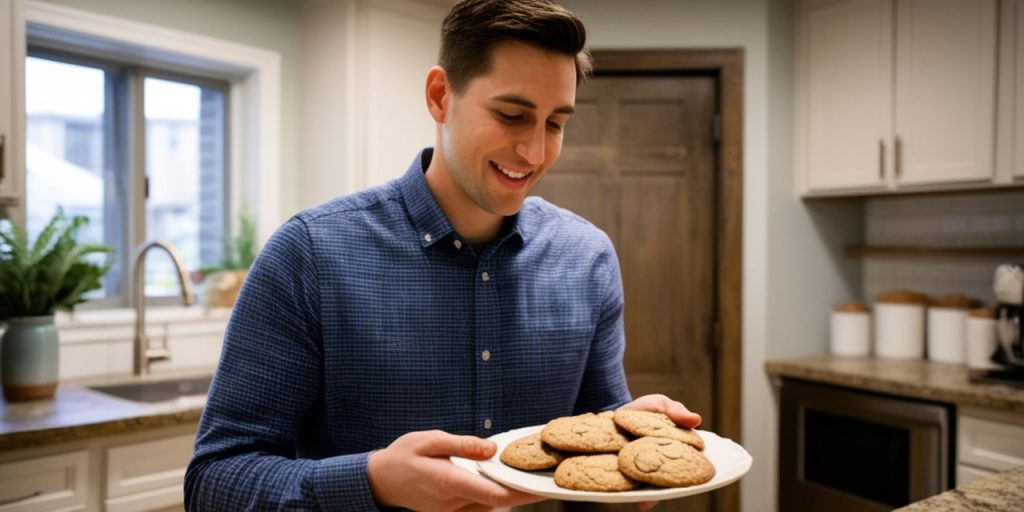
Presentation: From Simplicity to Spectacle
When it comes to the look of baked goods, traditional styles often emphasize simplicity and comfort. A homemade loaf of banana bread or family-style birthday cake garnished with fresh fruits encapsulates warmth and familiarity.
However, the modern baking scene celebrates the aesthetic aspect with fervor. Today, bakers are transforming cakes into veritable works of art, using techniques such as marble glazing, intricate piping, and edible flowers. Social media platforms like Instagram have further driven this trend, where eye-catching desserts become symbols of bakers’ creative expression and brand identity.
Through this exploration of baking, we gain not only an appreciation for its traditional roots but also an understanding of how innovation continues to shape culinary experiences. As we journey through the myriad techniques and stories behind beloved treats, we invite you to reflect on how your own baking experiences connect with this vibrant tapestry of history and modernization.
DIVE DEEPER: Click here to learn more
Ingredients: A Palette for Creation
The foundation of any baked good lies in its ingredients. Traditionally, bakers often rely on a handful of standard components: flour, sugar, butter, and eggs. For instance, classic recipes for cornbread or homemade apple pie utilize these staples to create comforting flavors that evoke nostalgia. The reliance on these time-honored ingredients highlights the essence of traditional baking, wherein the familiar taste and smell of items like freshly baked bread or sweet pastries create a mosaic of cherished memories and cultural significance.
However, as society evolves, so does the repertoire of baking ingredients. Modern bakers, driven by health consciousness and dietary restrictions, embrace a diverse array of components. Gone are the days when white flour and granulated sugar were the only options. Today, they frequently opt for alternative sweeteners such as agave nectar, coconut sugar, and maple syrup. These ingredients not only present a more health-conscious choice but also contribute intriguing flavors that can elevate a simple recipe into something innovative and unexpected.
The trend towards healthier baking extends to flour varieties, with gluten-free alternatives gaining prominence. Ingredients like almond flour, oat flour, and coconut flour offer bakers the chance to create delicious dishes that cater to those with gluten sensitivities. This shift towards inclusivity reflects a broader awareness of dietary needs in our communities, allowing people from various backgrounds to enjoy baked goods together. The rise in popularity of vegan baking has led to further innovation, as bakers explore substitutes like aquafaba, the liquid from canned chickpeas, which can mimic egg whites in meringues and mousses. It’s a fascinating progression that showcases the adaptability and creativity of modern bakers.
Techniques: Mastery and Innovation
When it comes to baking techniques, tradition plays a significant role. Age-old methods such as kneading dough by hand and the art of proofing bread are steeped in history, reinforcing the connection between the baker and their craft. Classic pastries like croissants demand hours of meticulous layering of dough and butter, resulting in flaky, buttery perfection that has stood the test of time. This dedication to technique makes traditional baked goods not only a treat but a testament to the baker’s skill.
Contrastingly, modern baking techniques often leverage technological advancements. The introduction of devices like sous vide helps bakers achieve precisely controlled temperatures that can enhance flavor and texture in ways that were previously unattainable. Furthermore, molecular gastronomy techniques present a playground for curious bakers willing to push boundaries. Imagine creating a cake that bursts with flavor using encapsulated flavors or crafting an airy meringue that appears to float effortlessly. Each of these modern processes allows bakers to redefine the very essence of their creations, blending art and science in exciting new ways.
Overall, the world of baking is a vibrant tapestry woven from traditional methods and modern innovations. Through this exploration of ingredients and techniques, we gain insight into how bakers continue to adapt, honoring their heritage while simultaneously embracing the thrill of experimentation. As we move forward in our baking journeys, it’s essential to reflect on how these practices impact our own creations, inviting us to intertwine the past with our visions for the future of baking.
The Art of Baking: Traditional vs. Modern – Exploring Techniques and Creativity
When we delve into the captivating world of baking, it becomes evident that the contrast between traditional and modern techniques offers a rich tapestry of creativity and flavor. Traditional baking methods, often rooted in familial recipes passed down through generations, emphasize the art of patience and craftsmanship. Techniques such as handmade dough, fermentation, and the use of locally sourced ingredients not only nourish the body but also honor the cultural practices of baking. Hand-kneading bread, for example, is not just a technique; it’s a sensory experience that connects bakers to centuries of culinary traditions.
On the other hand, modern baking is defined by innovation and experimentation. With the advent of technology, bakers now have access to an array of tools and ingredients that were once unimaginable. The use of molecular gastronomy, for instance, allows for the transformation of textures and flavors in ways that can astonish and delight. Techniques like sous-vide baking and the utilization of high-temperature ovens can yield extraordinary results. Furthermore, modern bakers often explore alternative ingredients, such as gluten-free flours and natural sweeteners, to cater to evolving dietary preferences and restrictions.
This exploration into both worlds opens up an opportunity for bakers to meld these styles, creating a fusion of tradition and innovation. Digital platforms also enable bakers to share their unique creations, broadening the scope of global baking practices while keeping the core essence of traditional methods alive. As we journey further into this delicious realm, we uncover stories that illustrate the significance of technique and creativity in transforming simple ingredients into masterpieces.
| Advantages of Traditional Baking | Advantages of Modern Baking |
|---|---|
| Emphasis on quality ingredients, often local. | Utilizes innovative tools and techniques for precision. |
| Cultural heritage preservation through longstanding recipes. | Allows flexibility and creativity in flavor combinations. |
As we continue to explore these diverse practices in baking, the conversation around techniques and creativity takes on new dimensions, encouraging bakers at all levels to hone their skills and explore their culinary passions.
DIVE DEEPER: Click here to discover more
Presentation: A Canvas for Imagination
In the world of baking, presentation holds a significant place; it is often the first impression that a creation makes before anyone has even taken a bite. Traditional baking often embraces simplicity, focusing on the intrinsic beauty of the ingredients. Classic cakes, such as a sponge cake or cheesecake, tend to showcase their textures and flavors without excessive adornments. The straightforward elegance of a well-decorated cake, often topped with a light dusting of powdered sugar or a fruit glaze, serves to honor the ingredient’s purity, revealing the skill of the baker in executing recipes that have been passed down through generations.
On the flip side, modern baking places an increasing emphasis on creativity and visual appeal. Today’s bakers are not just creating edible treats; they’re crafting intricate works of art. The rise of social media platforms like Instagram has played a pivotal role in shaping this trend. Bakers aspire to create visually stunning desserts that can capture the attention of audiences instantaneously. The introduction of fondant, buttercream techniques, and even edible flowers has unlocked an entire realm of possibilities for decorators. Items like elaborately designed wedding cakes or multi-tiered birthday cakes have transformed into canvas-like displays showcasing vibrant colors, textures, and sometimes even sculptural elements.
Flavor Trends: The Evolution of Taste
As baking techniques evolve, so too do the flavor combinations that bakers are willing to explore. Traditional baking often leans on well-established flavor profiles, melding sweet and savory elements in familiar ways. Classic pairings such as chocolate and vanilla or butterscotch and nuts have stood the test of time for good reason—there’s comfort in knowing a blueberry muffin will taste just as delightful as it did in your grandmother’s kitchen.
In contrast, modern baking invites a daring exploration of unconventional flavors. Contemporary bakers are increasingly pushing the boundaries of taste by incorporating unexpected ingredients and cross-cultural influences into their creations. Examples include matcha cupcakes with cream cheese frosting, lavender-infused shortbread cookies, or a spicy chocolate cake accented with hints of chili. These innovative flavors often tell a story that reflects not just global influences but also individual creativity, offering consumers an opportunity to connect with diverse culinary traditions in a single bite.
The fusion of flavors is not the only innovation in the modern baking scene; the trend of global-inspired desserts is becoming increasingly popular. Macarons from France, mochi ice cream from Japan, and churros from Spain have found their way into American bakeries and kitchens, leading to a delightful culinary exchange. This blending of cultures in baking allows for a richer tapestry of flavors and a broader palate for both seasoned bakers and enthusiastic home cooks.
This dynamic interplay between traditional roots and modern innovation greatly enriches the art of baking. As bakers continue to experiment and adapt, they not only create dishes that appeal to trained professionals but also foster an environment of inclusivity and creativity for budding bakers everywhere. With each innovation, modern baking maintains a respectful nod to its origins, proving that the sweet art of baking is an ever-evolving narrative worth exploring further.
DIVE DEEPER: Click here to discover innovative crafting materials
Conclusion: The Sweet Harmony of Tradition and Innovation
The art of baking stands as a testament to humanity’s enduring creativity and adaptability. As we traverse through the contrasting realms of traditional and modern baking, we find a beautiful convergence of history and innovation. Traditional baking gifts us with cherished recipes that evoke nostalgia and comfort, while modern techniques inspire bold experimentation and vibrant presentations that captivate the senses.
While traditional bakers often draw from a rich legacy of established flavors and techniques, modern bakers are redefining boundaries with a daring blend of ingredients and artistic expressions. This fusion enriches the baking landscape, inviting home cooks and culinary enthusiasts alike to explore a broader array of tastes and styles. Each bite of a lavender cupcake or a classic chocolate croissant tells a story influenced by the past, yet shaped by contemporary creativity.
Moreover, the impact of social media cannot be overstated, as it acts as a digital gallery, showcasing the ingenuity and artistry of bakers, thus inspiring a new generation to embrace the craft. As we reflect on the evolution of baking, it’s essential to appreciate the skill and passion that flourishes in kitchens, whether it be a grandmother’s cheesecake or a modern mirror glaze cake.
Ultimately, the art of baking thrives in its ability to adapt and engage. It encourages bakers of all levels to innovate while honoring beloved traditions, ensuring that this culinary art form continues to delight and inspire. Whether one is a pro or just starting their baking journey, the sweet rewards of this craft are available for everyone to discover.