
The Sensory Experience in Performing Arts: Creating Emotional Connections with the Audience

Engaging the Senses in the Performing Arts
The world of performing arts is a sensory playground where creators bend the lines between reality and imaginative expression. In these crafted performances, audiences are not just passive spectators; they are active participants whose senses ignite with each artistic choice. This rich sensory engagement transcends simple observation, drawing participants into a multifaceted world where emotions run deep and connections flourish. Through this exploration, we will uncover how various sensory elements come together to create unforgettable experiences.
Key Elements of Sensory Experiences
- Visuals: Stunning visuals, such as expressive lighting, elaborate set designs, and dynamic costumes, can mesmerize an audience and set the mood for the performance. The vibrant colors used in a Broadway show can elicit feelings of joy or despair, guiding the viewer’s emotional journey.
- Sound: The auditory elements, including dialogue, music, and sound effects, play a crucial role in enhancing the narrative. The haunting notes of a violin during a pivotal moment can pull at the heartstrings, drawing the audience into the characters’ struggles and triumphs.
- Tactile Interactions: Engaging the audience physically—whether through dance, movement, or interactive moments—can heighten immersion. For example, a production that invites audience members to participate in a dance can leave them feeling not just observers but integral parts of the story being told.
It is within these sensory details where the magic unfolds. Picture a Broadway musical like “Hamilton,” which combines intricate choreography with a diverse musical score—from rap to ballads—crafting a narrative that resonates on multiple levels. Audiences emerge not merely entertained but profoundly impacted, carrying the stories and lessons learned into their daily lives.
Creating Emotional Connections
The power of the performing arts lies in their ability to evoke empathy and stimulate critical thought. When an audience is engaged on various sensory levels, they are more inclined to forge connections with the characters and themes presented. This heightened engagement can lead to a richer understanding of complex human experiences, fostering deeper discussions around cultural and societal issues.
Engaging with performances that resonate personally can significantly influence community identity and cultural discourse. For instance, plays that tackle themes like identity, family relationships, or social justice can inspire audiences to reflect on their own lives and actively participate in conversations that promote change. In this way, the performing arts act not just as entertainment but as a catalyst for social connection and individual growth.
Thus, as we journey through the intricate maze of sensory experiences in the performing arts, we begin to uncover the profound ability these performances have to resonate within our hearts and minds. Engaging with the arts can lead to newfound perspectives and an enriched sense of community, allowing the magic of these sensory experiences to linger long after the curtain falls.
DISCOVER MORE: Click here to learn why craft materials matter
Unveiling the Power of Sensory Engagement
In the realm of performing arts, sensory engagement is not merely an enhancement; it is the foundation upon which emotional connections are built. Each performance unfolds like a tapestry, weaving together visuals, sounds, and physical interactions that evoke a dual response—intellectual and emotional—from the audience. The impact is profound, as each sensory element helps tell a more intricate story, inviting the audience to become active participants in the narrative.
Visuals: Crafting First Impressions
The visual aspects of a performance set the stage for emotional engagement. Think of the eye-catching costumes in productions such as “The Lion King,” where the intricate designs and vibrant colors transport viewers to the African savannah. Set designs, too, convey atmospheres; consider how a dystopian play might use stark, angular shapes to evoke feelings of tension and unease. Such visuals serve as more than mere backdrops—they are crucial in shaping the audience’s initial reactions and guiding their emotional responses throughout the performance.
Sound: A Symphony of Emotions
Auditory experiences are equally vital, as sound elements envelop the audience in a cocoon of emotion. Music, sound effects, and dialogue work in tandem to amplify the stories being told. For instance, the thunderous applause that follows a poignant scene in a musical not only signifies appreciation but also releases an emotional catharsis that resonates with individual viewers. Research has shown that music can trigger the brain’s reward center, prompting feelings of pleasure and empathy. Exceptional scoring, like that found in productions such as “Dear Evan Hansen,” can turn a simple scene into a powerful emotional experience that stays with the audience long after the final curtain call.
Tactile Elements: Beyond Observation
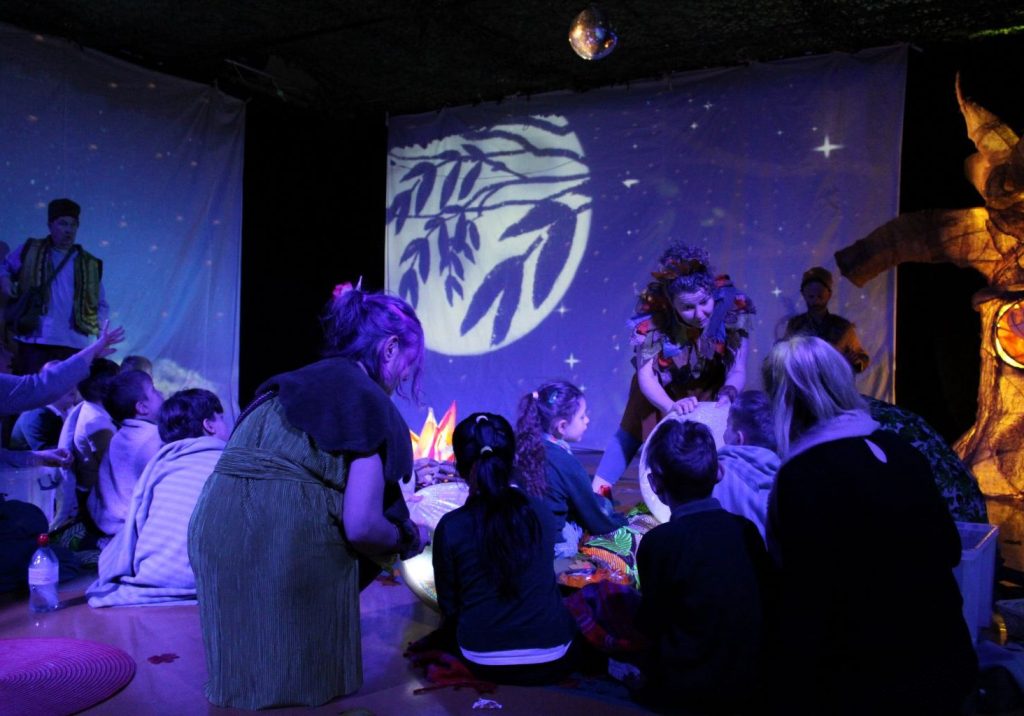
But what if the audience could do more than just watch? Interactive performances push the boundaries of traditional storytelling by incorporating tactile elements that invite audience participation. Productions that encourage crowd involvement, such as immersive theatre experiences, create a vital connection between the performers and the audience. This physical engagement makes emotions palpable; when viewers are asked to dance or share in an activity, they move from spectator to participant, deepening their connection to the narrative and each other.
As we delve deeper into the layers of sensorial connections in performing arts, it becomes evident that these experiences are essential in fostering emotional ties to the work. The interplay of visuals, sound, and tactile elements not only enriches the narrative but also leads audiences to reflect on their own lives and relationships. The stage acts as a mirror, enabling viewers to confront their feelings and experiences, resulting in a more profound understanding of themselves and the world around them.
The sensory experience plays a critical role in creating emotional connections between performers and their audience, transcending mere visual and auditory experiences. This multi-faceted approach engages not just the senses but also the audience’s emotions and intellect, pulling them into the narrative depths of the performance.
Enhancing Emotional Engagement
The use of various sensory elements, such as lighting, soundscapes, and tactile interactions, facilitates a deeper understanding of the performance. For example, certain colors in lighting can evoke feelings of warmth or despair, while specific sound frequencies can trigger nostalgia or excitement. This artistry engages the audience, enabling them to immerse themselves into the moment and thus form a personal connection with the characters and the story being told.
The Role of Audience Participation
Moreover, incorporating interactive components can profoundly impact audience investment. Performances that allow for audience participation create a shared experience, enabling individuals to contribute to the narrative and encouraging a collaborative emotional response. When spectators feel a sense of ownership over the performance, their emotional connections deepen, solidifying memories associated with the experience.
Creating Lasting Impressions
As performers master the sensory dynamics, they create experiences that linger long after the curtain falls. This lasting impact cultivates discussions, reflections, and a desire for repeat engagements with the art form, whether through further performances or collaborations. Such connections often inspire audiences to share their experiences, further broadening the community’s appreciation for the arts and reinforcing the profound effects of emotional storytelling.The mastery of the sensory experience in performing arts is revolutionary in creating emotional connections, raising the level of engagement to unprecedented heights. This not only transforms how audiences perceive performances but also revitalizes the artistic landscape, cultivating a deeper appreciation for the nuances of human expression. The breath of life infused into performances through sensory art highlights its paramount importance in creating memorable and impactful connections with an audience.
Dive Deeper: Click here for more DIY ideas
The Role of Olfactory and Kinesthetic Sensations
While visuals, sound, and tactile elements are monumental in fostering emotional connections, performers and artists are increasingly tapping into olfactory sensations and kinesthetic experiences to amplify the effectiveness of their narratives. These senses, often overlooked, can evoke strong memories and emotions, making them powerful tools in the arsenal of performing arts.
Olfactory Elements: Scents as Memory Triggers
Olfactory engagement, though rarely utilized, can dramatically alter the audience’s emotional landscape during a performance. The sense of smell is intriguingly linked to memory and emotion due to its direct connection to the brain’s limbic system. For example, productions that incorporate specific scents—whether it’s the smell of fresh rain during a scene or the aroma of freshly baked bread—can transport audience members to their childhood homes or evoke personal memories, creating a rich emotional tapestry that deepens their connection to the performance.
Consider how the scent of pine trees can evoke nostalgia and create a sense of calm, particularly in a theatre setting that depicts nature. Artists might use diffusers or carefully scripted moments where scent is released, inviting audiences to engage not just visually and aurally, but olfactorily as well. This innovative approach can make the emotions conveyed on stage feel even more immediate and visceral.
Kinesthetic Interaction: Physical Movement and Participation
The engagement of kinesthetic sensations through physical movement can transcend traditional spectator roles. Interactive performances that invite audience members to dance, move, or even take part in the storytelling can create an intensity of experience that is often absent from passive viewing. This form of embodiment encourages audiences to leave behind their inhibitions and become physically linked to the emotional journey unfolding before them.
A compelling example is seen in productions like “Sleep No More,” where audience members wander through a sprawling set, discovering scenes both individually and collectively. This non-linear storytelling invites active participation, pulling the viewer deeper into the narrative and promoting emotional responses tied to their very movements within the space. When people move, they feel, and when they feel, profound connections are forged—both with the story and with one another.
Broadening the Scope of Sensory Experience
Artists continue to explore combinations of the senses to create richer emotional connections. For instance, contemporary artists might merge mixed media—combining video projections, live performances, and even gastronomic experiences in a single work. This fusion creates environments where sensory experiences operate in a synergistic fashion, ensuring that audiences are not just spectators but fully engaged participants in their emotional journeys.
Whether through an evocative fragrance wafting through the air or the infectious energy of shared movement, sensory experiences in performing arts continue to evolve. These innovations challenge artists to think beyond conventional boundaries, facilitating deeper emotional ties between the artwork and its audience.
DISCOVER MORE: Click here to learn about eco-friendly craft materials
Conclusion
The fusion of sensory experiences in the performing arts is a transformative endeavor that significantly enhances the emotional connections made with audiences. By embracing olfactory and kinesthetic elements alongside more traditional sensory stimuli, artists cultivate profound participation and engagement that elevates the narrative experience. The incorporation of scents that elicit memories adds layers of nostalgia and intimacy, while physical movement promotes a visceral connection to the unfolding story.
This multidimensional approach encourages audiences not merely to observe, but to participate deeply in the artistic journey, fostering a communal atmosphere where individual experiences are woven into the larger tapestry of the performance. As innovative productions increasingly blur the lines between artist and audience, we witness a new era of storytelling that resonates on multiple sensory levels.
The future of performing arts will undoubtedly see further exploration into the realms of sensory engagement, inviting audiences into ever more immersive experiences. By challenging conventional boundaries and continually pushing the envelope on how emotional connections are forged, artists are redefining what it means to experience art in profound and impactful ways. For those seeking a deeper understanding of this captivating evolution, exploring the intersection of senses within performance art offers a unique lens through which to appreciate the complexities of human emotion and connection.