Culinary and Mental Health: How Cooking Can Be Therapeutic and Liberating
The Emotional Benefits of Cooking
The connection between culinary practices and mental health is increasingly gaining attention. The kitchen often serves as a sanctuary, providing both a creative outlet and a source of comfort for many. Engaging in cooking can not only satisfy hunger but also reduce stress and enhance overall well-being. By immersing oneself in the kitchen, individuals may find a unique avenue to explore their emotions, express their creativity, and cultivate mindfulness—all essential elements of mental health.
Mindfulness Through Cooking
Mindfulness is the practice of being fully present and engaged in the moment. The act of preparing food encourages individuals to focus on the task at hand, minimizing distractions from daily stressors. Techniques such as chopping vegetables or stirring a simmering pot can absorb your senses, offering a meditative quality that calms the mind. Evidence from studies suggests that engaging in mindful activities decreases levels of anxiety and promotes emotional regulation. Simple practices like paying attention to the colors and textures of ingredients can transform cooking into a pleasurable and grounding ritual.
A Canvas for Creativity
Cooking also serves as a powerful means of self-expression. Creativity can be manifested through experimenting with new recipes, improvising with available ingredients, or even plating dishes artistically. The kitchen is akin to a blank canvas where individuals can weave personal stories into their culinary creations. Consider, for example, the art of making homemade pasta or experimenting with different flavor profiles in a stir-fry. This exploration of flavors not only brings joy but also fosters a sense of achievement and personal discovery. Further studies have shown that engaging in creative activities can alleviate symptoms of depression, reinforcing the therapeutic potential of cooking.
Establishing Routine and Stability
In today’s fast-paced world, maintaining routine and structure is crucial for mental well-being. Regular cooking can help establish a comforting rhythm in life, especially amidst chaos. For many, preparing a weekly meal plan or dedicating an evening to cook with family can serve as an important anchor. This routine can create a sense of predictability and security, contributing positively to mental health. For instance, the tradition of Sunday dinners at home fosters not just nourishment but also connection, creating cherished memories that last a lifetime.
The Social Aspect of Cooking
Moreover, cooking acts as a catalyst for social connections. Sharing meals can greatly enhance relationships, whether through family dinners, potlucks with friends, or community events centered around food. These shared experiences help in strengthening social bonds, contributing to a sense of belonging and support. Studies have repeatedly affirmed that people who share meals often experience enhanced emotional well-being, demonstrating the profound impact of cooking on social ties.
Exploring Culinary Connections
As we delve deeper into this topic, consider how you might incorporate culinary activities into your own life. Reflect on the dishes that hold special meaning for you—perhaps they remind you of a loved one or a significant life event. How does cooking influence your mood and mental state? Engaging with these questions may lead you toward a more nourishing outlook, both in the kitchen and beyond. The exploration of cooking can also foster a greater appreciation for the present moment, nurturing not just the body but the mind as well.
DISCOVER MORE: Click here to dive deeper
Discovering the Therapeutic Benefits of Culinary Arts
The kitchen can be more than just a place to prepare meals; it can be a transformative space where food meets emotional healing. Understanding how culinary practices relate to mental health opens up new avenues for self-improvement and emotional expression. Engaging in cooking is not merely about creating a delicious dish; it can also involve reconnecting with one’s self and processing feelings through the art of food preparation. As we explore this connection, we can underline several therapeutic benefits that cooking can offer.
Cooking as a Form of Stress Relief
Many individuals regard cooking as a stress-reliever, providing a necessary break from the hustle and bustle of daily life. The act of preparing a meal is often accompanied by a sense of accomplishment and control, which can be particularly beneficial during times of uncertainty. To illustrate, consider the following aspects:
- Focus on Task: Engaging in the detailed steps of a recipe brings attention away from stressors.
- Physical Activity: Chopping, stirring, and washing can serve as mild exercise, which releases endorphins and enhances mood.
- Sensory Stimulation: Aromas, colors, and textures stimulate the senses, providing a multi-dimensional experience that promotes well-being.
Studies have shown that individuals who spend time cooking report lower levels of anxiety and improved mood, revealing that this practice can serve as a coping mechanism for managing mental health challenges.
Cultivating a Sense of Accomplishment
Every time a dish is successfully prepared, it fosters a profound feeling of accomplishment. This achievement contributes to a boost in self-esteem, a vital component in maintaining mental health. Whether it’s mastering a complex recipe or effortlessly throwing together a quick meal, these small victories can reinforce positive feelings about oneself. The key here is understanding that the journey in cooking is as important as the end result, allowing individuals to take pride in their culinary skills.
Nourishment Beyond the Plate
Cooking extends its benefits beyond the physical act of eating; it is intertwined with nourishment for the soul. The meals we prepare often reflect our values and heritage, creating a sense of connection to tradition and culture. Preparing family meals or ethnic dishes can evoke cherished memories and strengthen one’s identity. This emotional nourishment is crucial for mental health, as it instills a deeper sense of belonging and purpose.
Food as a Connector
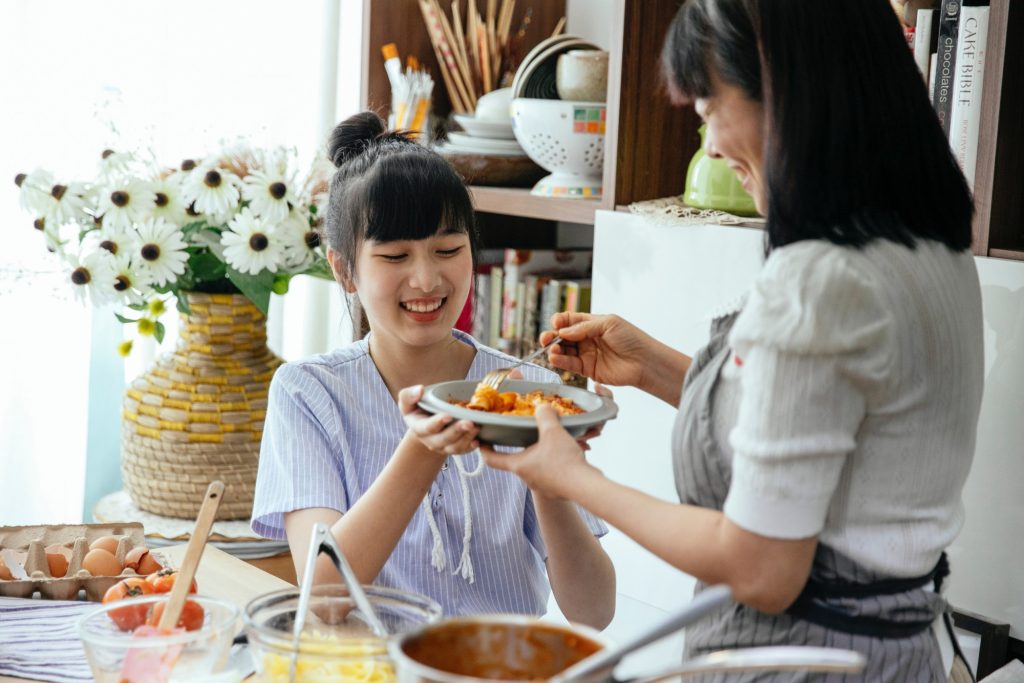
The act of sharing meals goes hand-in-hand with cooking, reinforcing social connections that are essential to emotional wellness. Engaging with others over a meal can lead to meaningful conversations, laughter, and bonding moments. Such interactions not only enhance emotional intelligence but also help combat feelings of loneliness and isolation. When individuals come together to cook and share meals, they create a shared experience that fosters community and support.
Overall, as we recognize the emotional and psychological advantages of culinary endeavors, it becomes clear how cooking serves as a vital tool for mental health. With each dish prepared, we take a step toward emotional liberation and overall well-being.
| Advantages | Description |
|---|---|
| Stress Relief | Cooking can serve as a valuable coping mechanism, allowing individuals to focus on the task at hand, which can distract from daily worries. |
| Creative Expression | Engaging with culinary arts encourages creativity, as individuals experiment with flavors, textures, and presentation, fostering a sense of accomplishment. |
| Mindfulness | The process of preparing food provides an opportunity for mindfulness, enhancing awareness of one’s senses and the environment. |
| Social Connection | Cooking can be a social activity, bringing families and friends together to share meals, building relationships and support systems. |
The therapeutic aspects of cooking extend beyond the kitchen. Studies indicate that culinary activities can boost one’s mood and enhance overall well-being. The act of chopping vegetables, stirring pots, or kneading dough has been shown to promote feelings of calmness and positivity. Furthermore, the aromas and meals produced can evoke memories and a sense of nostalgia, creating a comforting atmosphere.Moreover, countless individuals have turned to culinary arts as a form of emotional healing. Whether it’s baking cookies to share with friends or crafting intricate meals for family gatherings, these actions encourage a feeling of purpose. With every dish prepared, people not only nourish their bodies but also their mental health, making cooking a profound way to enhance life, one ingredient at a time.
DISCOVER: Click here to dive deeper
The Empowering Nature of Cooking
Cooking offers more than just physical nourishment; it fosters a sense of empowerment that can significantly enhance mental health. This empowerment comes from several key elements that encapsulate the role of autonomy, creativity, and personal growth in the cooking experience.
Autonomy and Decision-Making
In a world that often feels chaotic, cooking provides a structured environment where individuals can exercise control over their choices. Each ingredient selection, seasoning combination, and cooking method becomes an opportunity to make decisions, boosting a sense of agency. This act of making choices is particularly significant during times of mental distress, as it helps reaffirm one’s capacity to influence their surroundings. Research highlights that individuals who engage in everyday activities that require decision-making often report better emotional resilience.
Creativity and Self-Expression
Culinary arts serve as a canvas for creativity, allowing individuals to blend flavors, experiment with ingredients, and express their unique tastes. Engaging in such creative processes not only promotes enjoyment but also encourages the development of problem-solving skills. According to studies, expressing oneself through creative outlets is linked to lower levels of anxiety and depression. This means that by allowing creativity to flourish in the kitchen, one can embark on a journey toward emotional liberation. Whether it’s creating new recipes or redesigning traditional dishes with a personal twist, each cooking experience serves as a self-affirming act.
Mindfulness and Presence
The act of cooking can be inherently meditative, grounding individuals in the present moment. Techniques such as kneading dough, measuring spices, or simmering a sauce require focus and attention, creating an ideal environment for practicing mindfulness. Various studies suggest that mindfulness practices can greatly reduce symptoms of stress and anxiety. By immersing oneself in the sensory experiences of cooking, individuals can find calm and clarity, turning what may be a mundane task into a soothing ritual.
Culinary Education and Skills Development
Learning new culinary skills not only enhances one’s cooking repertoire but can also foster personal growth and a sense of belonging. Taking cooking classes or participating in community workshops offers opportunities to build connections with others who share similar interests, enhancing social support systems. Additionally, these experiences often instill confidence, as mastering new techniques can lead to a profound sense of achievement. As individuals learn and grow, they can begin to view themselves as more competent and resourceful, which is invaluable when navigating life’s challenges.
As we consider the various empowering aspects of cooking, it becomes evident that this practice transcends mere food preparation. Cooking emerges as a platform for, but not limited to, personal expression, healthy decision-making, and creative endeavors, ultimately harboring the potential to lift spirits and cultivate resilience in the face of life’s ups and downs.
DISCOVER MORE: Click here for inspiring DIY ideas
Conclusion: Embracing the Healing Journey through Culinary Arts
In a world where individuals often grapple with stress, anxiety, and a sense of disconnection, cooking serves as a meaningful pathway to improve mental health and well-being. The act of culinary creation is not merely about preparing meals; it embodies a complex interplay of empowerment, self-expression, and mindfulness. By engaging in cooking, individuals can reclaim autonomy in an unpredictable environment, transforming basic ingredients into expressions of personal choice and creativity.
The therapeutic nature of cooking lies in its ability to occupy the mind and redirect focus towards the present moment. Techniques that encourage mindfulness, such as savoring flavors and textures, allow for a respite from daily worries and stresses, facilitating emotional healing. The process of learning new skills through culinary exploration opens doors to personal growth and connection, reinforcing the idea that we are capable of nurturing ourselves and others through food.
As communities increasingly recognize the link between culinary arts and mental health, initiatives promoting cooking classes, community kitchens, and therapeutic cooking in mental health settings are gaining traction. These programs not only improve individual well-being but also foster connections among participants, enhancing social support networks crucial for mental wellness.
Ultimately, the journey of cooking can be a liberating experience, one that cultivates resilience and empowers individuals to embrace their culinary passions. So whether you are a novice just starting or an experienced cook, consider how the act of creating in the kitchen can not only nourish your body but also serve as a powerful tool for enhancing your mental health and enriching your life. Explore new recipes, experiment with flavors, and let your kitchen become a sanctuary for both culinary delight and emotional liberation.