The Intersection of Dance and Theater: Collaborations that Transform Performance
The Intersection of Two Dynamic Art Forms
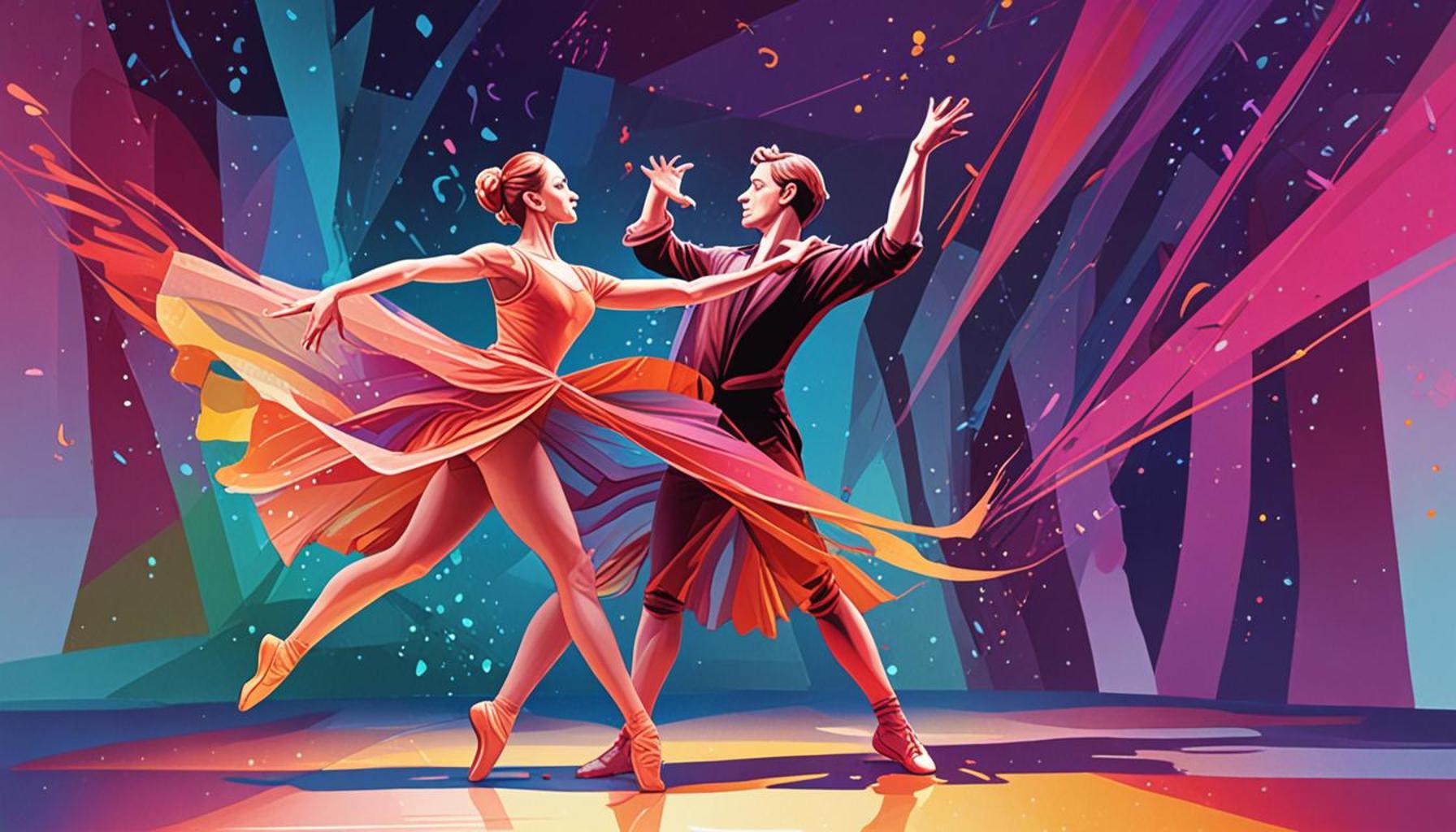
Throughout history, dance and theater have appeared as distinct entities, yet they share an undeniable bond that transcends merely being part of the performing arts. When these two worlds come together, the outcome can be transformative and groundbreaking, leading to performances that not only entertain but also provoke thought and evoke deep emotional responses from the audience.
Collaborative Projects and Enhanced Storytelling
The integration of dance in theatrical performances creates an innovative platform for storytelling that captivates and engages audiences in unique ways. Through collaborative projects, choreographers and theater directors work in tandem to unify movement, dialogue, and emotional expression. This synergy is not merely an addition of dance to a script; instead, it is an intricate weaving of narrative elements that enhances the overall impact of the performance.
- Innovative productions: Many contemporary performances blend ballet, hip-hop, and modern dance, providing diverse storytelling techniques that resonate deeply with viewers. For example, in productions like “Fiddler on the Roof,” choreographed dance not only showcases culture but also deepens the emotional gravity of the characters’ struggles.
- Cultural exchange: Embracing various dance styles brings fresh perspectives into theatrical works, reflecting the poignant narratives of different communities. Festivals like “The National Black Theatre Festival” in North Carolina celebrate this diversity, showcasing performances that include African dance, tap, and jazz, highlighting the rich tapestry of American culture.
- Enhanced emotional impact: The combination of expressive physicality with rich dialogues can amplify emotional connections in a performance. For instance, in “A Chorus Line,” the physical dance becomes a vehicle for the characters’ backstories, deepening audience engagement.
Notable Examples in the U.S.
In the United States, the magic of combining dance and theater has produced several acclaimed performances that resonate with audiences and critics alike. Among them are:
- Lin-Manuel Miranda’s “Hamilton”: Merging hip-hop with traditional musical theater, this groundbreaking production redefines what a musical can be, leveraging dance to propel the story of America’s founding fathers into contemporary relevance.
- Bill T. Jones’ “Still/Here”: This poignant piece marries dance with spoken word to address pressing social issues, using movement to convey the emotional weight of its subjects, particularly the struggles surrounding health and mortality.
- Julie Taymor’s “The Lion King”: Known for its stunning visual elements, this production utilizes dance to bring the African savanna to life while incorporating puppetry, underscoring the fusion of various art forms to tell a universally appealing story.
A Future of Boundless Potential
The fusion of dance and theater continues to break new ground, inviting fresh artistic collaborations that challenge conventional storytelling methods. As audiences become more adventurous and curious, the potential for innovative theatrical expressions grows exponentially. Indeed, the future of performance art is collaborative, diverse, and ever-evolving, paving the way for new forms of artistic exploration that promise to enrich and expand the cultural landscape of America.
DISCOVER MORE: Click here to dive into the world of molecular cuisine
Transformational Collaborations in Performance Art
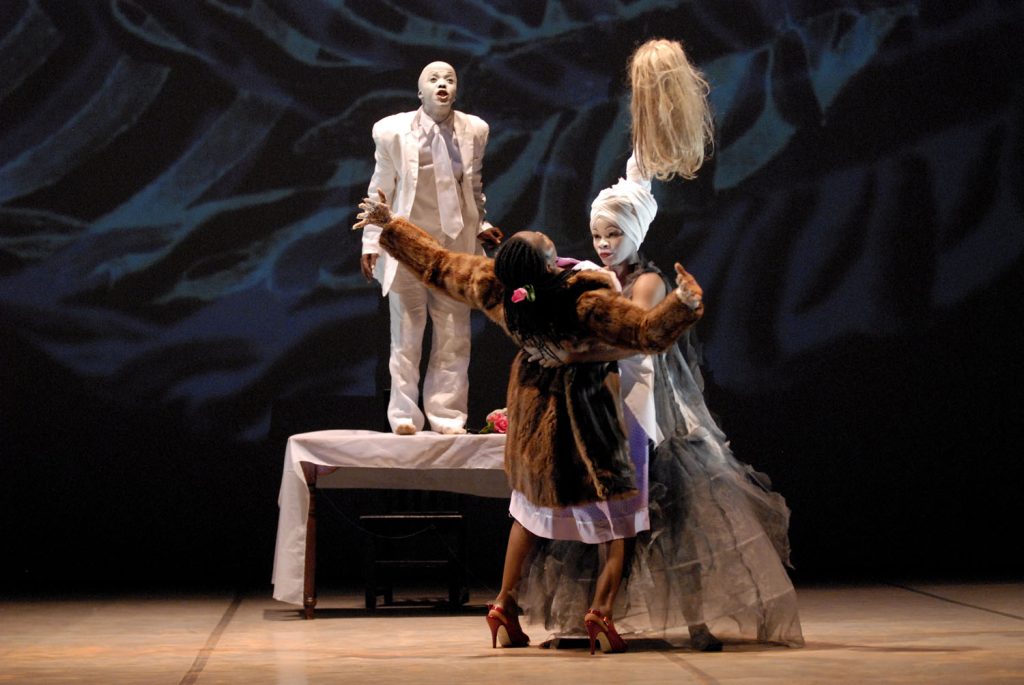
In the realm of contemporary performance, the collaboration between dance and theater has emerged as a powerful vehicle for artistic expression. This intersection not only enhances storytelling but also redefines the boundaries of both art forms. The creation of performances that merge movements with theatrical elements invites audiences into an immersive experience that transcends mere observation. It fosters a deeper connection to the narrative and the emotional landscape of the characters being portrayed.
The Power of Movement in Storytelling
Utilizing movement as a narrative tool allows for a rich exploration of themes and emotions, often encapsulating what words alone cannot express. Collaborations between choreographers and playwrights lead to a synthesis that challenges traditional storytelling methods and invites audiences into the heart of the action. Consider the following aspects:
- Physical storytelling: Dance is inherently expressive, allowing for the portrayal of complex characters and emotions through movement. Productions like “The Great Gatsby,” choreographed by YouTube sensation and dancer, have captivated audiences, where the intricacies of social status and desire unfold through the dancers’ body language and expressions.
- Choreographed dialogue: In many productions, characters express their feelings through dance intertwined with spoken lines, creating a dialogue that is as much about the body as it is about verbal communication. “West Side Story” is a quintessential example where a fight, romance, and rivalry are articulated through both movement and music, enhancing the narrative depth.
- Emotional resonance: Engaging audiences both visually and emotionally, the integration of dance elevates crucial moments in a performance. In “Sweet Charity,” the elaborate dance sequences highlight the protagonist’s internal struggles, emphasizing her aspirations and heartaches, which resonate profoundly with the audience.
Experimentation in Modern Theatrical Works
Modern theater has witnessed a surge of experimentation where innovative works often take center stage. These performances challenge the conventional narratives traditionally associated with either dance or theater, leading to an unprecedented exploration of style and movement. Noteworthy productions include:
- Alvin Ailey American Dance Theater’s “Revelations”: This seminal work interlaces African American spirituals with dynamic choreography, presenting a journey through grief, hope, and joy in a narrative that transcends cultural barriers.
- Dance Theatre of Harlem’s “Brahms/Haydn Variations”: In this production, classical music is paired with contemporary dance, creating a dialogue between the past and the present, showcasing the evolution of both dance and theater.
- A.R. Rahman and Asha Bhosle’s “Bombay Dreams”: The fusion of Bollywood dance with Western musical theater elements introduces audiences to a vibrant cultural exchange, broadening the theatrical landscape.
The melding of dance and theater continues to evolve, fostering collaborations that not only redefine the artistic identity of each form but also create a more dynamic experience for the audience. As these projects gain momentum, they pave the way for new possibilities in performance art, compelling creators and spectators alike to engage with storytelling in profound and innovative ways.
The Intersection of Dance and Theater: Collaborations that Transform Performance
The world of performance has evolved through a series of innovative partnerships between dance and theater artists, resulting in compelling productions that captivate audiences. These collaborations not only enhance the individual art forms but also push the boundaries of storytelling. By intertwining the emotional expressiveness of dance with the narrative depth of theater, performers create an entirely different experience that resonates on multiple levels.One key element of these collaborations is the fusion of movement and dialogue. Dance adds a visual language that complements the spoken word, allowing for a more visceral connection to the story. Choreography becomes a character unto itself, expressing emotions that words alone cannot convey. This synergy often invites the audience to engage with the performance on a deeper level, allowing them to interpret and feel the narrative in ways that transcend the conventional.Moreover, the blending of these two artistic mediums fosters creative experimentation. Artists are encouraged to take risks, composing unique works that can surprise and challenge traditional forms. For example, contemporary productions may incorporate elements like multimedia projections or unconventional staging, enriching the overall aesthetic and thought-provoking components of the performance. Audiences are thus treated to a mesmerizing spectacle that stimulates not just their imagination but also their senses.To further explore this dynamic intersection, let’s examine the various advantages that result from these artistic collaborations through the following table.
| Category | Key Features |
|---|---|
| Artistic Innovation | Merging dance with theatrical elements allows artists to break conventional boundaries. |
| Emotional Depth | Combined mediums elicit deeper emotional responses, making stories more impactful. |
As we delve deeper into the rich landscape of collaborations between dance and theater, one can uncover an expansive tapestry of artistic dialogue that continues to evolve, inviting both creators and audiences to partake in this transformative journey.
DIVE DEEPER: Click here to discover more
Innovative Techniques Bridging Dance and Theater
The collaborative synergy between dance and theater breeds a fertile ground for innovative techniques that reshape the way stories are told. This fusion of artistic disciplines pushes the envelope, prompting creators to explore unconventional formats that embrace technology, multimedia, and audience interaction.
Multimedia Integration in Performances
As technology becomes increasingly woven into the fabric of our lives, it has found a significant place in the performing arts. The integration of multimedia elements such as projections, video art, and sound design enriches the visual and auditory experience of a performance. A notable example is “The Lion King,” where stunning visual projections blend seamlessly with choreography, creating a breathtaking world that immerses audiences into the African savanna. The use of digital backdrops and enhanced lighting effects not only sets the scene but also amplifies the emotional impact of the movements and character interactions.
Audience Participation and Interaction
Modern performances increasingly invite the audience to engage actively with the production, breaking down the barrier between performer and observer. This interactive approach fosters a sense of community and shared experience. For instance, in works like “Sleep No More,” an immersive theater experience in New York, audiences roam freely through a multi-level space and witness scenes unfold around them. Dancers guide the narrative through intricate choreography, marrying the freedom of exploration with choreographed storytelling. This engagement allows spectators to become part of the narrative, reimagining their role from passive viewers to active participants.
Cross-Disciplinary Collaborations
The dynamic relationship between dance and theater often leads to cross-disciplinary collaborations that elicit fresh artistic visions. Partnerships between choreographers and visual artists, musicians, and even scientists expand the creative horizon. Productions like “Pina,” directed by Wim Wenders, showcase the innovative works of choreographer Pina Bausch. This film transcends traditional formats by merging cinematic storytelling with powerful dance sequences, offering a unique lens on the life and contributions of the iconic choreographer. Through such collaborations, audiences not only witness a blend of art forms but also engage with narratives that reflect complex societal themes.
Exploring Cultural Narratives through Dance and Theater
Another significant aspect of these collaborations is the exploration of cultural narratives that bring diverse histories and experiences to the forefront. Productions like “In the Heights,” created by Lin-Manuel Miranda, intertwine elements of hip-hop, salsa, and traditional musical theater, reflecting the vibrant community of Washington Heights. The choreography serves not only as entertainment but also as a vessel for cultural expression and storytelling, offering a platform for voices that have historically been marginalized in mainstream narratives.
By drawing on various cultural influences, creators within this realm achieve a multifaceted understanding of their subjects, inviting audiences to engage with new perspectives and shared experiences. Through the powerful marriage of dance and theater, these collaborative projects grow into dynamic instruments of social change and awareness, forging a path towards greater empathy and understanding in an increasingly complex world.
DIVE DEEPER: Click here for more insights
Conclusion: The Future of Performance Art
The intersection of dance and theater represents a compelling frontier in the performing arts, where collaboration serves as a catalyst for innovation and expression. As the boundaries between disciplines blur, we witness a new era of storytelling that embraces technology, audience interaction, and cross-cultural narratives. The rich tapestry woven by this synergy not only enhances the artistic landscape but also invites audiences to partake in the evolving dialogue of performance.
Moreover, the transformative collaborations fostered among artists reflect a broader cultural awakening. Productions like “In the Heights” and immersive experiences like “Sleep No More” exemplify how creators can spark societal conversations through movement and theatricality, allowing underrepresented voices to resonate on mainstream platforms. These performances become more than mere entertainment; they evolve into vehicles for social change and collective understanding.
Looking ahead, the potential for further innovation in dance and theater remains vast. Artists and creators are encouraged to continue exploring new artistic partnerships and methodologies that challenge conventions, allowing audiences to engage with stories in invigorating, multifaceted ways. As we embrace this collaborative spirit, we not only enrich the performance landscape but also contribute to a shared cultural experience that echoes across diverse communities, inspiring generations to come.