The Impact of Performing Arts on Mental Health and Well-Being
Understanding the Benefits of the Performing Arts on Mental Health
In recent years, the intersection of performing arts and mental health has captivated the attention of researchers, practitioners, and audiences alike. From theater and dance to music and performance art, these creative outlets are increasingly recognized for their profound effects on well-being. Engaging with the arts opens pathways not only for artistic expression but also for personal healing and community connection.
Delving into this bond reveals the various ways the performing arts contribute positively to mental health. One of the most significant aspects is their ability to enhance emotional expression. Through performance, individuals can externalize feelings that might be difficult to articulate otherwise. For example, a person who takes part in a theater production may find it easier to confront and express their own emotional experiences by portraying a character grappling with similar issues. This cathartic process can lead to a deeper understanding of personal emotions and trigger conversations that promote healing.
- Fostering social connections is another vital function of performing arts. Collaborative endeavors, such as group dance or ensemble music performances, create a sense of belonging and camaraderie among participants. These interactions help combat loneliness, a significant factor in mental health struggles, by connecting individuals through shared creative experiences.
- Reducing stress and anxiety is a crucial benefit linked to the performing arts. Engaging in activities like playing an instrument can lead to mindfulness, as musicians often focus solely on their craft, momentarily shading out the external chaos. Research has shown that listening to or creating music can reduce cortisol levels—commonly known as the stress hormone—in the body.
- Moreover, the arts can build self-esteem and confidence. Performing in front of an audience, whether in a school play or a community concert, often brings about a sense of achievement. This experience can instill a newfound recognition of one’s skills and capabilities, promoting a positive self-image.
Awareness of these benefits has fostered the growth of numerous community programs across the United States that harness the power of the arts to support mental health initiatives. Organizations like the Atlanta-based “Playback Theatre” use improvisational storytelling to allow participants to share experiences while others perform them back, affirming their stories and fostering community understanding. Such programs are crucial for providing accessible resources and promoting awareness of mental well-being, particularly in underserved communities.
As we delve deeper into this vibrant realm, we uncover the myriad ways the performing arts can elevate our mental health and invite us to embrace creativity as a path towards holistic well-being. By participating in or supporting these artistic endeavors, individuals can not only enhance their personal wellness but also contribute to a broader societal movement acknowledging the invaluable connection between creativity and mental health.
DIVE DEEPER: Click here to discover how innovation is changing the kitchen
The Transformative Power of Performing Arts
As society increasingly acknowledges the importance of mental well-being, the performing arts emerge as a vital ally in the quest for emotional stability and psychological resilience. Engaging with different forms of artistic expression not only enriches individual lives but also serves as a powerful tool in addressing mental health challenges across diverse communities. The spectrum of benefits extends far beyond mere enjoyment; it significantly impacts mental health in tangible, measurable ways.
One pivotal aspect of the relationship between performing arts and mental health lies in their role in enhancing emotional regulation. The act of creating art, whether through dance, theater, or music, provides a therapeutic outlet for individuals struggling with various emotional states. Studies highlight that participation in artistic activities can actively lower symptoms of anxiety and depression. For instance, a community theater group allows participants to explore their emotions through character development, resulting in a greater awareness of their mental states and a reduction in emotional distress.
- Building resilience is another crucial dimension of how the performing arts contribute to mental health. Engaging in performance art challenges individuals to step out of their comfort zones, fostering adaptability and the ability to overcome obstacles. A musician learning a new piece or a dancer mastering a complex routine develops perseverance and resilience—skills that are invaluable for managing life’s pressures.
- Promoting cognitive function is an added benefit closely tied to performing arts. Studies indicate that learning and performing music or dance increases neuroplasticity in the brain—this encourages new connections and pathways that can help counteract cognitive decline and improve overall mental sharpness.
- Additionally, the performing arts can facilitate mindfulness. Engaging in the present moment during a performance encourages participants to focus entirely on their actions, thus alleviating feelings of distraction or overwhelm that can exacerbate mental health issues.
The positive implications of the performing arts extend well beyond individual experiences. Community arts initiatives frequently act as catalysts for social change by promoting inclusive environments where people from various backgrounds can come together. Programs prioritizing accessibility to the performing arts create spaces where individuals can reclaim their voices and find solidarity in shared experiences. For example, programs like “Art from Ashes” in Colorado use creative writing and performance to support at-risk youth, providing them with tools to express challenges through artistic mediums and fostering personal growth.
Engagement in the performing arts is more than just a pastime; it represents a vital element of self-care and well-being for many individuals. With more practitioners, educators, and mental health advocates understanding these benefits, the push towards integrating artistic expression into therapeutic practices continues to gain momentum. Such efforts illuminate the profound connection between embracing creativity and enhancing overall mental health.
The intricate relationship between performing arts and mental health has gained significant attention in recent years. Studies suggest that engaging in various forms of performance, such as theater, dance, and music, can have profound effects on emotional and psychological well-being. By actively participating in the creative process, individuals often find a unique outlet for their emotions, facilitating self-expression and emotional release. This practice is especially beneficial for those grappling with mental health issues, providing not only a form of therapy but also a sense of community and support.
Moreover, performing arts can enhance cognitive functions and social skills. Participation in group performances fosters collaboration and communication, skills crucial for interpersonal relationships. The immersive nature of performing arts also aids in improving focus and concentration, which can be particularly advantageous for individuals with attention disorders. Through rehearsals and performances, individuals learn to manage anxiety and build resilience, enhancing their overall mental fortitude.
The therapeutic aspects of performing arts do not only apply to those with diagnosed mental health conditions. Engaging in artistic activities can elevate mood, reduce stress levels, and promote a greater sense of life satisfaction for everyone involved. The joy of creation and the thrill of performance can lead to lasting improvements in mental well-being.
| Category | Details |
|---|---|
| Emotional Expression | Facilitates self-exploration and coping strategies. |
| Cognitive Enhancement | Improves focus and problem-solving abilities. |
| Social Connections | Encourages collaboration and builds community. |
| Stress Relief | Offers a joyous escape from daily pressures. |
These aspects emphasize that the benefits of performing arts intertwine with mental health support, suggesting that a greater advocacy for artistic engagement can lead to enhanced mental well-being for individuals across diverse backgrounds. Whether through community theater, dance classes, or music groups, the transformative power of the performing arts is undeniably significant, encouraging individuals to seek out these opportunities for their own mental health journeys.
DISCOVER MORE: Click here to unleash your culinary creativity
Fostering Connection and Community through the Arts
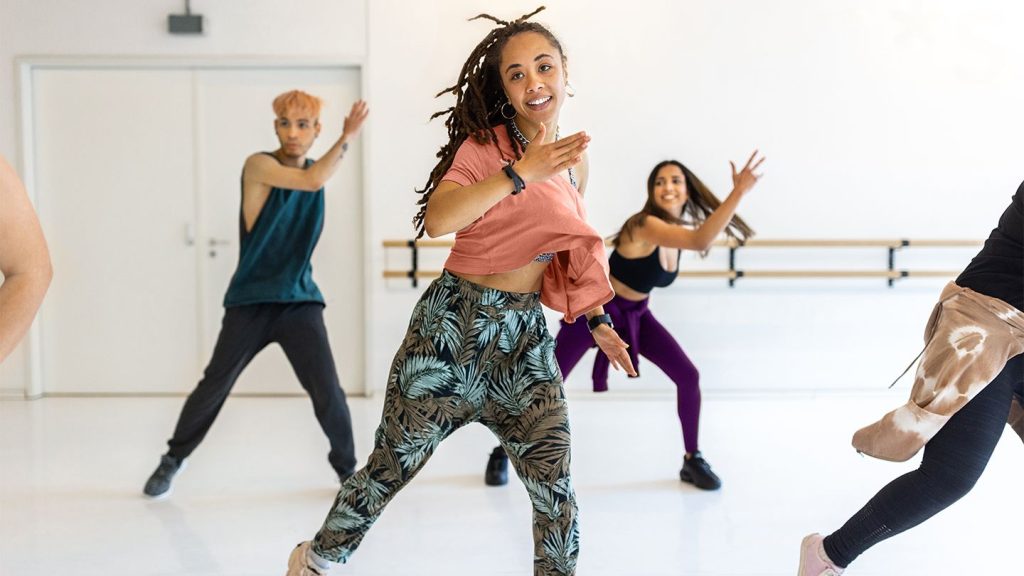
Beyond the personal benefits of individual engagement, performing arts play a crucial role in fostering community connections that can significantly enhance mental well-being. The act of participating in group performances cultivates a sense of camaraderie and belonging, which are fundamental for emotional health. For instance, joining a local choir or a dance ensemble allows individuals to build supportive relationships and networks that alleviate feelings of isolation, a common challenge faced by those dealing with mental health issues.
Research from the National Endowment for the Arts indicates that community-based arts programs correlate with increased social cohesion and community pride. These programs serve as a platform for expression and healing by connecting individuals who share similar experiences or struggles. A notable example is the “Healing Arts Program” at the Veterans Affairs hospitals across the United States. This initiative uses theater and music to address the mental health needs of veterans, helping them process trauma through collective artistic expression and storytelling.
- Engagement in collaborative projects enhances teamwork and social interaction, diminishing feelings of loneliness. For many participants, the collective effort of rehearsing and performing cultivates significant relationships that extend beyond the stage.
- Witnessing and sharing performances evoke strong emotional responses that can lead to cathartic experiences for both performers and audiences. This shared experience not only allows for emotional healing but also fosters empathy within communities, bridging gaps between individuals from different walks of life.
- Moreover, the communal aspect of performing arts enhances cultural expressions, allowing diverse voices to be heard and valued. Through mediums such as theatrical performances and cultural festivals, marginalized groups can share their stories, promoting understanding and reducing stigma surrounding mental health issues.
The relationship between the performing arts and mental health interventions is also gaining traction within clinical frameworks. Programs incorporating art therapy are increasingly recognized for their effectiveness. For example, research conducted by the American Journal of Public Health illustrates that patients participating in laughter therapy, a form of performing arts, show lower levels of anxiety and depression. This evidence underlines the importance of integrating performing arts into mainstream mental health treatment protocols.
Performing arts are not only an escape from daily stressors; they serve as a transformative force that elevates collective well-being. The incorporation of elements such as theater, music, dance, and improvisation in therapeutic settings promotes a sense of agency among participants in managing their mental health. As professionals continue to explore these intersections, the once niche practice of integrating the arts into mental health care is poised to become an integral part of holistic treatment strategies.
Ultimately, the evidence is becoming increasingly clear: the performing arts represent a potent vehicle for healing and resilience. As mental health continues to emerge as a focal point in public discourse, the necessity of harnessing the transformative potential of artistic expression is more urgent than ever.
DISCOVER MORE: Click here to dive deeper
Conclusion: The Transformative Power of the Performing Arts
In conclusion, the performing arts stand out as a dynamic and multifaceted tool for enhancing mental health and well-being. By engaging with creative expression, individuals can experience profound personal growth while simultaneously fostering community bonds. The findings highlight that participation in performing arts not only alleviates feelings of isolation but also promotes social cohesion and a sense of belonging. This is particularly vital in an era where mental health challenges are prevalent across demographics.
Furthermore, programs such as the “Healing Arts Program” for veterans illustrate the effectiveness of integrating artistic mediums into therapeutic practices. The evidence suggests that avenues like theater and music not only aid in the healing of trauma but also inspire resilience among participants. As we delve deeper into the intersections of art and mental health, it becomes increasingly clear that the performing arts can serve as an essential component of holistic treatment strategies.
As society continues to prioritize mental health awareness, harnessing the potential of the performing arts offers an innovative and enriching approach. It invites us to not only explore our own narratives but also to recognize and uplift the stories of others, fostering empathy and understanding within our communities. This calls for further investment and support in arts initiatives that advocate for mental wellness, ultimately inviting us to transform our collective experience into one of healing and connection.
The journey towards improved mental health can be significantly impacted through engaging with the performing arts—an avenue that deserves recognition, advocacy, and further exploration in our ongoing dialogue about mental well-being.