The Impact of Performing Arts on Visual Arts: Interdisciplinary Dialogues and Collaborations
Exploring the Intersection of Artistic Disciplines
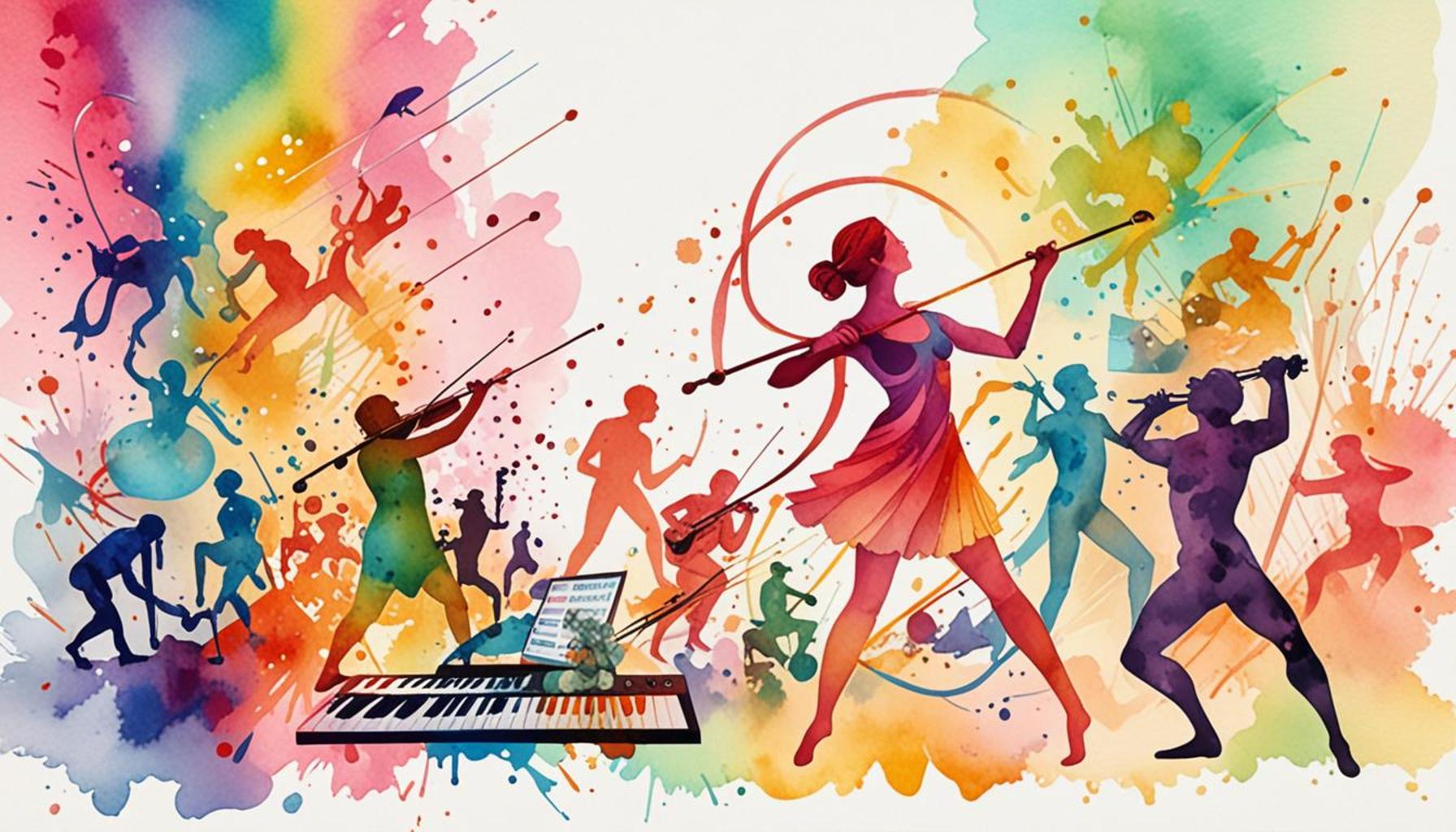
Art is an expansive realm, constantly evolving through collaborations and dialogue between different forms. The intersection of performing arts and visual arts provides a fascinating lens through which we can examine creativity and expression. Within this dynamic interaction, artists often find inspiration, prompting innovative works that bridge these distinct disciplines.
Key Influences of Performative Elements on Visual Arts
Performing arts—ranging from theater to dance—have significantly influenced visual arts in myriad ways, including:
- Incorporation of movement and spatial dynamics in visual installations, allowing the viewer to experience the artwork from various perspectives.
- Utilization of storytelling and narratives to deepen the experience of visual artworks. For instance, artists might create a series of paintings that narrate a story, which is further enhanced when shared through choreographed movement in a dance.
- Collaboration between performers and visual artists to create immersive experiences. This could involve interactive installations where attendees engage with the art while simultaneously experiencing a live performance.
This collaboration not only enhances individual artistic expressions but also fosters a deeper understanding of cultural contexts. For instance, contemporary artists in the United States are increasingly integrating elements from live performances into their exhibitions, creating a multisensory experience that captivates audiences. An example is the work of artist Nick Cave, who combines performance art with intricate visual sculptures, engaging viewers in a rich dialogue that transcends traditional boundaries.
Examples of Successful Collaborations
Across the country, several projects exemplify this interdisciplinary dialogue:
- Dance performances that utilize large-scale projections and visual art backdrops, such as the collaborations between the Alvin Ailey American Dance Theater and visual artists, which use vibrant visuals to amplify the themes of the dance.
- Theater productions that incorporate original visual art as part of the set design. A notable instance is the integration of contemporary paintings in Broadway shows, enhancing the storytelling by creating a thematic connection with the visual elements.
- Art installations that respond dynamically to live performances, allowing audience interaction. For example, installations at the Los Angeles County Museum of Art (LACMA) often change based on viewer engagement, incorporating elements of performance art in their exhibitions.
As artists continue to explore these boundaries, the conversation around the impact of performing arts on visual arts remains an exciting field of inquiry. Understanding these connections not only broadens artistic horizons but also enriches the cultural fabric of society. This ongoing exploration may lead audiences to more profound insights and inspire the next generation of artists to further blur the lines between disciplines, ultimately reshaping our artistic landscape.
DIVE DEEPER: Click here to discover the sensory experience in the kitchen
The Transformative Synergy of Artistic Collaboration
The dialogue between performing arts and visual arts has not only redefined individual artistic expressions but also expanded the very notion of what art can be. This transformative synergy serves to uplift both disciplines, creating a rich, multifaceted experience for audiences and artists alike. By blurring the distinctions between forms, artists can leverage the strengths of each medium to create innovative experiences that resonate on multiple levels. Here, we delve into several key dimensions through which performing arts have made a significant impact on visual arts.
Merging Aesthetics and Techniques
One major influence of performing arts on visual arts is the intentional melding of aesthetics and techniques. Artists increasingly adopt methods traditionally associated with performance, such as choreography and staging, to enrich their installations and artworks. For instance, installation artists are experimenting with movement by crafting pieces that respond dynamically to the viewer’s presence. These installations not only draw the observer into the artwork but also compel them to navigate it, turning the entire experience into a performance in itself.
Moreover, the notion of ‘site-specific’ art has gained traction, where artists design their works to fit and respond to a particular environment or context. This approach often draws from theatrical elements, using space creatively to engage audiences in a narrative that unfolds as they move through the installation. This interplay leads to a profound engagement with the visual aspect of the work, enhancing the immersive experience and inviting interpretations that reflect both performance and visual art traditions.
Incorporating Emotional Narratives
Another notable area of impact is the use of emotional storytelling in visual arts. Performing arts, especially theater and dance, are inherently narrative-driven, weaving complex stories that evoke emotional responses. Visual artists are now harnessing these narrative structures to deepen the meanings behind their works. For example, contemporary painters and sculptors frequently incorporate themes of social justice or personal experience in their pieces, echoing the dramatic intensity found in performance art.
Through this lens, exhibitions like the “Art and Activism” series have emerged, highlighting visual artists who collaborate with performers to address pressing societal issues. In doing so, artworks become more than mere visuals; they tell stories that push boundaries, challenge perceptions, and invoke appropriate reactions from audiences.
Fostering Community Engagement
Beyond artistic innovation, the collaboration between performing and visual arts greatly enhances community engagement. Artists are now more inclined to create events that combine different art forms, drawing in diverse audiences from various backgrounds. These events often invite community participation, breaking down walls between artist and spectator. Types of engagements include:
- Interactive storytelling events where visual artists exhibit their pieces alongside live performances that explore the same themes.
- Community art projects that culminate in live performances, allowing residents to express their stories both visually and through movement.
- Collaborative workshops where community members create artwork inspired by live performances, fostering a sense of ownership and connection to both disciplines.
The fusion of performing and visual arts ultimately creates a vibrant community atmosphere, where the act of creation becomes an inclusive process. This sense of belonging enriches cultural dialogues, making way for new artistic narratives and a broader understanding of community identity.
The Collaboration Between Performing Arts and Visual Arts
The synergy between performing arts and visual arts creates a rich tapestry of expression that enhances both mediums. This interdisciplinary dialogue fosters innovative collaborations that not only amplify the creative output but also attract diverse audiences. When directors collaborate with visual artists for stage design, the result can be a breathtaking immersive experience. This approach not only elevates the storytelling but also invites the audience to engage more deeply with the artwork, transforming traditional venues into hybrid spaces that celebrate both forms.Furthermore, workshops and community projects that middle performing and visual arts provide unique learning experiences. For instance, community engagement initiatives often blend choreographed movements with artistic painting, allowing participants to explore their creativity through multiple lenses. This cross-pollination can spark new ideas and inspire future artists to consider how their work might intersect different disciplines. Additionally, renowned festivals like the Venice Biennale exemplify the potential of collaboration. The integration of various art forms through performances during such events broadens the narrative scope, allowing deeper explorations of themes like identity, culture, and social issues. By showcasing these interactions, artists not only amplify their voices but also present multiple perspectives on common societal themes, fostering dialogics that resonate long after the performance ends.The ubiquity of technology in both fields also allows for new avenues of exploration. Digital media installations that include live performances challenge conventional boundaries of both art forms, ushering in a new era of perpetual engagement. Artists today are not just confined to traditional platforms; they have access to global audiences through online streams and virtual galleries, making their collaborative work accessible tomany. This digital realm inspires experimentation and innovation, effectively leveraging both the auditory and visual senses, thus encouraging a holistic appreciation of art.Engaging with these interdisciplinary aspects opens doors to further understanding and appreciation of the significant impact that performing arts have on visual arts. As audiences continue to seek multiform experiences, the exploration of these dialogues will undoubtedly lead to richer artistic productions that redefine the boundaries of creativity.
| Category | Advantages |
|---|---|
| Creativity Enhancement | Promotes innovative fusion of ideas between disciplines. |
| Audience Engagement | Creates immersive experiences that captivate diverse audiences. |
DISCOVER MORE: Click here to get inspired
Innovative Formats and New Mediums
The impact of performing arts on visual arts has also paved the way for innovative formats and the exploration of new mediums. As artists continue to push traditional boundaries, the incorporation of multimedia elements has gained tremendous momentum. Visual artists are infusing their work with elements from dance, theater, and even digital performances, resulting in a hybrid form that captivates audiences in new ways.
Experiential Installations
One prominent example of this innovation is the emergence of experiential installations, which immerse viewers in an environment where visual art and performance intermingle. Notable exhibitions, such as Yayoi Kusama’s “Infinity Rooms,” combine visual elements with a carefully orchestrated sensory experience, resulting in a spectacle that feels alive and ever-changing. In such installations, movement becomes an integral part of the artwork, further emphasizing the connection to performing arts. By incorporating sound, light, and even live performances, artists create a dialogue that transcends the traditional viewing experience and encourages deeper emotional engagement.
Moreover, artists like Marina Abramović have redefined performance art by integrating visual elements that challenge the audience’s perception of time and space. Her famed piece “The Artist Is Present” involved a live, silent interaction with viewers, transforming the gallery into a space of shared experience and vulnerability. This blurring of boundaries fosters a dialogue not only between the audience and the artist but also between visual aesthetics and the emotional weight of performance.
Interdisciplinary Collaborations and Technology
The melding of performing arts and visual arts is dramatically enhanced by technology, which serves as a powerful vehicle for interdisciplinary collaborations. Augmented and virtual realities, for instance, are setting the stage for groundbreaking projects where visual art can interact dynamically with performance statistics. Artists and technologists are teaming up to create immersive storytelling experiences, such as the work by companies like Stranger Than Fiction that uses VR to visualize narratives from both visual and performing arts perspectives.
Such collaborations amplify not only the creative potential but also the reach of the artwork. As artistic communities strive to provide more accessible experiences, this intersection of technology, performance, and visual art expands opportunities for diverse audiences, encouraging broader participation and engagement.
Cross-Pollination in Artistic Education
The fusion of performing arts and visual arts also influences educational practices within the arts. Art schools and conservatories are increasingly encouraging a cross-disciplinary approach, where students can explore the interplay between these mediums. Programs that integrate theater, dance, and visual arts create a stimulating atmosphere for students to experiment and collaborate. Workshops that allow students from different backgrounds to work together foster an environment where the exchange of ideas leads to innovative outcomes.
Institutions across the United States, such as the California Institute of the Arts and Rhode Island School of Design, emphasize this collaboration within their curriculum. By preparing the next generation of artists to embrace interdisciplinary dialogues, these educational practices strengthen the future of both performing and visual arts, ensuring that the artistic conversations continue to evolve.
In this vibrant ecosystem, artists draw from a vast array of influences, creating an art landscape that is rich in diversity and utterly captivating. Through these innovative formats and collaborations, the synergy between performing and visual arts continues to transform not just the artistic community, but also the way audiences relate to and engage with art on a fundamental level.
DISCOVER MORE: Click here to delve into the influence of media on food choices
Conclusion: A Transformative Interdisciplinary Journey
The influence of performing arts on visual arts represents a dynamic and evolving relationship that fosters creativity, innovation, and engagement. Through experiential installations and immersive storytelling, artists are reshaping the audience’s experience, merging sensory elements with traditional visual forms to create narratives that deeply resonate. As demonstrated by trailblazers like Marina Abramović and Yayoi Kusama, the interplay between performance and visualization not only challenges conventional art forms but also redefines the boundaries of artistic expression.
Furthermore, the integration of technology has revolutionized this dialogue, providing artists with novel tools and platforms for collaboration. By harnessing augmented and virtual realities, creators are able to engage broader audiences and elevate their narratives to unprecedented heights. This transformative landscape calls for the next generation of artists to embrace an interdisciplinary approach in their education, nurturing a culture of collaboration that empowers diverse voices within the arts.
In conclusion, the symbiotic relationship between performing and visual arts enriches both fields, paving the way for future innovations and artistic conversations. As this synergy continues to expand, we invite readers and art enthusiasts alike to explore the myriad ways in which these disciplines connect and inspire. The richness of this dialogue not only enhances the artistic community but also deepens our collective understanding of the human experience through the lens of art. To fully appreciate this ongoing evolution, one must remain open to the transformative possibilities that arise from these interdisciplinary encounters.