Performing Arts and Immersive Experiences: Redefining the Relationship between Audience and Artist
The Revolution in Audience Participation
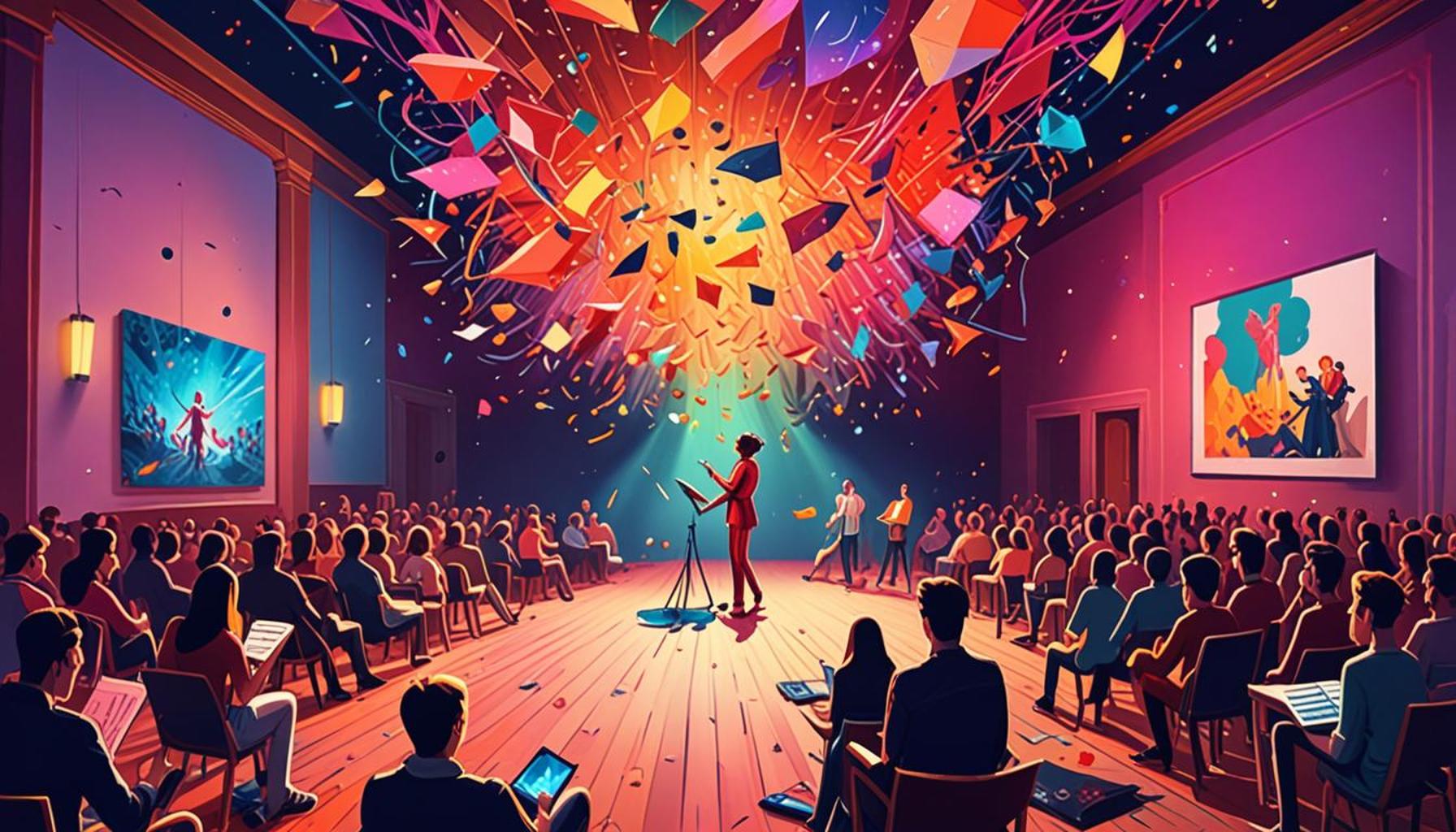
The landscape of performing arts is undergoing a profound transformation. As the boundary between audience and artist blurs, immersive experiences are emerging as a key player in redefining this relationship. This shift allows audiences to engage with artworks in ways that are both innovative and deeply personal. The concept of passive viewing is making way for active participation, thereby creating a more engaging environment for everyone involved.
Innovative Examples of Immersive Experiences
Consider a few examples of how immersive experiences are being integrated into the performing arts:
- Interactive theater that invites participants to influence the storyline.
- Virtual reality performances that create a nuanced environment.
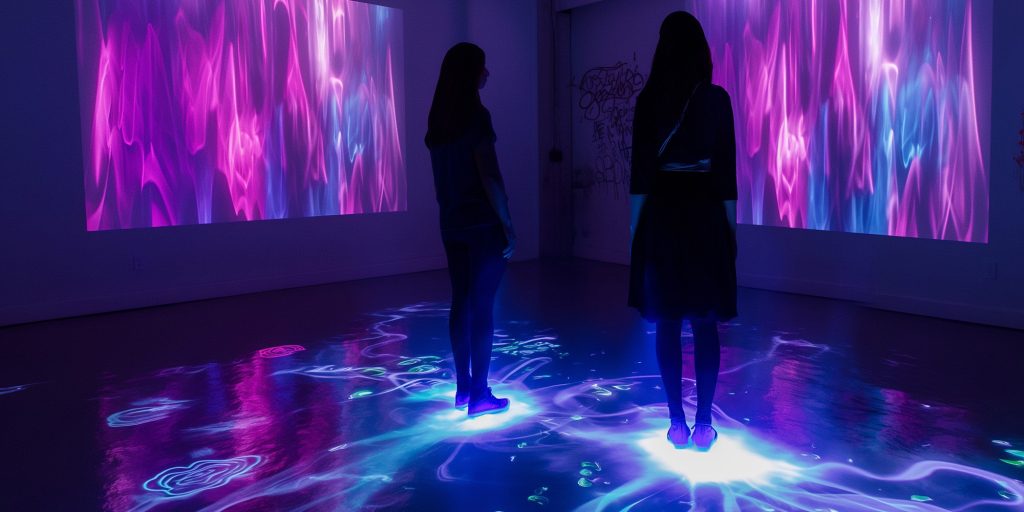
- Site-specific installations that blend performance with the surrounding space.
Each of these formats serves to deepen the connection between the audience and the narrative, allowing individuals to participate on their own terms. For instance, in interactive theater productions like “Sleep No More,” audience members don masks and are free to wander through the performance space, observing different scenes unfold in various rooms. This format not only makes spectators feel as though they are part of the story but also allows for unique experiences tailored to individual choices.
Similarly, virtual reality (VR) has taken performing arts to another level by offering immersive experiences that were once unimaginable. Productions like “The Under Presents” merge live performance with VR technology, creating a fascinating hybrid that draws in both fans of theater and gaming. Participants can interact with the virtual environment and performers, breaking new ground in storytelling and engagement.
Lastly, site-specific installations further enhance the artistic experience by drawing on the uniqueness of a location. For instance, the work of famed choreographer Bill T. Jones, who has created live dances in unconventional settings, encourages the audience to witness how the space influences the performance. This method not only showcases the artistry but also invites audiences to contemplate their own relationship with the environment around them.
Emotional Connections and Artistic Expression
These evolving formats create new layers of emotional connection and artistic expression. The use of technology and innovative storytelling techniques enhances audience engagement, paving the way for a unique dialogue between performers and viewers. This interactive discourse compels audiences to rethink their roles within this dynamic ecosystem, as they transition from mere spectators to active participants.
In summary, as the performing arts continue to explore these new dimensions, the potential for more profound connections and enriched experiences increases. As these immersive formats gain traction, they challenge traditional norms and open up exciting avenues for artistic exploration, ultimately pushing the boundaries of how stories are told and how audiences relate to them. It’s a thrilling time for both artists and audiences, inviting everyone to step into a new realm of creative expression.
DISCOVER MORE: Click here to learn how social media influences homemade cooking
The Transformation of Engagement in Performing Arts
As the performing arts evolve, the way artists and audiences interact is experiencing a seismic shift. With traditional performance formats increasingly seen as outdated, innovative practices in immersive experiences are rapidly gaining prominence. These changes serve not only to enhance the richness of the artistic experience but also to redefine the relationship between the audience and the artist. This evolution addresses a fundamental question: How does participatory involvement transform the way stories are told and consumed?
Encouraging Audience Agency
At the core of this transformation lies the concept of audience agency—an idea that is gaining traction in contemporary theater, dance, and performance art. Rather than merely receiving content, audiences are now invited to actively shape their experiences. This shift is captured in a range of creative initiatives that encourage spectators to step into the spotlight alongside the performers. The impact is profound. Here are some transformative approaches that exemplify this trend:
- Immersive Storytelling: Productions such as “Then She Fell” allow audiences to roam through intricately designed spaces, interacting with performers, and experiencing the narrative in a way that feels uniquely theirs.
- Participatory Workshops: Events that integrate audience-driven workshops into the performance process empower attendees to contribute ideas, thereby cultivating a sense of ownership over the final outcome.
- Augmented Reality (AR): By using AR technology, performances can transcend physical limitations, inviting audiences to engage with digital layers of storytelling embedded within the live experience.
This newfound sense of agency enhances emotional engagement. Audiences who participate in the unfolding of a narrative are more likely to resonate with its themes and messages. For instance, in the immersive production “Puppet Show,” viewers have the opportunity to manipulate elements of the set, directly influencing the storytelling. This interactive nature establishes a connection that is much deeper than that of a passive spectator.
The Role of Technology in Fostering Connection
As technology plays an increasingly essential role in facilitating these immersive experiences, it also prompts audiences to explore their emotional connections with artistry. Virtual reality has opened new frontiers, where viewers can not only watch but also inhabit the worlds being brought to life. Innovators like Sasha Waltz have seamlessly integrated dance and technology, enabling audiences to become part of the choreography rather than simply observing from the sidelines.
Moreover, through the lens of augmented reality and artificial intelligence, the definitions of who is a performer and who is the audience continue to evolve. These advancements allow for new forms of collaboration between creators and viewers, often fostering a narrative that reflects the interactive dynamics of the present-day world.
In conclusion, the ever-changing landscape of the performing arts illustrates an exciting paradigm shift. As artists leverage immersive and interactive strategies, audiences are transformed from passive observers into integral participants in the creative process. With each newly unfolding experience, the boundaries of performance and audience engagement are stretched to their limits, paving the way for richer, more impactful storytelling that resonates deeply on personal and collective levels.
Performing Arts and Immersive Experiences: Redefining the Relationship between Audience and Artist
As the landscape of performing arts evolves, it becomes increasingly clear that immersive experiences are not merely a trend but a fundamental shift in how art is perceived and consumed. These experiences allow audiences to step beyond the passive role of spectatorship, actively participating in a narrative where their choices can alter outcomes, thus redefining traditional dynamics between artists and viewers. By breaking the fourth wall, creators invite exploration and interaction, fostering deeper connections with the content being presented.
This transformation not only enhances the emotional resonance of performances but also opens new avenues for storytelling methods. For instance, technology integration, such as virtual reality and augmented reality, has emerged as a powerful tool in these immersive experiences. It allows artists to craft elaborate worlds where participants can navigate through alternate realities, further engaging the senses and mental faculties.
Moreover, audiences now crave not only entertainment but also personal relevance in their artistic endeavors. This new relationship is shaped by communal participation, inviting collaboration and input that enrich the creative process. Artists, in turn, respond to this desire by crafting works that resonate on personal and collective levels, leading to unique perspective-sharing, where art becomes a reflection of communal narratives.
As the definition of audiences expands to include active participants in their artistic journey, the implications for both performing arts professionals and attendees are profound. Artists are charged with the demand to innovate continually, while the audience seeks multifaceted experiences that stimulate and challenge their perceptions.
| Advantages | Key Features |
|---|---|
| Enhanced Engagement | Audiences experience a deeper emotional connection through active participation. |
| Innovative Storytelling | Integration of technology like VR/AR transforms traditional narratives into interactive journeys. |
The shift towards immersive experiences signifies not just an artistic evolution but a necessary re-evaluation of the audience’s role, suggesting that the future of performing arts lies in its ability to adapt to these changing dynamics. This ongoing dialogue between creators and their audiences continues to redefine artistic expression, paving the way for a more interconnected cultural landscape.
DISCOVER MORE: Click here to dive deeper
Redefining Artistic Boundaries through Collaboration
The immersive potential of performing arts not only reconfigures audience engagement but also expands the scope of creativity itself by fostering collaboration among artists from diverse disciplines. This cross-pollination of ideas encourages a reimagining of how stories are crafted and presented. In such collaborative frameworks, performers, visual artists, musicians, and technologists work together to create multi-sensory experiences that engage audiences in previously unimaginable ways.
Collective Creation as a Pathway
Examples of collective creation abound in the contemporary performing arts landscape, with many productions embracing an ethos of collaboration. Companies like The Wooster Group and The Builders Association blend theater, video, and technology to create works that challenge conventional storytelling methods. These projects invite audience members not just to watch but to connect with the arts in a meaningful way. Audiences may find themselves influenced by the very processes that shape the narrative, as choreographers, playwrights, and musicians share their inspirations and approaches.
One notable project, “The Secret Life of Objects,” engaged local communities in the crafting of narrative elements, allowing residents to share personal stories tied to everyday objects. This participatory model blends oral history with performance, creating a rich tapestry of experiences that celebrates individuality while building community bonds. As a result, audiences come to see themselves as co-creators, affirming their roles within the creative ecosystem.
Shifting Perspectives on Authorship
As audience members increasingly engage with the performance, the concept of authorship within the arts also undergoes transformation. In immersive experiences, the traditional roles of writer, director, and performer are often blurred. Artists such as Ryoji Ikeda and Complicité utilize technology and audience interaction to challenge the very essence of narrative control. Audiences not only experience the story but shape its direction through their decisions and feelings—a phenomenon that begs the question of who really ‘writes’ the experience?
This consideration of collective authorship influences how institutions approach art and culture. Museums and theater companies in cities across the U.S., like the Brooklyn Academy of Music and the Center Theatre Group in Los Angeles, are adapting their offerings to accommodate participatory formats. These institutions collaborate with local communities, allowing for dynamic performances that reflect the diverse voices of contemporary society.
Challenges and Opportunities Ahead
While the integration of immersive experiences in the performing arts offers exciting possibilities, it is essential to recognize the challenges that accompany this shift. Artists must navigate issues surrounding accessibility and inclusivity, ensuring that immersive environments are welcoming to all. Discussions about equity within the shared creative space often arise, emphasizing the importance of diverse representation in artistic collaborations.
Moreover, as technology continues to evolve, artists are faced with the challenge of using it in ways that enhance rather than detract from human connection. Striking this balance requires ongoing experimentation and dialogue among artists, audiences, and technologists. Events such as the annual Digital Art Week provide platforms for these discussions, showcasing innovative projects that explore the relationship between performing arts and immersive technologies.
With those challenges come rich opportunities for exploration, inviting both artists and audiences to engage in conversations about the future of creativity. As the lines continue to blur between creation and consumption, the performing arts stand poised to redefine their relevance in a rapidly evolving society.
DISCOVER MORE: Click here to delve into the emotional artistry of culinary dishes
Conclusion: The Future of Engaged Storytelling
The intersection of performing arts and immersive experiences is nothing short of revolutionary, paving the way for a new era in which the audience’s role transcends mere observation. As seen in the examples of collaborative projects and shifting notions of authorship, there is a palpable movement toward embracing collective creativity. This evolution accommodates the diverse narratives of contemporary society, empowering individuals to partake in the artistic process and reshape the very fabric of storytelling.
Furthermore, the challenges of accessibility, inclusivity, and technological integration serve as both obstacles and catalysts for innovation. Artists and institutions must engage in ongoing dialogues about these themes to ensure that the performing arts remain a space for all voices. Events like Digital Art Week exemplify the proactive stance that the community is taking to explore how technology can enhance, rather than hinder, authentic connections.
Ultimately, the redefined relationship between audience and artist not only enriches the performing arts landscape but also invites a broader societal conversation about shared human experiences. As immersive technologies continue to advance, they hold the key to deepening this connection, offering a glimpse into a future where art can reflect and respond to the community’s heartbeat. Thus, the journey towards redefining the essence of creativity is just beginning, ushering in a realm of possibilities that both artists and audiences can explore together.