The Influence of Colors on Artistic Expression: How Emotional Palettes Transform Creation
The Role of Color in Art
Colors are not merely visual elements; they are powerful tools that artists wield to communicate, express, and connect with their audiences. Each color carries its unique significance, which is vital for enhancing artistic expression. In the world of art, the strategic use of color can transform an ordinary canvas into an extraordinary emotional narrative.
Emotional Resonance
Different colors evoke specific emotions, making their selection integral to the artistic process. Warm colors like red and orange are often associated with intense feelings. For example, red may evoke passion or love, as seen in works like Marc Chagall’s “The Lovers,” where the vibrant hues forge an unbreakable bond between the subjects. On the other hand, cool colors such as blue and green tend to promote tranquility and comfort. A classic example is Claude Monet’s “Water Lilies,” where soft blues and greens create a serene atmosphere representative of natural peace.
Cultural Significance
Colors carry varying meanings across cultures, which artists are often keenly aware of when creating their work. In the United States, white frequently symbolizes purity and innocence, as observed in wedding ceremonies. Conversely, black is commonly associated with mourning, reflecting the somber tone of loss. Such cultural associations can greatly influence a viewer’s interpretation and emotional response to a piece of art. For instance, Jean-Auguste-Dominique Ingres’ “La Grand Odalisque” uses blue and gold to convey luxury, yet the black background subtly evokes a sense of mystery surrounding the figure.
Visual and Psychological Impact
The visual and psychological impact of color is profound in shaping our experiences. Bright colors can indeed energize a space and stimulate creativity. Artists like Wassily Kandinsky used bold colors to evoke energetic movement, as illustrated in his piece “Composition VII,” where vivid hues interact in a dizzying symphony of form. Contrastingly, more muted tones have the power to instill a sense of calmness. Take, for example, the works of Edward Hopper, where subdued colors help convey themes of solitude and introspective loneliness, infusing viewers with a contemplative mood.
As artists draw from their personal experiences, they harness emotional palettes to create works that tap into universal themes. The translation of specific colors into feelings and ideas allows us to uncover the transformative power of color in the creative process. Understanding color theory can also deepen our appreciation of art, encouraging us to engage more fully with the emotional landscapes depicted within each piece.
In conclusion, the interplay of colors fosters a dialogue between the artist and the audience. Whether through emotional resonance, cultural significance, or visual impact, colors are essential in inviting viewers into a multifaceted world of artistic expression, urging us to not only observe but to experience art on a deeper level.
DIVE DEEPER: Click here to uncover how social media shapes creative hobbies
The Psychology of Color in Artistic Creation
Understanding the psychology of color is essential for both artists and viewers alike. Colors affect not just how we perceive art but also how we emotionally respond to it. Psychological studies have demonstrated that color influences mood, behavior, and even physiological reactions, creating a profound connection between the art and its audience. For instance, studies indicate that exposure to warm colors can increase heart rates, symbolizing excitement and energy, whereas cool colors often lead to decreased heart rates and a sense of calm.
Color Theory and Its Application
Artists often utilize color theory to enhance their emotional expression. Color theory encompasses the principles that govern how colors interact and influence one another. The color wheel serves as a foundational tool, categorizing colors into primary, secondary, and tertiary shades, as well as complementary and analogous colors. Through this framework, artists can create dynamic visual experiences. Here are some key aspects of color theory that help artists convey emotional depth in their works:
- Warm vs. Cool Colors: As noted earlier, warm colors like red, yellow, and orange often generate feelings of excitement or warmth, while cool colors like blue, green, and violet can evoke calmness and serenity.
- Complementary Colors: Utilizing contrasting colors can lead to striking effects, emphasizing certain elements of a piece. For example, the vibrant juxtaposition of orange and blue can draw the viewer’s eye and add drama.
- Hue, Saturation, and Brightness: Variations in a color’s hue, saturation, and brightness can significantly alter its emotional impact. A muted color palette may communicate restraint or melancholy, while bright, saturated hues can elicit joy and vitality.
The Intention Behind the Palette
Artists often choose their color palettes intentionally, driven by the emotional core of their creations. Each brushstroke, contour, and hue is a deliberate choice that shapes the viewer’s experience. For instance, the emotional weight conveyed in Edvard Munch’s “The Scream” is significantly amplified by the intense reds and blacks dominant in the artwork, drawing viewers into the subject’s palpable anxiety. Similarly, contemporary artist Yayoi Kusama often utilizes dot patterns in vibrant colors to reflect her mental state, challenging audiences to engage with her psychological landscape.
Exploring an artist’s emotional palette leads us to recognize how life experiences shape their choices. Cultural symbols and personal narratives intricately intertwine with color selection, resulting in unique expressions that speak to universal themes like love, loss, joy, and despair. By understanding these elements, one can appreciate the deeper meanings embedded within artistic works and the artistry behind their creation.
In essence, the correlation between colors and emotions is a vital component of artistic expression. The ability to channel specific feelings through color not only enhances the art itself but also invites viewers to embark on an emotional journey, bridging the gap between creator and observer.
The Influence of Colors on Artistic Expression
Art has always been a mirror reflecting the nuances of human emotions, and colors play an integral role in this mesmerizing dialogue. The carefully chosen hues can evoke memories, stir emotions, and even provoke thoughts. When artists consciously select colors for their canvases, they tap into an emotional palette, creating a profound connection with the audience that transcends words. Color theory emphasizes the psychological effects of colors, where each hue can invoke specific feelings. For instance, warm colors like red and orange can inspire feelings of passion and energy, while cooler tones such as blue and green often bring about tranquility and calmness. Moreover, artists often utilize contrasting colors to create tension or harmonizing colors to cultivate peace, showcasing the versatility of their emotional palettes. The modern artist, equipped with this understanding, experiments courageously with vibrant combinations to challenge conventional perspectives. A painting that juxtaposes intense reds against serene blues can ignite a dialogue on the inner turmoil associated with love and loss. Similarly, the use of monochromatic schemes can lead viewers into a deep emotional reflection of isolation or unity.Additionally, colors have cultural connotations, enriching the narrative within artistic expressions. An artist from a warm climate might lean towards a palette filled with saturated tones, mirroring their landscape, while those from cooler regions might embrace softer, muted colors. Engaging with these emotional palettes not only allows artists to convey unique narratives but empowers them to connect deeply with viewers. As audiences navigate through the colorful footprints left by artists, they find pieces of their own experiences woven into the intricate fabric of the artwork. Exploring the influence of colors on artistic expression opens a gateway to understand the aesthetics more profoundly. It encourages one to reflect on personal emotional reactions to different hues and the stories they tell, transforming mundane viewing into an immersive experience that resonates within our hearts and minds. Now, let’s take a closer look at the distinct advantages various colors provide in artistic creation through the following table.
| Category | Advantages of Emotional Palettes |
|---|---|
| Expression of Emotion | Colors convey complex emotions effectively, inviting viewers to feel. |
| Cultural Resonance | Colors can reflect cultural beliefs and social paradigms, enhancing context. |
DIVE DEEPER: Click here to discover the evolution of culinary techniques
The Cultural Significance of Color in Art
Colors carry cultural meanings that can dramatically influence artistic expression. Different cultures interpret colors in various ways, and artists often tap into these associations to communicate specific messages or invoke particular feelings. In many Eastern cultures, for instance, red symbolizes good fortune and joy, while in some Western contexts, it may signify danger or aggression. Understanding these cultural perspectives can enrich one’s appreciation of artwork and its emotive power.
Iconography and Symbolism
Artists often leverage color symbolism to embed deeper significance within their works. Iconographic analysis reveals how certain colors are used to convey messages rooted in historical and social contexts. For example, in Christian art, blue often represents the divine, frequently used in depictions of the Virgin Mary, while the color green may symbolize eternal life, as seen in illustrations of paradise.
Famous works such as Picasso’s Blue Period paintings utilize varying shades of blue to express themes of sorrow and melancholy. Conversely, his Rose Period employs warm tones to evoke feelings of warmth and love. This dramatic shift in palettes illustrates how color not only serves personal expression but also reflects broader societal issues and emotional climates of the time.
The Evolution of Color Usage in Art Movements
Throughout art history, the use of color has evolved, often influenced by technological advancements or shifts in artistic philosophy. The Impressionist movement marked a significant departure from traditional approaches. Artists like Claude Monet began to emphasize how light interacts with color, resulting in vibrant renditions of natural scenes. Their innovative use of color not only transformed the visual language of art but also mirrored a growing emphasis on personal experience and perception.
Moreover, modern and contemporary artists have embraced bold and unconventional color palettes that reflect their unique emotional landscapes. The works of artists such as Mark Rothko and Jackson Pollock illuminate how emotional palettes can serve as a vehicle for expression, using layers of color to engage the viewer on both intellectual and visceral levels. Rothko’s color fields invite contemplation and evoke deep emotional responses, showcasing how color can transcend representational forms to impact the viewer’s psyche.
The Role of Color in Performance Art
While much of the discussion centers around visual arts, the influence of color extends to performance art as well. The choice of costume colors and stage lighting can completely alter the mood of a performance. For instance, the use of intense reds and blacks in a theatrical setting can heighten tension, while soft pastels might foster a sense of tranquility. Artists such as Marina Abramović incorporate color strategically to enhance emotional depth, pushing audiences to confront their feelings and engage with the performers on a deeper level.
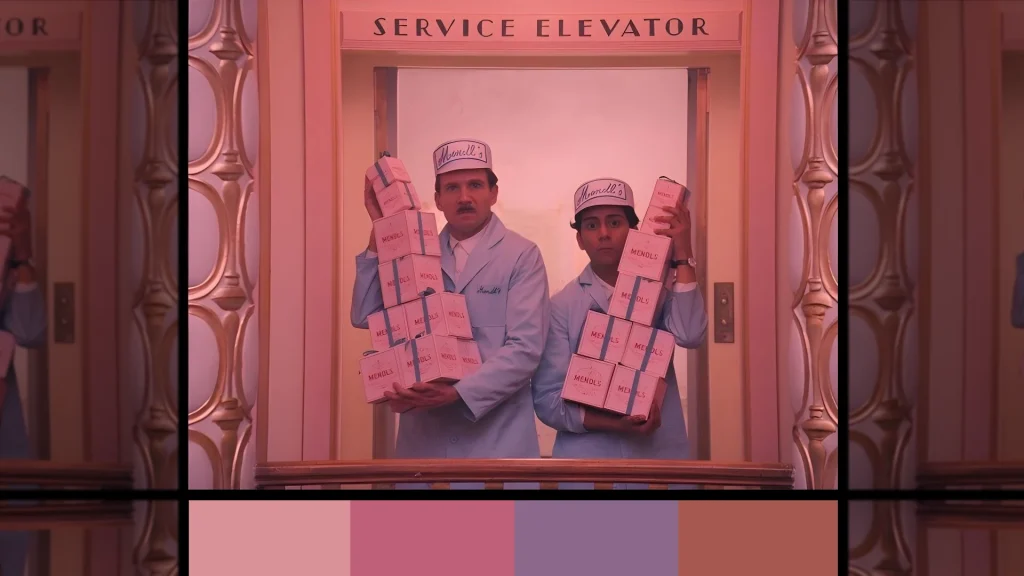
In the realm of film, directors carefully select color palettes to create atmospheres that resonate with the storyline. Cinematic masterpieces such as “The Grand Budapest Hotel” employ distinctive color schemes to enhance narrative tones, ensuring that viewers undergo a profound emotional journey in alignment with the characters’ arcs. Through effective color usage, filmmakers can evoke a plethora of emotions, seamlessly guiding audiences through the intended emotional experience.
This multifaceted approach to color in various artistic disciplines showcases its significant role in shaping emotional expression, offering a rich tapestry of experiences for both creators and viewers.
DIVE DEEPER: Click here to uncover the art of culinary presentation
Conclusion: The Universal Language of Color in Art
In exploring the influence of colors on artistic expression, it becomes evident that emotional palettes serve as a powerful conduit between the artist and the viewer. Colors do not merely decorate a piece; they imbue it with meaning, making the emotional landscape of the artwork resonate deeply within us. From the profound symbolism of colors across cultures to their evolution within various art movements, it is clear that both the historical context and personal experiences of artists shape how colors are harnessed to convey emotions and tell stories.
Furthermore, the integration of colors in different artistic disciplines—be it visual art, performance art, or film—illustrates an interconnectedness that enriches our understanding of emotional expression. As we reflect on iconic examples, such as the contrasting hues of Picasso’s Blue and Rose Periods or the strategic color palettes employed in contemporary films, we recognize that the careful selection of color can significantly influence our emotional reactions and interpretations of an artwork.
Ultimately, color remains a universal language, transcending barriers of culture and time. By delving into the multifaceted roles that color plays in artistic expression, we invite ourselves to engage with art on a deeper level and appreciate the intricate relationship between emotion and creation. For artists and viewers alike, understanding and utilizing the emotional power of color can transform the way we create and experience art, opening new pathways to explore the complexities of human feelings and experiences. This invites ongoing dialogue and discovery, challenging us to see creativity through the vibrant lens of color.