The Art of Improvisation: How Spontaneous Artistic Expression Can Stimulate Creativity and Self-Confidence
The Transformative Power of Improvisation
In a world saturated with rigid structures and predictable routines, finding avenues for spontaneous creativity can profoundly impact personal growth and artistic expression. Improvisation serves as a liberating force, allowing individuals to venture into the unknown and draw upon their intuition, thereby generating fresh ideas and perspectives.
One key aspect of engaging in improvisation is the enhanced creativity it fosters. When individuals abandon the need for perfection and control, they often unlock unconventional pathways to innovation. For example, in a musical jam session, a guitarist might deviate from the established melody, inspiring fellow musicians to explore new rhythmic patterns and genres. This mutual exchange can result in an electrifying combination of styles that may not have emerged in a more structured setting.
Another vital benefit of improvisation is building self-confidence. By participating in spontaneous activities, individuals confront their fears and vulnerabilities, leading to a robust belief in their creative abilities. For instance, improvisational theatre workshops allow actors to step outside their comfort zones, pushing them to perform in front of others without a script. This ability to adapt and react on the spot cultivates not only talent but also resilience for future artistic endeavors.
Improvisation also provides a unique platform for emotional expression. When words fail, art offers a potent outlet for feelings that may remain unspoken. For instance, in dance improvisation, participants use movement to convey a spectrum of emotions, from joy to sorrow, providing a cathartic release that can enhance mental health and overall well-being.
Moreover, improvisational practices extend beyond artistic realms into everyday life. Stand-up comedians utilize improv techniques to engage their audiences, responding in real-time to reactions and creating humor that resonates deeply. Similarly, collaborative workshops in corporate settings often employ improvisational exercises to foster teamwork and creative problem-solving among employees. These activities not only stimulate innovative thinking but also enhance communication and camaraderie within teams.
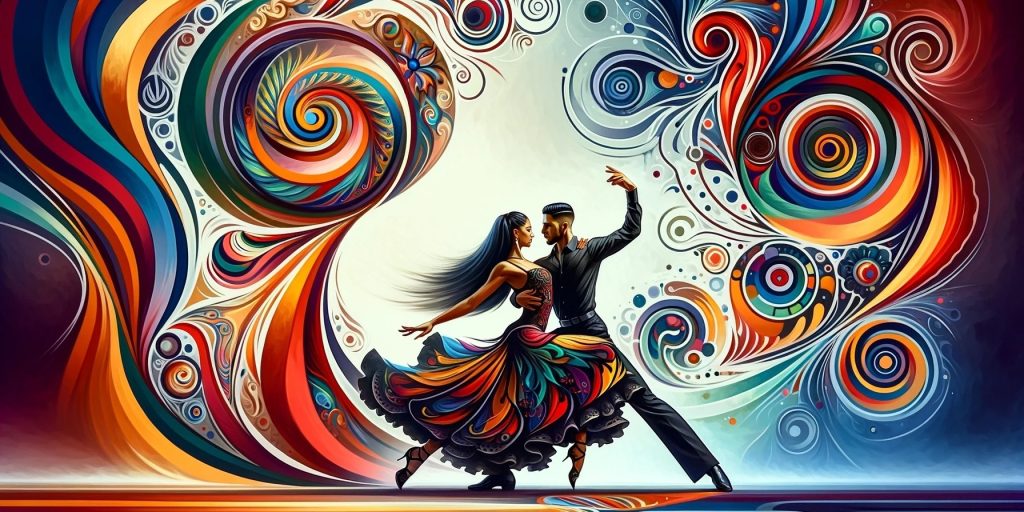
In the world of performing arts, theater games are foundational for actors seeking to develop their craft. Through various improvisational exercises, they explore character nuances and spontaneous storytelling, enriching their performances and enhancing audience engagement.
As interest in creativity continues to rise across disciplines, the significance of improvisation grows increasingly evident. By embracing this art form, individuals may not only refine their artistic skills but also cultivate a deeper sense of self-expression and confidence. The journey of exploring improvisation can lead individuals into uncharted territories, equipping them with the tools to navigate both their personal and artistic lives more authentically.
DIVE DEEPER: Click here to learn more
Unlocking Creativity Through Spontaneity
Improvisation invites individuals into a realm of endless possibilities, where the act of creation becomes an exhilarating journey. This approach to artistic expression emphasizes the importance of spontaneity, challenging conventional techniques that often emphasize careful planning and execution. By engaging in improvisational practices, artists across disciplines can create a rich tapestry of innovation and exploration, as they tap into the essence of their unique voices.
One of the most significant benefits of improvisation is its ability to foster creative freedom. When individuals choose to let go of predefined expectations, they grant themselves the liberty to explore new avenues of expression. The spontaneous nature of improvisation encourages artists to work with the first ideas that come to mind, often leading to unexpected and delightful outcomes. Here are a few ways in which improvisation promotes creativity:
- Breaking routine: Stepping outside familiar patterns helps to stimulate fresh thought processes, unlocking pathways to innovative ideas.
- Encouraging exploration: The absence of a strict framework allows artists to experiment without the fear of making mistakes, ultimately leading to rarities and hidden gems in their work.
- Enhancing adaptability: Improvisational activities train the mind to adjust and pivot quickly, a skill that proves invaluable in both artistic and real-life situations.
Moreover, this artistic practice advocates for the importance of collaboration. Whether it involves musicians jamming together, actors on stage engaging in impromptu scenes, or visual artists creating collectively, improvisation breeds synergy among its participants. This collaborative dynamic can elicit a sense of community and inclusivity, as artists support each other in their explorations.
As individuals become more attuned to the improvisational process, they often find themselves gaining a richer understanding of their own creative identities. With each spontaneous act, the innate voice and unique style of the creator begin to emerge. This period of discovery is not limited to artistic realms; instead, it fosters self-exploration and awareness that translates into increased self-confidence.
Throughout this journey, the ability to embrace uncertainty becomes foundational. In a culture where achievement and success are frequently tied to external validations, improvisation allows individuals to celebrate the process rather than fixate on the outcome. This shift in perspective helps them recognize that authenticity and personal satisfaction in their creations far outweigh societal pressures.
Ultimately, engaging in improvisation not only stimulates creative development but also nurtures an individual’s self-confidence, enabling them to view challenges and spontaneous opportunities as avenues for growth rather than obstacles. By appreciating the beauty in unpredictability, one can uncover the art of improvisation as not just an enriching creative endeavor but a life skill that holds the potential to transform both personal journeys and artistic expressions.
| Advantage | Description |
|---|---|
| Enhanced Creativity | Engaging in improvisational art breaks traditional boundaries, allowing the mind to explore new avenues of thought, leading to increased innovation and imaginative solutions. |
| Boosted Self-Confidence | Taking risks through spontaneous expression fosters resilience and self-assurance as individuals discover their unique style, enhancing their overall self-esteem in personal and professional spaces. |
Exploring the Art of Improvisation invites individuals to embrace uncertainty and spontaneity, fundamental components that not only foster creativity but also nurture one’s self-confidence. The notion of allowing the instinctive drive to guide one’s artistic expression proves liberating, blurring lines that often inhibit innovation. For instance, engaging in activities such as improvisational theater or freeform painting encourages participants to express emotions without the pressure of perfection. This process allows artists to tap into their inner creativity, unearthing perspectives and insights that conventional methods often overlook.Moreover, the journey of improvised art acts as a vital confidence builder, where each creation becomes a reflection of an individual’s evolving identity. By embracing mistakes as part of the artistic process, individuals learn to appreciate their unique contributions, which can significantly influence their interactions beyond the canvas—ultimately enriching personal and professional relationships alike.With these benefits in mind, the collective experience of spontaneous artistic expression surely stands as a transformative practice for anyone seeking to cultivate a deeper sense of creativity and self-worth.
DIVE DEEPER: Click here to learn more
The Impact of Improvisation on Personal Growth
Improvisation serves as a powerful catalyst for personal growth and development. As individuals dive into the world of spontaneous artistic expression, they not only embrace creativity but also embark on a transformative journey. This journey is fundamental for personal development and can significantly enhance self-confidence. Through the practice of improvisation, people are often pushed out of their comfort zones, allowing them to confront their fears and uncertainties.
One of the primary outcomes of engaging in improvisational activities is the cultivation of a growth mindset. According to psychologist Carol Dweck, a growth mindset embraces challenges, perseveres through setbacks, and finds inspiration in the success of others. Improvisation inherently encourages this way of thinking. For instance, musicians often face unpredictable situations when performing live, leading them to adapt and respond creatively on the spot. This adaptability reinforces their belief in their abilities and encourages them to tackle new challenges with a robust mindset.
Moreover, improvisation nurtures emotional intelligence. The practice requires artists to be in tune with their emotions and those of their peers, creating a heightened awareness of interpersonal dynamics. This heightened emotional acuity can translate into improved communication skills and greater empathy, attributes that are invaluable in both personal and professional relationships. Actors, for example, must read their scene partners’ cues and respond dynamically, honing their ability to connect and collaborate harmoniously.
In addition to emotional intelligence, improvisation fosters resilience. The unpredictable nature of spontaneous creation can lead to moments of success and failure alike. Artists who embrace improvisation learn to navigate both ends of the spectrum gracefully. According to a study published in the Journal of Creative Behavior, resilience is directly linked to creativity. The more an individual bounces back from mistakes during improvisation, the more likely they are to produce innovative ideas. This inherent resilience not only boosts creative capabilities but contributes positively to overall mental well-being.
The lessons learned through improvisation can have significant implications in various professional fields. In business environments, for instance, the ability to think on one’s feet and creatively tackle unexpected challenges is invaluable. Workshops that incorporate improvisational techniques are now being utilized in corporate settings to enhance team dynamics and encourage innovative thinking. Such initiatives highlight the versatility of improvisation, not only in the arts but in everyday life scenarios as well.
Furthermore, the role of improvisation in education cannot be overlooked. In classrooms, educators are increasingly integrating spontaneous artistic activities to foster creativity among students. This pedagogical approach encourages students to express themselves without the fear of judgment, helping to cultivate a healthy self-image and boosting their confidence. Research from the National Endowment for the Arts suggests that children engaged in creative and improvisational activities show higher levels of self-esteem and academic performance.
Ultimately, the art of improvisation weaves a connection between creativity and personal development. As individuals explore this artistic avenue, they unlock not only their creative potential but also cultivate essential life skills. Embracing improvisation strengthens self-confidence, nurtures emotional intelligence, and promotes resilience, empowering individuals to face the uncertainties of life with grace and creativity. This powerful practice transcends just the artistic realm, influencing various aspects of life and personal growth.
DISCOVER MORE: Click here to learn about eco-friendly craft materials
Conclusion: The Transformative Power of Improvisation
In summary, the art of improvisation stands as a vital force in enhancing both creativity and self-confidence. As individuals engage with spontaneous artistic expression, they unlock a myriad of personal growth opportunities, fostering a growth mindset that transcends artistic boundaries. The lessons learned through such practices not only empower individuals to embrace challenges but also cultivate resilience and adaptability in the face of adversity.
The rich interplay between improvisation and emotional intelligence cannot be overstated; as artists learn to navigate their own emotions and those of others, they enhance their interpersonal skills and develop deeper relationships. In both personal and professional contexts, these skills translate to greater collaboration, improved problem-solving abilities, and heightened creativity. Moreover, the relevance of improvisation stretches beyond the performing arts into business, education, and everyday life, providing useful tools for spontaneous thinking and innovative solutions.
As we continue to explore the transformative power of improvisation, it becomes clear that fostering an environment that values spontaneous expression can lead to a society richer in creativity and self-assurance. Whether you’re an educator, a business leader, or an aspiring artist, embracing improvisation opens the door to new possibilities, encouraging everyone to tap into their creative potential and build a more confident self. For those ready to embark on this journey, the world of improvisation awaits—inviting you to explore its boundless potential.