Artistic Expression Techniques for Beginners: How to Find Your Style and Unleash Your Creativity
Unlocking Your Creative Potential
Exploring the world of artistic expression techniques can be an exhilarating journey, filled with both challenges and profound rewards. For beginners, finding your unique style isn’t just about mastering skills; it’s about embracing your individuality and letting your creativity flow. This journey can lead to a deeper understanding of oneself and the world around you.
In this discussion, we will dive into essential techniques that can help you discover your artistic voice. Here are some key aspects to consider:
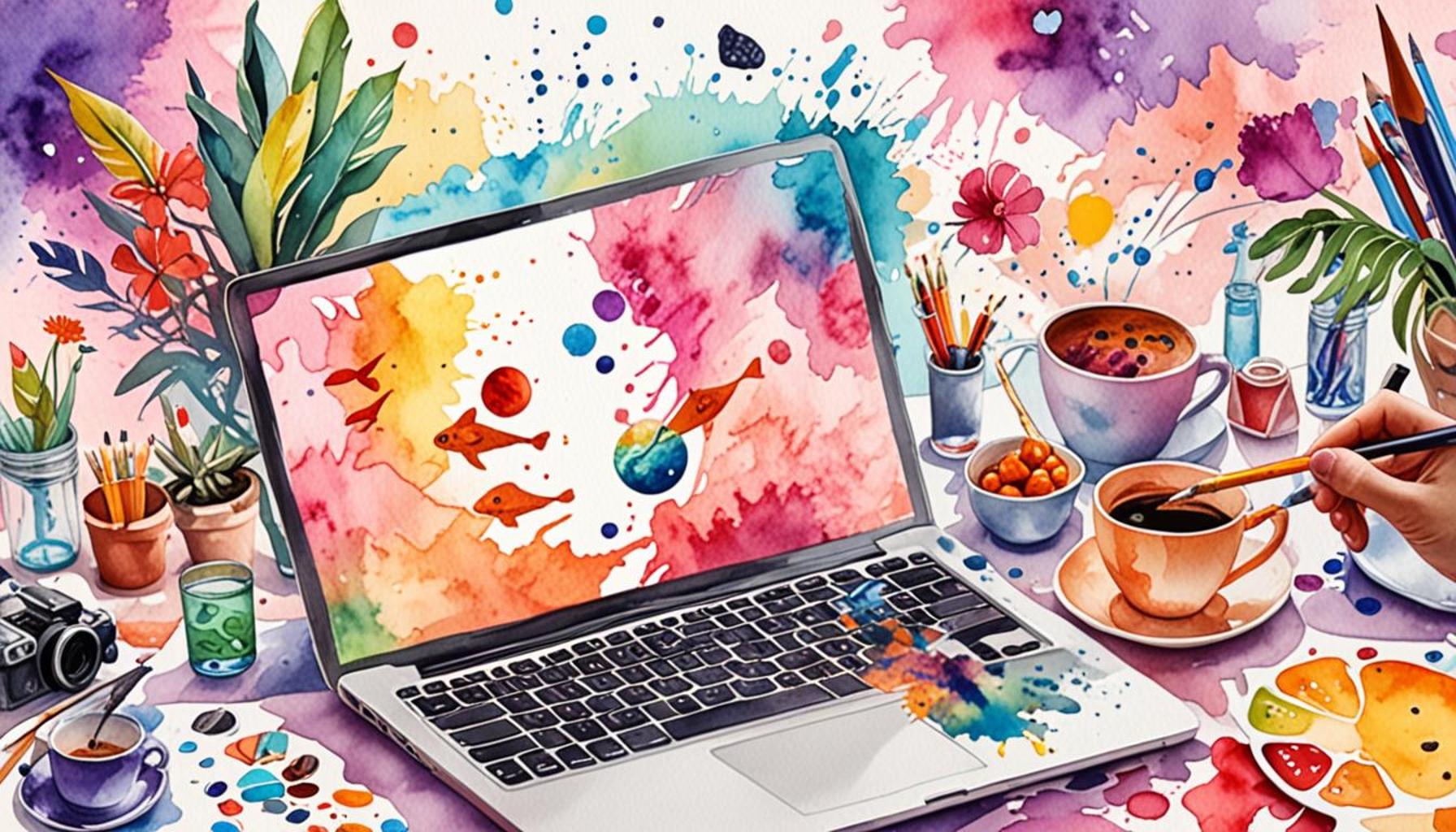
- Experimentation: One of the most exciting aspects of artistry is the freedom to explore different mediums. Whether it’s traditional painting with oils, watercolor washes, or the crisp lines of drawing pencils, each medium offers a unique way to express your thoughts and feelings. Digital art adds another layer of versatility, allowing for limitless edits and creative possibilities through technology. Many artists suggest a project like creating a piece that combines multiple mediums, perhaps a mixed media collage that integrates photographs with painted elements, to facilitate deeper creativity.
- Observation: Inspiration often lies in the mundane, waiting for you to notice. Learning from nature—like the intricate patterns on a leaf, the hustle of urban life, or the serene stillness of a quiet lake—can significantly enhance your artistic perspective. Take time to sketch everyday surroundings and note the emotions they evoke. Observing other artists, whether at local galleries in cities like New York or through online platforms such as Instagram, can provide valuable lessons in technique and style.
- Reflection: Authentic expression stems from a deep understanding of your emotions and experiences. Journaling about your daily feelings or the challenges you face can unlock new dimensions in your art. When you digest and process your thoughts, your artwork becomes not just a reflection of your skill but also a mirror of your inner world.
Finding your style isn’t a one-size-fits-all approach. It requires patience, practice, and a willingness to explore various forms of expression. Consider these initial steps:
- Practice Regularly: To grow as an artist, consistency is key. Set aside dedicated time for your art each week, free from the pressure of perfection. Consider joining local art classes or online workshops to build a routine and gain peer feedback.
- Seek Inspiration: The journey to artistic expression is enriched by exposure to diverse influences. Visiting local galleries, attending art fairs, or engaging with online art communities can provide fresh ideas and motivation. Platforms like DeviantArt or Pinterest serve as treasure troves of inspiration, showcasing a wide array of artistic styles from around the world.
- Accept Mistakes: Every artist, no matter their experience level, encounters mistakes. Viewing errors as opportunities for learning and growth can transform your creative process. Many renowned artists advocate for embracing imperfections, as they can lead to unexpected outcomes that enrich your work.
By immersing yourself in these techniques, you will undoubtedly uncover aspects of yourself that inspire your artistry and creativity. Art is not merely an outlet; it is a journey of self-discovery. Prepare to unleash potential you never knew existed and embrace the thrilling exploration of your creative capabilities!
DISCOVER MORE: Click here to dive into the future of creativity
Exploring the Canvas of Your Creativity
As you embark on your artistic journey, the first step towards discovering your unique style is to embrace the process of self-exploration. This involves stepping outside your comfort zone and diving into various techniques that can unlock new dimensions of creativity. By trying out a diverse range of artistic methods, you allow yourself to find which resonates with your personality, emotions, and thoughts. Let’s delve deeper into some practical approaches that can jumpstart your journey in artistic expression.
Artistic Techniques for Beginners
Art isn’t just about the final product; it’s about the journey you take to get there. Here are several techniques and practices that can help you uncover your personal style:
- Color Theory: Understanding the basics of color can significantly enhance your art. Study the color wheel, explore complementary and analogous colors, and experiment with mixing different hues. By integrating color theory into your work, you can evoke emotions and set the mood of your pieces. Try creating a series of works focusing solely on a specific color scheme to see how it affects your overall style.
- Gesture Drawing: This technique involves quickly capturing the essence of a subject’s form and movement. Spend 1–2 minutes on each sketch, focusing on the action rather than the details. Gesture drawing can help improve your observational skills and strengthen your ability to express movement in your art. Many local art studios often host quick-draw sessions that can be a fun way to practice.
- Mind Mapping: Start with a central idea or theme and let your thoughts flow outwards in a visual format. This can help organize your ideas and stimulate creativity. Mind maps act as a brainstorming tool, enabling you to visualize connections between different concepts. Use them before starting a project to figure out what you want to express.
- Art Challenges: Participating in art challenges, such as “Inktober” or “30 Days of Art,” can push you to create regularly, explore themes, and develop your technique. These challenges often have a collaborative element, where you can share your work with others online and gain feedback, fostering a sense of community while enhancing your skills.
To grow as an artist, remember that the path to finding your artistic voice is as important as the voice itself. Embrace these techniques with an open mind, and don’t shy away from merging different styles that inspire you. By immersing yourself in a variety of artistic practices, you will begin to see threads of your identity woven into your art, ultimately leading you towards a more personalized expression.
Nurturing Your Growth
As you engage with these techniques, it’s essential to nurture not just your skills but your mindset as well. Allow yourself to embrace risk and challenge conventional perspectives. Art is an ever-evolving discipline; by remaining open to new ideas and experiences, you will continually refine your unique identity as an artist.
The road ahead may be filled with uncertainty, but with each stroke of the brush or mark of the pencil, you are shaping your artistic journey. Prepare to explore the depth of your creativity and let your evolving style become a reflection of who you are.
Exploring your artistic expression requires not just techniques, but also a deep understanding of your personal style. This journey can sometimes feel daunting, especially for beginners. However, the process of finding your unique artistic identity can be incredibly rewarding and liberating. It’s essential to experiment with a variety of mediums and styles. Drawing inspiration from various sources such as nature, literature, or even day-to-day experiences can spark creativity and guide you on your artistic path.
Embrace Different Artistic Mediums
One effective way to discover your artistic style is by trying out different mediums. Whether it’s watercolor painting, charcoal sketching, digital art, or collage making, each medium offers distinctive possibilities and challenges. For example, watercolor painting can teach you to appreciate fluidity and spontaneity, while charcoal sketching can enhance your skills in depth and shading. Permitting yourself to freely explore these techniques without the pressure of producing a perfect outcome can nourish your creative instinct.
Develop Your Observation Skills
Art is much about seeing the world around you as it is about creating. Spend time observing your environment, from the intricate patterns of leaves to the vibrant hues of the sunset. Keeping a visual journal can be a great practice. It allows you to jot down ideas, sketch inspirations, and compile visual references, which can serve as a launching pad for your future projects. When you start to connect these observations with your personal emotions or experiences, your artwork begins to resonate with your unique perspective.
Participate in Creative Communities
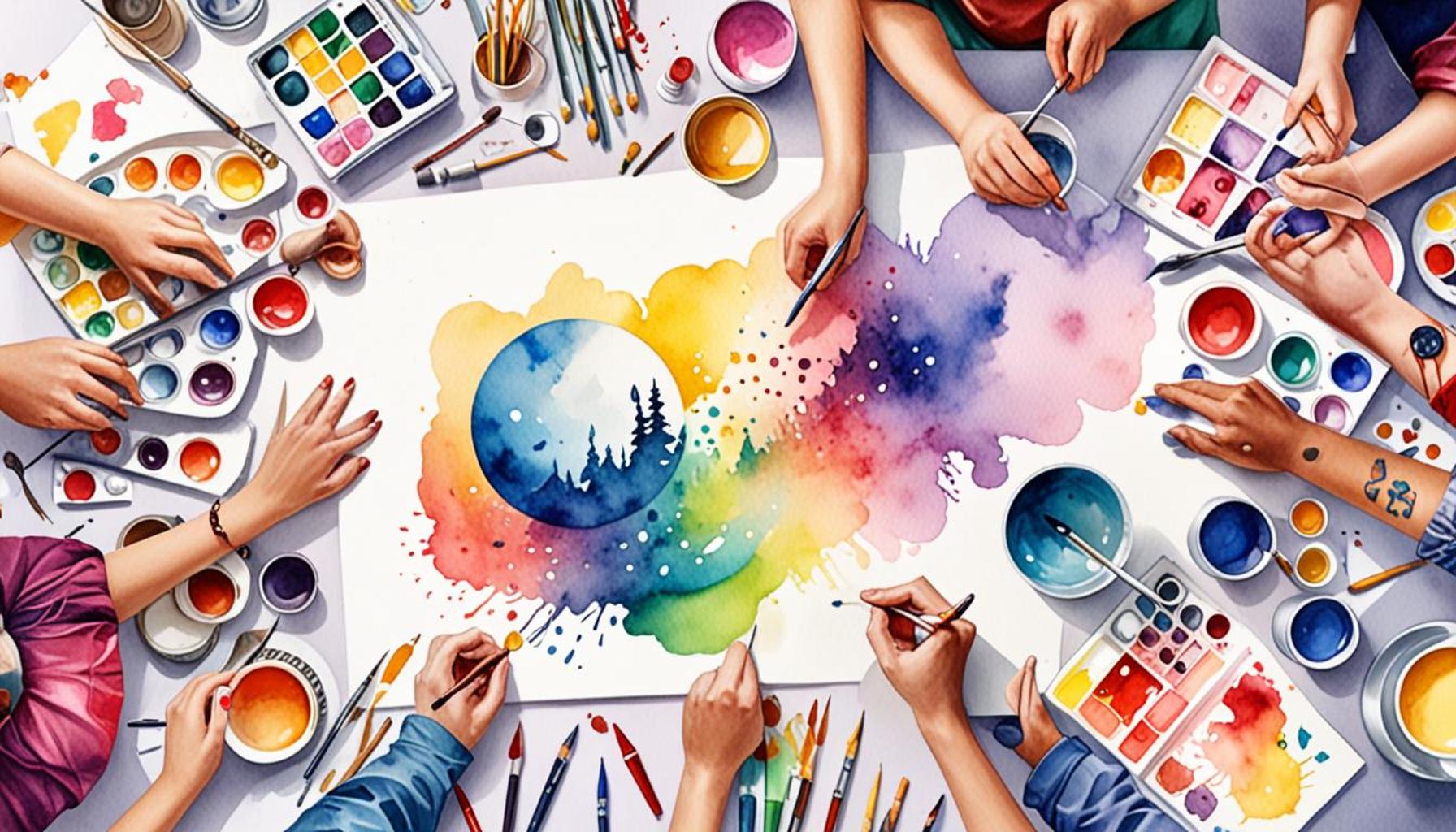
Joining artist groups or attending workshops can significantly enrich your journey. Engaging with fellow creatives can provide new perspectives, constructive feedback, and support. In addition, participating in collaborative art projects can help uncover elements of your style that you may not have realized existed. The vibrancy of community can stimulate the creative process and inspire you to push the boundaries of your expression.
| Artistic Techniques | Benefits |
|---|---|
| Experimenting with Mediums | Enhances versatility and skill development. |
| Developing Observation Skills | Deepens understanding and connection to surroundings. |
As you embark on this artistic journey, remember that the ultimate goal is to unleash your creativity and express your authentic self. Each step you take in exploring artistic expression serves not only as a building block to your skills but also a window to your personal growth. Immerse yourself in this adventure with curiosity and openness, and let your creativity flow.
DIVE DEEPER: Click here to uncover sustainable material choices
Building a Foundation Through Experimentation
One of the most crucial steps in refining your artistic expression is to prioritize experimentation. By allowing yourself the freedom to create without the pressure of perfection, you’ll discover techniques and mediums that resonate with you. This process can be liberating and will enable you to weave your personal narrative into your artwork. Here are several avenues to explore that can help cultivate your artistic foundation:
Dabble in Mixed Media
Mixed media art combines various materials and techniques, allowing you to break traditional boundaries and express yourself in innovative ways. Incorporating items like fabric, paper, or found objects with paint or pencils can yield surprising results. This technique not only encourages you to think outside the box but can also spark new ideas. For instance, consider creating a collage using magazine clippings alongside your drawings to explore how different textures and colors interact. As you experiment with mixed media, you might find that certain combinations awaken an emotional response or enhance the storytelling aspect of your work.
Work with Different Mediums
Don’t limit yourself to one medium; each offers unique qualities that may align with different aspects of your emotions or thoughts. For example, if you’re accustomed to painting with acrylics, try transitioning to watercolors, which provide a softer, more fluid experience. Conversely, exploring digital art could open a new dimension of creativity through technology. The goal is to understand how various mediums convey your feelings. Engaging in art classes or online tutorials—many of which are free—can provide guided experiences that take you beyond your current comfort zone.
Practice Observational Drawing
Often, beginners undervalue the importance of observational drawing, but it serves as an essential building block in gaining artistic confidence. Spend time drawing from life—whether it’s a vase on a table, a bustling street scene, or even a pet. This practice can enhance your ability to translate the world around you into art. Additionally, keeping a daily sketchbook can encourage routine practice, leading to noticeable improvements over time. Observational drawing strengthens your skills and helps you develop a keen eye for detail, composition, and proportion.
Join Online Art Communities
Finding your artistic style is often supported by collaboration and feedback. Many online platforms, such as Instagram, DeviantArt, and Behance, allow artists to share their work and connect with others. Participating in these communities can expose you to varied perspectives and techniques that might resonate with your vision. Engaging in constructive criticism can also elevate your work while reinforcing the idea that growth thrives within a supportive atmosphere. Many communities host challenges or themed events that can stimulate your creativity and push you to try new things.
Keep an Inspiration Journal
Inspiration can strike at any moment, so maintaining an inspiration journal will ensure you don’t lose those sparks of creativity. Capture images, sketches, quotes, or even clippings that resonate with you. This visual diary can serve as a catalyst for future projects, offering a personal reservoir of ideas from which to draw. Whenever you find yourself at a creative impasse, flip through these pages for a jolt of motivation. An inspiration journal isn’t just a collection of ideas; it’s a reflection of your artistic evolution.
Creativity flourishes in the embrace of experimentation and exploration. The key is to remain open, enthusiastic, and unafraid of making mistakes. Each attempt, whether deemed successful or not, contributes to the rich tapestry of your artistic identity.
DISCOVER MORE: Click here for insights on the evolution of craft materials
Conclusion: Embrace Your Artistic Journey
Finding your unique artistic style is an exhilarating journey rather than a destination. As we’ve explored, the path to unleashing your creativity involves delving into various techniques, from mixed media experimentation to immersive observational drawing. Each of these practices serves as a stepping stone, allowing you to discover more about your preferences, emotions, and narratives that you wish to portray through art.
By embracing diversity in mediums and actively participating in online communities, you can gather valuable insights and inspiration that will further hone your artistic vision. Your ongoing inspiration journal will not only keep the creative juices flowing but also chart your progress as you evolve as an artist. Remember, every piece of art is not just a representation of skill but a reflection of personal growth and self-discovery.
Ultimately, the most important takeaway from this exploration is to maintain a mindset of curiosity and openness. Artistic expression is inherently unique to each individual; savor the moments of experimentation, learn from the missteps, and always strive to push boundaries. Each brushstroke, every collage, and all those sketches contribute to a broader understanding of who you are as an artist. So, embark on this captivating journey of artistic exploration with an open heart, and watch as your creativity flourishes.