The Impact of Pop Culture on Contemporary Artistic Expression: Reflections on Trends and Styles
The Role of Pop Culture in Artistic Expression
Throughout history, pop culture has served as a driving force in shaping the landscape of artistic expression. The impact is manifold, penetrating various aspects of daily life and influencing a wide array of creative fields—music, fashion, visual arts, literature, and beyond. Artists often find themselves at the crossroads of trending societal narratives, using their work to both reflect and redefine cultural values.
One of the most prominent areas of influence is music. Genres such as hip-hop and pop are not just defined by their sounds; they serve as rich sources of visual inspiration. For instance, many contemporary artists draw from the aesthetics of album covers, music videos, and lyrics. A perfect example is the work of artists like Kehinde Wiley, who blends elements of hip-hop culture with traditional portraiture. His vibrant, detailed works have gained immense popularity, contributing to a broader discourse on race, identity, and artistic legacy.
Another pivotal area is fashion. The streetwear movement has transformed the boundaries between commercial fashion and fine art. Designers like Virgil Abloh, the late founder of Off-White, have blurred these lines by integrating artistic concepts into clothing designs, often collaborating with visual artists. This overlap also encourages a democractic approach to art; what was once reserved for gallery spaces is now accessible in everyday settings, with pieces showcased in both runway shows and art exhibitions.
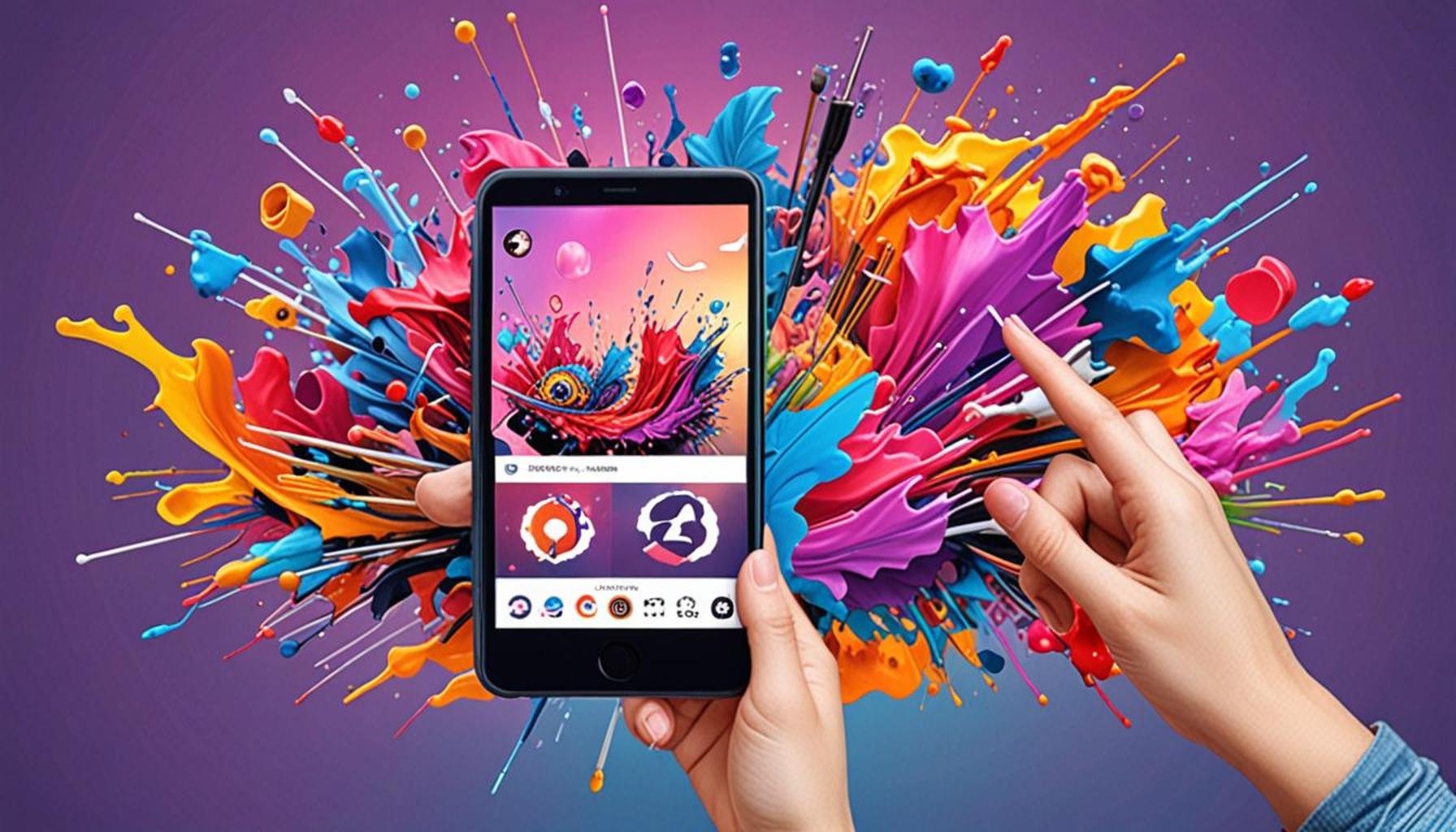
Moreover, social media platforms like Instagram and TikTok have revolutionized the way art is consumed, shared, and appreciated. The viral nature of these platforms allows artists to reach wider audiences than ever before. For example, creators can showcase their art process through short videos, garnering thousands of views and connecting with potential buyers directly, thereby bypassing traditional gallery routes. The TikTok hashtag #ArtTok has even sparked a new wave of young artists creating innovative works inspired by current trends, generating a dynamic and fast-paced landscape for artistic creation.
This intricate relationship between pop culture and contemporary art not only reflects societal norms but also challenges them. Artists today pull inspiration from various sources, often resulting in innovative styles that resonate with diverse audiences. Such creations prompt viewers to engage with complex themes like consumerism, identity, and socio-political issues, provoking valuable discussions within the art community and beyond.
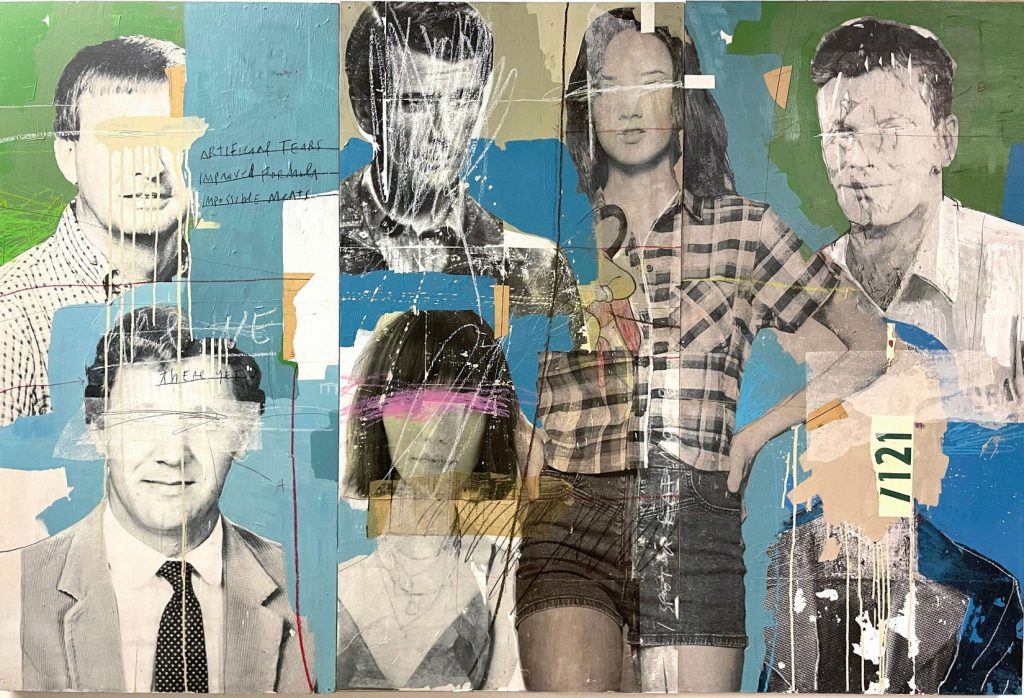
As we delve deeper, the relationship between pop culture phenomena and artistic trends invites exploration into their transformative power. By examining the influences shaping modern art, we can appreciate how they serve as mirrors reflecting our society, while also acting catalysts for change, connecting individuals across different cultures and backgrounds. Through this lens, art becomes not just a static reflection of our lives, but a dynamic dialogue that inspires us to consider our own experiences and the world around us.
DISCOVER MORE: Click here to delve deeper
The Influence of Music and Visual Art in Pop Culture
The relationship between pop culture and contemporary artistic expression is particularly vivid in the realms of music and visual art. The modern musical landscape is a tapestry woven with threads of diverse influences, ranging from hip-hop and reggaeton to indie and electronic genres. Each of these musical styles not only defines cultural movements but also serves as a wellspring of visual inspiration for artists around the globe. For instance, artists such as Beyoncé and Kanye West are not just musicians; they are multifaceted creatives whose music videos often resemble intricate artworks, challenging conventional notions of artistic representation.
With each new album, these artists create a visual identity that complements their musical narratives. The melding of art and music becomes apparent in how contemporary artists like Banksy or Takashi Murakami utilize album covers to convey deeper meanings and societal critiques. The hip-hop community, in particular, has played a significant role in democratizing art; it invites a diverse array of voices and perspectives, while also fostering an environment where artists can explore themes of identity, race, and social justice.
Moreover, the visual art inspired by pop music often highlights the evolution of styles and trends. A few notable aspects include:
- Album Artwork: The visual representation of music albums has transformed from simple graphics to elaborate, concept-driven pieces—often regarded as standalone art.
- Music Videos as Short Films: Music videos directed by visionary artists like Beyoncé or Childish Gambino use storytelling and visual metaphors that resonate with cultural themes.
- Live Performances: Concerts today are not just about sound; they are multisensory events that incorporate theatrical and visual elements to create immersive experiences.
Another critical dimension of this dialog between pop culture and artistic expression comes from the influence of social media. Platforms like Instagram and Pinterest have reshaped how both artistic ideas and music trends propagate. Artists today can share their inspirations, processes, and finished products instantaneously, allowing for greater visibility and engagement. This leads to a culture where viral trends can inspire a flurry of artistic responses. For instance, TikTok challenges often inspire visual artists to create works that align with popular sounds or themes from the platform, prompting a synergy of creativity that was once limited to traditional art circles.
As pop culture continues to evolve, its impact on contemporary artistic expression remains profound. Artists are now more equipped than ever to harness the spirit of the times, using their work as a medium for dialogue and reflection. This interconnectedness encourages a rich tapestry of creativity where musical movements and artistic styles converge, forming a narrative that attracts diverse audiences and fosters cultural dialogue.
The Intersection of Pop Culture and Modern Art
As we delve deeper into the phenomenon of pop culture’s influence on contemporary artistic expression, it becomes clear that this intersection creates a vibrant tapestry of creativity that mirrors societal shifts and cultural dialogues. Contemporary artists often draw inspiration from mainstream entertainment, social media trends, and even viral phenomena. This dynamic exchange allows for an exploration of themes like identity, consumerism, and technology, all of which are prevalent in both pop culture and modern art.One notable example is the rise of street art, which frequently incorporates elements of pop culture, referencing iconic figures and symbols that resonate with the audience. Artists like Banksy and Shepard Fairey utilize recognizable imagery from music and film to comment on social issues and provoke thought, effectively merging visual arts with the pulse of pop culture. Their works often serve as a mirror reflecting the zeitgeist, encapsulating the sentiments of their time.Moreover, digital art has experienced a transformative impact through the lens of pop culture. With the proliferation of social media platforms, artists now have unprecedented access to a global audience. This democratization of art has enabled the swift spread of new styles and trends, allowing artists to adapt to and shape contemporary dialogues. Works that initially gain traction through platforms like Instagram or TikTok can quickly transition from niche to mainstream, further blurring the lines between high art and popular art forms.Alongside the visual arts, music is another realm where the intersection of pop culture and artistic expression flourishes. Genres like hip-hop and electronic music, for instance, frequently incorporate visual elements into their live performances, bridging the gap between auditory and visual art. This multisensory approach not only enhances the audience experience but also challenges traditional notions of what constitutes art, paving the way for innovative forms of expression.As pop culture continues to evolve, its imprint on contemporary art will undoubtedly lead to new styles and movements. Artists are increasingly leveraging the familiar to create impactful works that resonate on personal and societal levels, inviting deeper reflections on the world around us. Understanding this relationship between pop culture and artistic expression opens new avenues for dialogue, exploration, and ultimately, appreciation of the multifaceted nature of modern creativity.
| Trend | Description/Impact |
|---|---|
| Street Art | Utilizes popular icons to comment on social issues, merging art with activism. |
| Digital Art | Transforms art accessibility through social media, creating new trends and styles. |
| Multisensory Experiences | Integrates visual art with music, expanding the definition of what art can be. |
The ongoing analysis of these trends reveals how deeply embedded pop culture is within our contemporary landscape and encourages further investigation into the myriad ways in which it shapes artistic expressions today.
DISCOVER MORE: Click here to dive deeper
Fashion as a Canvas: The Interplay of Style and Artistic Expression
Fashion, like music and visual art, stands as a pivotal corner of pop culture that influences contemporary artistic expression. In recent years, designers have increasingly borrowed from the world of street art and popular media to craft collections that challenge societal norms and raise awareness about pertinent issues. Labels such as Off-White and Balenciaga often collaborate with artists and cultural icons to create pieces that reflect the values of an ever-evolving society. Such partnerships not only provide a powerful platform for artistic voices but also merge high fashion with everyday practicality, widening the accessibility of art.
The impact of pop culture on fashion can be seen vividly in the resurgence of 1990s and early 2000s aesthetics, popularly dubbed as the Y2K revival. Influenced by the nostalgia-driven tendencies of platforms like TikTok and Instagram, where users repost vintage images of musicians and celebrities, this trend has sparked a reinvention of styles that echo the past, revitalizing them for contemporary audiences. Designers are drawing inspiration from the same cultural references that inspire budding artists, leading to a fluid exchange of ideas that illustrates how deeply intertwined these creative expressions are.
Additionally, convergence is evident in the way streetwear has reshaped the art world. Collections from brands such as A bathing Ape (BAPE) and Supreme incorporate graphic designs and prints that echo the visual techniques found in modern art. With their unique perspectives, streetwear often highlights urban experiences and the struggles of identity, becoming a pop-cultural phenomenon capable of addressing socioeconomic issues through artful design. This has culminated in collaborations with established artists that result in exclusive capsule collections—melding art, culture, and fashion in a singular statement.
The rise of digital platforms has further pushed the boundaries of artistic expression in fashion. The digital space has birthed design trends like virtual fashion, where designers create entirely digital outfits for avatars, permeating the virtual worlds of gaming and social media. Artists such as Carlings have spearheaded this movement, offering collections that exist only online. This new trend allows for experimentation devoid of traditional limitations, transforming online personas into canvases for creative expression.
Moreover, the impact of social activism on fashion as an art form cannot be overlooked. Designers have taken to the runway to raise awareness for important causes, utilizing their platforms to spotlight pressing issues such as climate change and racial equality. During major fashion events, the presentation of collections has morphed into statements about societal change, a phenomenon that reflects the creative intersection of pop culture and contemporary art.
As the lines between fashion, music, and visual art continue to blur, the dynamic relationship they share serves as a powerful reminder of art’s potential not only to reflect cultural narratives but also to catalyze them. The multidimensional nature of contemporary artistic expression enriches the conversation surrounding cultural identity and social responsibility, giving voice to a broad spectrum of artists and audiences alike.
DISCOVER MORE: Click here to unlock creative gardening ideas
Conclusion: The Future of Artistic Expression in a Pop Culture Context
The intricate relationship between pop culture and contemporary artistic expression reveals a profound evolution in how art is created, consumed, and understood. As noted throughout this exploration, trends in fashion, music, and visual arts are not standalone phenomena but rather interconnected currents reflecting and reshaping societal norms. The blending of these artistic forms has given rise to an environment where creativity thrives at the intersection of personal narrative and collective identity.
The influence of platforms like TikTok and Instagram cannot be overstated; they democratize art by allowing diverse voices and styles to emerge and gain visibility, making art accessible to a broader audience. This accessibility encourages dialogue around critical issues, fostering a culture of activism and awareness, particularly in regards to pressing societal topics such as climate change and social justice.
Moreover, the adoption of virtual fashion and digital platforms highlights a shift towards unbounded creativity, allowing designers and artists to experiment freely. As technologies continue to evolve, we can anticipate new artistic expressions that further blur the lines between the virtual and the physical realms, providing fresh opportunities for innovation.
Ultimately, the impact of pop culture on contemporary artistic expression serves not only as a reflection of current trends but as a catalyst for future exploration. It compels artists, designers, and cultural commentators alike to innovate and engage actively with their audiences, ensuring that art remains a vital participant in the ongoing conversation about our shared existence. As we look ahead, the challenge will be to maintain a balance between embracing trends and cultivating authentic artistic voices that resonate with individual and collective experiences.