The Evolution of Artistic Expression on Social Media: How Digital Platforms are Transforming Access and Interaction with Art
The Transformation of Art in the Digital Age
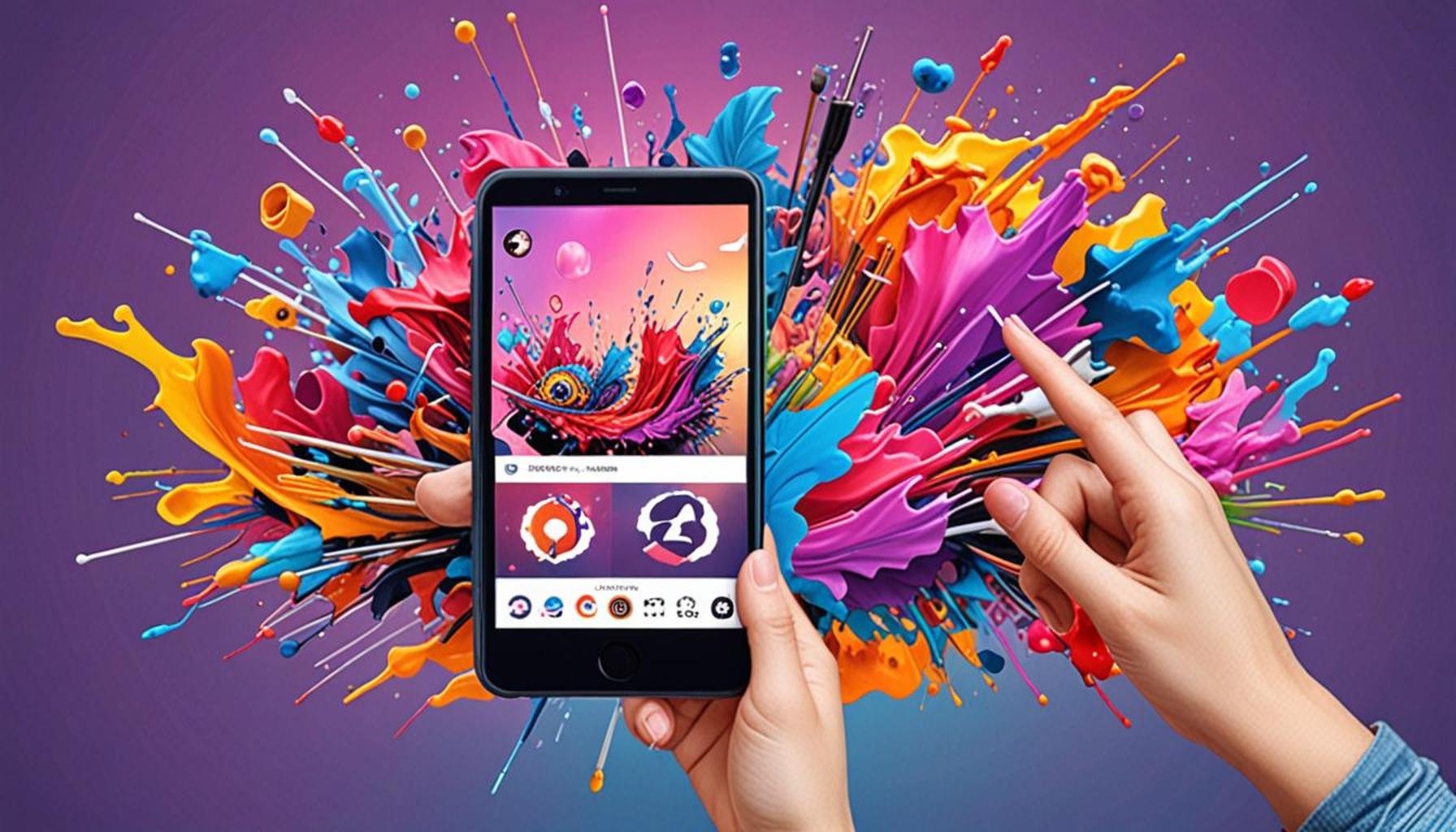
In the last decade, we have observed a remarkable shift as social media has evolved into a vibrant platform for both artists and art lovers. These digital spaces have broken down long-standing barriers, enabling a new wave of creativity that is unprecedented in its reach and influence. The accessibility afforded by social media has allowed artists to bypass traditional gatekeepers such as galleries and art dealerships, making it possible for anyone with a smartphone and an internet connection to share their work with the world.
Widespread Accessibility: One of the most significant impacts of social media on artistic expression is the democratization of art. Artists from different backgrounds can showcase their work to a global audience. For example, a street artist in Brooklyn can share their newest mural on Instagram and receive feedback and appreciation from someone in Tokyo. This shift not only diversifies the type of art that can be seen but also emphasizes the importance of cultural exchange in the art world.
Diverse Formats: The versatility of social media allows for art to be presented in various captivating formats. Creators can share static images, short videos, or even interactive live-streaming sessions where they demonstrate their creative processes. TikTok, for example, has become a hotspot for art challenges, where artists create compelling pieces in under a minute, engaging viewers in a fusion of speed and creativity. This evolution means audiences can experience art in ways that were previously unimaginable, thus reshaping their relationship with the medium.
Real-time Interaction: The instantaneous nature of social media fosters engaging interactions between artists and audiences. Followers can leave comments, provide support through likes, and share their own interpretations, building a sense of community that has historically been challenging to achieve in traditional art spaces. This real-time feedback loop is particularly crucial for emerging artists who can gauge public interest and refine their craft accordingly.
Platforms like Instagram, TikTok, and Pinterest have not only become promotional tools for artists but also pivotal layers of artistic collaboration. Hashtags such as #ArtOnSocialMedia and #DigitalArtDevelopment serve as bridges, connecting creators and fostering dialogues about artistic methodologies, styles, and cultural narratives. This interaction enriches the viewer’s experience, offering them a multifaceted perspective on global artistic expressions.
As social media continues to evolve, its influence in the artistic landscape will undoubtedly deepen, leading to increased representation for diverse voices and innovative forms of art. The implications for both artists and audiences are profound, suggesting a future where creativity is not only shared but celebrated in its many forms. By exploring these dynamic platforms, we can better understand the rapid changes in how art is perceived and appreciated in the 21st century.
DISCOVER MORE: Click here to learn about adapting craft materials
Breaking Boundaries: The New Age of Art Accessibility
The rise of social media is not just a technological phenomenon; it represents a profound cultural shift affecting the way art is created, shared, and consumed. Artists who once relied on physical galleries to display their work now find themselves in a landscape where art can reach millions with a single post. This newfound access is not merely advantageous but transformative, reshaping the art world in several crucial ways.
Global Connectivity: Social media platforms have dismantled geographical barriers, allowing artists to connect with audiences around the world. A painter from Atlanta can engage with art collectors in Chicago, receive critique from peers in Berlin, and draw inspiration from photographers in New Delhi—all through their handheld devices. This interconnectedness cultivates a rich tapestry of artistic dialogue where cultural influences are exchanged freely. For instance, the increasing popularity of art-sharing websites like DeviantArt showcases a variety of styles, reflecting an amalgamation of global aesthetics that enriches individual artistic practice.
Enhanced Discoverability: Artists can now cultivate dedicated followings by leveraging features such as hashtags, reels, and stories. These tools not only enhance visibility but also facilitate organic growth. Emerging talents can capitalize on trending topics to draw attention to their work. For example, during the pandemic, artworks addressing social issues gained immense popularity across platforms like Instagram, leading to viral movements that elevate the careers of previously unknown artists. Such trends prove that the digital age can provide significant opportunities for democratization in the art scene.
Expanded Opportunities for Collaboration: The interaction and collaboration afforded by social media are unprecedented. Artists are not only consumers of art but also active participants in a vast, interconnected community. Here are some notable ways that collaboration manifests:
- Art Challenges: Movement-based challenges on platforms like TikTok encourage artists to create around specific themes within a set timeframe, pushing their creative boundaries.
- Collaborative Projects: Artists can easily unite to create collective works, whether through digital tools like Adobe Creative Cloud or through shared online spaces designed for group projects.
- Cross-Pollination: Artists are blending different styles and mediums, experimenting with different forms like digital art, photography, and performance, leading to new genres that could redefine traditional definitions of art.
This ability to engage in collaborative projects leads not only to innovative expressions but also nurtures a sense of community among artists and audiences that transcends typical gallery experiences. Furthermore, collaborations often challenge existing notions of authorship and ownership, prompting new discussions about the value and place of art in a digital economy.
As social media continues to shape artistic practices, the implications are vast. The art community is more inclusive than ever, allowing voice and visibility to artists from varied backgrounds. It is essential to continue exploring how these platforms influence the future of creativity, potentially ushering in a new world of artistic expression that is more accessible, interactive, and enriching for everyone involved.
The Evolution of Artistic Expression on Social Media: How Digital Platforms are Transforming Access and Interaction with Art
As digital platforms continue to evolve, they are fundamentally reshaping the landscape of artistic expression. Artists, regardless of their backgrounds, now leverage social media to showcase their work, gain visibility, and connect with audiences on a global scale. This transformation has paved the way for an inclusive environment where diverse viewpoints are not just tolerated but celebrated.
Broadening Accessibility
One of the most significant ways social media is transforming art is through its ability to increase accessibility. Traditionally, art was confined to galleries and museums, often exclusive venues that could feel intimidating for the average viewer. However, platforms like Instagram, TikTok, and Pinterest democratize art by allowing anyone with internet access to view, share, and discuss artistic creations. This shift enables a broader audience to engage with art, enriching both the creators and the viewers.
Interactive Engagement
In addition to accessibility, social media fosters a unique interactive experience between artists and audiences. Through comments, likes, and shares, viewers can express their opinions in real-time, creating a dialogue that was previously absent in traditional art settings. Artists can gain instant feedback, adapt their work, and develop a loyal following, which transforms the relationship between the creator and their audience into a collaborative one. Moreover, social media platforms also offer innovative ways to engage with art through features such as live streaming, virtual galleries, and augmented reality experiences. These advancements allow for immersive interactions and enable artists to showcase their creative processes while inviting audiences to participate directly.
Cultural Exchange
Moreover, social media is facilitating cultural exchange on an unprecedented scale. Artists from vastly different backgrounds can share their unique narratives, techniques, and art forms, enriching the global art conversation. Traditional barriers that once defined local art scenes are being dismantled, as people can explore and embrace art from cultures they might have never encountered otherwise. This inclusive approach not only diversifies the kinds of art seen online but also elevates marginalized artists, giving them a platform that was often inaccessible in traditional contexts. Emerging artists can gain recognition and build careers based on their social media presence, showcasing the profound impact of these digital platforms on artistic expression and career pathways.
| Access and Interaction | Impact of Social Platforms |
|---|---|
| Increased Visibility | Social media provides a global stage for artists to showcase their work to wider audiences. |
| Enhanced Collaboration | Interactions allow for collaborative projects, enabling artists to connect and co-create. |
| Cultural Exchange | Art from diverse cultures can be shared and appreciated globally, promoting understanding. |
As social media continues to evolve, the conversation surrounding art will only become richer and more complex, reflecting the myriad experiences and narratives from around the world. With each post, tweet, and share, the evolution of artistic expression on these platforms expands, inviting further exploration into the depths of creativity and connection.
DISCOVER MORE: Click here to dive deeper
Redefining Artistic Identity: The Rise of the ‘Influencer Artist’
As social media continues to proliferate, it is increasingly shaping not just how art is made, but also how artists define their identity. The concept of the ‘influencer artist’ has emerged—a new archetype that combines artistic merit with marketing savvy. This role necessitates a multifaceted approach, where artists must craft an online persona that resonates with diverse audiences while maintaining the integrity of their art. These creators often act as both producers and curators, meticulously curating their feeds to reflect a specific style or theme that generates engagement.
Authenticity and Connection: In the age of social media, audiences are drawn to authenticity. Artists who share their personal stories, struggles, and creative processes can foster deeper connections with their followers. Successful artists on platforms like Instagram and TikTok often utilize behind-the-scenes content to demystify the artistic process. For instance, the popular artist @jessikart frequently shares videos of her painting techniques and daily artistic routines, which invites audiences into her world and creates a loyal following. Such connections not only build a fanbase but often translate to increased sales and commissions, showcasing a tangible benefit of this new form of engagement.
Data-Driven Arts: The relationship between artists and their audiences has evolved to be distinctly data-centric. Social media platforms provide artists with analytics tools that reveal insights about audience demographics and engagement trends. For instance, TikTok’s algorithm can provide immediate feedback on which segments of an artist’s work resonate the most, whether it be vibrant color palettes or thematic content. Artists can analyze performance metrics to refine their art and adapt to audience preferences in real-time, simultaneously nurturing their creative vision while responding to market demands. This agility transforms the traditional notion of artistic creation, allowing artists to be more responsive and strategic in their approach.
The Challenge of Saturation: Yet, with increased accessibility comes the challenge of saturation within the digital artistic landscape. Millions of artists are vying for attention, making it crucial for creators to differentiate themselves. Singular voices can get lost in an overwhelming sea of content, forcing an evolution in artists’ marketing tactics. Some rely on niche communities—such as the emergence of specific hashtags on Instagram that center around themes like #DarkArt or #VeganArt—to connect with likeminded individuals and increase their visibility. This strategic targeting allows artists to cultivate dedicated followings who appreciate their unique voice and style.
Engagement Beyond Likes: While gaining likes and followers can be a measure of success, artists are increasingly seeking deeper interactions with their audiences. Platforms like Patreon enable artists to monetize their work directly while offering exclusive content to their most dedicated fans. This model also nurtures a sustainable relationship between creators and supporters, allowing for ongoing dialogue, feedback, and collaborative opportunities. Moreover, community-driven platforms such as Discord or Clubhouse have become spaces for artists to gather, exchange ideas, and even host live critiques, reinforcing a sense of belonging in a vast digital landscape.
The evolution of artistic expression on social media is not confined merely to the accessibility of art; it is redefining the very essence of what it means to be an artist in today’s world. While challenges abound, the potential for connection, collaboration, and creative growth remains at the forefront of this cultural transformation. As we continue to witness the evolution, the experience of creating and consuming art is forever changed, leaving us to ponder the endless possibilities that lie ahead.
DIVE DEEPER: Click here to discover the power of improvisation</p
Conclusion: Navigating the New Frontier of Art
In summary, the evolution of artistic expression through social media has not only democratized access to art but has also redefined the artist’s role in contemporary society. As the lines between creator and audience blur, the concept of the ‘influencer artist’ embodies a paradigm shift wherein artists must navigate a space filled with both potential and challenges. The profound importance of authenticity and connection has led to the emergence of artists who thrive on personal engagement, providing insights that deepen the relationship with their followers.
Moreover, with tools at their disposal for data-driven decision-making, artists are better equipped to tune their creations to meet audience preferences, fostering a dynamic dialogue that enriches the artistic experience. While the saturation of content poses significant challenges, it also drives artists to hone their unique identities, allowing niche communities to flourish within the vast digital ecosystem.
This new era of artistic expression invites ongoing reflection on how we interact with art in the digital age. With platforms evolving continuously, the possibilities for innovation remain vast, presenting opportunities for collaboration, engagement, and the communal exploration of ideas. As we embrace these shifts, we are left to consider not just what art means to us today, but how it will continue to evolve in response to the fluid nature of social media. Thus, the journey of artistic expression is not merely a reflection of technology’s impact; it is a compelling story of human connection and creativity thriving in a new digital landscape.