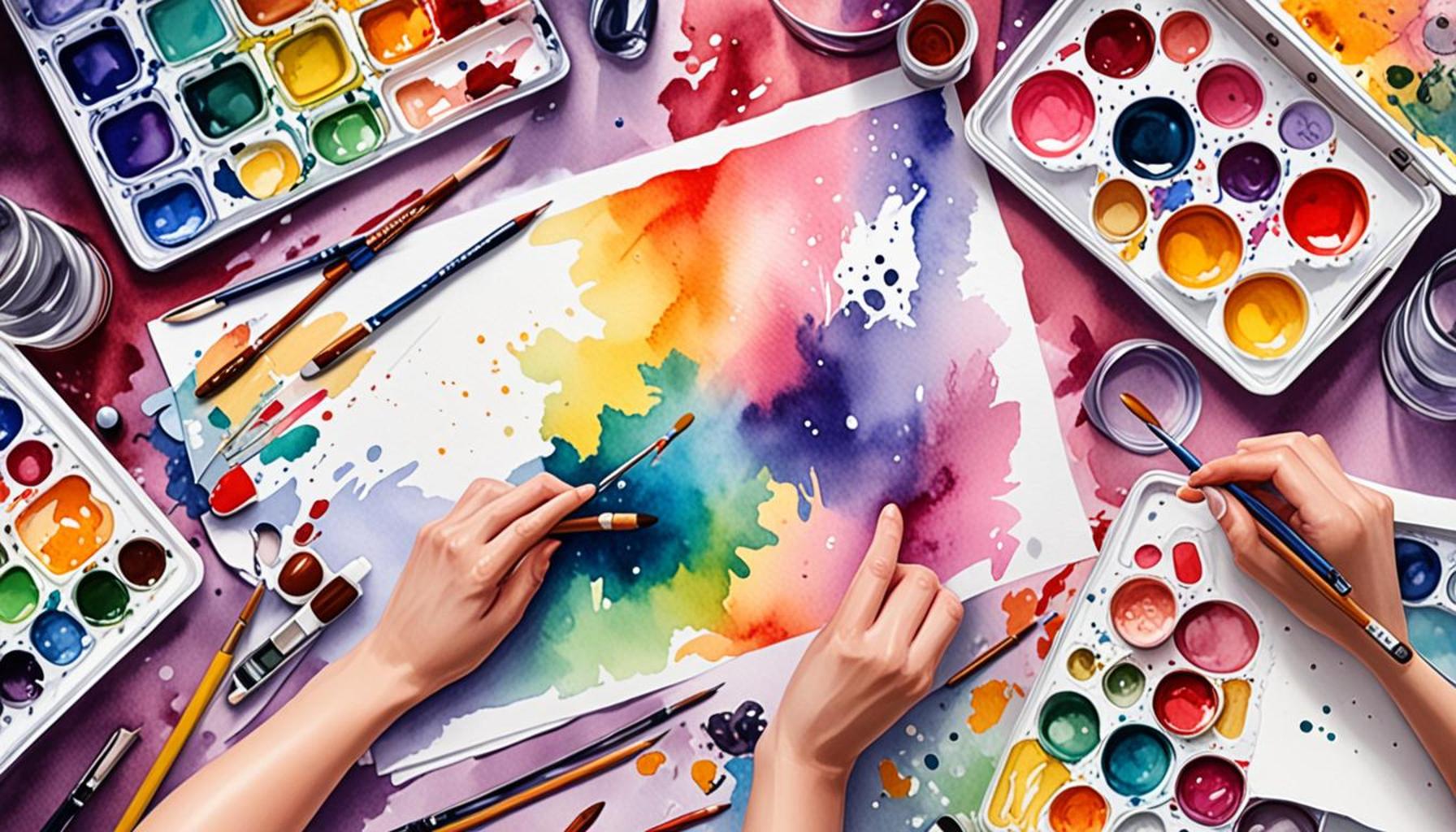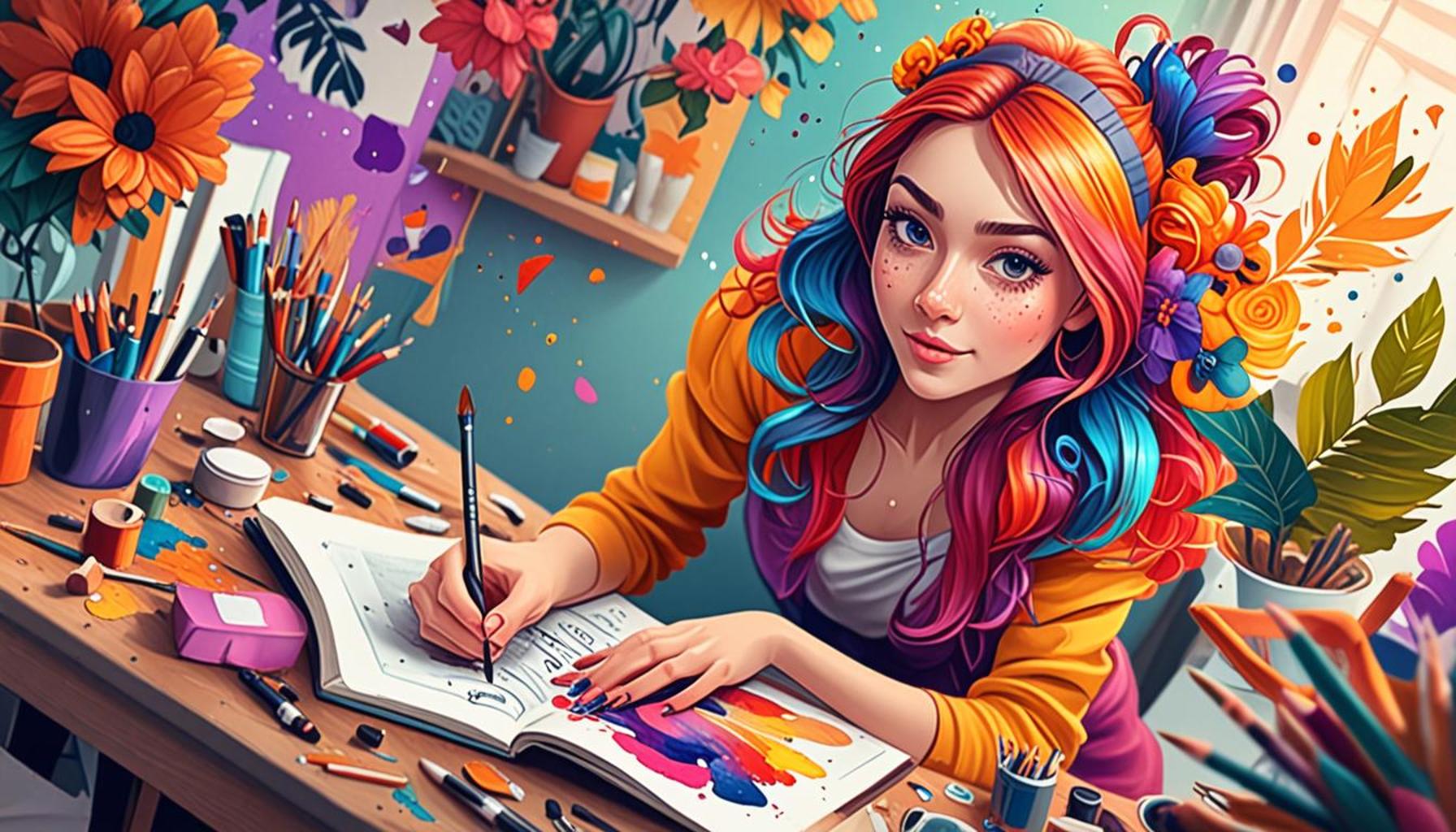
The Role of Nature in Artistic Inspiration: How Natural Elements Influence the Creation of Works of Art
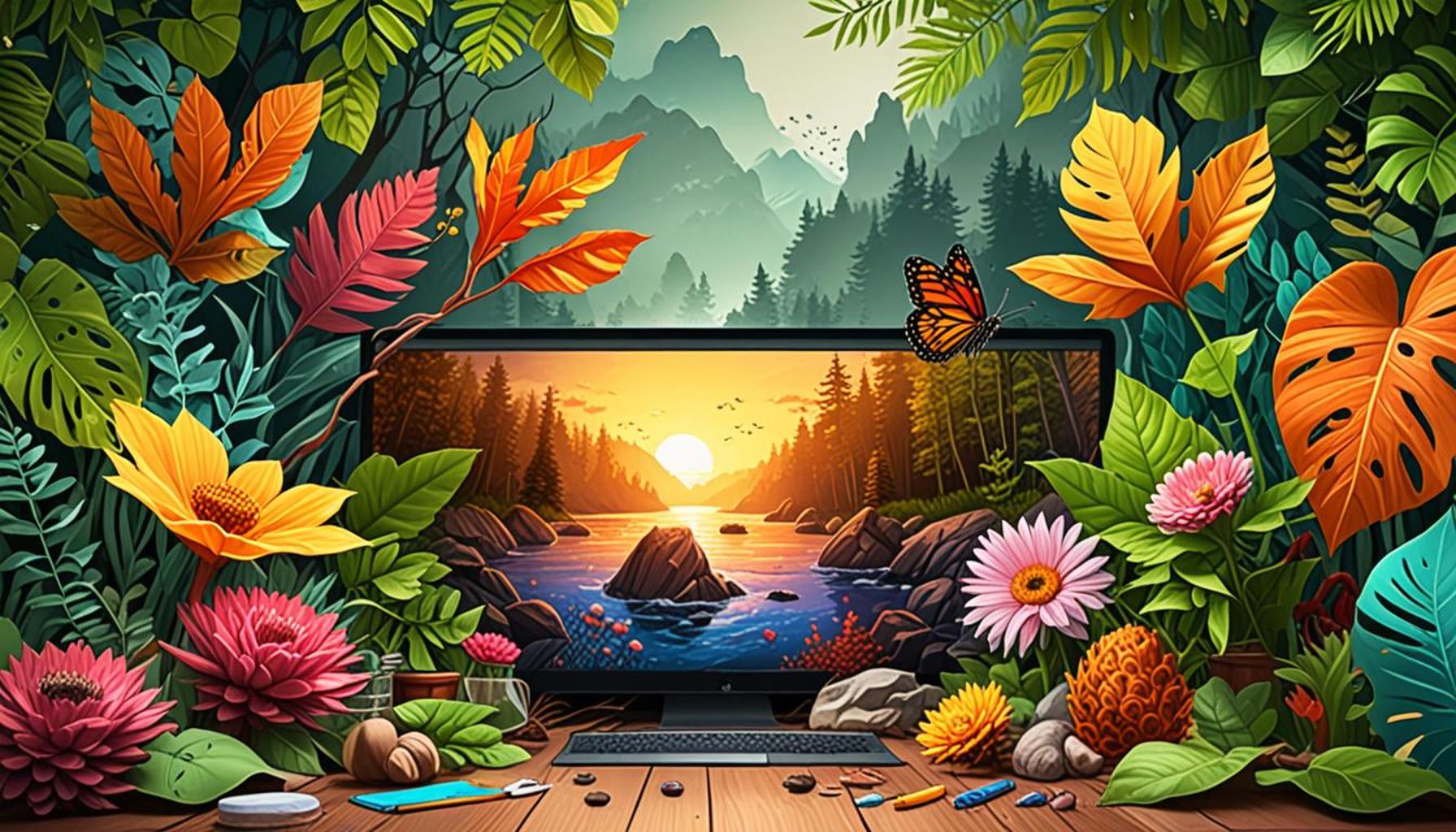
The Profound Connection Between Nature and Artistic Expression
Throughout history, nature has served as a wellspring of inspiration for artists, providing a rich tapestry of colors, textures, and forms that continually evoke creativity. The scenery—from the sweeping vistas of the Grand Canyon to the delicate intricacies of a single flower—has a unique ability to enchant and motivate individuals in creative fields. This powerful influence leads to a diverse array of artistic expressions, as nature’s multifaceted beauty invites exploration and innovation.
Visual Inspiration
The spectrum of colors found in nature can mesmerize anyone with an artistic sensibility. For instance, the striking oranges, pinks, and purples of a sunset are not only visually stunning but also emotionally uplifting. Artists like Claude Monet mastered the art of capturing such ephemeral moments in his series of paintings depicting the changing light on water lilies at different times of day. Similarly, the intricate patterns of a leaf—its veins meticulously structured by nature over millennia—can ignite an artist’s imagination and lead to unique design interpretations, inspiring works in textiles and architecture alike.
Emotional Connection
Nature deeply resonates on an emotional level, creating an environment of peace, awe, and reflection. Many people have experienced this peaceful connection during a sunset hike or a quiet moment by a lake. This emotional engagement can transform how artists convey themes of solitude, harmony, and even chaos. The environmental changes brought about by climate change have further heightened this emotional connection, compelling artists to address pressing social and ecological issues. Through art, they explore concerns like deforestation and pollution, establishing a dialogue that encourages viewers to contemplate their own relationship with the natural world.
Symbolism in Natural Elements
Natural phenomena frequently symbolize larger narratives in the artistic context. For example, the changing seasons often represent themes such as renewal and transience, concepts that are compellingly illustrated through various art forms. Artists like Georgia O’Keeffe employed floral imagery not just for its aesthetic appeal but to encapsulate ideas surrounding femininity, strength, and the importance of the natural environment. This layering of meaning enriches the viewer’s experience and offers deeper insights into both the art and the human condition.
In contemporary settings, many artists continue to find inspiration in the natural world. Whether it is through landscapes that evoke the vastness of America’s national parks, studies of local flora and fauna, or reflections on environmental changes, today’s creators remain intertwined with nature’s narrative. The exploration of such themes leads to a greater appreciation of not only the beauty of the environment but also the critical messages underpinning artistic expression.
The ongoing relationship between nature and art invites us to contemplate our surroundings with renewed attention. It urges us to explore how artistic expression can illuminate our experiences and reveal the stories embedded within the landscapes we inhabit. Understanding this bond can lead to a richer appreciation for both art and the world around us, encouraging further inquiry into how they shape our understanding of life itself.
DISCOVER MORE: Click here to dive deeper
Capturing Nature: Techniques and Influences in Artistic Creation
As artists engage with the natural world, they utilize a myriad of techniques to capture its essence on canvas, stone, or digital media. The curative aspects of nature frequently prompt a shift in perspective for many creators. Whether it’s the way sunlight dances on a river or the rustle of leaves in the wind, these elements inform the creation process in profound ways. Artists across disciplines—from painters and sculptors to photographers and digital creators—have employed a variety of strategies to embody nature’s spirit in their work.
Textural Exploration
The textures found in nature act as a rich source of inspiration for artistic techniques. Artists often emulate organic features that evoke tactile sensations. The intricate bark of a tree, the smoothness of stones, or even the fluidity of water can translate into various mediums, be it paint, clay, or fabric. For instance, Andy Goldsworthy has gained acclaim for his site-specific works created from natural elements like leaves, stones, and ice, illustrating how texture is not just a visual aspect but also an experiential one. His works challenge traditional notions of art, highlighting the beauty and fragility of the natural world through transient installations.
Color Palettes Inspired by Nature
The essence of a landscape is often conveyed through an artist’s choice of color palette, where influences from nature inform selections that resonate with emotional and thematic undercurrents. Artists often seek to recreate the diverse tones found in various environments. A stroll through a forest can reveal a spectrum of greens, browns, and the occasional splash of vibrant colors from the flowers and foliage. Many contemporary artists like Mark Rothko have drawn upon these hues, utilizing color as a language to express depth and feeling, making viewers feel the essence of nature through their work.
Nature as a Subject Matter in Visual Arts
Artists not only draw influence from nature but also make it the central focus of their work. This has been evident in several art movements, particularly during the Romantic Era, where the beauty, terror, and vastness of nature played a critical role in thematic expression. Landscape painting, once a lesser genre, blossomed during this period with artists like Thomas Cole and the Hudson River School celebrating America’s wilderness through evocative and picturesque portrayals. Today, contemporary landscape artists engage with modern themes, continuing to find relevance in showcasing the evolving connections between humanity and the environment.
To further understand the connection between natural elements and artistic creation, consider the following influences:
- Inspiration from Organic Patterns: Artists often replicate fractals and patterns found in nature.
- Environmental Impact: Many artists address ecological concerns in their work, fostering awareness of climate change.
- Lifelong Themes: Nature’s cyclical patterns often serve as allegories for the human experience, portrayed in manifold artistic mediums.
Ultimately, the interplay between artists and nature showcases a dialogue that evolves as each generation interprets the environment around them. As artists continue to extract inspiration from the natural world, the resulting works not only capture beauty but also serve as a mirror reflecting the changing landscapes of human experience and cultural identity.
Natural Landscapes and Their Impact on Artistic Creation
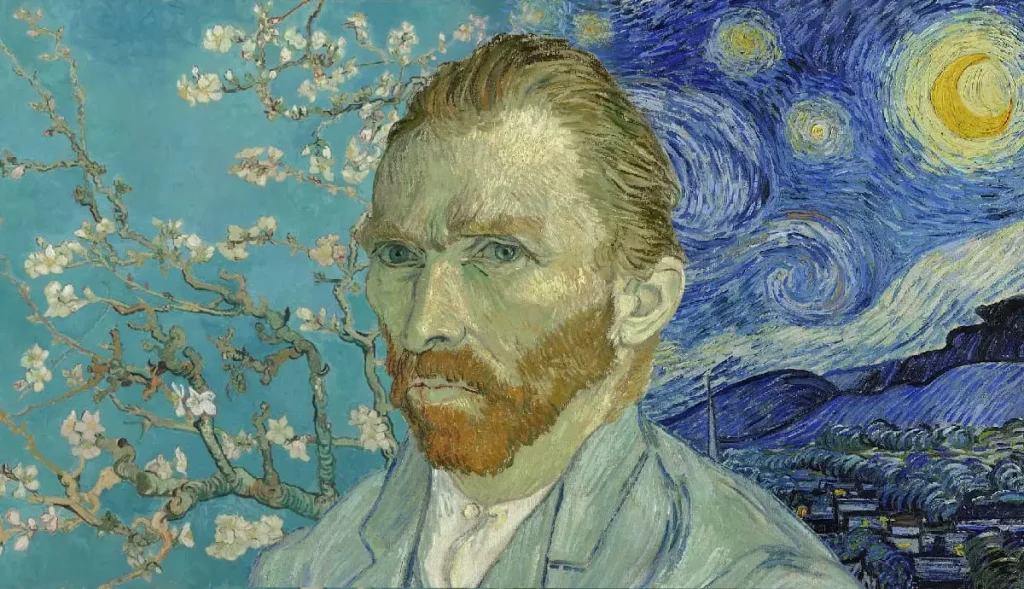
Throughout history, artists have drawn upon the beauty and complexity of the natural world to create their masterpieces. The influence of natural landscapes is vividly evident in the works of renowned artists like Claude Monet and Vincent van Gogh. Monet’s Water Lilies series showcases the interplay of light and color on water, evoking a sense of tranquility and connection to nature. Meanwhile, van Gogh’s Starry Night illustrates a vivid night sky, reflecting his emotional response to the cosmos and the scenery around him.
The Symbolism of Flora and Fauna
The representation of flora and fauna has been a central theme in art, symbolizing different concepts ranging from growth and beauty to decay and mortality. For example, Georgia O’Keeffe’s detailed floral paintings transcend mere representation; they invite viewers to explore deeper feelings and interpretations associated with life cycles. This trend is not limited to traditional painting—modern artists incorporate natural elements in installations, blurring the line between nature and art. Such practices encourage audiences to reflect on humanity’s relationship with the environment, raising awareness about conservation and sustainability.
Color and Emotion in Nature-Inspired Art
Color choices in art are profoundly influenced by the hues found in nature. Artists often utilize the color palette of the outdoors—from earthy browns and greens to vibrant blues and yellows—to evoke specific emotions in their work. Research indicates that colors have psychological impacts on viewers; warm colors may elicit feelings of comfort and warmth, while cool colors can convey calm and serenity. This conscious selection of color relates directly to the natural world, enhancing the overall emotional depth of artistic pieces.
| Category 1 | Category 2 |
|---|---|
| Natural Landscapes | Provide a dynamic visual reference and emotional evocative themes. |
| Flora and Fauna | Symbolize growth, change, and the interconnectedness of life. |
Technology and Nature Integration in Modern Art
Today, artists increasingly merge technology with nature, employing digital tools to create works that reflect organic themes. This fusion results in virtual landscapes and augmented reality experiences that enable interaction with the environment in innovative ways. By utilizing digital platforms, artists can engage audiences in conversations about nature conservation and the impact of climate change, thus amplifying their messages. As technology continues to advance, the role of nature in artistic inspiration evolves, offering new avenues for expression and reflection.
DISCOVER MORE: Click here for mixing techniques
The Emotional Connection: Nature as an Artistic Muse
The emotional resonance that nature evokes plays a significant role in shaping artists’ creative processes. Nature often serves as a muse, inspiring deep feelings that translate into powerful artistic expressions. In many cases, the interplay between an artist’s internal emotions and the external natural world informs the thematic and emotional depth of their work. This connection can be seen vividly in the works of artists like Vincent van Gogh, whose passionate brushwork and vibrant color choices reflect his emotional turbulence and affinity for the natural world. His iconic painting, “Starry Night,” depicts a swirling night sky above a quiet village, emphasizing both the serenity and chaos inherent in nature.
The Symbolism of Natural Elements
Natural elements are often imbued with rich symbolism, which artists leverage to communicate complex ideas or narratives. For instance, the use of flowers in art can symbolize fragility and the fleeting nature of life, while trees often represent strength and endurance. Artists like Georgia O’Keeffe masterfully utilized floral imagery to explore not only the beauty of flowers but also their deeper meanings, tapping into themes of femininity and sensuality. Her close-up paintings of blossoms reveal a layer of complexity that encourages viewers to reflect on their own interpretations and emotional responses to these natural elements.
Technological Integration: Nature in the Digital Age
In the modern era, the integration of technology with traditional artistic practices has further expanded the role of nature in art. Digital artists harness tools that allow them to explore the natural world in innovative ways. For example, artists use digital platforms to create immersive installations that replicate natural environments digitally, provoking thought about humanity’s relationship with nature. The biophilic design phenomenon, emphasizing nature in human-made environments, has inspired artists to create interactive works that bring the outdoors in—bridging the gap between nature and the art experience. Such technological advancements drive artists to address pressing issues such as climate change and biodiversity loss, communicating urgent environmental messages through their digital creations.
Community Engagement Through Outdoor Art
The relationship between nature and art extends beyond individual creation to encompass community engagement as well. Public art initiatives often incorporate natural elements, encouraging community members to connect with their surrounding environment. Projects like The Ocean Cleanup not only create striking outdoor artworks but also raise awareness about marine pollution, integrating social justice with artistic expression. By highlighting nature’s fragility, artists aim to ignite conversations around the responsibilities we share in preserving our planet. Such community-centered approaches illustrate how art can serve as a catalyst for environmental stewardship and collective action.
As we delve deeper into the ways nature influences artistic creation, it becomes evident that the relationship is characterized not only by aesthetic appreciation but also by profound emotional, symbolic, and communal connections. These elements showcase the dynamic dialogues that continue to shape our understanding of both art and the natural landscapes that inspire it. Through their work, artists encourage us to contemplate, engage, and reconsider our relationship with the world around us, fostering an ongoing appreciation for the richness that nature contributes to the artistic journey.
DIVE DEEPER: Click here to discover the latest trends
Conclusion: Embracing Nature in Artistic Expression
In summation, the profound influence of nature on artistic inspiration cannot be overstated. From the emotional connections that artists forge with the great outdoors to the layered symbolism inherent in natural elements, the artistic dialogue with nature is rich and multifaceted. As we have explored, artists like Vincent van Gogh and Georgia O’Keeffe showcase how deeply intertwined our sentiments about nature can be with their creative processes, revealing the emotional landscapes that lie beneath the surface of their work.
Furthermore, the integration of technology in modern artistic endeavors makes it possible for artists to express their relationship with nature in innovative and engaging ways. By utilizing digital tools and immersive installations, artists challenge audiences to reconsider their connections with the environment, amplifying critical conversations surrounding ecological sustainability and climate change. These creative avenues highlight the potential for art to not only reflect but also respond to pressing global issues.
Finally, community art initiatives encourage a collective appreciation for nature, encouraging participants to engage with and advocate for their local environments. This communal aspect empowers individuals to recognize their part in the stewardship of the Earth, transforming art into a rallying point for environmental activism.
As we look to the future of art, it is evident that the profound relationship between nature and artistic creation will continue to evolve. As artists draw upon the natural world for inspiration, they remind us of the beauty, complexity, and fragility of our environment, ultimately urging us all to foster a deeper appreciation and protective attitude towards the world we inhabit. By continuing to explore this vibrant relationship, we can learn not only about art but also about ourselves and the ecosystem that surrounds us.