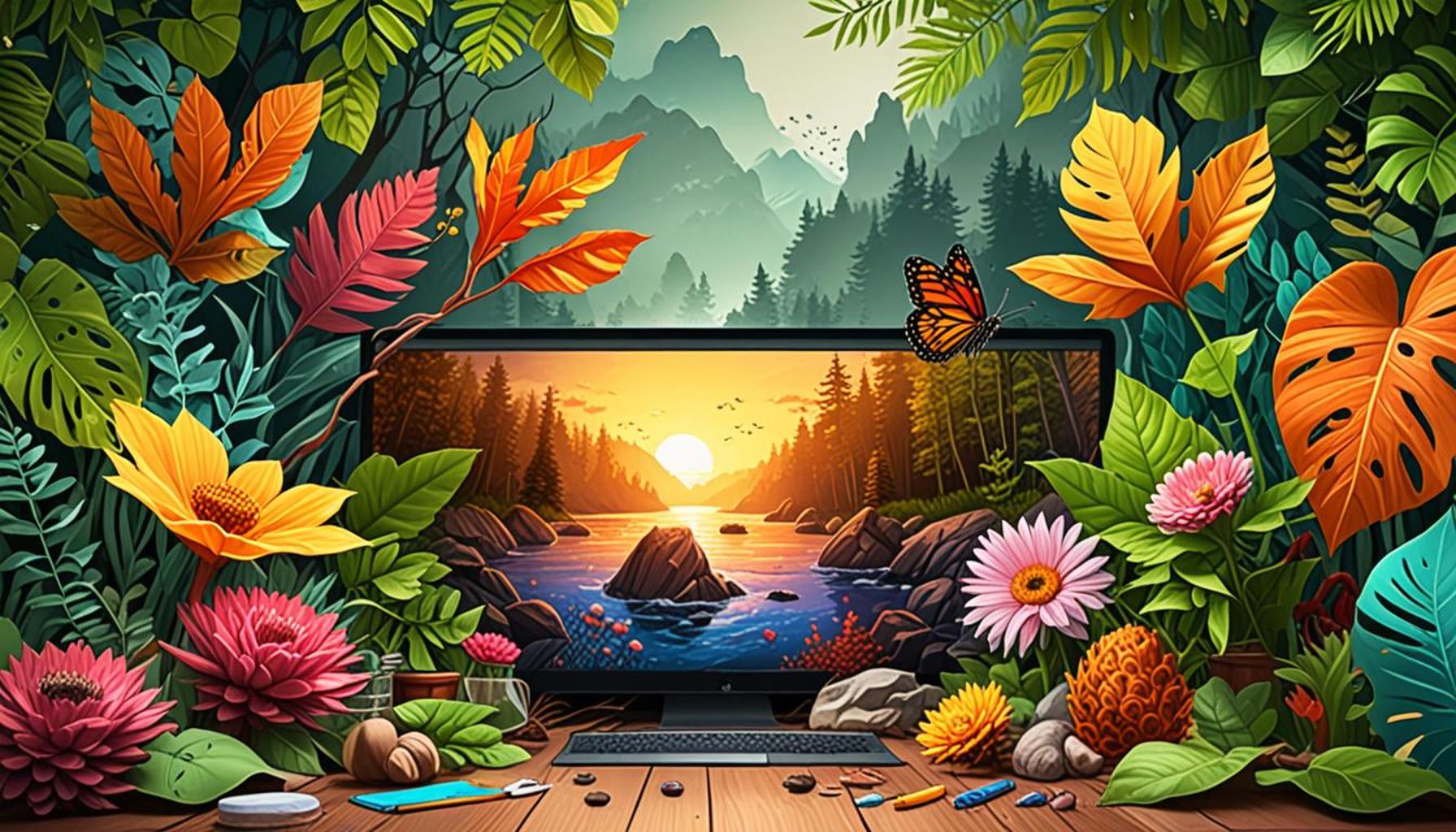
The Influence of the Environment on Artistic Expression: How Spaces and Scenes Inspire Creation
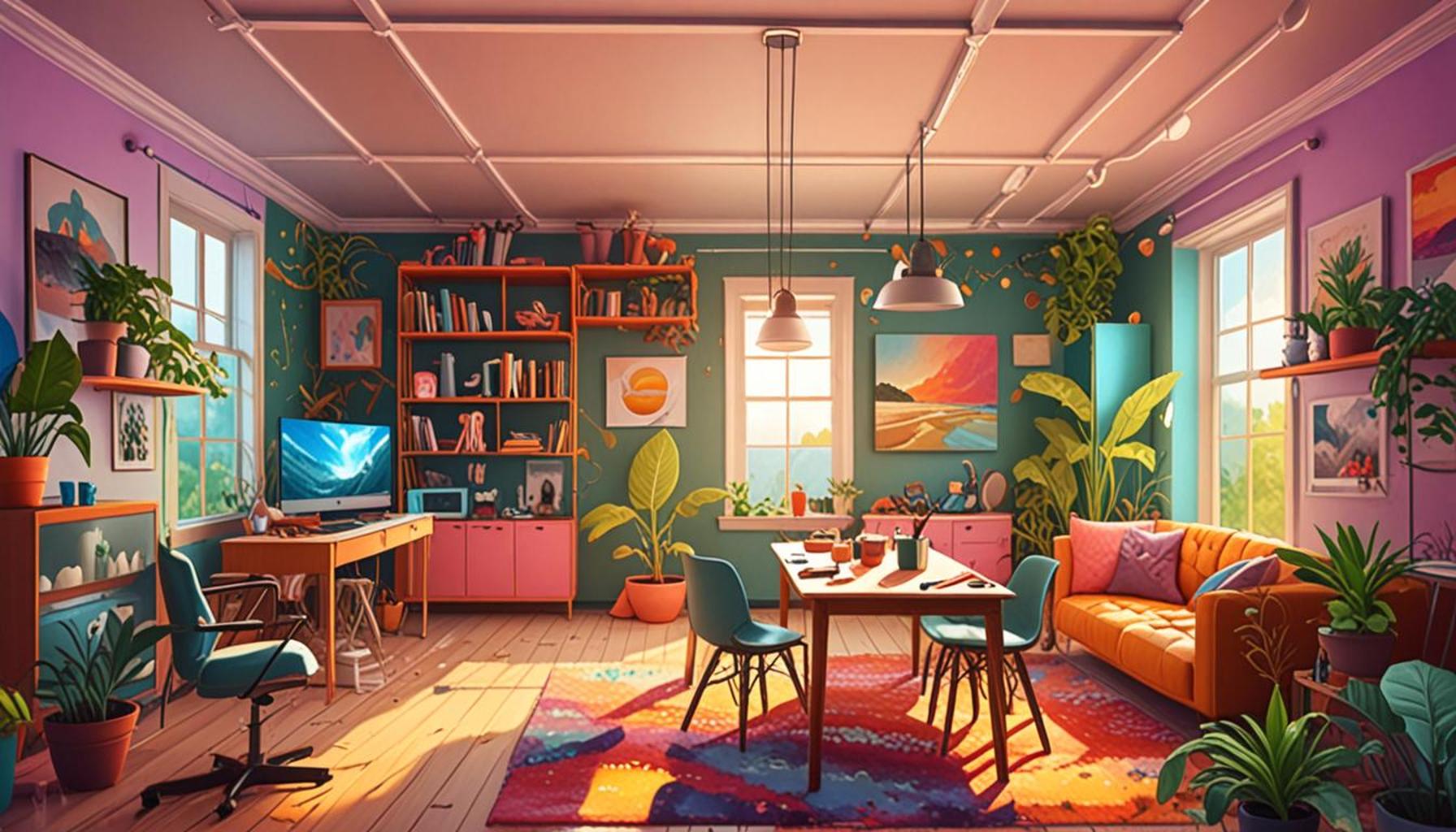
The Connection of Environment and Artistic Expression
The connection between environment and artistic expression is profound and multifaceted. Artists often draw inspiration from the world around them, harnessing the essence of their surroundings to create works that resonate with viewers. Whether it’s the vibrancy of a city, the tranquility of nature, or the starkness of an abandoned landscape, every scene holds potential for storytelling and emotional resonance.
Natural Landscapes
Natural landscapes are among the most enduring sources of inspiration for artists. The sheer majesty of mountains, the serene flow of rivers, and the intricate ecosystems found within forests convey a sense of wonder that ignites creativity. For example, artists like Georgia O’Keeffe have famously transformed the distinct beauty of the American Southwest into breathtaking paintings that evoke the emotional power of nature. Her use of vibrant colors and sweeping forms captures the spirit of the land and conveys a deep appreciation for its intricacies.
Urban Environments
In stark contrast, urban environments offer a different canvas, bustling with energy and dynamic visuals. Cities like New York and Chicago present a complex interplay of light, architecture, and human activity that captivates artists’ imaginations. The works of Edward Hopper are notable for their exploration of urban life, often highlighting the isolation experienced in crowded settings. His painting “Nighthawks,” for instance, conveys a sense of loneliness amid the vibrancy of city nightlife, illustrating how urban landscapes can shape emotional narratives.
Cultural Heritage
Artists are also profoundly influenced by their cultural heritage, incorporating local traditions and history into their work. This can be seen through the lens of indigenous artists who utilize traditional motifs, storytelling methods, and materials to create pieces that reflect their ancestral connections. For instance, Native American artists often blend natural elements with cultural symbols to tell stories that honor their heritage while making poignant statements on contemporary issues.
Atmospheric Conditions
Further compounding this blend of environment and artistry are atmospheric conditions. The interplay of light, weather, and seasonal changes can evoke diverse emotional responses and artistic styles. The soft light of dawn may inspire a sense of hope, while the starkness of a gray winter day might foster introspection. Artists, like the Impressionists in the late 19th century, experimented with these elements to capture fleeting moments in nature, showcasing how ephemeral changes can influence artistic expression.
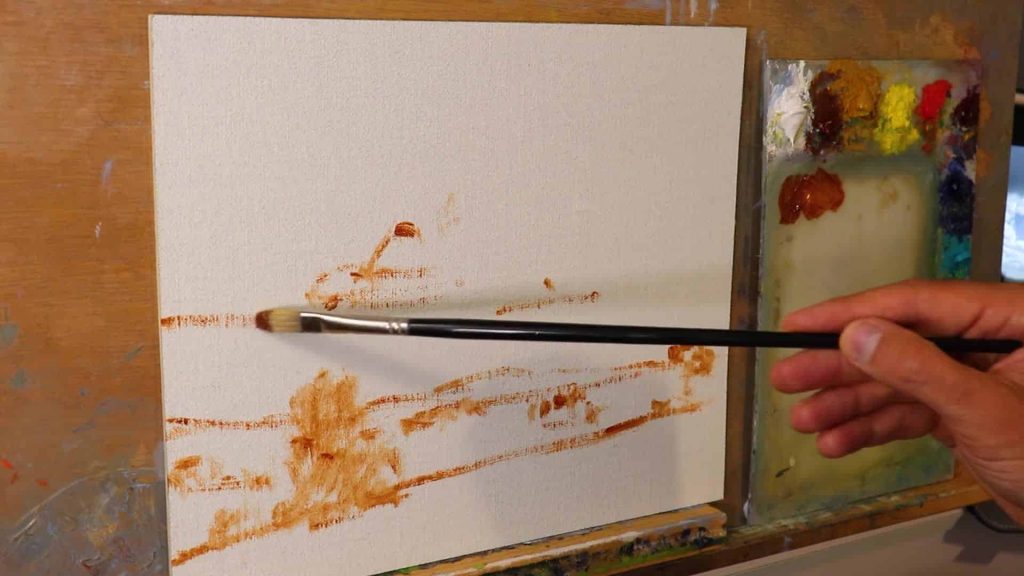
Exploring how various spaces shape creative endeavors reveals a rich tapestry of artistic styles and motivations. As we delve deeper into this topic, we uncover the intricate ways different settings inform artistic creation across various mediums, leading to a greater understanding of how our environment inspires the human spirit and creativity.
DIVE DEEPER: Click here to simplify your space
The Role of Environment in Shaping Artistry
The environment in which an artist finds themselves plays a crucial role in the process of creation, acting as both muse and canvas. Various elements—ranging from landscapes to urban settings—create a palette of stimuli that can ignite the artistic spirit. This complex relationship holds significant implications for understanding artistic expression and how it is often a reflection of the surroundings in which one creates. The impact of environment on artistic expression can be explored through several crucial aspects, including natural landscapes, urban settings, cultural heritage, and atmospheric conditions.
Natural Elements as Inspiration
Natural elements offer an expansive array of inspirations that artists have tapped into for centuries. Reminiscent of the works of John Constable, whose landscapes capture the essence of English countryside, today’s artists continue to celebrate the beauty and complexity of nature. Nature encourages artists to explore themes of renewal, struggle, and beauty. For example, the Hudson River School painters in the 19th century utilized the stunning vistas of the American landscape to evoke feelings of exploration and the sublime. Their detailed depictions of light and natural forms serve to transport viewers, reminding them of the power of the natural world.
The Urban Landscape’s Duality
In contrast to peaceful natural vistas, urban landscapes present a visceral and often hectic source of inspiration for artists. Cities teem with life, cultural diversity, and narratives waiting to be uncovered. The contrasting elements of urban life—from architecture to neon lights—create a sense of rhythm that captivates artistic minds. Notably, contemporary street artists have redefined the significance of walls, transforming them into vibrant canvases. The work of Banksy, a renowned street artist, serves as an example of how urban creativity can comment on societal issues while embracing the chaos of city life.
Cultural Reflections
Cultural heritage enriches artistic expression, providing context and deeper meaning to various art forms. Many artists derive inspiration from their ancestry, utilizing traditional techniques and motifs to convey personal and communal stories. In the United States, artists of various backgrounds—such as Frida Kahlo, whose Mexican roots influenced her vibrant self-portraits—demonstrate how cultural narratives can shape an artist’s vision. Additionally, the integration of local traditions fosters a unique artistic dialogue that emphasizes identity and continuity, echoing the values of specific communities through the ages.
Impact of Atmospheric Conditions
The influence of atmospheric conditions can enhance the emotional undertones of artwork. Artists are often attuned to the nuances of light and weather, which dramatically affect color, texture, and mood. For instance, the Impressionists, such as Claude Monet, became known for their ability to capture fleeting moments in time, with particular attention to the interplay of light and atmosphere. In works like “Impression, Sunrise,” Monet encapsulated the essence of a moment shaped by shifting light, demonstrating how atmospheric changes can evoke powerful emotions and moods in art.
Through an exploration of these diverse environments, we begin to understand the profound influence of surroundings on artistic expression. Each scene, whether a sun-drenched landscape or a bustling city street, contains within it a multitude of experiences that shape how artists interpret and express their reality. This connection between environment and creativity leads to a richer understanding of artistic output, inspiring both creators and audiences alike to reflect on their own surroundings.
| Environmental Factors | Impact on Artistic Expression |
|---|---|
| Natural Landscapes | Inspires artists through vibrant colors and textures. |
| Urban Environments | Provides a backdrop for contemporary themes and social commentary. |
| Cultural Spaces | Cultivates artistic expression through historical narratives and community stories. |
| Climate | Influences the mood and tone of artworks, reflecting seasonal changes. |
Artists have long been captivated by their surroundings, utilizing various environmental factors that directly influence their creative outputs. Natural landscapes, for example, serve as a muse for many artists. The harmony of colors in a sunset or the intricate patterns of nature are often translated into vivid works of art, evoking emotions that resonate with viewers. In contrast, urban environments contribute a distinct layer to artistic expression, driving contemporary conversations around societal themes, technology, and human experience. The chaos and dynamism of city life challenge artists to present narratives that reflect modern existence. Moreover, cultural spaces, such as museums and galleries, play a pivotal role in disseminating collective history and engaging communities. These venues not only showcase art but also inspire artists to explore the rich tapestry of human experience embedded in their localities. Finally, the influences of climate can subtly shift the creativity of artists, affecting their interpretation of feelings and moods in relation to seasonal variations, ultimately enriching the artistic landscape with diverse perspectives. These environmental influences create a colorful canvas for artists to express their thoughts and emotions through their work, inviting others to explore and question their surroundings.
DISCOVER MORE: Click here to learn about artistic expression as historical documentation
The Interplay of Environment and Artistic Technique
As artists navigate their creative processes, the environments that surround them not only inspire their subject matter but can also influence the techniques and mediums they choose to employ. From the rich textures of the natural world to the sharp lines of urban architecture, the physical characteristics of a space often guide the artist’s hand in unexpected ways. Exploring this interplay reveals how certain environments can cultivate unique artistic techniques that resonate with individual styles and cultural contexts.
Textural Influence of the Natural World
The tactile qualities of nature can leave a lasting imprint on artistic expression. The natural world offers a diverse range of materials that artists often incorporate into their work, from organic pigments derived from local flora to the use of found objects like stones and leaves. Artists such as Anselm Kiefer have utilized unconventional materials like straw and ash to reflect the textures of their surroundings, reimagining the connection between the external world and internal emotions. The intricate details of a forest’s underbrush or the layers of weathered stone can inspire techniques that evoke a sense of authenticity and rawness in the finished piece.
Urban Environments and Contemporary Techniques
In today’s fast-paced world, urban environments are synonymous with innovation and experimentation in art. The city’s vibrancy and complexity drive artists to adapt their techniques to mirror the relentless change of urban life. Consider the work of Kara Walker, whose paper cutouts reflect socio-political themes through bold contrasts and silhouettes. The urban backdrop encourages artists to explore new mediums such as graphic art, street installations, and digital formats, often merging traditional practices with contemporary influences. The raw energy of city life not only influences subject matter but also invites artists to develop new forms of expression, breaking away from conventional boundaries.
The Influence of Cultural Context on Artistic Methods
Cultural settings and historical backgrounds play an essential role in shaping the techniques artists adopt. For instance, in the Southwest United States, Indigenous artists often employ traditional techniques such as pottery and weaving that echo their ancestral practices. These methods not only serve as a connection to heritage but also provide a framework within which contemporary narratives can evolve. Additionally, organizations like the National Museum of the American Indian highlight the dialogue between historical techniques and modern influences, encouraging a new generation of artists to continue these traditions while innovating within them. Similarly, artists of African American descent, such as Faith Ringgold, utilize storytelling in their quilting techniques to reflect both personal and collective experiences, merging craft with social commentary.
Experiential Elements Influencing Artistic Expression
The sensory experience of a space—its sounds, scents, and even temperature—can significantly affect the emotional landscape within which art is created. Consider the immersive environments such as sound installations or interactive exhibits that invite viewers to become participants, transforming passive observation into an active, communal experience. Artists like Olafur Eliasson craft experiences that engage all senses, encouraging audience interaction with the environment. These installations often merge elements of nature and urban landscapes, prompting artists and viewers alike to reconsider their relationships with their surroundings. By employing multisensory experiences, artists can deepen their exploration of themes, moving beyond the visual to create a more holistic artistic engagement.
In summary, while nature and urbanity provide distinct sources of inspiration, they also endorse specific artistic techniques and creative methodologies that expand the horizons of artistic expression. The evolving dialogue between environment and artistry continues to shape unique creative landscapes, highlighting the dynamic interplay of space and creativity amidst the ever-changing contexts of life.
DIVE DEEPER: Click here to discover the connection between food and culture
Conclusion
The relationship between environment and artistic expression is a profound interplay that shapes not only the creation of art but also the meanings imbued within it. As examined throughout this article, artists draw inspiration from diverse surroundings—whether it be the intricate textures of the natural world or the pulsating rhythms of urban landscapes. From traditional methods honed through cultural heritage to experimental techniques born from modern city life, the spaces we inhabit undeniably inform the artistic journey.
Moreover, sensory experiences within environments serve to deepen engagement, prompting artists to harness various techniques that resonate with viewers on multiple levels. By embracing multisensory elements, artists can extend their narratives beyond visual representation, inviting audiences into a richer immersive experience. The works of contemporary figures like Olafur Eliasson and historical artists alike highlight how environments influence not only technique but also the themes explored, reflecting both personal and collective identities.
As we move forward in an ever-changing world, the dynamic relationship between environment and creativity offers fresh possibilities for artistic exploration. Artists continue to challenge conventional boundaries, propelled by their surroundings. Future research into this fascinating dialogue can further illuminate how the essence of space and scene can inspire new forms of artistic expression, leading us to a deeper appreciation of creativity influenced by the world around us. Ultimately, the influence of the environment on artistic expression will remain a vital and evolving topic, inviting us all to look closely at how our surroundings shape not only art but the way we understand and connect with the human experience.