The Influence of Social Media on the Promotion of Independent Creators’ Art
The Transformative Power of Social Media for Independent Artists
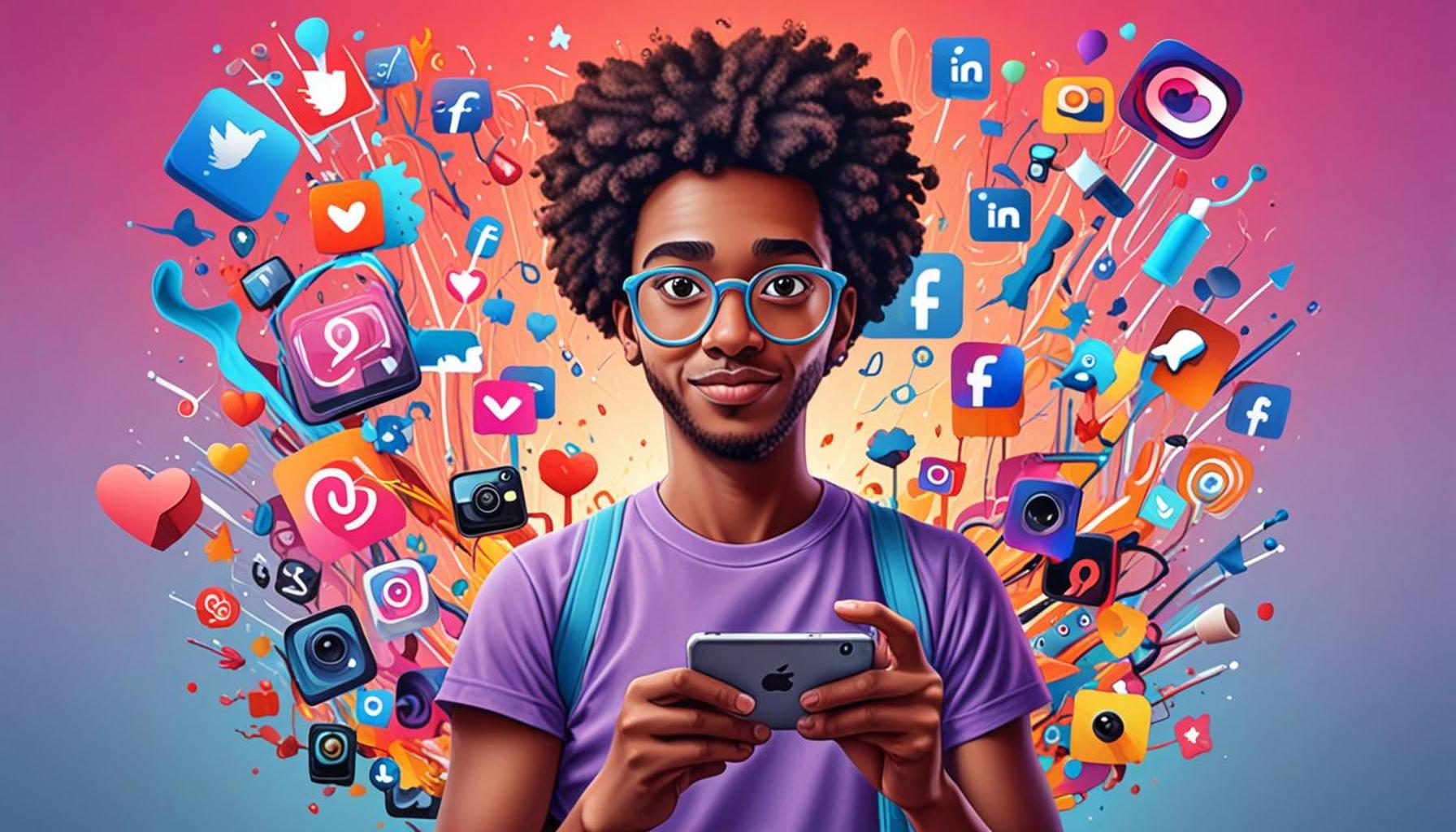
In the digital age, creators are witnessing a remarkable shift in how art is promoted and consumed. Social media platforms have emerged as essential tools for independent creators seeking to showcase their artwork and connect with their audience. This evolution has made it clear that traditional gallery exhibitions are no longer the only option for artists to gain visibility. Instead, the vast world of online networks allows creators to engage and interact with their audiences on a global scale.
Instant Feedback and Engagement
One of the most significant advantages of social media is the potential for instant feedback. Artists can share their work in real-time and receive immediate reactions from their followers. This feedback loop can be invaluable; it allows creators to gauge interest in certain pieces, adjust their styles, or pivot toward more popular themes. For example, artists like Jen Skelley and her whimsical illustrations have amassed significant followings on platforms like Instagram, where she encourages her followers to comment on new designs, thus creating a dynamic conversation about her work.
Breaking Geographical Barriers
Another critical aspect of leveraging social media is its global reach. Artists can easily share their work with audiences far beyond their local community. Platforms such as TikTok and Pinterest enable users from diverse backgrounds to discover and appreciate art forms they might not encounter otherwise. For instance, a textile artist based in New York can showcase her work to a potential buyer in Tokyo, thus transcending traditional geographic limitations and expanding her customer base exponentially.
Cost-Effective Marketing Solutions
The cost-effectiveness of social media marketing is particularly beneficial for independent creators who often operate on tight budgets. Many platforms offer free accounts with various tools for showcasing work, engaging followers, and even hosting live events. By using targeted hashtags, artists can enhance their visibility without incurring significant advertising expenses. Creatives like Kelli Murray, known for her stunning illustrations, use their online presence to build brand awareness without the financial constraints that come with traditional advertising.
Challenges and Opportunities
While the transformation brought about by social media offers notable opportunities, it also presents challenges. With an overwhelming amount of content being shared daily, artists must find innovative ways to stand out in the crowded digital marketplace. Platforms such as Instagram and Pinterest dictate trends that can change rapidly, and keeping pace while maintaining artistic integrity can sometimes feel daunting. However, this environment also encourages experimentation, allowing artists to explore new mediums and topics based on audience interests.
Building a Shared Community
Engagement through social media fosters a sense of community between artists and their audiences that was previously difficult to achieve. This blurring of lines between the artist and the viewer leads to unique dialogues around art promotion in the digital era. By sharing behind-the-scenes content or hosting live Q&A sessions, artists cultivate a more personal relationship with their supporters, ultimately enhancing their brand loyalty. This evolution encourages artists to view their digital presence not just as a marketing tool but as a community-building forum.
As independent creators navigate the complexities of promoting their art in such a rapidly evolving landscape, the insights gained from studying their successes on social media can provide valuable lessons. The unprecedented power of these platforms holds the potential for transforming not just individual careers but the art world as a whole, promising exciting developments and opportunities for exploration.
DISCOVER MORE: Click here to learn about the evolution of craft materials
Expanding Horizons: The Role of Social Media in Artist Promotion
As the landscape of art promotion continues to evolve, social media stands out as a game-changer for independent creators. It allows artists not only to showcase their work but also to narrate their personal stories and develop a unique brand identity. With platforms like Instagram, Twitter, and Facebook at their fingertips, artists can forge connections that were previously unthinkable, paving their way toward gaining recognition in an increasingly competitive market.
Harnessing Visual Storytelling
Social media thrives on visual content, making it the perfect avenue for independent artists. The power of visual storytelling enables creators to convey their artistic vision through dynamic images, videos, and even live streams. According to a study by the Pew Research Center, over 70% of U.S. adults use social media, emphasizing the vast audience available to artists aiming to promote their work. By utilizing high-quality photographs and engaging captions, artists can capture the attention of potential admirers and clients.
The Viral Nature of Art Sharing
The potential for content to go viral presents an exciting opportunity for independent creators. With a single post shared widely, an artist’s following can grow exponentially, leading to increased sales and invitations to collaborate. For instance, consider the case of an emerging muralist who posts a time-lapse video of their work on TikTok. If that video resonates with viewers, it may be shared across various platforms, introducing the artist’s work to audiences around the globe. This level of reach was unfathomable before the proliferation of social media.
A New Era of Collaborations
The interconnected nature of social media does more than allow for direct artist-to-audience engagement; it also facilitates collaborations between creators. Artists can easily find like-minded individuals for joint projects or exhibitions, leading to mutual promotion and broader exposure. Some notable benefits of these partnerships include:
- Increased visibility: Collaborating artists can cross-promote their work among distinct follower bases, attracting new fans.
- Resource sharing: Artists can pool resources or knowledge, benefiting from each other’s experiences and networks.
- Diverse content creation: Working with others can inspire new ideas and greater creativity, leading to fresh and engaging content.
The Dilemma of Authenticity
As beneficial as social media can be, it raises complex questions regarding authenticity and the commercialization of art. Independent creators are often challenged to balance their artistic integrity with the need to engage in market trends and algorithms that favor certain types of content. Finding this balance can significantly impact how their art is perceived. Artists like Frances Cannon, who juxtaposes candid and emotion-driven art with commercial appeal, have walked this tightrope effectively, illustrating that maintaining authenticity while utilizing social media tools is indeed achievable.
Navigating the Digital Art Marketplace
With the rise of online selling platforms integrated into social media channels, independent artists have new opportunities to monetize their work directly. Websites like Etsy and Facebook Shops allow creators to reach customers directly without the need for intermediaries such as galleries, thus maximizing their profits. This direct-to-consumer approach fosters community-driven support and encourages fans to invest personally in the artwork they love.
In conclusion, social media has drastically reshaped the routes through which independent artists promote their art, helping them to expand their reach and build engaged communities. But as these creators navigate this vibrant landscape, they must also grapple with challenges that require strategic thinking and emotional resilience. The unfolding dynamic between art and social media is one that continues to define the future of art promotion, making it an exciting domain for both artists and art enthusiasts alike.
| Category | Description |
|---|---|
| Targeted Reach | Social media platforms allow independent creators to reach specific audiences interested in their art styles, leading to increased engagement and sales. |
| Fan Interaction | Direct communication with fans and art enthusiasts fosters a stronger community, enhancing loyalty and ongoing support for creators. |
| Cost-Effective Marketing | Low-cost promotional tools on social media reduce barriers to entry for new artists, enabling them to showcase their work effectively. |
| Viral Potential | Content can turn viral, dramatically increasing visibility of an artist’s work, opening doors to new opportunities globally. |
Social media serves as a powerful engine for shaping the careers of independent creators, providing them with tools to not only promote but also reinvent their artistic identities. By engaging directly with an audience that shares their passions, artists can cultivate meaningful connections that transcend traditional art markets. The very nature of platforms like Instagram, TikTok, and Twitter encourages creators to experiment with diverse forms of engagement, be it through engaging storytelling, behind-the-scenes content, or live interactions that bring their artistry to life in real-time. Moreover, sharing art online allows creators not only to receive immediate feedback but also to adapt their work based on audience response. This adaptability is a crucial advantage in the dynamic landscape of contemporary art. As independent artists leverage these platforms to build personal brands, their narratives evolve, creating layers of authenticity that resonate with viewers eager to support their journeys. Thus, the influence of social media is not simply about visibility; it is a transformative pathway that enables creative growth and sustains artistic endeavors.
DISCOVER MORE: Click here to dive deeper
The Dynamics of Audience Engagement and Community Building
One of the most significant advantages of social media for independent creators is the ability to cultivate active and engaged communities. Platforms like Instagram and Facebook allow artists to foster relationships with their audience in ways that traditional media simply cannot. By directly interacting with their followers through comments, messages, or even live Q&A sessions, artists can receive immediate feedback on their work and build meaningful connections. This level of engagement not only creates a sense of loyalty but also transforms casual viewers into dedicated supporters.
The Impact of Authentic Engagement
Independent artists who engage authentically with their audience often see substantial benefits. Research has shown that artists who share behind-the-scenes content, personal anecdotes, or insights into their artistic process can significantly increase their follower engagement. According to a survey conducted by Hootsuite, 68% of consumers believe that social media enables them to interact with brands and creators in a more personal way. This interaction fosters a sense of belonging and encourages fans to share the artist’s work within their own networks, amplifying exposure and reach.
Utilizing Hashtags and Challenges
Effective use of hashtags and participation in social media challenges have become akin to a contemporary word-of-mouth marketing strategy for artists. By strategically employing trending hashtags or joining popular art challenges, creators can significantly boost their visibility to audiences beyond their existing follower base. For instance, the viral #Inktober challenge has inspired countless artists to create and share their ink drawings throughout October, benefiting from increased views, shares, and engagement during the event. Moreover, it encourages camaraderie within the artistic community and opens doors to new collaborative opportunities.
The Power of User-Generated Content
An intriguing facet of social media is the potential for user-generated content. When fans share their interpretations of an artist’s work or post photos featuring their purchases, it acts as organic marketing for the creator. This consumer-driven promotion not only serves to validate the artist’s work but also broadens their reach as followers reposts spread like wildfire. According to a report from Nielson, user-generated content is 50% more trusted than traditional brand content, showcasing its power in reinforcing authenticity and driving engagement. Artists are thus encouraged to create engagement campaigns that invite fans to contribute their own content, thereby weaving a rich tapestry of community involvement.
The Intersection of Sales and Promotion
In the realm of social media, marketing and sales coincide beautifully. For independent artists, platforms like Instagram Shopping have integrated seamless purchasing options directly into their profiles. This feature allows art creators to tag their pieces in posts, leading interested buyers directly to a checkout, removing the barriers typically found in the process of discovering and purchasing art. Additionally, promotional pop-ups and exclusive virtual events hosted on platforms like Facebook and YouTube offer creators a chance to showcase collections and interact with potential buyers in a live setting, fostering a sense of urgency and exclusivity.
The Risks of Over-Saturation
While the rewards of social media promotion are substantial, artists must also be cognizant of the risks associated with over-saturation. With so many creators vying for attention, audiences can become overwhelmed and disengaged. Artists might resort to frequent posting or sensational content at the expense of artistic quality or authenticity. The challenge lies in striking a balance: maintaining a consistent presence without sacrificing the essence of their work. Finding the right rhythm is crucial for fostering a lasting connection with followers.
DISCOVER MORE: Click here to learn how social media transforms homemade cooking
Conclusion
As explored throughout this article, the impact of social media on the promotion of independent creators’ art is profound and multifaceted. By harnessing the power of platforms like Instagram, Facebook, and TikTok, artists can significantly broaden their audience reach and establish authentic connections with their followers. The dynamics of audience engagement, coupled with community-building strategies, have transformed how art is experienced and shared in the digital age. Amidst the vibrant interactions and user-generated content, artists find opportunities to showcase their creative processes, thus solidifying their brand and enhancing viewer loyalty.
Furthermore, the intersection of promotion and sales through integrated shopping features makes acquiring art more accessible than ever, actively bridging the gap between creators and interested buyers. However, as the competitive landscape continues to evolve, independent artists must remain vigilant about the risk of over-saturation. Striking the right balance between consistent engagement and preserving artistic integrity is essential for long-term success.
Ultimately, social media has democratized the art world, allowing independent talents to thrive in unprecedented ways. As they navigate this digital frontier, artists have the chance to redefine conventional norms, engage audiences meaningfully, and promote their creations more effectively. The future holds immense potential for independent creators, whose voices can echo through the vast networks of social media, shaping the cultural landscape and inspiring the next generation of art lovers. For those curious to delve deeper, exploring emerging platforms and trend dynamics can unveil even more opportunities for innovation in art promotion.