The Intersection of Digital and Traditional Art: New Possibilities for Creators
The Convergence of Artistic Realms
The realms of digital and traditional art are converging like never before, creating vibrant new opportunities for creators. Artists are increasingly finding innovative ways to blend these two mediums, enriching their work and expanding their audiences. This fusion not only transforms individual projects but also redefines the art landscape in profound ways.
This intersection offers a multitude of innovative possibilities:
- Mixed Media Creations: A growing number of artists are harnessing the potential of mixed media by combining traditional materials like acrylics or watercolors with digital elements. For instance, artists might print their digital illustrations onto canvas, then embellish them with hand-painted details, adding depth and uniqueness. This technique creates complex textures and visuals that stand out in a crowded art market.
- Interactive Installations: In contemporary galleries across the United States, digital projections are frequently used to enhance traditional sculptures and paintings. Innovative installations, such as those found at the Museum of Modern Art in New York or the Getty Center in Los Angeles, invite viewer engagement. Visitors can interact with projections that respond to their movements or touch, thus transforming the viewer from a passive observer to an active participant in the artwork.
- Online Marketplaces: The ability to sell art has undergone a renaissance in the digital age. Platforms like Etsy, Artsy, and Saatchi Art allow creators to showcase and sell both physical and digital artworks globally. This has democratized art sales, enabling emerging artists in small towns or urban centers to reach vast audiences, providing new revenue streams that have a significant impact on their artistic careers.
Moreover, the blending of these mediums has spurred fresh technological advancements. For instance, tools like tablets equipped with styluses allow artists to experiment with brush strokes in a digital format that mimics traditional techniques. Augmented reality apps can bring static artworks to life, enhancing storytelling elements within the art. This technological evolution means that artists are no longer confined to one style or medium but can explore and reimagine their creative processes.
This evolution prompts the question: How does this convergence impact the way we perceive art? The answer lies in the shifting definitions of creativity and craftsmanship. The incorporation of technology challenges traditional boundaries, making art more accessible and diverse than ever before. Understanding these dynamics is crucial for embracing the future of artistic expression. As these two worlds continue to blur, the possibilities become endless, encouraging both artists and audiences to explore new dimensions of creativity.
DISCOVER MORE: Click here to learn about the impact of music and dance in therapy
Exploring New Artistic Dimensions
The intersection of digital and traditional art is not merely a trend; it represents a profound shift in how artists approach their craft. This evolving landscape has given rise to numerous experimental techniques that challenge preconceived notions of artistic expression. Artists are discovering that by merging skills from both realms, they can create works that resonate on multiple levels, connecting with diverse audiences.
One of the most exciting developments in this fusion is the rise of artistic collaborations. Artists from different disciplines are coming together to share insights and techniques, blurring the lines between painting, sculpture, and digital media. For example, a muralist might collaborate with a digital designer to create an augmented reality experience, where viewers can use their smartphones to see dynamic visuals overlaying a physical mural. Such partnerships not only broaden the creative process but also expand the emotional and experiential range of the final piece, inviting viewers into a more immersive narrative.
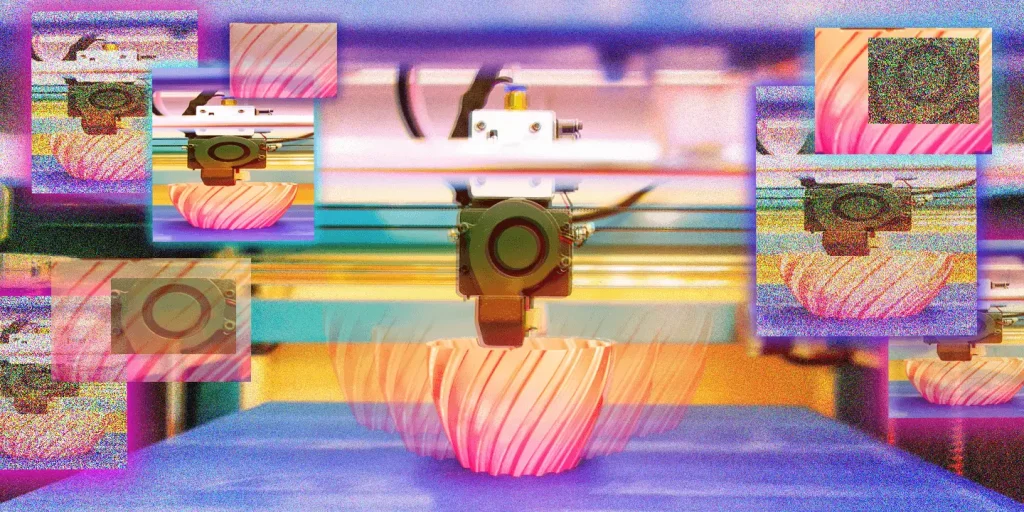
Furthermore, the introduction of 3D printing technology has catalyzed a transformation in the creative process. Artists can now design intricate sculptures digitally, then bring them into the physical world through 3D printing. This technology enables the exploration of forms and structures that were previously impractical or impossible to produce manually. For instance, artists Eric McLuhan and Karam Gill have garnered attention for their 3D-printed sculptures that incorporate traditional crafting techniques, showcasing a tangible fusion of digital design and hand-finished artistry. This innovative approach not only showcases aesthetic mastery but also pushes the boundaries of craftsmanship.
Moreover, the resurgence of many traditional art techniques, such as printmaking and collage, is being rejuvenated by digital experimentation. Artists are employing scanning and computer manipulation to enhance their traditional methods, creating hybrids that resonate with contemporary aesthetics. This combination allows artists to tap into the tactile joy of working with physical materials while leveraging the versatility of digital tools. The result is a new wave of art that retains the soul of traditional practices, yet is imbued with modern relevance.
The intersection of these art forms is redefining not only how art is created but also how it is experienced. The advent of digital platforms allows artists to showcase their work in innovative ways, facilitating greater interaction and engagement with the audience. Virtual reality exhibitions and digital galleries, for instance, transcend geographical limitations, allowing art to be accessed and appreciated by a global audience. In a society that increasingly values accessibility and inclusion, this is an essential shift that benefits both artists and enthusiasts alike.
As this vibrant conversation between digital and traditional art continues to evolve, it challenges the very essence of creativity itself. The blend of techniques and mediums encourages artists to think beyond conventional boundaries, prompting them to ask the crucial question: How can my tools and techniques reshape my creative vision? This exploration fosters a culture of innovation, enriching the artistic community and captivating the imaginations of audiences everywhere.
| Advantages of Digital Art | Advantages of Traditional Art |
|---|---|
| Accessibility | Tactile Experience |
| Digital tools and platforms make art creation more accessible to a broader audience, allowing artists to share their work globally. | Traditional art provides a unique tactile experience that engages the senses, creating a connection between the artist and the medium. |
| Creative Experimentation | Historical Significance |
| Using digital technology, artists can experiment with various styles, techniques, and modifications without the limitations found in traditional materials. | Traditional art carries a rich historical significance, offering depth and context to contemporary work while honoring past techniques. |
The intersection between the two worlds promises exciting prospects for creators, as they blend traditional methods with digital innovation. For instance, artists can begin their work using digital tools and print their pieces using traditional techniques, standing at the forefront of this revolution. This not only enhances their creative portfolio but also expands their market reach in an ever-evolving digital landscape. With the ability to harness digital platforms for promotion, collaboration, and sales, artists have unprecedented opportunities to showcase their work to diverse audiences, driving an era of artistic synergy that fosters cross-disciplinary collaborations. This blend of art forms not only pushes the boundaries of creativity but also encourages dialogue between practitioners of various art forms, enriching the cultural fabric of art itself.
DIVE DEEPER: Click here to discover the magic of dance and theater collaborations
Cultural Impact and Community Engagement
The integration of digital and traditional art is not only redefining artistic practices; it is also creating profound cultural impacts and new avenues for community engagement. One striking manifestation of this is seen in the realm of social media platforms, where artists are leveraging digital tools to reach wider audiences, fostering connections and building communities around their work. For instance, platforms like Instagram and TikTok have evolved into significant venues for both traditional and digital artists to showcase their creations, allowing instant feedback and interaction from viewers. This democratization of artistry empowers creators to pursue their vision without the gatekeeping often associated with traditional galleries.
Additionally, the rise of digital art marketplaces has opened up new commercial opportunities for artists while bridging the gap between physical and virtual sales. Creators can sell their work as printable files, digital downloads, or even non-fungible tokens (NFTs), which have gained sizable traction in recent years. NFTs represent a unique intersection of digital and traditional art as they allow artworks to be authenticated and collected in the digital realm. Notable instances include artists such as Beeple, who famously sold a digital collage for $69 million at a Christie’s auction, demonstrating the lucrative potential of merging these artistic domains.
The blending of cultures through art has also led to unique initiatives that celebrate the rich diversity within communities. Artists are increasingly employing technology to document and reflect their cultural heritage, utilizing digital storytelling to engage audiences in new ways. For example, projects that incorporate augmented reality not only showcase the physical art pieces but also provide historical context, enhancing the viewer’s understanding and appreciation of the work. This blend of visual and experiential learning invites a deeper dialogue about the narratives within art pieces and the communities they represent.
Education and workshops are other critical areas where the fusion of digital and traditional art is making an impact. Institutions and independent creators are offering courses that combine these disciplines, empowering budding artists to harness the potential of digital tools alongside traditional methods. For example, art schools in the US are increasingly including digital painting and graphic design as integral components of fine arts curricula, preparing students for the evolving landscape of the art world. This educational approach not only equips students with diverse skills but also cultivates an open-minded perspective regarding the potential of integration in their future creative endeavors.
The conceptualization of art as a fluid and dynamic process is perhaps one of the most transformative outcomes of this intersection. Projects like interactive public art installations allow audiences not only to engage with the artworks but also to influence outcomes through their interactions. This participatory aspect encourages collaboration between artists and communities, enabling a co-creative environment where spectators become contributors. Initiatives such as these have the potential to redefine social dynamics, making art a communal experience that extends beyond the individual creator.
Ultimately, the ongoing dialogue between digital and traditional art holds significant implications for social movements as well. Artists are using their platforms to drive conversations around important issues, utilizing digital mediums to amplify their voice and reach even broader audiences. This synergy is enriching the narrative around critical topics such as identity, social justice, and environmentalism, allowing for a more nuanced and engaged artistic expression that resonates with contemporary sensibilities.
DIVE DEEPER: Click here to explore the connections
Expanding Horizons for Creators
As we explore the intersection of digital and traditional art, it becomes evident that creators are standing at the forefront of a transformative era. The fusion of these mediums not only enhances artistic expression but also cultivates an environment ripe for innovation and collaboration. By embracing digital platforms, artists can transcend geographical barriers, connect with diverse audiences, and share their narratives in ways that were previously unimaginable.
The emergence of digital marketplaces and the growing popularity of NFTs represent significant advancements that have redefined how art is bought, sold, and appreciated. This shift empowers artists economically while also legitimizing the value of digital creations within traditional art circles. Furthermore, the integration of technology encourages artists to document, share, and reflect on their cultural heritage, facilitating a broader understanding of the communities from which they stem.
In addition, educational institutions adapting their curricula to include both digital and traditional forms equip a new generation of artists with the knowledge and tools necessary to navigate a rapidly evolving landscape. This approach fosters creativity and flexibility, essential traits for those looking to make an impact in the contemporary art world.
In conclusion, the dialogue between digital and traditional art creates a dynamic tapestry that enriches the creative landscape. As artists continue to push boundaries, engaging with new technologies and methods, they are paving the way for artistic exploration that is inclusive, impactful, and deeply connected to the world around them. For those seeking inspiration or wishing to delve deeper into this multifaceted realm, the future of art holds boundless opportunities waiting to be discovered.