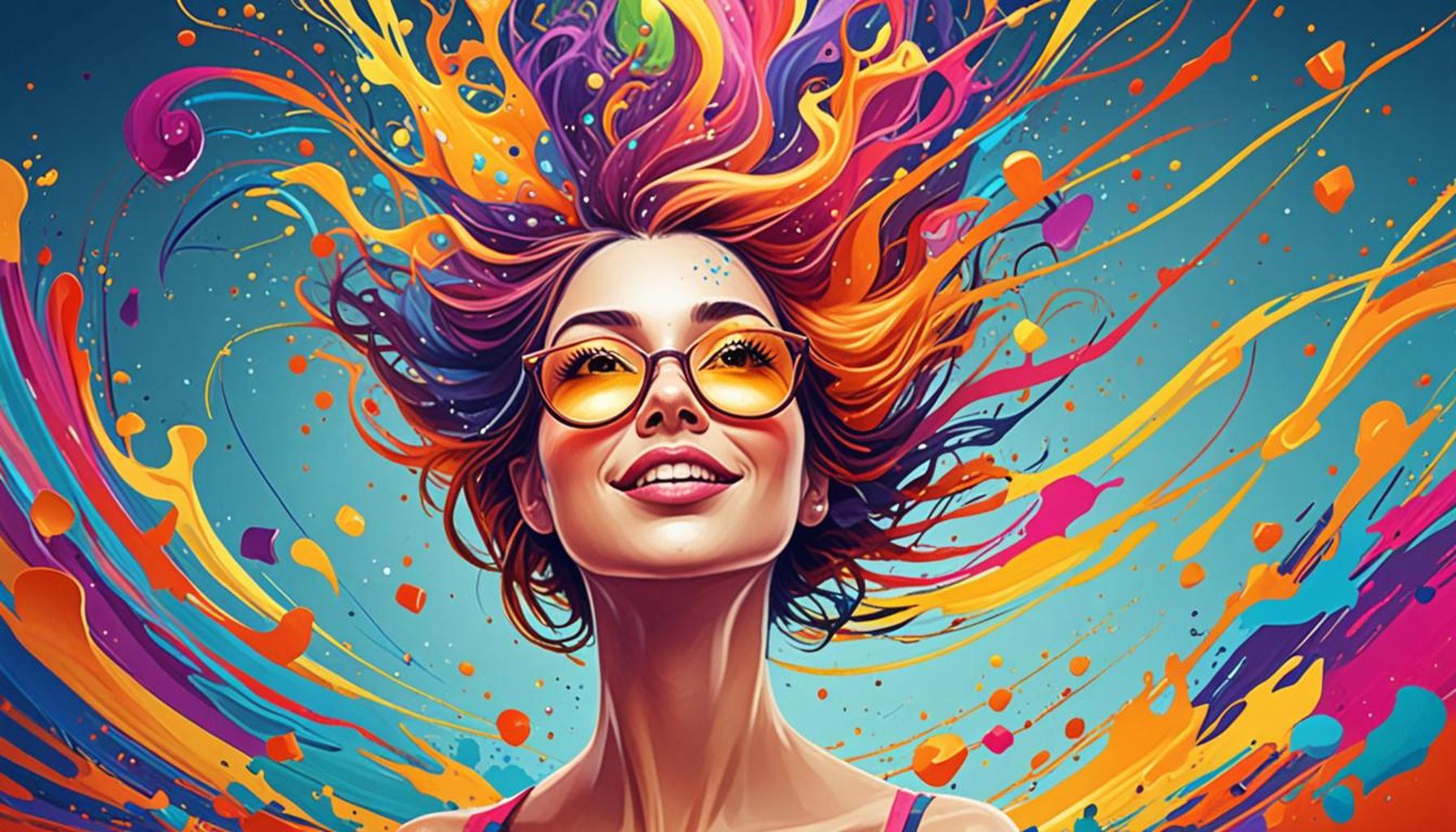
Exploring Art as a Form of Social and Political Activism
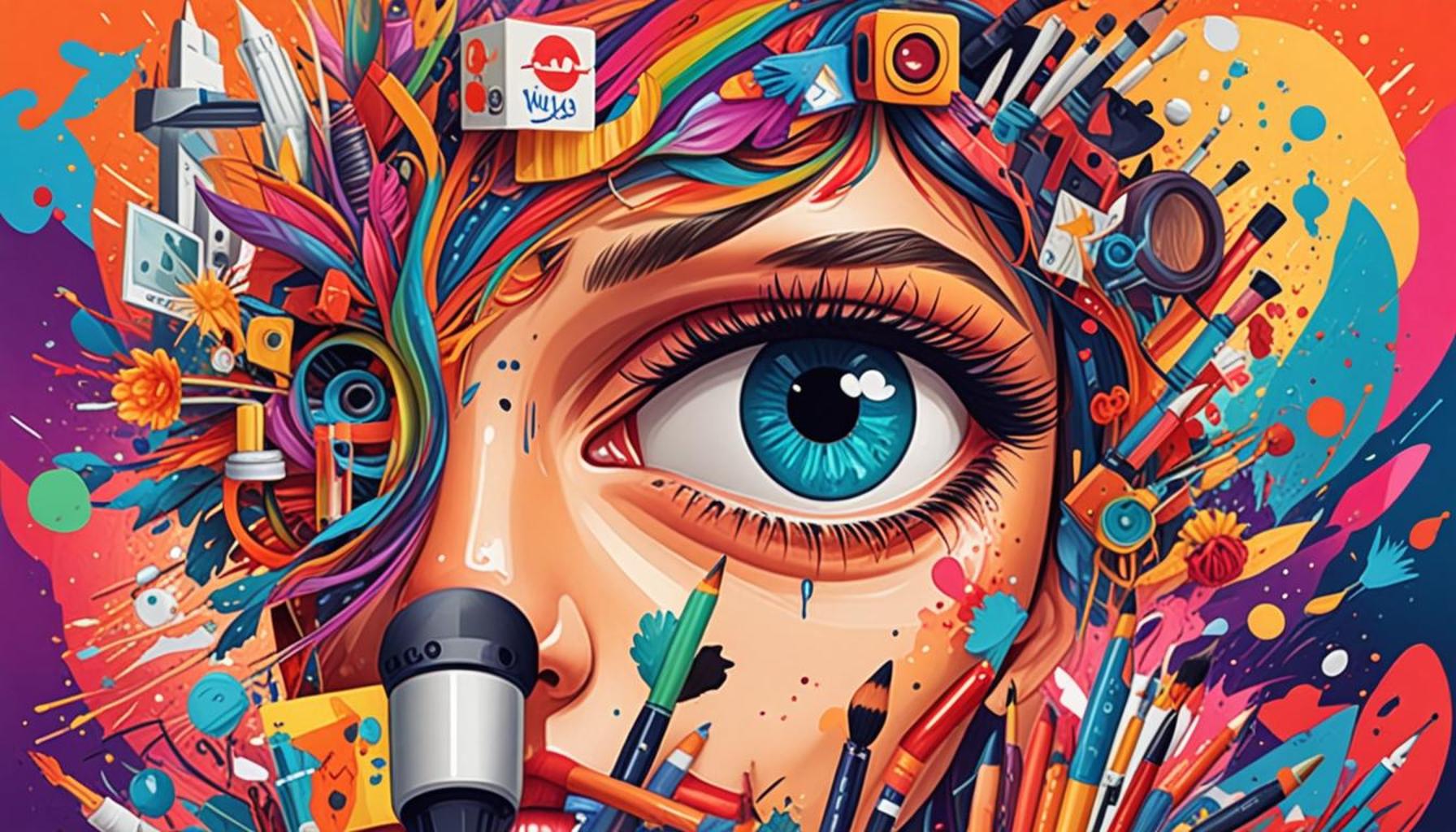
The Transformative Power of Artistic Expression
Art possesses the unique ability to transcend boundaries and convey profound messages. Throughout history, artists have utilized their creative expressions to challenge norms and provoke thought on social and political issues. The potency of art lies not only in its emotional resonance but also in its capacity to spark critical conversations and inspire collective action.
From murals to performances, various forms of art serve as a platform for activism, acting as a mirror to society and sometimes a map for change. Key examples include:
- Street Art: Graffiti and public installations often reflect community struggles and cultural identity. Artists like Shepard Fairey, known for his iconic “Hope” poster of Barack Obama, have used street art to galvanize support for social justice causes. The rise of murals in urban areas has become a canvas for addressing issues ranging from police brutality to climate change, inviting public engagement and dialogue.
- Performative Art: Engaging audiences through live performances can produce powerful narratives that raise awareness. The work of artists like The Wooster Group and the immersive experiences they create challenge conventional perceptions and encourage viewers to re-evaluate societal norms. Performative art often breaks the fourth wall, fostering direct conversations about pressing issues like gender inequality and racial injustice.
- Visual Arts: Paintings and sculptures that comment on societal injustices can capture the attention of the masses. One notable example is “Tears of a Tree” by artist J. Michael Walker, which critiques environmental degradation. Visual artists often use symbolism and metaphor to communicate complex ideas, allowing viewers to interpret and reflect on the themes presented in their work.
- Literature and Poetry: Written words have long inspired noble movements and catalyzed social change. From the poignant verses of Maya Angelou to the searing critiques found in the works of contemporary poets like Claudia Rankine, literature serves as an essential tool for advocacy. Through storytelling, these artists illuminate the human experience, shaping public opinion and fostering empathy.
In the United States, movements like the Harlem Renaissance and Black Lives Matter illustrate how art can galvanize citizens and create dialogues about race, equity, and justice. The Harlem Renaissance of the 1920s was not only a blossoming of African American culture through music, literature, and art but also a profound social movement that called for civil rights and acceptance. Similarly, contemporary artists such as Banksy and Ai Weiwei have gained international attention for their thought-provoking work which ignites discussions on pressing global issues, including migration, free expression, and systemic oppression.
This article delves deeper into the intricate relationship between art and activism, exploring how creativity can influence public opinion and foster social change. As we navigate these troubled times, understanding the role of art becomes crucial. It serves as a reminder that through creativity, individuals can unite in shared ideals, challenge the status quo, and mobilize for a future that reflects justice and equality. As we continue to witness the intersection of art and activism, it becomes increasingly evident that art is not merely an aesthetic endeavor but a powerful vehicle for change.
DIVE DEEPER: Click here to uncover the influence of environment on art
Art as a Catalyst for Change
Art has always functioned as a powerful catalyst for social and political activism, often acting as a form of resistance against oppression. In times of turmoil, artists have harnessed their creativity to address issues such as injustice, inequality, and human rights abuses, crafting messages that resonate deeply within the fabric of society. The transformative nature of art allows it to break through the noise of everyday life and reach audiences on an emotional and intellectual level.
The notion that art can be a force for change is far from new. Historically, significant social movements have embraced various art forms to articulate their messages and rally support. The following are several notable examples that illustrate how art has been instrumental in advocating for social justice:
- Visual Storytelling: Comic books and graphic novels have emerged as accessible and engaging mediums for social commentary. Artists like Damion Scott and his work within the “Harley Quinn” series have delved into societal issues such as mental health and gender roles, encouraging deeper reflections on these topics through vivid illustrations and narratives.
- Documentary Film: The role of documentaries in activism cannot be overstated. Films such as “13th,” directed by Ava DuVernay, expose the pervasive problem of racial injustice within the American criminal justice system. By presenting real stories and factual data, documentary filmmakers provide audiences with the necessary context to understand complex issues and inspire them to advocate for change.
- Dance as Protest: Choreographers and dancers around the world have used their bodies to express dissent. The group “Black Lives Matter Dance” integrates movement into protest, allowing participants to embody their message and transform public spaces into venues for social critique. This form of expression captivates onlookers and creates a sense of solidarity among individuals united by a common cause.
- Photography: The visual documentation of social movements has played a crucial role in bringing awareness to pressing issues. Photographers like Dawoud Bey have captured poignant images that highlight the struggles and resilience of marginalized communities. Through their lenses, they not only record history but also challenge viewers to confront uncomfortable truths.
In the realm of contemporary activism, social media has become an indispensable tool for artists. Platforms like Instagram and TikTok allow creators to share their work with a broader audience, driving conversations around critical social and political issues. The viral nature of these platforms enables art to reach new demographics, amplifying voices that have historically been silenced and fostering a diverse tapestry of perspectives. In this digital age, art transcends physical galleries, becoming a vibrant force that demands attention online and offline.
As we continue to explore the intersection of art and activism, we must acknowledge that artistic expression is not just an outlet for personal creativity but also a potent medium for social transformation. By harnessing the power of art, individuals can challenge established narratives and advocate for a more equitable society. Understanding the multifaceted role of art in activism provides invaluable insight into how creative forces can mobilize communities and inspire meaningful change in the world.
Art’s Role in Mobilizing Movements
Art has a unique power to mobilize communities and ignite social movements, functioning as a catalyst for change. This transformative capacity is evident in how artists use their platforms to address pressing social issues, raise awareness, and inspire collective action. From powerful murals that adorn urban landscapes to poignant performance pieces that confront systemic injustices, art serves as a visual and experiential language that can resonate deeply within diverse audiences. By evoking emotions and prompting critical reflections, art can galvanize support for movements focused on equality, justice, and human rights.
Creating Dialogue through Artistic Expression
Artistic expression also fosters dialogue around complex political themes. Exhibitions and installations often create spaces for engagement, allowing communities to come together and share perspectives. Participatory art projects, where individuals contribute to a collective artwork, encourage inclusion and representation, making marginalized voices heard. This collaborative approach not only amplifies awareness of societal issues but also builds solidarity among participants, highlighting the interconnectedness of their struggles. Engaging with art in this manner transforms passive observation into active participation, empowering individuals to recognize their potential as agents of change.
Examples of Pivotal Artistic Movements
Throughout history, numerous artistic movements have emerged as a response to political oppression and social injustice. The Harlem Renaissance, for instance, celebrated African American culture while addressing racial inequality. Similarly, the Feminist Art Movement has challenged gender norms and advocated for women’s rights through various media. These movements illustrate how art not only reflects societal shifts but also propels them forward.
| Advantage | Description |
|---|---|
| Inspiration for Activism | Art encourages individuals to engage with social issues and fosters a sense of responsibility to act. |
| Community Building | Collaborative art projects create connectedness among participants, strengthening community ties and collective action. |
The Future of Political Art
As digital platforms evolve, artists increasingly utilize social media to amplify their messages. This shift allows for broader reach and instantaneous interaction with global audiences, enhancing the impact of their activism. The future of political art lies in its ability to adapt and intertwine with technology, creating new avenues for expression and engagement. As we continue to witness waves of activism worldwide, the fusion of art and social justice remains a pivotal force in shaping public narratives and pushing for transformative change.
DIVE DEEPER: Click here to discover more about how environment shapes art
Artistic Innovations Driving Activism
The continually evolving landscape of artistry reveals that innovative methods are essential for amplifying social and political activism. The transformative capabilities of technology and multimedia have broadened the ways artists engage with societal issues, enhancing their reach and impact. As we delve into the various manifestations of art in activism, it becomes apparent that creativity is not merely an aesthetic endeavor, but a vital resource in the fight for justice and change.
Theatre as Activism: One of the oldest forms of storytelling, theatre, has effectively served as a platform for social critique and reform. Organizations like the Living Theatre and productions such as “The Vagina Monologues” highlight issues related to gender equality and sexual violence, inviting audiences to reflect on their experiences and the world around them. The immersive nature of live performances engages viewers on a personal level, provoking discussions that extend beyond the theatre walls.
Street Art and Graffiti: Street art has emerged as a vibrant voice for activism, often taking form in the urban fabric of society. Artists like Banksy and Shepard Fairey utilize public spaces to deliver potent messages about government surveillance, consumerism, and climate change. Street art transcends traditional gallery settings, democratizing art and making it accessible to all. This unique medium often reflects the sentiments of those whose voices might otherwise be marginalized, catching the attention of passersby and igniting conversations within communities.
Performance Art: Distinct from traditional theatre, performance art allows for a more personal exploration of societal issues. Artists like Marina Abramović and Yoko Ono challenge norms through evocative performances that engage audiences physically and emotionally. Works such as “Cut Piece” by Ono not only confront the audience but also force spectators to wrestle with their own complicity in societal violence and objectification, fostering a deeper understanding of the themes presented.
The role of art in social activism is also evident in the literary world, where authors and poets reflect societal issues through their works. Spoken word poetry, for instance, has gained traction as a medium for marginalized voices. Performers like Sarah Kay and Phil Kaye employ their art to tackle topics such as race, identity, and mental health, while captivating audiences with impactful storytelling. These forms of literature not only spark dialogue but also connect individuals across diverse backgrounds, fostering empathy.
Moreover, the intersection of art and public policy is reshaping how communities advocate for change. Initiatives like “Art for Impact” demonstrate how city planners and artists collaborate to create engaging public art installations that address local issues, such as poverty, health care access, and environmental sustainability. This collaborative approach allows communities to visualize their aspirations and engage directly with policymakers, bridging the gap between art and activism.
As the conversation around social justice grows, art continues to evolve as a tool for advocacy. From street murals to performance pieces, artists are pressing the boundaries of creativity and challenging the status quo. By spotlighting pressing issues, they not only inspire audiences but also mobilize communities to take action, charting a path toward transformative social change.
DIVE DEEPER: Click here to uncover the art of recipe crafting
Conclusion: The Enduring Impact of Art in Activism
In an age marked by rapid change and turbulent societal dynamics, the role of art as a form of social and political activism remains as vital as ever. From the vibrant strokes of street murals to the gripping narratives of performance art, creative expression acts as a catalyst for awareness and engagement. What we have seen through the innovative practices highlighted in this exploration is that artistry transcends mere aesthetics; it becomes a battleground where the fight for social justice and political change unfolds.
As artists harness the power of various mediums, including theatre, spatial installations, and spoken word poetry, they challenge cultural norms and provoke necessary discussions. This rich tapestry of expression not only raises awareness around pressing issues but also builds community, fostering connections among individuals with diverse experiences and backgrounds. The impact of art in activism is not limited to mere visual appeal; it creates immersive dialogues that weave through the fabric of society.
Moreover, the collaboration between artists and policymakers underscores a paradigm shift where creativity meets strategy in addressing societal challenges. Initiatives like “Art for Impact” exemplify how public art can influence policy and engage citizens in meaningful ways. As we move forward, it is crucial to recognize and support these innovative intersections that empower communities and nurture change.
Ultimately, art remains a powerful tool for storytelling and activism, capable of inspiring action and resilience. The challenge now lies in sustaining this momentum and ensuring that artistic voices continue to resonate within the larger narrative of social and political transformation. By embracing the critical role of art in activism, we can encourage a more inclusive and empathetic society, one brushstroke, performance, or poem at a time.