The Magic of Textures: Incorporating Natural Materials into Your Craft Projects
Exploring the Rich Tapestry of Natural Materials in Crafting
In the vast world of creativity, crafting stands out as a profound medium to express individual artistic voices. By incorporating natural materials into your projects, the effect can be genuinely transformative. Natural textures breathe life into your creations, turning simple crafts into striking pieces of art that resonate on deeper levels.
Why Use Natural Materials?
- Unique Aesthetics: Each natural material, whether it’s dark mahogany or light birch, has its unique pattern and color variation. For instance, using reclaimed wood can add rustic charm with its weathered look, while polished stone provides a sleek, elegant flair. Such distinctions create an authentic appeal that manufactured items simply cannot replicate.
- Environmental Benefits: Opting for sustainable materials not only supports eco-friendliness but also aligns your creativity with a growing global movement towards sustainability. For example, bamboo is a fast-growing resource that can be harvested without causing deforestation, making it a popular choice for eco-conscious crafters.
- Enhanced Sensory Experience: Crafting with natural textures offers a multi-sensory experience. The warmth of wooden surfaces, the coolness of stone, and even the earthy scent of dried leaves can evoke emotional responses, enhancing the overall crafting experience. Engaging multiple senses fosters a more immersive connection to your creations.
From the solid strength of wood and the enduring quality of stone to the delicate beauty of leaves and the soft touch of natural fabrics, the spectrum of materials available can inspire countless craft projects. Integrating these elements not only enhances visual appeal but also fosters a deep connection to nature, instilling a sense of tranquility and limitless inspiration.
Incorporating Textures in Craft Projects
The journey of exploring how to weave natural materials into your work is both thrilling and rewarding. Consider starting your adventure with:
- Home Decor Items: Craft beautiful driftwood frames that tell a story, or create stunning stone coasters that add an earthy touch to your coffee table. The natural variations in colors and shapes ensure that each piece is truly one-of-a-kind.
- Jewelry: Experiment with seeds from exotic plants, seashells collected from beach walks, and charming wooden beads. These elements not only make wearables that stand out but also carry stories of their origins.
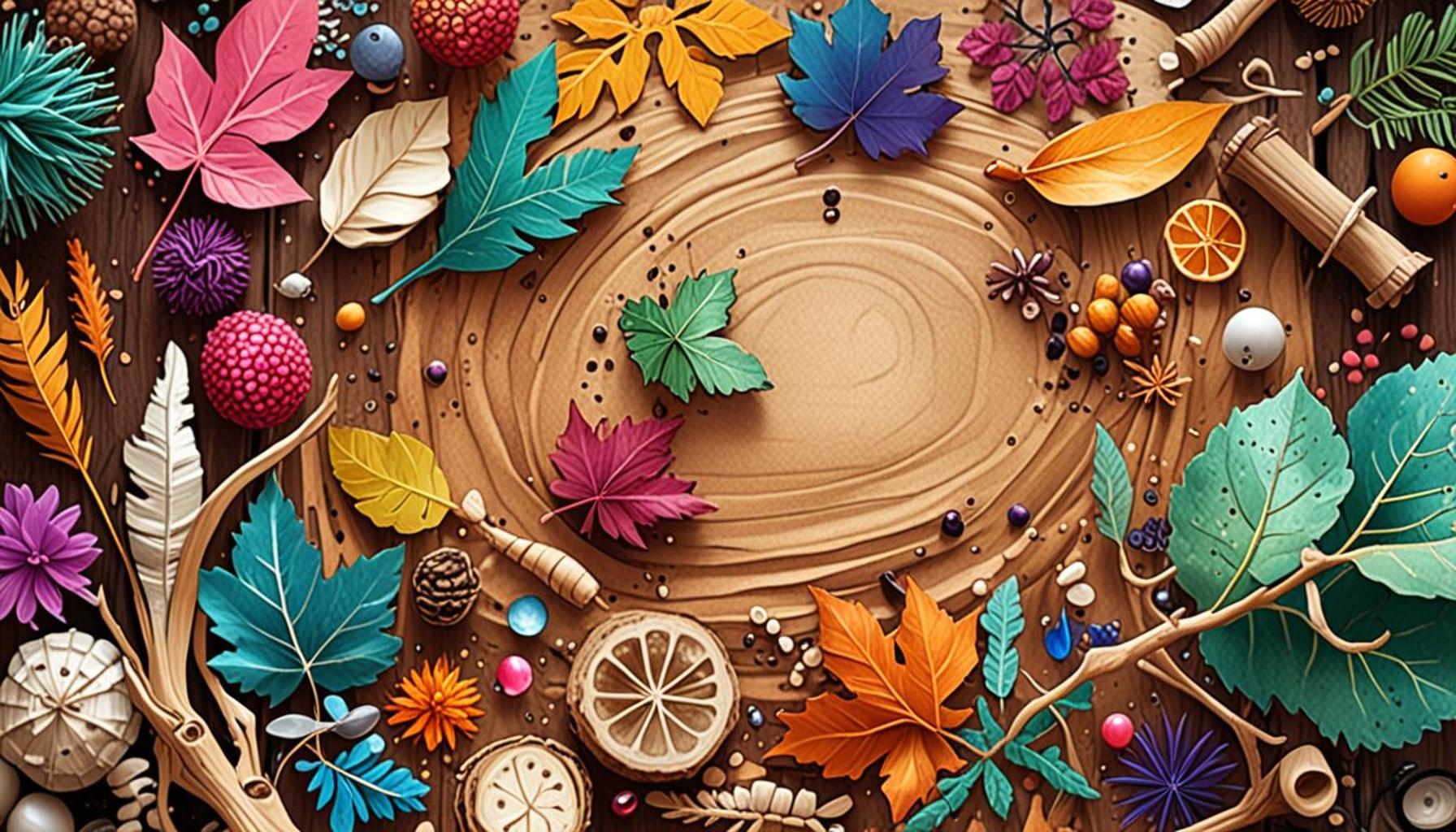
- Seasonal Crafts: Gather pinecones, acorns, or vibrant autumn leaves to create seasonal decorations. These materials encapsulate the essence of each season, allowing you to celebrate nature throughout the year.
Join us on a journey into the enchanting world of textures, where your creativity is bound to flourish in ways you hadn’t previously imagined. By embracing natural materials, you’ll not only enrich your craft projects but also find renewed inspiration in the simple beauty of nature that surrounds us. Each creation you bring to life can reflect a part of the world, inviting others to connect with it in meaningful ways.
DIVE DEEPER: Click here to uncover more artistic hobbies</
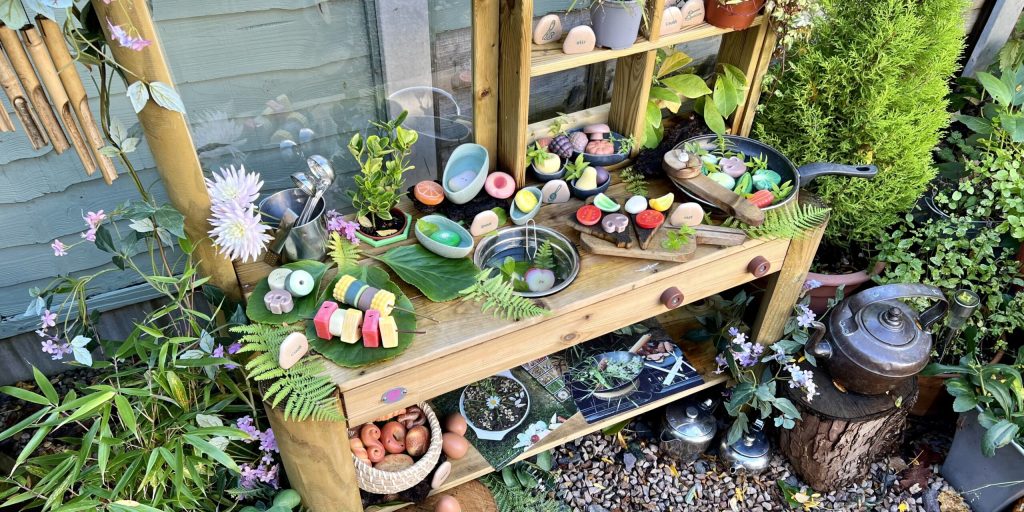
Cultivating Creativity with Natural Textures
When embarking on a crafting journey, the choice of materials plays a pivotal role in shaping the final outcome. Natural materials, brimming with character and inherent beauty, provide an exciting avenue for crafters to explore. They not only evoke a sense of authenticity but also offer a unique tactile experience that manufactured materials often lack.
Imagine running your fingers over the rough surface of a piece of reclaimed barn wood, or feeling the coolness of a broken tile recovered from a beach cleanup. Each texture tells a story, inviting you to dive deeper into inspiration from nature. Incorporating natural textures allows crafting enthusiasts to transform their projects into narratives that connect them to the earth, reflecting a harmonious balance between creativity and sustainability.
Unleashing the Power of Natural Materials
The beauty of using natural materials is that they can adapt to a myriad of craft applications, making them incredibly versatile. Crafters can utilize these elements in various ways:
- Fabric and Fiber Projects: Embrace organic cotton, linen, or hemp to make bags, quilts, and wearable art. The softness of these fabrics combined with the unique textures they offer can infuse depth into your designs, making each piece a tactile wonder.
- Artistic Sculptures: Use clay, stone, or driftwood to create sculptures that serve as focal points in home decor. These materials allow you to play with form, adding dimension through organic shapes that mimic nature’s own artistry.
- Mixed Media Collages: Gather natural elements like leaves, twigs, feathers, and pressed flowers to compose stunning visual narratives. The varying textures will create engaging contrasts that captivate viewers and invite them to explore each layer of your creation.
Moreover, the tactile engagement of these materials can usher in mindfulness. The act of crafting with natural elements encourages a slower pace, allowing crafters to be present and appreciate the journey of creation itself. This mindful connection often leads to unexpected inspiration, as the imperfections and unique markings of each material spark creativity in ways that uniform synthetic materials cannot.
The incorporation of natural materials into craft projects not only brings forth an aesthetic appeal but also promotes a significant shift towards eco-friendly practices. By reusing and repurposing items from nature, crafters can help reduce waste while creating something astonishing. The process of selecting and working with these elements cultivates an appreciation for the environment, fostering a desire to encourage its preservation.
Ultimately, the world of natural textures awaits you. As you embark on your crafting endeavors, let these materials inspire you to create in ways that resonate deeply, reminding both yourself and others of the beauty that surrounds us in nature. Embracing the magic of textures leads not only to exquisite crafts but also to a richer crafting experience infused with intention and wonder.
| Natural Materials | Advantages for Crafts |
|---|---|
| Wood | Durability and versatility in various crafting projects. |
| Clay | Customizability to create unique pieces for personal expression. |
| Textiles | Diverse textures that enhance the tactile experience in projects. |
| Stone | Natural beauty adds an organic feel to artistic creations. |
Experiencing the “Magic of Textures” means venturing into the world of natural materials that significantly elevate craft projects. Each material brings forth its unique properties, resulting in creations that resonate with quality and authenticity. For instance, incorporating wood adds not only a natural warmth but also a sense of sturdiness to your crafts, making them more appealing. Its versatility allows for unique finishes and designs that can range from rustic to modern.Similarly, clay offers an expansive playground for creativity, enabling crafters to mold and shape personalized items, while textiles infuse projects with varied textures that appeal to the senses, enhancing their overall aesthetics.Exploring stones as an option, we find that they provide a striking natural texture that can beautify any craft, imbuing projects with an organic essence that speaks to sustainability and appreciation for the natural world. Through these materials, artists can connect with nature and embrace the beauty of simplicity, nurturing a deeper bond with their creations.
DIVE DEEPER: Click here to uncover career paths in the performing arts
Exploring Unique Applications of Natural Textures
Natural materials offer a broad toolkit for creative minds, providing not just aesthetic appeal but also functionality across various crafting dimensions. Integrating these textures into your projects can elevate them from simple hobbies to potent expressions of art and sustainability.
Nature-Inspired Furniture and Home Decor
One of the emerging trends in the DIY community is the creation of bespoke furniture using reclaimed woods or upcycled materials. Reclaimed wood is not only sustainable but also full of character, often exhibiting unique grain patterns, knots, and weathered finishes that cannot be replicated. Whether it’s building a rustic coffee table or crafting shelving from barn wood, these pieces bring a piece of history into contemporary spaces. Moreover, incorporating natural fibers such as jute, sisal, or seagrass into rugs and decor softens the space while providing a tactile contrast to sleek modern furnishings.
Beyond furniture, the use of natural elements in fabrics can transform interior design. Think of curtains made from organic linen billowing in the breeze or decorative throw pillows filled with natural stuffing like kapok. These choices not only enhance the sensory experience of a room but also align with the increasing consumer demand for eco-conscious products.
The Art of Natural Dyes
Another fascinating aspect of using natural materials in craft projects is the potential for creating natural dyes. Extracting colors from roots, leaves, and even food waste can yield stunning hues that are both vibrant and environmentally friendly. For instance, avocado pits can produce soft pinks, while turmeric can offer a vibrant yellow stain. This practice not only enhances the textures in your projects but also promotes sustainable practices by utilizing what nature provides and reducing waste.
Experimenting with natural dyes allows crafters to connect more intimately with their materials. The process of dyeing fabric or yarn using these substances is a sensory experience, as the crafters engage with not just the texture of the materials but also their colors, scents, and the outcomes of their crafting journeys. The result? Unique items that carry stories and a sense of personal touch.
Interactive Crafting with Nature
Incorporating natural textures also opens the door for interactive crafting sessions, particularly for families and community groups. Crafting with materials like pinecones, acorns, and twigs can foster creativity in children, guiding them to explore their surroundings while constructing imaginative projects. From making bird feeders out of pinecones smeared with peanut butter and rolled in birdseed to crafting wreaths from vines and dried flowers, the possibilities abound and provide endless adventure.
Workshops themed around natural crafting materials are also gaining popularity, where groups can come together to learn techniques involving natural textures. These gatherings encourage collaboration and inspire participants to share their experiences, thereby nurturing community bonds while promoting eco-conscious practices.
As we delve deeper into the world of natural textures in crafting, the path becomes illuminated with opportunities. By embracing these materials, crafters can explore sustainable and imaginative avenues that acknowledge the beauty inherent in nature while fostering a connection between our creative impulses and the earth’s resources.
DISCOVER MORE: Click here to dive into the world of molecular cuisine
Conclusion: Embracing the Beauty of Natural Textures
In an era where the connection to nature is more important than ever, embracing the magic of textures derived from natural materials allows crafters to express creativity while honoring the environment. From unique furniture pieces that tell a story to the vivid hues of natural dyes, these elements infuse our projects with depth, character, and sustainability. The use of materials like reclaimed wood and organic fabrics not only beautifies our spaces but also complements the growing trend towards eco-conscious living.
Furthermore, the potential for community engagement through crafting is evident. Workshops and family crafting sessions nurture a collaborative spirit and invite exploration, allowing both adults and children to delve into the rich textures and stories woven into each piece. By incorporating natural materials, we can transform our approach to crafts, viewing them as an avenue for connection—both with one another and the world around us.
As you embark on your own crafting journey, consider integrating the diverse textures offered by nature. Not only will your projects become more vibrant and meaningful, but you will also play a part in promoting sustainable practices. So gather those pinecones, upcycle that old wood, and let the beauty of natural materials guide your creative expression. The possibilities are endless, and the results are a celebration of both artistry and the earth’s resources.