DIY: How to Transform Recycled Materials into Unique Craft Projects
Unlock Your Creative Potential with Recycled Materials
In a world increasingly focused on sustainability, it’s time to give new life to forgotten items that lurk in our homes. Turning recycled materials into one-of-a-kind craft projects not only reduces waste but also inspires creativity. This DIY journey allows you to craft meaningful pieces while contributing to a greener planet.
Exploring the Potential of Recyclables
Consider the endless possibilities that await you when you embark on crafting adventures with recycled materials:
- Plastic Bottles: These ubiquitous items, often discarded mindlessly, can be ingeniously transformed into a variety of useful objects. For instance, you can cut a plastic bottle in half, paint it, and turn it into a colorful planter for your herbs or flower seedlings. Alternatively, by cutting out holes and attaching a perch, you can create a delightful bird feeder that attracts local wildlife to your backyard. Creativity knows no bounds, and these simple projects can brighten both your space and your mood.
- Old Fabrics: Instead of tossing away worn-out clothes, why not breathe new life into them? Old T-shirts can be turned into unique tote bags, perfect for grocery shopping. Simply cut and knot the fabric to create a no-sew bag that’s both fashionable and eco-friendly. Similarly, quilted projects made from various fabric scraps provide warmth and comfort while showcasing your personal style – each patch tells a story and holds memories.
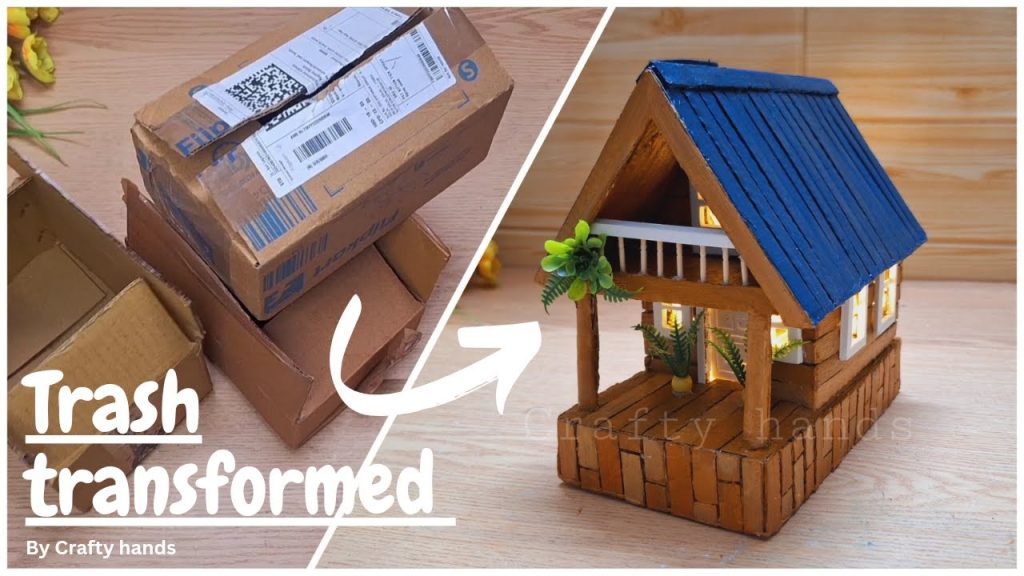
- Cardboard Boxes: These unassuming items can be transformed into practical organizers or whimsical sculptures that add character to your home. For example, a cardboard box can be upcycled into a drawer organizer to help declutter your workspace or as a thoughtful gift box wrapped in decorative paper or fabric. With a little creativity, cardboard can take on new dimensions and purposes, becoming much more than trash.
The Art of Upcycling
Not only do these projects foster innovation, but they also promote the idea of upcycling. By reimagining everyday waste, you can showcase your artistic talents while making a positive impact. Upcycling differs from recycling; it transforms materials into items of greater value rather than breaking them down. For instance, using glass jars for storage or creating art out of them can enhance both functionality and aesthetic appeal in any living space.
Your DIY Journey Awaits
Get ready to dive into the world of DIY craft projects that celebrate the beauty of reuse. Each creation tells a story and reflects your personal style while contributing to environmental conservation. Simple projects can often lead to profound changes in how we view waste.
As you embark on your upcycling adventure, seek out inspiration online, attend local workshops, or explore community groups focused on sustainability and crafting. The journey of crafting from recycled goods unveils rare treasures that can enhance your home and life, turning trash into unique treasures that are both functional and artful. Join us as we explore tips, techniques, and inspiration to kickstart your next eco-friendly project, and discover just how rewarding it can be to creatively repurpose what might otherwise end up in the landfill.
DISCOVER MORE: Click here for deeper insights
Kickstart Your Creative Journey with Everyday Discards
Before you toss out those outdated items cluttering your home, take a moment to consider their hidden potential. The beauty of DIY projects that utilize recycled materials lies in the fusion of creativity and sustainability. Each object you once deemed rubbish can become a canvas for innovation that enhances your environment while minimizing waste. Here are some more ideas to spark your imagination:
- Glass Jars: Often overlooked as simple storage, glass jars can be transformed into stunning décor. With a splash of paint or some decorative twine, they can serve as candle holders, spice containers, or charming vases. You might also consider creating a “gratitude jar,” where family members can drop in notes of appreciation throughout the year, culminating in a beautiful collection of positive reflections.
- Wine Corks: These small yet significant items are a crafty person’s delight. Turn them into coasters, bulletin board decorations, or even whimsical holiday ornaments. With a bit of glue and creativity, wine corks can come together to form creative photo frames or a unique trivet for your kitchen.
- Old Books: Books that are no longer read can find new life as wall art or decorative displays. Remove the spines and combine various pages to create a beautiful paper-mâché sculpture or turn those dusty books into a quirky bookshelf-inspired planter. This way, you not only clear some clutter but also make a striking statement piece.
- CDs and DVDs: Once popular but now obsolete, old discs can be creatively repurposed as reflective art or garden decorations. By gluing them together, you can create eye-catching suncatchers or even a unique bird bath that shimmers in the sunlight, drawing feathered friends to your yard.
Creative Techniques to Unleash Your Imagination
Mastering the art of transforming recycled materials requires a certain set of techniques that will help you refine your projects and give them a polished finish. Here are a few methods you might consider:
- Decoupage: This technique involves pasting different materials, such as fabric or paper, on objects to create new textures and designs. It’s especially effective for embellishing old furniture or making personalized gifts.
- Stenciling: Using stencils allows you to incorporate intricate designs onto your projects easily. Whether you’re planning to decorate a repurposed bookcase or custom tote bags made from old clothes, stenciling can add a professional touch.
- Painting: A fresh coat of paint can breathe new life into any project. From vibrant colors to muted pastels, paint offers limitless options for personalization, allowing you to match your creations with your decor style.
As you explore these ideas and techniques, remember that the journey is just as important as the end result. By diving into DIY craft projects with recycled materials, you not only create beautiful items but also contribute to environmental sustainability. This effort to repurpose and reimagine can offer both a sense of accomplishment and a meaningful impact on your community and planet.
Transforming Everyday Items into Beautiful Art
One of the most rewarding aspects of DIY projects is the opportunity to foster creativity while promoting sustainability. By transforming recycled materials into unique craft projects, you not only create art but also contribute to environmental conservation. Think about starting with materials you typically discard, such as plastic bottles, old magazines, or tin cans. Each of these items can have a new life when you apply a bit of imagination and some crafty techniques.
Inspirational Ideas
For instance, plastic bottles can be cut and painted to create whimsical planters for your garden. Alternatively, old newspapers can be rolled up and woven into intricate baskets, combining functional design with an eco-friendly message. Utilizing these materials doesn’t just yield charming decor; it also highlights the beauty of repurposing and the significance of minimizing waste.
Community Involvement and Workshops
Joining local crafting groups or workshops is another excellent avenue for creativity. Many communities host events where enthusiasts can learn and share skills, exchanging ideas on transforming recycled materials. This collaborative approach not only enhances your crafting abilities but also strengthens community bonds and raises awareness about sustainability.In your exploration, consider hosting a DIY recycling event. Gather friends and family, provide a variety of materials, and let creativity flow. Discovering how others see potential in everyday objects will broaden your perspective, making the crafting experience even more enjoyable.
Benefits of DIY Recycling
Engaging in DIY projects fosters a sense of accomplishment while encouraging resourcefulness. As you transform commonplace items, you develop valuable skills, including problem-solving and critical thinking. Each project becomes a testament to your abilities and an opportunity to educate others about the significance of recycling.With every unique craft you create, you’re not just making art—you’re championing a movement that advocates for the environment. As you embark on your journey to explore the limitless possibilities of recycled materials, you will inspire others to join the cause.
| Category | Description |
|---|---|
| Creative Functionality | Transforming Waste: Utilizes everyday items into functional art, promoting sustainability. |
| Community Engagement | Collaboration: Involves workshops and local events to share skills and inspire environmental consciousness. |
DISCOVER MORE: Click here to dive deeper
Innovative Ideas for Transforming Unused Items into Treasures
As you delve deeper into the world of DIY crafting, it’s important to recognize that the potential for creativity lies within even the most mundane objects. By thinking outside the box and embracing the art of repurposing, you can transform everyday items into functional and delightful pieces for your home. Here are some additional projects to consider as you embark on your crafting journey:
- Plastic Bottles: Instead of letting plastic bottles pile up in your recycling bin, transform them into useful gardening tools or décor. Cut the bottles in half, and use them as planters, or create vertical garden towers by stacking multiple bottles. You can also repurpose them into bird feeders; simply cut openings, add some food, and hang them in your yard for a delightful sight.
- Old T-Shirts: Stained or outdated t-shirts can enjoy a second life as trendy reusable shopping bags. By cutting and tying the sleeves and bottom hem, you can craft a sturdy tote perfect for grocery trips. Additionally, consider making a T-shirt quilt by sewing together several shirts to create a cozy and personal heirloom piece that tells your stories.
- Tin Cans: Those empty tin cans you typically toss out can be dramatically repurposed with just a bit of creativity. Clean and remove the labels, and you have an ideal canvas for rustic candle holders or unique herb planters in your kitchen window. You can also punch decorative holes into the cans to create beautiful lanterns, offering warm ambience for outdoor gatherings.
- Old Furniture: Furniture pieces that seem beyond repair don’t always have to be discarded. A little sanding, paint, and creativity can breathe life back into these items. For instance, an old dresser can be refinished and used as a changing table in a nursery, while wooden chairs can be transformed with bright colors and new upholstery, making them stand out as delightful accent furniture.
Engaging with the Community and Resources
Engaging with the local community can significantly enhance your DIY crafting experience. Many towns across the United States host upcycling workshops or crafting meet-ups where individuals can share ideas and inspiration. These gatherings are not only a great way to connect with like-minded individuals but can also serve as a platform to discover valuable resources, such as local recycle centers and thrift stores that provide a treasure trove of materials for your projects. You can also explore platforms like Pinterest and Instagram, which are rich in DIY content, showcasing talented crafters who repeatedly demonstrate that anything from faded furniture to broken toys can find newfound purpose. Online groups and forums dedicated to DIY and crafting can offer tips, tutorials, and even mentorship opportunities as you learn to refine your skills while exploring various materials.
As you navigate through your DIY journey, you will likely find a diverse array of projects that speak to your unique style and interests. This exploration will not only foster creativity but also form a deeper connection with the resources around you. The act of transforming recycled materials into unique craft projects allows you to contribute positively to environmental sustainability while cultivating personal expression and craftsmanship.
DIVE DEEPER: Click here to discover more
Final Thoughts: Embracing the Journey of DIY Crafting
In conclusion, the journey of transforming recycled materials into unique craft projects is not just about creating decorative or functional items; it is a celebration of creativity, sustainability, and personal expression. By embracing various materials, from everyday household items to discarded furniture, you can unlock a treasure trove of possibilities. Each project serves as a personal testament to your ingenuity and showcases the art of repurposing in a world increasingly focused on environmental responsibility.
The interconnectedness of the community through workshops and social media platforms provides endless inspiration and support, allowing you to connect with fellow crafters and share ideas. Joining these creative spaces can enhance your skills, opening doors to new techniques and methodologies while amplifying your crafting repertoire. Explore local recycling centers and thrift stores to find hidden gems that spark your imagination and contribute positively to your projects.
As you explore this expansive realm of DIY crafting, consider not only the end result but also the joy of the process itself. Each creation represents a choice to think sustainably, to innovate, and to embrace your unique narrative through art. Dive into the wonderful world of crafting, and witness how your passion for DIY can lead to remarkable transformations while making a meaningful impact on both your home and the environment.