The Importance of Performing Arts in Cultural Expression and Community Identity
The Role of Performing Arts in Cultural Expression
The performing arts stand as a powerful medium through which communities articulate their cultural narratives and forge a sense of communal identity. By presenting a tapestry of shared experiences, these art forms encapsulate the stories, traditions, and values integral to a community’s fabric. Within the United States, the diversity of cultural expression manifests vividly across various performance genres, including:
- Theater
- Dance
- Music
- Spoken word
Each of these disciplines carries distinct significance in both reflecting and shaping societal norms. For example, theater often acts as a crucible for critical dialogue, where productions like Lin-Manuel Miranda’s Hamilton redefine historical narratives and invite audiences to engage with American history from fresh perspectives. Similarly, dance, particularly in styles such as ballet, hip-hop, and various folk dances, celebrates cultural heritage and provides a platform for stories that might otherwise go unheard. The intricate rhythms and movements of traditional dances allow performers and audiences alike to connect deeply with their roots, often igniting pride and fostering intergenerational dialogue.
Music, too, serves an essential role. From the soulful strains of jazz in New Orleans to the vibrant country music that echoes through Nashville, melodies often accompany key moments of both celebration and social movements. Songs like “This Land Is Your Land” by Woody Guthrie illustrate the collective sentiments around social justice and equality, resonating with communities and inspiring action across generations.
Engaging with performing arts—whether through participation or appreciation—allows individuals to explore and affirm their shared identities. This engagement frequently leads to:
- Strengthened community ties
- Enhanced cultural understanding
- Promotion of diversity
Through festivals, local performances, and community outreach programs, the performing arts connect people from various backgrounds and experiences, creating spaces where conversations about race, culture, and identity can flourish. In urban centers like New York City, community theater projects often engage local residents in the storytelling process, empowering them to share their experiences and learn from one another. Moreover, spoken word poetry, which has gained immense popularity, features voices that challenge societal norms, effectively bridging generational and cultural divides.
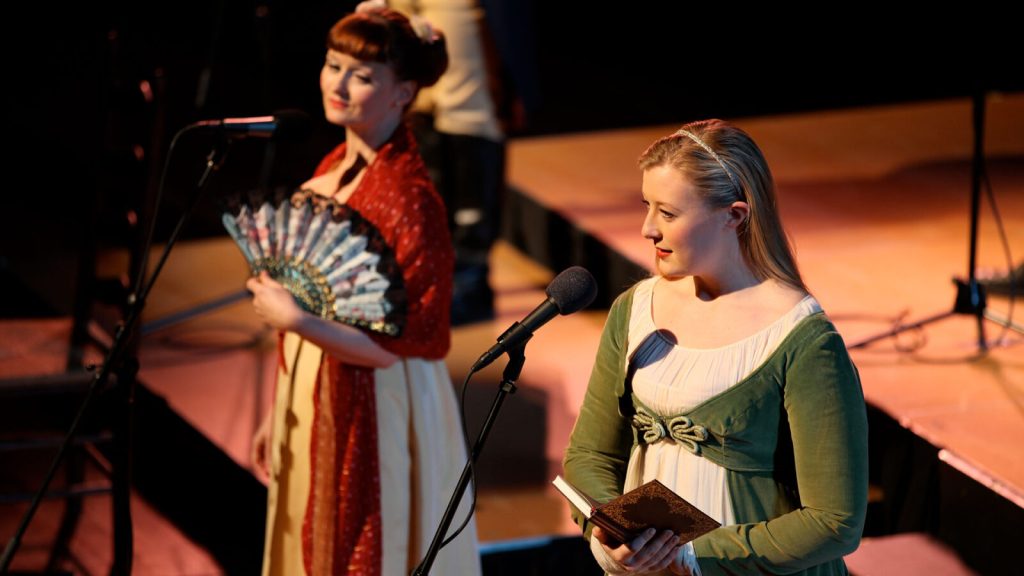
This article will explore the rich tapestry of performing arts as it pertains to community identity and cultural dialogue. Through compelling examples and narratives, we will uncover how these art forms echo the voices of the past while creating pathways to resonate with future generations.
DISCOVER MORE: Click here for deeper insights
Bridging Generations: Performing Arts as Cultural Heritage
At the heart of cultural expression lies a profound connection to heritage, a connection that the performing arts uniquely embody. Artists and performers draw upon age-old traditions and contemporary narratives to create a vibrant dialogue that transcends time and space. Through mediums such as theater, dance, and music, communities not only celebrate their past but also shape their futures—infusing their performances with the rich tapestry of experiences that define their identities.
One of the most striking features of performing arts is their capacity to serve as tools for historical documentation. Local community theaters have emerged as vital platforms for storytelling, where productions often reflect local legends, folklore, and historical events. For instance, productions like Our Town by Thornton Wilder encapsulate the essence of small-town America, drawing focus on everyday life and essential human connections. When artists perform these stories, they help preserve the cultural narratives that form the backbone of a community’s identity—a critical element for fostering a sense of belonging.
Furthermore, performing arts offer an opportunity to engage with the past in dynamic ways, allowing younger generations to not only learn about their culture but to actively participate in its continuation. Traditional dance forms such as cumbia in Latino communities or Native American powwow dances serve as both educational and celebratory experiences. These performances encourage intergenerational exchanges as elders impart knowledge of rituals, styles, and histories that have been passed down through the ages. The act of performing becomes an act of remembrance and a way to instill pride in one’s heritage.
In addition to celebrating cultural histories, the performing arts foster a sense of community identity through collaborative creativity. Community orchestras, for instance, not only bring together musicians from various backgrounds but also create a shared space for cultural exchange. By participating in common projects such as theater productions or music festivals, individuals bond over shared goals, creating rich experiences that strengthen community ties. This collaborative process extends to urban settings, where local artists often interweave different cultural influences to create something entirely new and representative of a multicultural America.
The Cultural Significance of Festivals and Events
Cultural festivals serve as another critical facet of performing arts in community identity. These gatherings allow the collective creativity of various ethnic groups to shine, providing opportunities for individuals to experience diverse cultural expressions. Events such as the National Folk Festival and Los Angeles’ Hollywood Bowl concerts showcase a fusion of traditional and contemporary performances, thereby creating a melting pot of artistic collaboration. Audiences become intertwined with these expressions, fostering a greater appreciation and sense of identity among participants.
The fostering of community identity through performing arts is ultimately about more than entertainment; it is about shared experiences and collective memories that shape who we are. By providing platforms for expression, performing arts ensure that every voice is heard and every story told, solidifying community bonds while celebrating the rich mosaic of cultural identities that comprise the nation.
The Significance of Performing Arts in Community Building
The role of performing arts in shaping cultural expression and strengthening community identity cannot be overstated. Within this vibrant ecosystem, communities engage in various forms of artistic expression, from theater to dance, which serve as vital avenues for storytelling and preserving cultural narratives. As individuals come together to participate in these art forms, they foster a sense of belonging that transcends mere entertainment. Moreover, the performing arts often serve as a reflection of societal values and issues, allowing artists to voice their perspectives on crucial topics such as diversity, inequality, and social justice. For instance, community theater can produce original works that tackle local concerns, encouraging engagement and dialogue around pressing issues faced by the population.In addition to its communicative and reflective aspects, performing arts also boost local economies. By attracting audiences and fostering tourism, events such as concerts, festivals, and theatrical performances generate income that supports local businesses and creates jobs. This economic link further underscores the importance of the arts in sustaining community well-being.Access to performing arts education in schools also plays a pivotal role in shaping the future of communities. By introducing children and young adults to dance, drama, music, and other expressive forms, we provide them with skills that enhance creativity, critical thinking, and collaboration. These experiences enrich the cultural fabric and lay the groundwork for future generations to appreciate and carry on these traditions.To better understand the diverse impacts of performing arts on community identity, the following table outlines key categories and their advantages:
| Category | Key Features |
|---|---|
| Cultural Preservation | Performing arts keep traditions alive, passing narratives from one generation to another. |
| Social Cohesion | Collaborative art projects strengthen community bonds and promote inclusivity. |
| Economic Impact | Artistic events stimulate local businesses and create jobs. |
| Educational Value | Art programs enhance creativity and critical thinking skills in young people. |
These elements intertwine to form a tapestry of cultural identity, emphasizing the pivotal role of performing arts in enriching lives and communities. Each category reflects the multifaceted nature of arts as a vehicle for expression, connection, and growth within society.
DISCOVER MORE: Click here to delve deeper
Empowerment through Participation: The Role of Education in Performing Arts
Performing arts not only serve as vehicles for cultural expression and community identity but also act as powerful tools for education and empowerment. Programs designed around arts education expose individuals to various artistic disciplines, fostering creativity, critical thinking, and emotional intelligence. For example, initiatives like the Turnaround Arts program, which targets underperforming schools in the United States, illustrate how integrating arts into education can enhance students’ academic performance and self-esteem. Through hands-on experiences in theater, music, and dance, students discover their individual voices while also connecting with the broader narratives of their communities.
Community engagement in performing arts education often transcends traditional classroom settings. Workshops, local initiatives, and after-school programs provide environments where individuals of all ages can explore their cultural heritage through artistic expression. By participating in community theater projects or dance classes that reflect their unique backgrounds, participants harness creativity and build confidence, facilitating a deeper connection to their roots while forging new relationships with peers. This transformative experience helps cultivate a sense of belonging, making art an integral part of community identity.
Inclusivity and Diversity: A Tapestry of Voices
Inclusivity in the performing arts industry is another powerful aspect that contributes to community identity. The arts have the potential to represent a wide range of voices, allowing traditionally marginalized groups to share their stories. Productions that center around underrepresented communities, such as Hispanic Heritage Month performances or Native American theatre, serve crucial roles in raising awareness and fostering appreciation within diverse populations. By amplifying narratives from different backgrounds, performing arts not only contribute to a richer cultural landscape but also challenge stereotypes, paving the way for mutual understanding.
Moreover, diverse participation in artistic endeavors helps to blur historical boundaries and create a sense of unity. Collaborative projects that merge different cultural influences—like the annual International Folk Festival—exemplify how the performing arts can unite people through shared experiences, showcasing both traditional roots and modern interpretations of cultural heritage. The exchange of ideas and artistic styles encourages individuals from different backgrounds to come together, fostering a sense of community that celebrates uniqueness while embracing commonalities.
The Impact of Technology on Cultural Expression
In today’s digital age, technology plays a crucial role in reshaping how performing arts contribute to cultural expression and community identity. Online platforms have democratized access to the arts, enabling artists to share their work beyond local boundaries. Initiatives such as the Virtual Cultural Festival allow performers to reach audiences globally, broadening the horizons of cultural exchange. This newfound accessibility enables communities to showcase their cultural narratives in innovative formats, expanding the audience’s awareness and appreciation of diverse perspectives.
Furthermore, technologies like social media have become vital in promoting community events and performances, ensuring that even remote or historically overlooked groups can engage with the broader cultural conversation. By leveraging these technologies, community members can participate in dialogues that bring visibility to their unique stories while also encouraging collaboration among varied cultural groups. The performing arts, thus, remain a key driver in tackling societal barriers, positioning themselves as platforms for change and understanding in an increasingly interconnected world.
DIVE DEEPER: Click here to learn more
Conclusion: The Enduring Significance of Performing Arts
In conclusion, the importance of performing arts in cultural expression and community identity cannot be overstated. As a vibrant tapestry that interlaces creativity, history, and societal values, performing arts actively shape how communities engage with their cultural heritage. The initiatives targeting marginalized groups amplify diverse voices, allowing vital narratives to emerge and fostering greater understanding among varied populations. This emphasis on inclusivity not only enhances community cohesion but also cultivates a sense of pride and identity.
Moreover, through educational programs and participatory initiatives, individuals can explore their creativity and develop a deeper connection to their roots. As we have seen with successful examples like the Turnaround Arts program, the impact of arts education extends beyond individual growth, invigorating entire communities while improving academic outcomes. The transformative potential of performing arts creates pathways for collaboration and dialogue, effectively addressing societal challenges and bridging divides.
The advent of technology further enriches this landscape, providing unprecedented access to cultural expressions and enabling the sharing of diverse stories on a global scale. As communities continue to utilize these platforms, the role of performing arts will undoubtedly evolve, yet its core significance in nurturing cultural identities will remain steadfast. Embracing this dynamic art form is essential, as it not only preserves our rich traditions but also paves the way for future generations to creatively articulate their experiences and identities in an ever-changing world.