The Role of Performance Arts in Cultural Preservation and Identity Expression
Exploring the Impact of Performance Arts
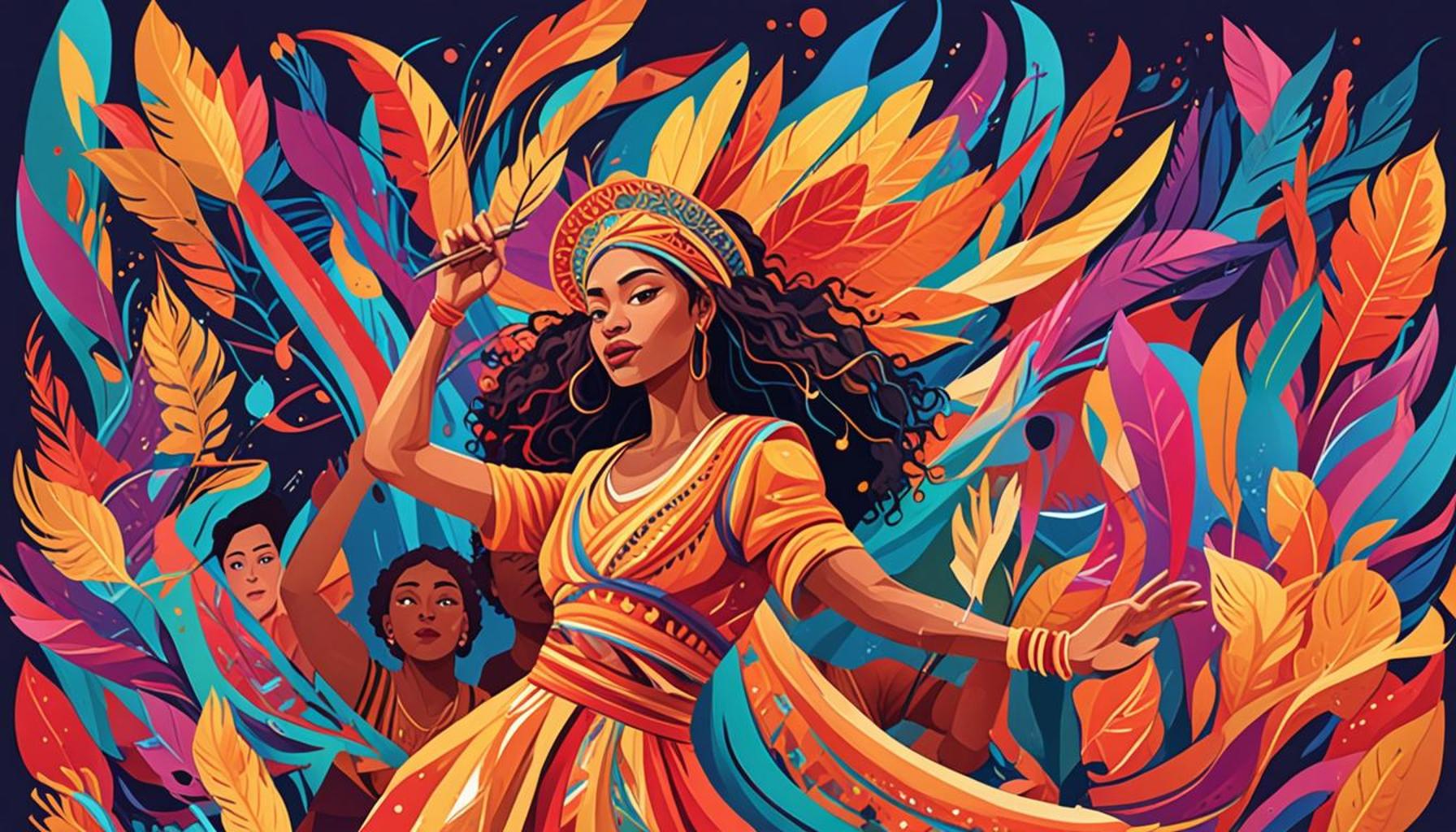
In a world increasingly defined by globalization, the role of performance arts becomes crucial in maintaining cultural heritage. Artistic expressions such as theater, dance, and music serve as powerful tools for cultural preservation and the portrayal of identity. They connect generations and communities, enabling a dialogue that transcends time.
Performance arts provide a vibrant medium for showcasing distinctive elements of culture, including:
- Traditional storytelling: Oral histories passed down through generations often reflect the struggles, triumphs, and values of a community. For example, the tradition of Native American storytelling not only entertains but also teaches important life lessons and reinforces cultural morals.
- Folklore and myths: Dramatizations of local legends, such as the classic tales of Paul Bunyan and Pecos Bill, highlight shared values and beliefs that shape cultural identity in American society. Such performances serve as reminders of the values that unite us.
- Dance forms: Specific dance styles like the flamenco, the jitterbug, or hip-hop encapsulate regional customs and rituals, celebrating the unique historical narratives of different communities. In contrast, the hula dance from Hawaii tells stories of nature and spirituality, emphasizing the deep connection between the people and their land.
- Musical genres: The evolution of musical genres such as jazz, blues, and country reflects the diverse lived experiences of various populations in the United States. These forms of expression not only entertain but also expose societal issues and highlight the cultural fusion that defines American music.
In the United States, diverse performance traditions such as Native American powwows, African American jazz, and even Broadway musicals illustrate the rich tapestry of cultural expression. Powwows, for instance, are communal gatherings that feature traditional music and dance, helping to keep indigenous cultures alive while simultaneously educating the wider public about Native American history and traditions.
Broadway musicals often tell stories that resonate on both a personal and collective level, tackling themes of love, struggle, and identity. Productions like “Hamilton” not only entertain but also spark discussions about history and representation, showcasing that theater can be a space for cultural dialogue and education.
Understanding the importance of performance arts in representing cultural identity encourages a deeper appreciation for diversity. As we delve into this dynamic intersection of art and culture, it becomes evident that performance arts are not just a medium of entertainment—they are a vital thread in the fabric of cultural continuity, enriching our collective experience. By engaging with these art forms, audiences are invited to explore their heritage and the diverse narratives that shape our world today, ultimately fostering a sense of connection and understanding among individuals from different backgrounds.

Dive Deeper: Click here to learn more
Cultural Narratives Through Performance
The role of performance arts in cultural preservation is rooted in their ability to convey and communicate deep-seated traditions and histories. By tapping into the stories and experiences of different communities, performance arts not only serve to entertain but also to educate and inform both participants and audiences about the richness of cultural heritage. One significant way this unfolds is through the incorporation of various forms of traditional storytelling, music, and dance that resonate with community members and provide a platform for dialogue.
Across the United States, performance arts have manifested in unique forms that celebrate cultural diversity. Some of the prominent traditions include:
- Indigenous Theater: The works presented by Native American playwrights and performers often encapsulate themes of identity, resilience, and intergenerational wisdom. For instance, plays that dramatize Indigenous histories provide audiences with a window into the cultural struggles and triumphs of these communities.
- African American Dance: Styles such as the cakewalk and jitterbug arose from African American contexts, showcasing how dance serves as an expression of joy, community, and cultural flair. Events like the Savoy Ballroom in Harlem became hotspots for fostering this cultural identity through dance.
- Pride in Heritage: Festivals celebrating various cultural heritages, such as the annual San Francisco Ethnic Dance Festival, bring together diverse communities and feature different performance arts. Such events not only promote cultural sharing but also affirm individual and collective identities.
Moreover, performance arts act as a living archive that preserves endangered cultural practices. Through interactive experiences, audiences are engaged in the storytelling process, allowing them to embrace the values and narratives embedded within each performance. The annual events, like the Powwow in the United States that celebrates Indigenous traditions, exemplify how these performances are crafted to educate spectators about their history while also encouraging pride among participants.
The significance of music in cultural expression is also indispensable. Genres such as folk, blues, and country music often reflect the historical narratives and lived experiences of those who created them. For example, the folk music revival in the 1960s emphasized social justice, civil rights, and environmental awareness, drawing upon the rich traditions of past musicians. Such performances remind us that music is more than mere entertainment; it is a means of articulating cultural and social consciousness.
Performance arts also foster intergenerational connections. As older generations pass down their knowledge through dance, music, and storytelling, younger community members gain a sense of belonging, identity, and purpose. This aspect of cultural transmission ensures that values, customs, and traditions do not fade with time but instead evolve while maintaining their core essence. By actively participating in performance arts, communities can iterate on their cultural experiences, adapting to contemporary contexts while retaining the historical significance of their practices.
In summarizing the impact of performance arts on cultural preservation and identity expression, it becomes clear that these vibrant art forms are more than just a display of talent; they are vital to maintaining the continuity of culture amidst the dynamic landscape of globalizing influences. Through their captivating stories, rhythmic movements, and compelling melodies, performance arts create an avenue for communities to express their identities, celebrate their heritage, and connect with one another across time and space.
The Role of Performance Arts in Cultural Preservation and Identity Expression
Performance arts serve as a vital tool for cultural preservation and identity expression. They offer a dynamic medium for communities to share their heritage, values, and beliefs. Through mediums such as dance, theater, and music, cultural narratives are not only told but also experienced, creating an emotional connection that enhances both understanding and appreciation. Particularly in marginalized communities, these art forms become a platform for voices that might otherwise go unheard.
| Advantage | Description |
|---|---|
| Cultural Transmission | Performance arts convey historical narratives and traditional customs. |
| Identity Reinforcement | They help individuals connect with their roots, fostering a sense of belonging. |
This seamless blending of performance with personal and collective experiences strengthens the identification of individuals with their culture. In ceremonies, festivals, and community events, these art forms evoke a sense of pride and unity. For instance, Indigenous performances may include storytelling rich with traditions, serving both educational and entertainment purposes, thus ensuring that younger generations remain engaged and informed.
Moreover, performance arts constantly evolve while retaining their essence, adapting to modern contexts and influences. This adaptability allows cultures to remain relevant in today’s fast-paced society while still honoring their heritage and identity. This dual role not only enhances cultural literacy but also promotes intercultural dialogue, enriching the broader community.
DISCOVER MORE: Click here to learn about art as a healing journey
Modern Adaptations of Tradition
In an era of rapid globalization, performance arts have not only preserved traditional practices but have also adapted to meet contemporary demands and audiences. This evolution is critical in maintaining relevance and attracting younger generations who may have otherwise drifted away from their cultural roots. The blending of traditional elements with modern aesthetics indicates a dynamic shift, showcasing that cultural expression is not static but rather a living, evolving process.
For example, the incorporation of hip-hop into traditional African dance forms has led to innovative performances that resonate with youth culture while honoring historical traditions. Artists such as Savion Glover have introduced tap dance into contemporary contexts, revealing how roots can be interwoven with new styles to create fresh narratives that reflect both the past and present. Similarly, in the realm of theater, there has been a surge in the use of technology, such as multimedia art, to modernize classical plays or traditional folktales. This not only piques the interest of today’s audiences but also makes cultural stories accessible and engaging for those unfamiliar with the original contexts.
Moreover, the role of performance arts in cultural preservation extends to creating spaces for open dialogue and cultural negotiation. Festivals like the National Folk Festival provide a platform for various cultural expressions, allowing artists from different backgrounds to share their stories while fostering understanding among diverse audiences. The inclusion of varied performance genres—from Appalachian fiddling to Mexican mariachi—encourages intercommunity dialogue and the appreciation of multifaceted cultural narratives. Such interactions facilitate mutual respect and a shared sense of identity among diverse groups, fostering a collective consciousness that appreciates differences while acknowledging shared humanity.
The impact of social media and digital platforms cannot be overlooked either. They are reshaping how performance arts reach broader audiences, especially younger populations. Websites and platforms like YouTube and Instagram enable performers to showcase their work and cultural narratives globally. For instance, dancers often upload traditional routines paired with modern music, creating viral trends that capture attention and motivate community participation. This cross-pollination leads to a resurgence of interest in once-diminished cultural practices, ensuring that they not only survive but thrive in the digital age.
Furthermore, nonprofit organizations and community groups are actively working to ensure that performance arts serve as a medium for cultural education. Programs designed to teach traditional crafts, music, and performance skills to younger generations are integral to the survival of community heritage. Schools are beginning to integrate these programs into their curricula, promoting local culture while allowing students to engage with their heritage creatively. Events such as the National Dance Day bring together amateur and professional dancers, providing workshops that connect youth with the cultural significance behind each art form.
The shift towards combining traditional practices with modern techniques reflects a broader recognition that performance arts are not just relics of the past but crucial to defining contemporary cultural identities. By engaging with innovation while holding firm to their roots, communities can articulate their identity in a vibrant, meaningful manner that resonates with a global audience. This transformative approach not only revitalizes interest in cultural arts but also affirms the ongoing relevance of performance as a vital tool for cultural preservation and identity expression.
DON’T MISS: Click here to discover how digital tools are transforming creativity
Conclusion
In conclusion, the importance of performance arts in the realms of cultural preservation and identity expression cannot be overstated. Through the seamless integration of tradition and modernity, these arts breathe new life into cultural narratives that might otherwise fade away. By utilizing innovative forms and platforms, such as social media and digital technologies, artists are able to engage wider audiences and connect with younger generations, ensuring that cultural legacies remain vibrant and relevant in today’s fast-paced society.
Moreover, festivals and community initiatives serve as critical venues for sharing diverse cultural expressions, fostering dialogue across different backgrounds, and building mutual respect among various communities. These interactions not only enhance social cohesion but also enrich the collective identity of society as a whole. As our world grows increasingly interconnected, the role of performance arts as a vehicle for cultural education and awareness will continue to be essential.
As we look to the future, it is imperative to support and promote these artistic endeavors, recognizing them as vital instruments of cultural continuity. By doing so, we not only honor the rich tapestry of our shared heritage but also embrace a future where cultural diversity thrives. For those interested in exploring the evolving landscape of performance arts further, local performances, workshops, and online platforms offer a myriad of opportunities to experience and appreciate the ongoing narrative of cultural expression in creative ways.