Community Engagement Through Performance Arts: Building Connections and Fostering Inclusivity
Exploring the Power of Performance Arts
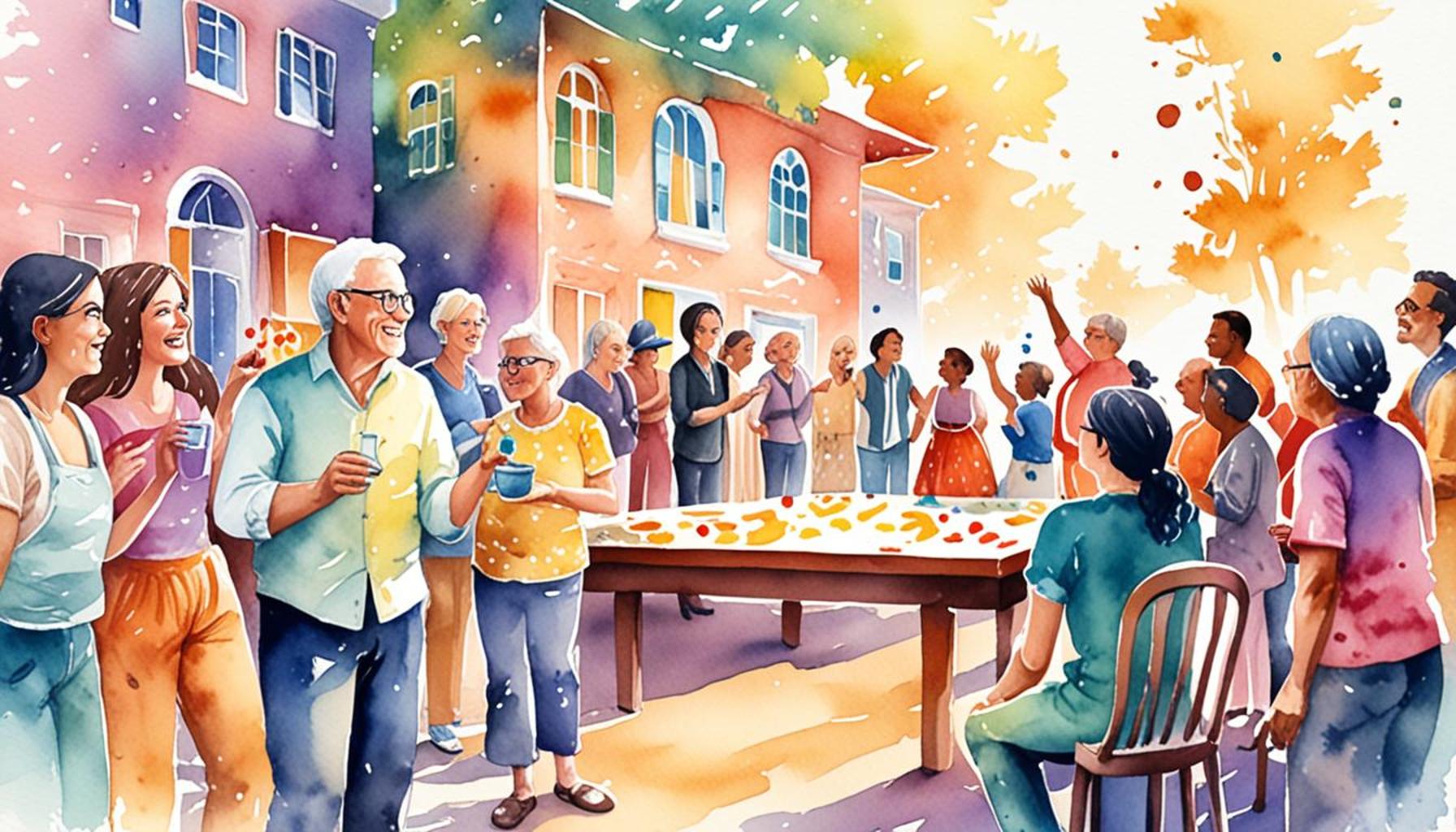
Performance arts have emerged as a vital tool for community engagement, creating pathways for connection and collaboration. Through various forms such as theater, dance, and music, communities are finding innovative ways to share stories and celebrate diversity. This article delves into how these artistic expressions are shaping social landscapes.
Why Performance Arts Matter
Engaging with performance arts can bring profound benefits to communities, including:
- Fostering Inclusivity: Performance arts invite diverse groups to participate and express themselves. For instance, community theater productions often cast local actors from various backgrounds, enabling them to tell their unique stories on stage. This representation not only empowers individuals but also allows audiences to gain insights into different cultures and experiences.
- Building Connections: They encourage interactions among participants and audiences, breaking down social barriers. An example can be seen in local music festivals that bring together artists from different genres and backgrounds. These events transform casual attendees into a cohesive community as they bond over shared musical experiences, thus fostering a sense of unity.
- Enhancing Community Identity: Arts activities can create a sense of belonging and pride in local culture. Local dance troupes that perform regional folk dances not only preserve traditions but also spark interest and appreciation among younger generations. This connection to one’s heritage can strengthen community identity and cohesion.
In the United States, initiatives like community theater programs, local music festivals, and multicultural dance workshops are reshaping neighborhoods. These platforms allow voices from different backgrounds to resonate and collaborate, enriching the local tapestry. For example, the “Art for All” initiative in New York City provides free access to various performance arts workshops, enabling participation from economically marginalized groups and fostering a culture of inclusivity.
Unveiling New Opportunities
This article aims to highlight various successful initiatives across the country and examine their impact on fostering inclusivity and building robust community relations. Programs like the “National Theatre for Children” tour engage younger audiences, making performance arts accessible to schools in underserved areas. These efforts not only stimulate creativity among students but also allow local actors to connect with the youth, creating mentorship opportunities that can last a lifetime.
Join us as we explore the multifaceted role of performance arts in shaping vibrant, connected communities. Through our discussions, we aim to uncover how these artistic expressions not only provide entertainment but also act as catalysts for social change, bridging gaps and nurturing the fabric of community life in various locales.
DISCOVER MORE: Click here to delve deeper
Unlocking Potential: The Transformative Role of Performance Arts
The interplay between community engagement and performance arts is a potent catalyst for change, nurturing relationships and elevating voices that often go unheard. Across the United States, numerous communities have harnessed the transformative power of the arts to foster cooperation and understanding among residents from diverse backgrounds. This movement goes beyond mere artistic endeavors; it actively plays a role in shaping social attitudes and breaking down barriers.
Creating Safe Spaces for Expression
One of the most significant contributions of performance arts is their ability to create a safe space for self-expression. Artistic platforms allow individuals to share their stories and experiences in non-confrontational ways, bridging gaps that often exist due to cultural or socioeconomic differences. For instance, programs like “StoryCorps,” which collects and archives personal stories, enable participants to present their narratives in a supportive environment. This method not only fosters empathy among listeners but also gives storytellers a voice, allowing them to reclaim agency in their narratives.
Moreover, through workshops and collaborative projects, communities can engage in the creation of original performances that reflect their collective identity. These interactions often result in innovative productions that resonate deeply with local audiences. The process of creating art together promotes teamwork and mutual respect, essential components for any vibrant community. Some of the notable programs include:
- Community Theater Productions: Local theaters across the country have taken the initiative to involve residents in every aspect of theater, from acting and directing to set design and marketing. This engagement gives community members a stake in the arts and fosters a sense of ownership.
- Open-Mic Nights: Events held in coffee shops and community centers provide platforms for local talents—musicians, poets, and performers—to share their work. This open stage encourages creativity while also contributing to local culture.
- Multicultural Festivals: Celebrations showcasing different artistic expressions promote respect and knowledge among attendees. Such events not only highlight cultural diversity but also engage younger members of the community in learning about their neighbors’ heritages.
Empowering Through Education
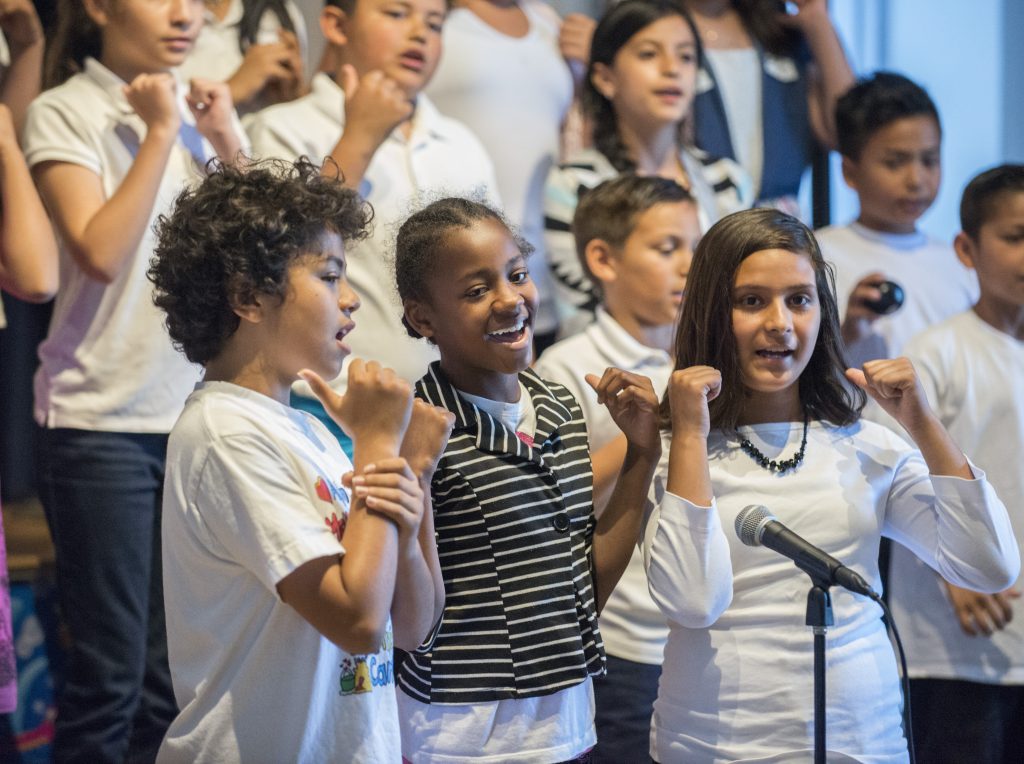
In addition to direct artistic engagements, educational programs led by established artists and practitioners play a critical role in fostering inclusivity. Workshops focused on performance arts offer invaluable life skills by teaching participants about collaboration, discipline, and public speaking. For example, the “Young Audiences” program partners with schools across the nation to provide arts education for underserved children, enriching their learning experiences and providing them with tools they can use in various areas of their lives.
The engagement achieved through performance arts reflects a unique opportunity to not just entertain, but to educate and inspire communities. By serving as a bridge, these initiatives allow individuals to discover their passions while supporting one another in their quests for artistic expression.
Through an exploration of these dynamics, we can recognize that performance arts hold the potential to redefine community relationships, infusing them with a sense of shared purpose and mutual respect. As we continue this discussion, we will uncover specific case studies that highlight successful community engagement through performance arts, demonstrating how creativity serves as a unifying force that colors the fabric of society.
| Category | Description |
|---|---|
| Creative Expression | Performance arts enable individuals to express their emotions and stories, fostering a sense of belonging. |
| Cultural Awareness | Through various artistic mediums, communities become more aware of diverse backgrounds, enhancing social cohesion. |
The integration of performance arts into community engagement initiatives plays a vital role in building connections and fostering inclusivity. Artistic platforms offer unique opportunities for individuals from various backgrounds to come together and share their experiences through creative expression. Whether through theater, dance, or music, these artistic exchanges allow participants to articulate their identities and histories, leading to enhanced empathy among community members.Moreover, cultural awareness is significantly enriched by performance arts, as they often showcase diverse traditions and narratives. These artistic expressions not only bridge cultural gaps but also invite individuals to appreciate and celebrate their differences. Programmes that incorporate multicultural arts events engage broader audiences and challenge stereotypes, leading to deeper community roots. Performance arts provide a transformative space where recognition and respect for diversity can thrive, inviting everyone to be part of the narrative. This collective journey reveals the profound impact the arts can have in nurturing community ties and promoting a spirit of inclusivity.
DISCOVER MORE: Click here to learn about the impact of performing arts on early childhood education
Bridging Divides: The Power of Collaborative Projects
Performance arts thrive on collaboration, and this aspect serves as a cornerstone for community engagement. Projects that encourage different groups to work together can significantly strengthen relationships, inviting participation from varied cultural backgrounds and fostering a sense of belonging. Such initiatives can lead to the formation of coalitions that transcend ethnic, racial, and socioeconomic boundaries.
Intergenerational Initiatives
One remarkable avenue of community engagement is through intergenerational projects that combine the talents and perspectives of both the youth and seniors. For example, theater companies like “Elders Share the Arts” create workshops where older adults mentor young people in storytelling, dance, and music. These initiatives not only preserve cultural traditions but also allow for the exchange of ideas and wisdom between generations, breaking down barriers of misunderstanding and isolation.
By sharing their life experiences, older participants enrich the narratives explored in performance arts. In contrast, younger individuals bring fresh perspectives and contemporary ideas, resulting in hybrid art forms that reflect a deeper, communal identity. Programs of this nature have shown that bridging generational divides through the arts engages participants on both emotional and intellectual levels, leading to increased social cohesion.
Inclusive Representation in the Arts
Inclusive representation is paramount in ensuring that performance arts resonate with all community members. Efforts to showcase diverse voices and perspectives have resulted in powerful movements within the arts. Organizations, such as “Theatre Communications Group” (TCG), actively promote inclusion by not only encouraging diverse casting but also funding projects aimed at amplifying underrepresented voices. The initiative has led to groundbreaking productions that articulate experiences from the African American, Latinx, and LGBTQ+ communities, among others.
Moreover, initiatives targeting the involvement of artists with disabilities are transforming the landscape of performance arts. Programs like “The Alliance for Inclusion in the Arts” advocate for equal representation on stage, effectively dismantling stereotypes and demonstrating that creativity knows no bounds. This progressive shift invites dialogue around accessibility, ensuring spaces that were once exclusionary become welcoming to all.
Case Studies: Success Stories of Community Engagement
Numerous programs can serve as case studies of successful community engagement through performance arts. In Chicago, “Chicago’s Free Street Theater” offers free performances in underserved neighborhoods. Their productions, often featuring local talents based on community-driven narratives, not only entertain but address pressing social issues, encouraging reflection and discussion among audiences.
In San Francisco, the “Asian Pacific Islander Cultural Center” provides programs that elevate the stories of Asian American and Pacific Islander artists. Their annual festival involves local artists collaborating on performances that engage audiences in the cultural nuances of these communities. This not only fosters inclusivity but also educates attendees about the richness of these cultures, paving the way for mutual respect and understanding.
As communities continue to embrace the arts as a vehicle for connection and inclusivity, the benefits extend beyond the stage. The stories told, the connections forged, and the cultural exchanges made contribute to a stronger, healthier community fabric that thrives on the shared appreciation of its diverse constituents.
DON’T MISS: Click here to enhance your crafting skills
Conclusion: Strengthening Community Bonds through Performance Arts
The transformative potential of performance arts lies not only in their capacity to entertain but also in their ability to ignite community engagement and foster inclusivity. As we have explored, collaborative projects, intergenerational initiatives, and inclusive representation serve as vital mechanisms through which communities can transcend divides and share their rich tapestries of culture and experience. The arts unite people from diverse backgrounds, creating a shared space for dialogue and understanding, which ultimately enhances social cohesion.
Programs that prioritize diversity and representation do more than just highlight varied experiences; they challenge societal norms and pave the way for broader conversations about identity and belonging. The success stories from initiatives like Chicago’s Free Street Theater and the Asian Pacific Islander Cultural Center demonstrate that art can be a powerful catalyst for change, addressing societal issues while uplifting marginalized voices.
As we look to the future, it is essential for communities across the United States to continue investing in performance arts as a means of connection and inclusivity. By actively engaging with the diverse narratives and talents of their constituents, communities can cultivate a more harmonious and understanding environment for all. In doing so, the artistic stage transforms into a vital forum for exploring collective identities, bridging generational gaps, and fostering a more inclusive society. The call to action is clear: let us celebrate and support the performance arts as a vital tool for building connections and enriching our communities.