Exploring Sustainable Materials for Crafts: Creating with Environmental Awareness
The Shift Towards Sustainable Crafting
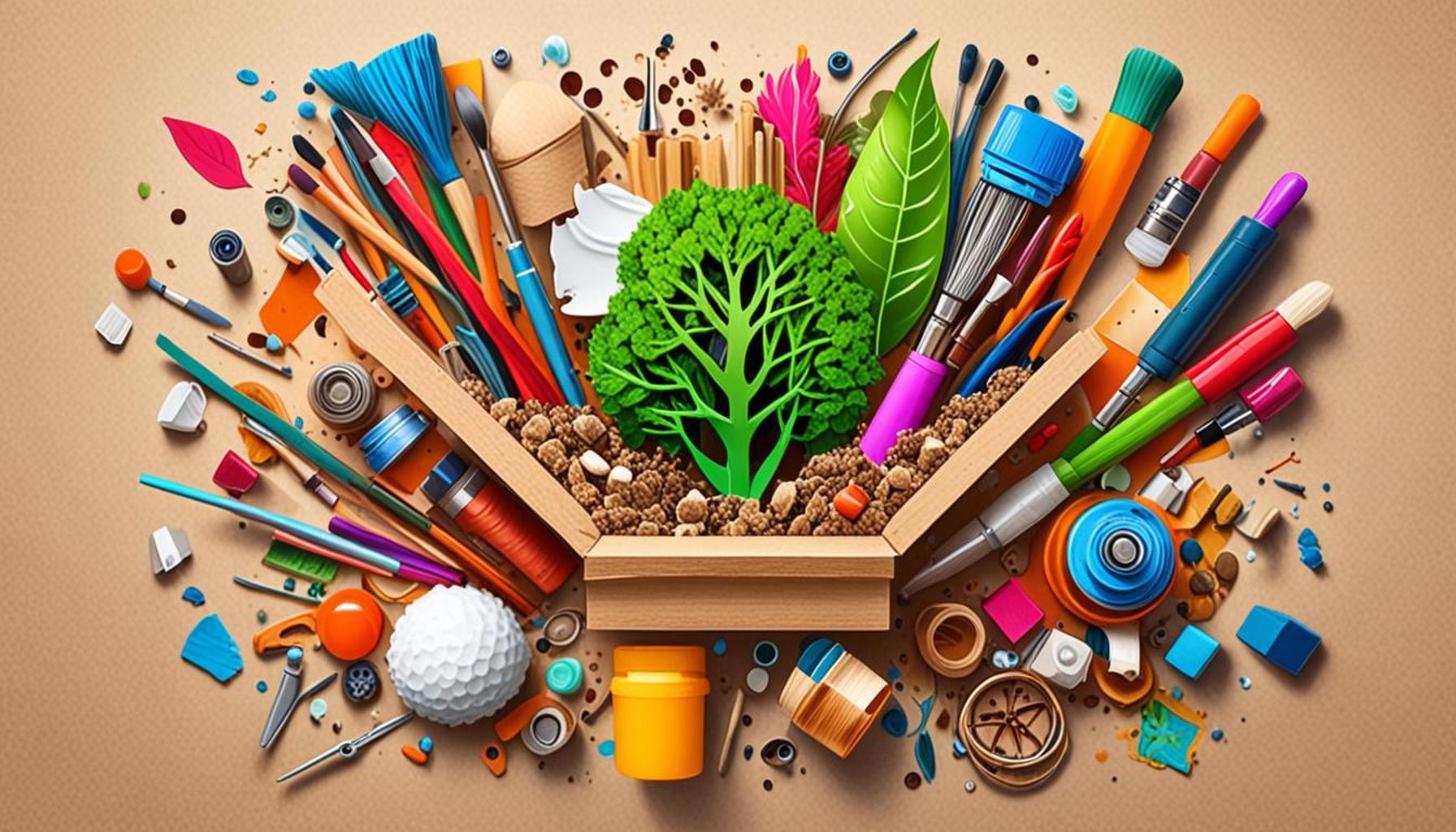
Crafting has long been a cherished pastime, offering individuals a chance to express their creativity. However, as environmental awareness continues to rise, a new movement is emerging within the art of crafting—one that emphasizes sustainability. This shift invites crafters to explore materials and techniques that reflect a commitment to both beauty and environmental stewardship.
Bamboo: Nature’s Wonder
Bamboo is rapidly gaining popularity in crafting circles, and for good reason. As one of the fastest-growing plants on the planet, it can reach maturity in just three to five years, making it a renewable resource that doesn’t deplete forests. Its natural resilience, strength, and versatility lend themselves to various applications. Artisans are using bamboo to create everything from delicate jewelry to sturdy furniture and even eco-friendly utensils. For example, the eco-conscious brand Bamboozle produces an array of kitchenware crafted from sustainable bamboo, marrying functionality with style.
Crafting with Recycled Paper
By transforming discarded items into treasures, crafters can significantly reduce waste. Recycled paper serves as a remarkable resource for creating stationery, scrapbook pages, and stunning art pieces that tell a story of transformation. Innovative creators combine layers of recycled paper to form unique textured artworks or create vibrant greeting cards from old magazines. Additionally, companies like Paperstone are pioneering the use of recycled paper for commercial purposes, turning waste into a sustainable solution for business needs.
The Importance of Eco-friendly Paints
When embarking on a crafting project, the choice of materials is crucial. But what about the paints used to bring those creations to life? Eco-friendly paints are a game-changer in this realm. Free from harmful toxins and volatile organic compounds (VOCs), these paints ensure a healthier environment for both crafters and consumers alike. Brands like BioShield provide a variety of non-toxic paint options that offer vibrant colors without compromising on safety, thereby encouraging crafters to paint guilt-free.
Natural Fibers for Textiles
Textiles play a significant role in the crafting world, and opting for natural fibers can lead to remarkable outcomes. Materials such as organic cotton, linen, and jute are not only sustainable but also add unique textures and warmth to projects. Crafting enthusiasts are utilizing organic cotton to produce handmade bags and clothing, fostering a connection to sustainability through the tactile experience of natural materials. Additionally, using jute twine for macrame and home decor reflects an increasing trend towards eco-conscious crafting.
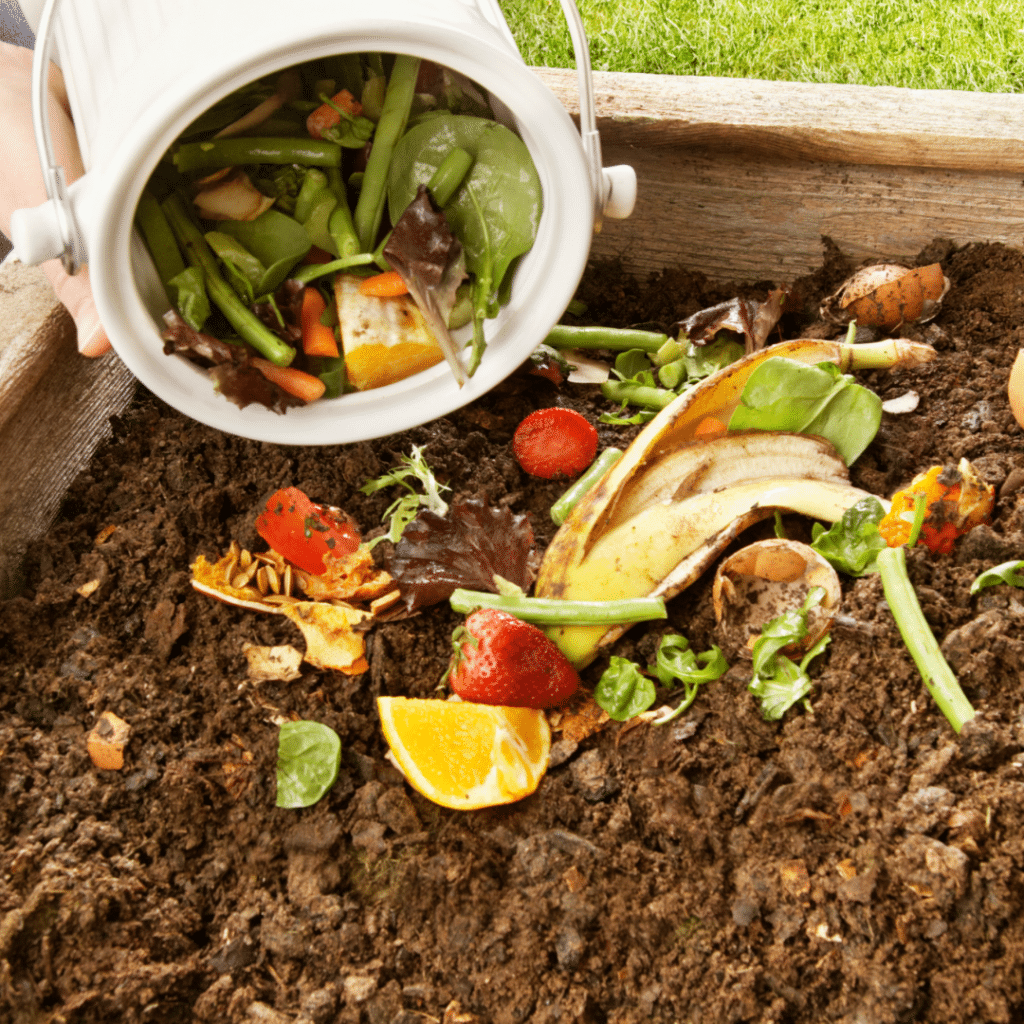
As the crafting community expands its focus on ethical practices, the importance of understanding sustainable materials cannot be overstated. By choosing biodegradable or recycled options, crafters can significantly minimize their carbon footprint while creating beautiful works of art.
Across the United States, artisans are adopting these principles and innovatively incorporating sustainable materials into their crafts. As more individuals recognize the potential for big impacts through small choices, the trend of sustainable crafting holds the promise of inspiring a greater movement towards environmental mindfulness. It’s a pathway that not only enhances creativity but also fosters community engagement, sparking a collective action that reaches far beyond the individual crafter. Exploring sustainable materials in crafting is not just about what you make—it’s about how it’s made and the legacy left for future generations.
DISCOVER MORE: Click here to learn how media shapes our food choices
Embracing Eco-Conscious Crafting Practices
The move towards eco-friendly crafting does not merely focus on selecting sustainable materials; it also encompasses a broader approach to crafting processes and community involvement. By integrating principles of sustainability and environmental responsibility, crafters can contribute to a more sustainable future while nurturing their creative spirits. With increased consumer awareness regarding the environmental impacts of various materials, the crafting community is evolving and adopting solutions that balance artistry with ecological mindfulness.
Upcycling: Transforming Waste into Wonders
Upcycling presents an exciting opportunity for crafters to repurpose items that might otherwise end up in landfills. This creative process involves taking discarded objects and giving them new life, thereby reducing waste while fostering unique artistry. From repurposed glass jars transformed into stylish candle holders to vintage fabric sewn into innovative quilts, the possibilities are endless. Notable platforms like Etsy showcase countless artists who excel in upcycling, offering consumers sustainable options that boast history and character.
The Power of Locally Sourced Materials
Crafting with locally sourced materials not only minimizes the carbon footprint associated with transportation but also strengthens the local economy. When crafters choose to use materials from nearby producers, they support sustainable agricultural practices and reduce the demand for harmful industrial processes. Local wool, reclaimed wood, and native plants lend authenticity to projects and encourage consumers to foster connections with their environment. Many artisans across the United States are already tapping into local resources, demonstrating the impact of community engagement in sustainability.
Creating with Biodegradable Products
Incorporating biodegradable products into crafting is another key consideration for environmentally-conscious creators. Materials designed to decompose naturally, such as biodegradable glitter or plant-based adhesives, allow artists to minimize their ecological impact while still achieving visually stunning results. Such options are increasingly available through retailers that prioritize sustainable crafting supplies, empowering artists to maintain their commitments to both their craft and the planet.
Integrating Sustainability into Crafting Workshops
Crafting workshops are evolving venues for learning about sustainable practices. Many facilitators now focus on educating participants about the importance of using sustainable materials and methods. These events encourage a collaborative atmosphere where participants can share tips and techniques for eco-friendly crafting. Workshops that emphasize sustainability could cover topics such as:
- Choosing biodegradable or recycled materials
- Techniques for upcycling household items
- Creating with natural dyes and eco-friendly paints
- Sharing best practices for sourcing local materials
By engaging in these educational avenues, crafters not only enhance their skills but also amplify the ripple effect of sustainable crafting within their communities. As individuals become more conscientious about their crafting decisions, they ultimately contribute to a collective culture of environmental responsibility.
The journey towards sustainable crafting is both fulfilling and pivotal in shaping a more mindful future. As artists and artisans continue to explore innovative materials and sustainable practices, they pave the way for a crafting revolution grounded in respect for the earth, creativity, and regenerative practices.
| Category | Description |
|---|---|
| Renewable Resources | Utilizing biodegradable materials like bamboo, cork, and organic cotton reduces environmental impact. |
| Waste Reduction | Upcycling scraps from other projects allows crafters to minimize waste and promote sustainability. |
Crafting with sustainable materials invites a thrilling challenge, encouraging creators to rethink their resourcefulness. Renewable resources such as bamboo, cork, and organic cotton are at the forefront of green crafting, providing not only functional uses but also contributing to the reduction of ecological footprints. These materials offer a versatile and aesthetic appeal for various crafts while ensuring that the environment remains a priority.Moreover, waste reduction emerges as a pivotal aspect of sustainable crafting. By embracing upcycling techniques and incorporating scraps from previous projects, artisans can significantly lessen waste generation. This approach not only leads to unique creations but also fosters a culture of environmental responsibility among crafters.Thus, as individuals dive deeper into the world of crafting with a conscious mindset, they discover exciting innovations and practical solutions that align with their values of sustainability. The exploration of sustainable materials not only facilitates creativity but also empowers artisans to make tangible contributions to environmental conservation.
DIVE DEEPER: Click here to discover the significance of collaborative art
Innovative Tools and Techniques for Sustainable Crafting
As the movement towards eco-friendly crafting expands, artisans are increasingly adopting innovative tools and techniques that align with their sustainable goals. Armed with knowledge and creativity, crafters are discovering ways to enhance their craft while minimizing waste and environmental impact.
Digital Solutions: Minimizing Waste in Design
The digital age offers vast opportunities for crafting sustainability. Utilizing software for design allows artisans to plan their projects meticulously, minimizing excess materials. Programs like Adobe Illustrator and free design tools such as Canva enable crafters to visualize their work before cutting any physical materials. This practice can lead to more precise calculations, reducing scrap materials and instilling a mindful approach to resource management. Additionally, digital designs can easily be shared or sold, creating new economic avenues without the need for excess physical inventory.
Natural Fibers and Plant-Based Alternatives
The growing availability of natural fibers and plant-based alternatives is another exciting aspect of sustainable crafting. Materials such as organic cotton, hemp, and bamboo not only have a lower ecological footprint than conventional fabric but also biodegrade, returning nutrients to the soil. These fibers are increasingly being used in various crafts, from sewing to knitting and weaving. As consumer demand rises, more suppliers are committed to ethical sourcing, driving the market towards sustainably produced textiles.
Eco-Friendly Packaging Solutions
In addition to sustainable crafting materials, the issue of packaging is critical in the quest for environmental responsibility. Crafters can utilize eco-friendly packaging solutions to ensure their creations do not contribute to waste. Options like recycled cardboard boxes, compostable mailers, and biodegradable bubble wrap are now readily available. These materials help businesses present their products sustainably while appealing to eco-conscious customers. For example, companies like EcoEnclose specialize in sustainable shipping solutions that reduce environmental impact significantly.
The Role of Online Communities in Sharing Knowledge
Online communities play a vital role in propagating knowledge about sustainable crafting. Platforms such as Pinterest, Instagram, and various crafting forums allow users to share ideas, tutorials, and inspiration for eco-friendly projects. This collaborative environment fosters innovation, enabling crafters to access diverse perspectives on sustainability. Furthermore, many influencers prioritize eco-consciousness, spreading awareness and promoting products that facilitate a more sustainable crafting experience.
Ethical Retailing: Supporting Sustainable Brands
As consumers become increasingly aware of the materials they purchase, there is a shift towards ethical retailing. Many brands are now dedicated to offering only sustainable crafting supplies, and they ensure transparency regarding sourcing and production practices. Consumers are encouraged to research brands to confirm that their purchases align with their sustainability values. Websites like Good On You provide insights into retail brands and their environmental and ethical performance, empowering individuals to make informed choices.
This emphasis on sustainability in crafts extends beyond the act of creation. It is a holistic approach that combines innovative practices, ethical consumerism, and community engagement, all intertwined in a vibrant tapestry of environmentally responsible artistry. As crafters adopt these strategies, they contribute to a more sustainable economy while celebrating their unique creative journeys.
DISCOVER MORE: Click here to dive deeper
Conclusion: Embracing a New Crafting Paradigm
In an era where environmental consciousness is paramount, the shift towards sustainable materials for crafts represents more than just a trend; it heralds a new paradigm of creativity that emphasizes responsibility. By adopting innovative tools and techniques, such as digital design software and eco-friendly packaging solutions, artisans not only reduce waste but also enhance their artistic expression. Furthermore, the rising availability of natural fibers and plant-based alternatives offers makers the chance to create high-quality, biodegradable pieces that celebrate rather than deplete our natural resources.
As we navigate this landscape of sustainable crafting, the role of online communities cannot be overstated. These platforms allow crafters to share knowledge, inspiration, and ethical practices, fostering a collective movement towards sustainability. In parallel, the emphasis on ethical retailing ensures that every purchase supports brands committed to environmental stewardship, empowering consumers with choices that align with their values.
Ultimately, exploring sustainable materials for crafts invites a deeper reflection on our impact on the planet. It encourages us to view crafting as a holistic process—one that intertwines creativity with conscientiousness. As we continue this journey, let us celebrate the vibrant community of artisans who are not only crafting beautiful pieces but also contributing to a more sustainable future. Together, we can weave a tapestry of environmental awareness, transforming our creative pursuits into powerful agents of change.